Balcony solar: BGH limits landlord vetoes
3 min read
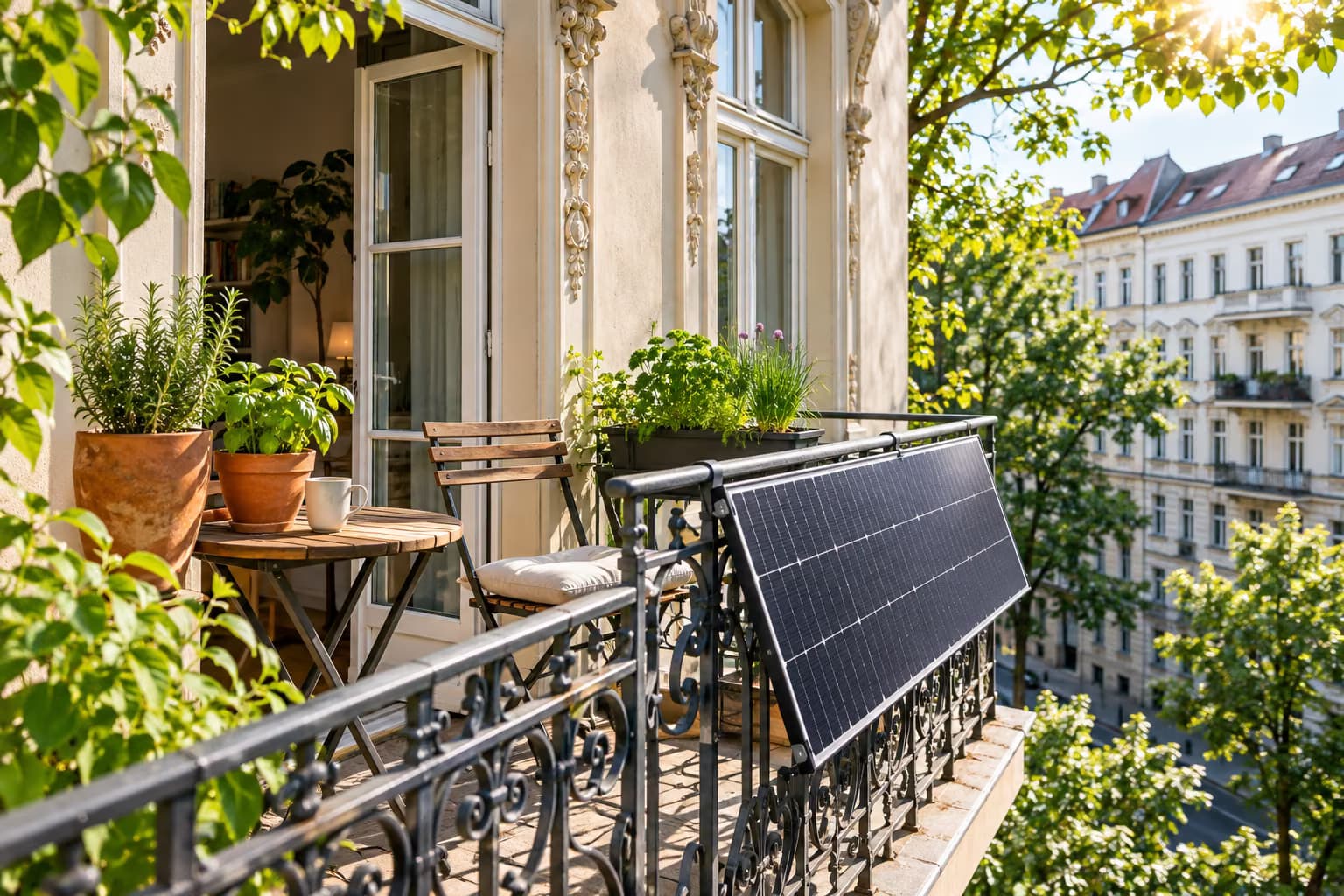
Tenants in Germany have a stronger right to install a balcony solar system, known as a Balkonkraftwerk, than many landlords assumed. On 25 November 2026 the Federal Court of Justice (Bundesgerichtshof, BGH) ruled that a landlord cannot force a tenant to remove a balcony solar unit merely because it changes how the building looks. The case, VIII ZR 248/25, concerned a housing cooperative in Saxony, but it rests on the general tenancy rule in section 554 of the German Civil Code (BGB), and it clarifies when a landlord can still say no.
Balcony solar: what the BGH decided
The tenant lived in a flat owned by a housing cooperative (Wohnungsgenossenschaft) and asked permission to install a plug-in solar unit on his balcony. The cooperative agreed, on the condition that the panels were fixed below the balcony parapet so that the building looked unchanged. The tenant mounted the panels on the outside of the balcony instead, and the cooperative sued for their removal after a warning letter, according to the BGH press release. The Amtsgericht Riesa, the local court, initially ordered removal, but the Landgericht Dresden overturned that decision in August 2025.
The BGH rejected the cooperative's appeal, so the Dresden ruling is final. In its press release, the court explains that the installation counts as a structural change (bauliche Veränderung), which normally requires the landlord's permission under section 554 of the German Civil Code (BGB). The tenant, however, has a legal claim to that permission. Because of that claim, the cooperative cannot insist on removal in good faith under section 242 BGB, even though the tenant broke the conditions. According to t-online, the statutory tenant right has applied since October 2024.
When a landlord can still refuse balcony solar
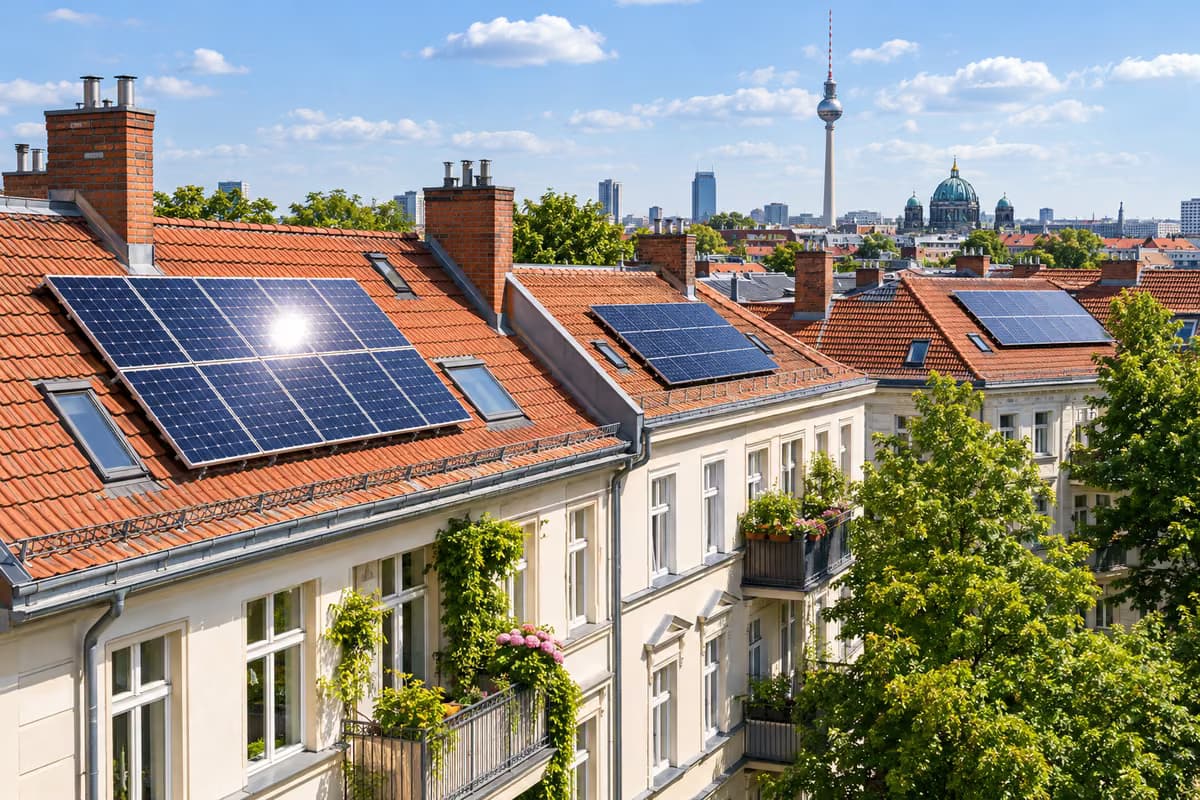
The ruling does not give tenants a general right to mount panels without asking. A landlord can still refuse, but only if the installation would be unreasonable for that landlord in the specific case. The court said this requires a case-by-case weighing of the disadvantages for the landlord against the tenant's interest, and each side must prove the facts that favour its position, according to the press release.
Two of the cooperative's arguments failed. The fear of a "patchwork" (Flickenteppich) of balcony units across its estate did not justify refusal, because the court said the presence of such devices in a residential area reflects modern living. The abstract risk of glare was also not enough, and the cooperative had not shown that the particular installation would affect neighbours. Berliner Zeitung adds that the cooperative's general assembly decision to ban such installations could not override the tenant's statutory right. The judgment, however, covers only one flat, and the court did not decide that every visual change is acceptable.
What the balcony solar ruling means for tenants
The practical message is that a landlord cannot simply say no because the device looks unattractive or because others might install similar systems. Solarserver and Photon both describe the ruling as favourable to tenants, while noting that the decision still rests on individual circumstances. A tenant who wants balcony solar should still ask for permission in writing, describe the device and the mounting plan, and wait for an answer before fixing anything to the building.
Some landlords will argue that a particular installation causes concrete problems. The BGH left room for such case-specific objections, and the burden of proof sits with the party that relies on the fact. This is why the detailed documentation of a proposed installation matters. If a landlord refuses, a tenant can check the refusal against the criteria in section 554 BGB and seek advice from a tenants' association before taking action.

What this means for expats renting in Germany
Many expats rent a flat and assume that any change to the balcony needs the landlord's approval, which is still true in principle. What has changed is the test a landlord must meet to refuse. Read your lease before you send the request, because the question a landlord must answer is whether refusal would be unreasonable for them in your specific case.
Before you buy a balcony unit, ask your landlord in writing for permission and keep the reply. Check the building's rules on the mounting position and the electrical connection, and ask a qualified electrician if you are unsure about the plug-in arrangement. The Balkonkraftwerk rules are part of a broader set of tenant rights that we have covered in our guide to tenant rights and responsibilities, which is a useful starting point for expats.