German Government Pushes for Post-Retirement Work as Part of Economic Strategy
Germany's coalition is introducing an active pension scheme to keep retirees in the workforce longer, a policy shift that reflects the country's growing…

 EnglishEnglishWeLiveIn.de
 DeutschWirLebenIn.de
 РусскийЖивемВ.de
 PolskiMieszkamyW.de
 УкраїнськаЖивемоВ.de
 TürkçeYasiyoruz.de
 ItalianoViviamoIn.de
 EspañolVivimosEn.de
 PortuguêsVivemosNa.de
 RomânăLocuimIn.de
 ShqipJetojmëNë.de
 LietuviųGyvename.de
 LatviešuDzivojam.de
 БългарскиЖивеемВ.de
 ΕλληνικάΖούμεστη.de
 MagyarÉlünk.de
 FrançaisLaVieEn.de
 HrvatskiŽivimoU.de
 ČeštinaŽijemeV.de
Boost your career with guides on job hunting, creating German-style CVs, and preparing for interviews. Learn about the job market, employment laws, and workers' rights to secure and excel in your professional role.
Page 2 / 4
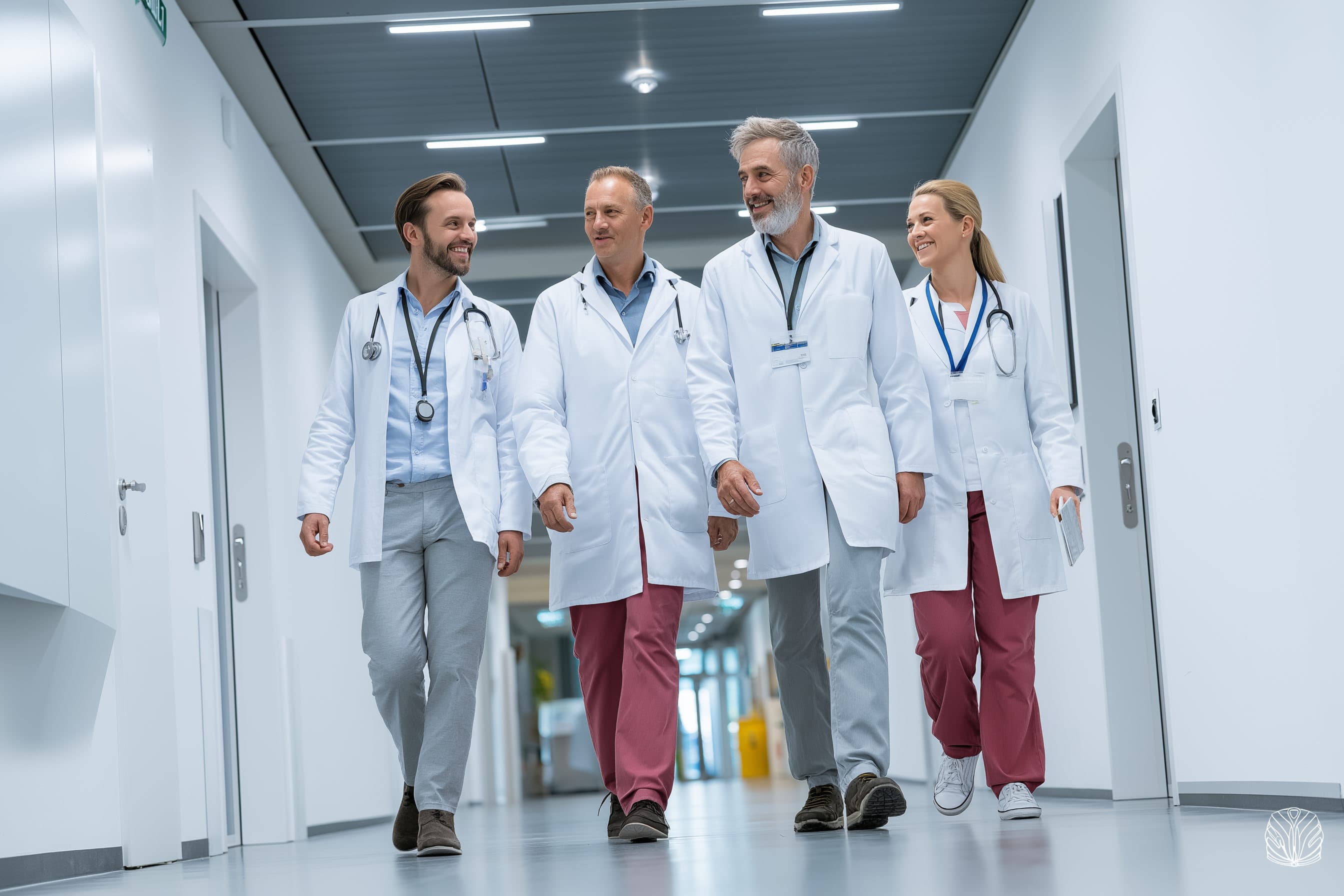
Germany's coalition is introducing an active pension scheme to keep retirees in the workforce longer, a policy shift that reflects the country's growing…
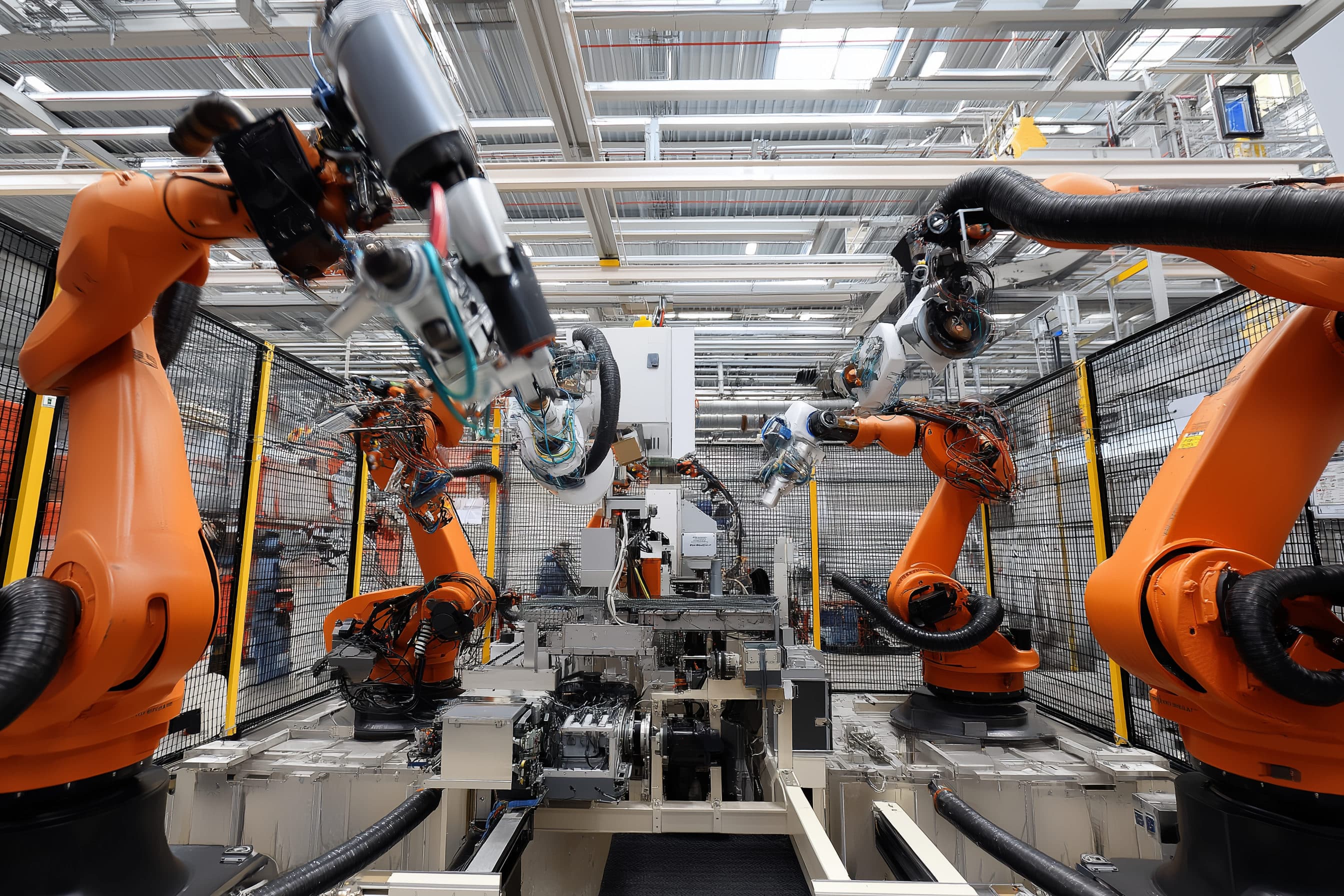
Tighter border checks are disrupting Germany's access to migrant workers, forcing a rethink of how the country attracts and retains the foreign labor its…
A new study shows 84% of German businesses are struggling to find qualified workers, making the skilled labor shortage one of the country's most pressing…
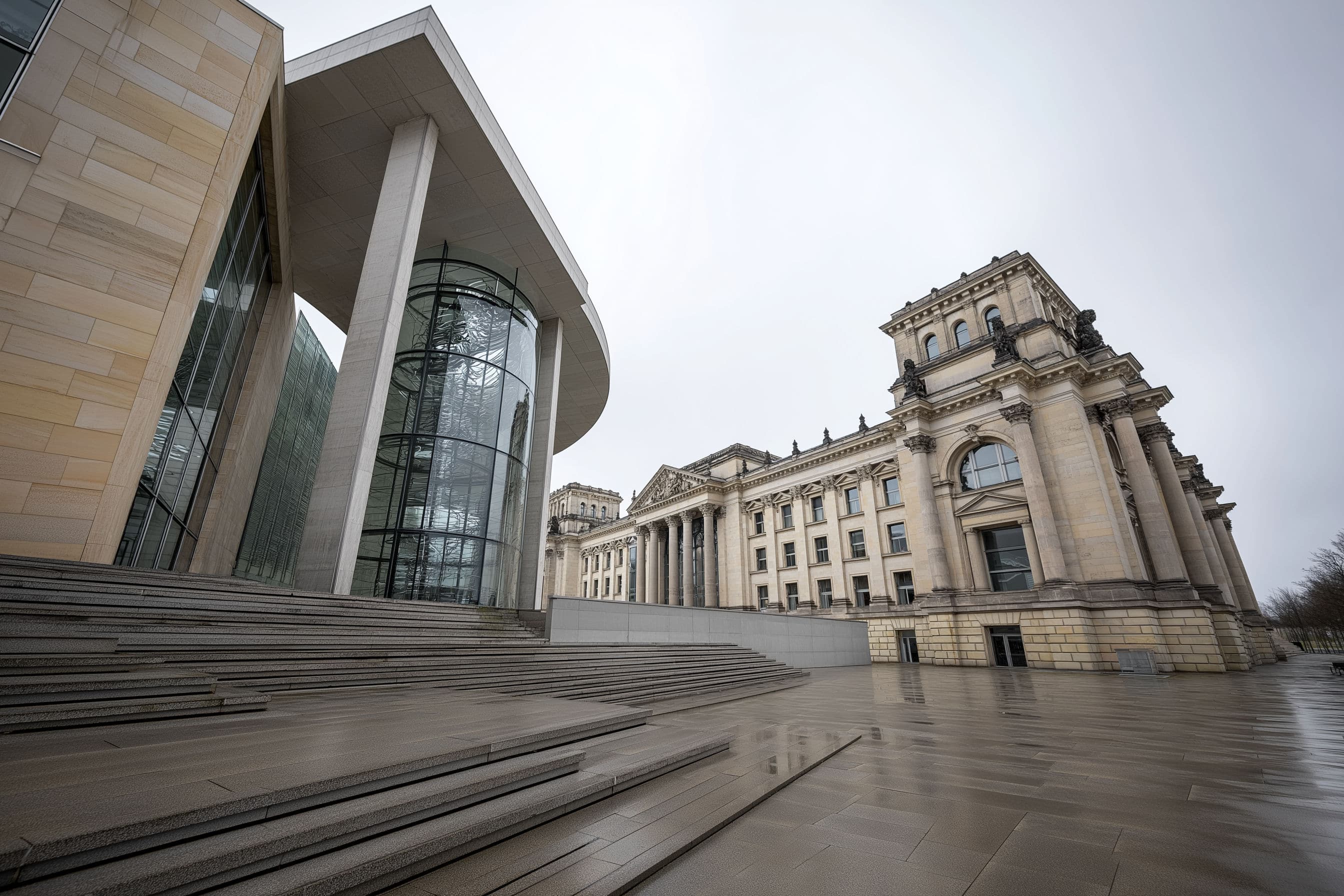
CDU/CSU and SPD are clashing over the €15 minimum wage pledge in their coalition deal. Here is what the dispute means for workers and expats across Germany.
A new German study finds that a €1,200 monthly basic income improves wellbeing without reducing employment, fuelling fresh debate over replacing the…
A Bertelsmann Foundation study warns that Germany's aging workforce creates a critical shortage of skilled workers.
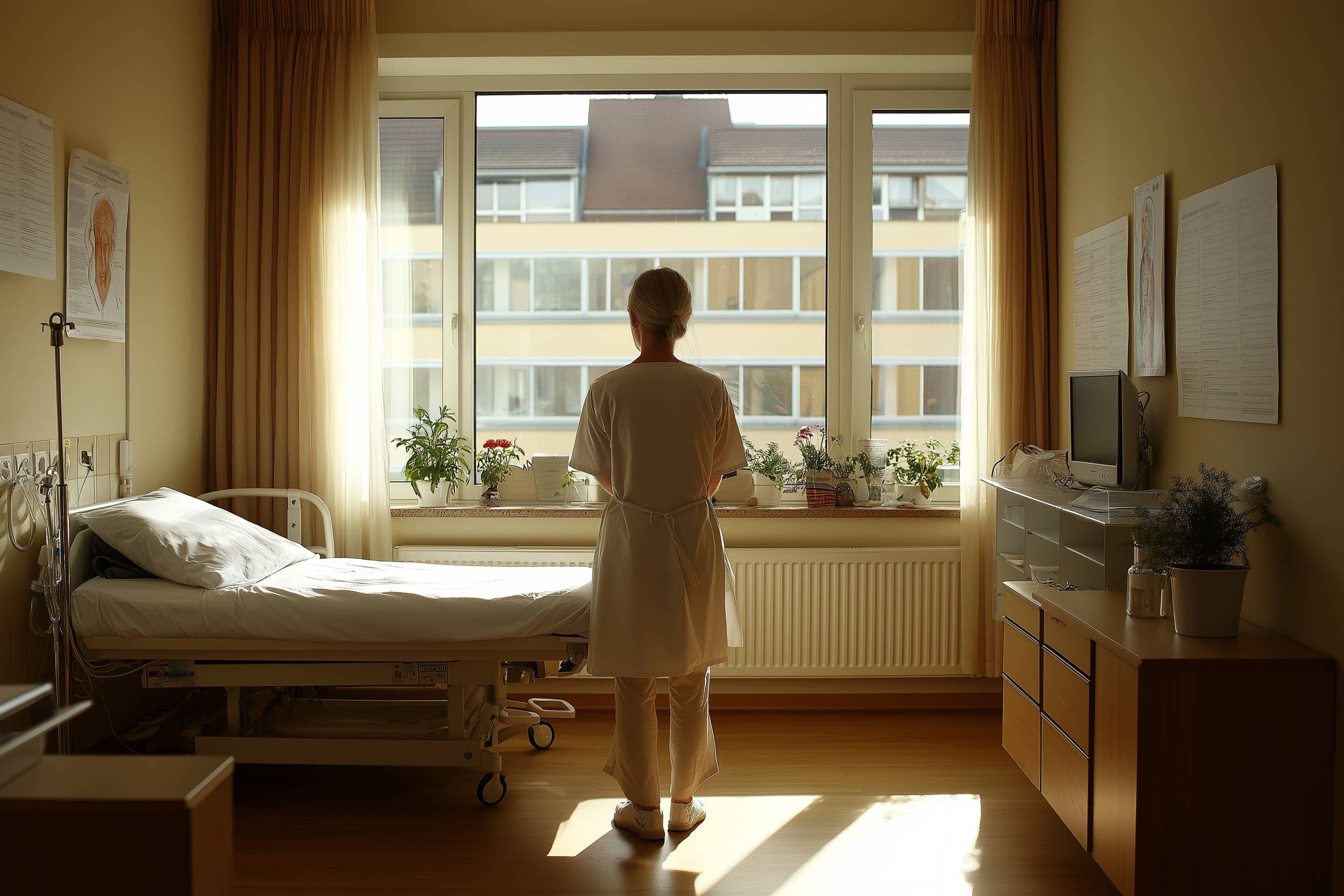
Germany's healthcare system faces a shortage of roughly 47,400 skilled workers, creating both pressure on services and openings for internationally…
Germany may abolish its traditional eight-hour workday limit in favour of more flexible arrangements.
Germany's revamped welfare system, Bürgergeld, faces criticism over suspected abuse through undeclared work.
Germany faces a deepening skilled labor shortage across engineering, IT, and more sectors.
The Gewerkschaft Deutscher Lokomotivführer (GDL) and Transdev, Germany's second-largest railway company, have reached a comprehensive tariff agreement. This accord, heralding significant changes, including a reduction in work hours and pay raises, comes after a series of strikes that underscored the union's demands for better working conditions.
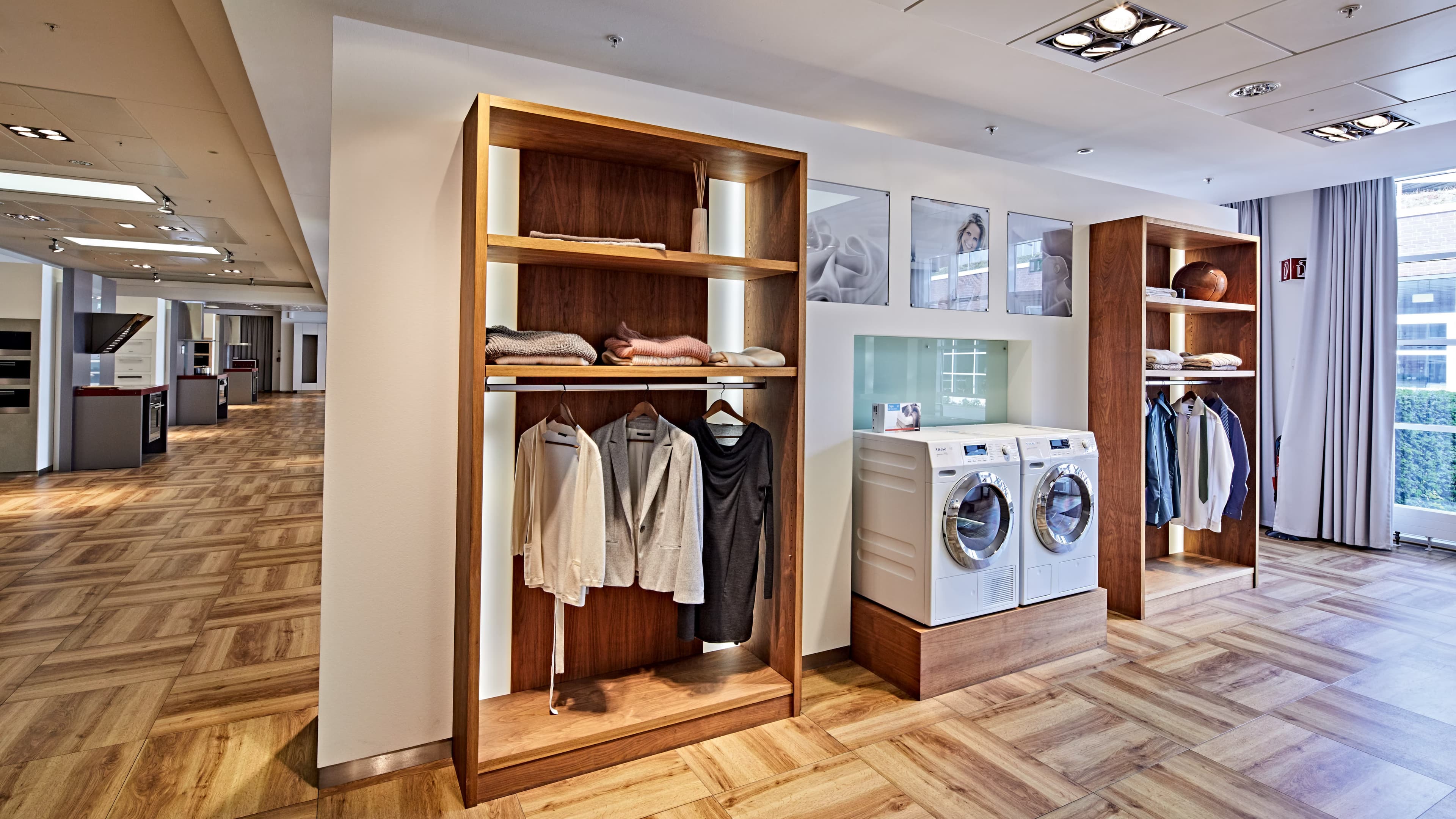
Miele, the renowned German manufacturer of high-quality household appliances, is facing significant operational changes due to a downturn in demand and escalating costs. The family-owned company headquartered in Gütersloh has announced a comprehensive restructuring plan that includes the elimination of approximately 2,000 jobs worldwide and the relocation of around 700 positions to other sites, with a significant focus on moving operations to Poland.