One Year After Cannabis Reform, Future of Legal Weed in Germany Uncertain
One year after Germany partially legalised cannabis, political uncertainty clouds its future.

 EnglishEnglishWeLiveIn.de
 DeutschWirLebenIn.de
 РусскийЖивемВ.de
 PolskiMieszkamyW.de
 УкраїнськаЖивемоВ.de
 TürkçeYasiyoruz.de
 ItalianoViviamoIn.de
 EspañolVivimosEn.de
 PortuguêsVivemosNa.de
 RomânăLocuimIn.de
 ShqipJetojmëNë.de
 LietuviųGyvename.de
 LatviešuDzivojam.de
 БългарскиЖивеемВ.de
 ΕλληνικάΖούμεστη.de
 MagyarÉlünk.de
 FrançaisLaVieEn.de
 HrvatskiŽivimoU.de
 ČeštinaŽijemeV.de
Navigate the intricacies of German legislation with Legal Insights. This authoritative source equips you with the latest legal updates, detailed analyses of legislative changes, and essential information on citizenship matters, all designed to demystify legal procedures for expatriates.
Page 5 / 9
One year after Germany partially legalised cannabis, political uncertainty clouds its future.
Germany's CDU/CSU and SPD are deadlocked over tax policy as coalition negotiations reach a critical phase.
The German Bundestag has approved a resolution to combat antisemitism, sparking debate among lawmakers and civil society.
Germany's updated Bürgergeld rules introduce stricter compliance requirements that may require some recipients to move.
Germany's cannabis law, in force since April 2024, changed rules on possession, use, and home cultivation.
Germany stands on the cusp of a pivotal transformation as the federal government implements a groundbreaking cannabis legalization policy, set to commence on April 1. This historic legislation is anticipated to significantly alter the landscape of drug-related incarcerations within the nation. Spearheaded by Federal Health Minister Karl Lauterbach (SPD) and Federal Justice Minister Marco Buschmann (FDP), the initiative is poised to reevaluate the status of up to 7,500 incarcerated individuals, marking a substantial shift towards a more progressive drug policy.
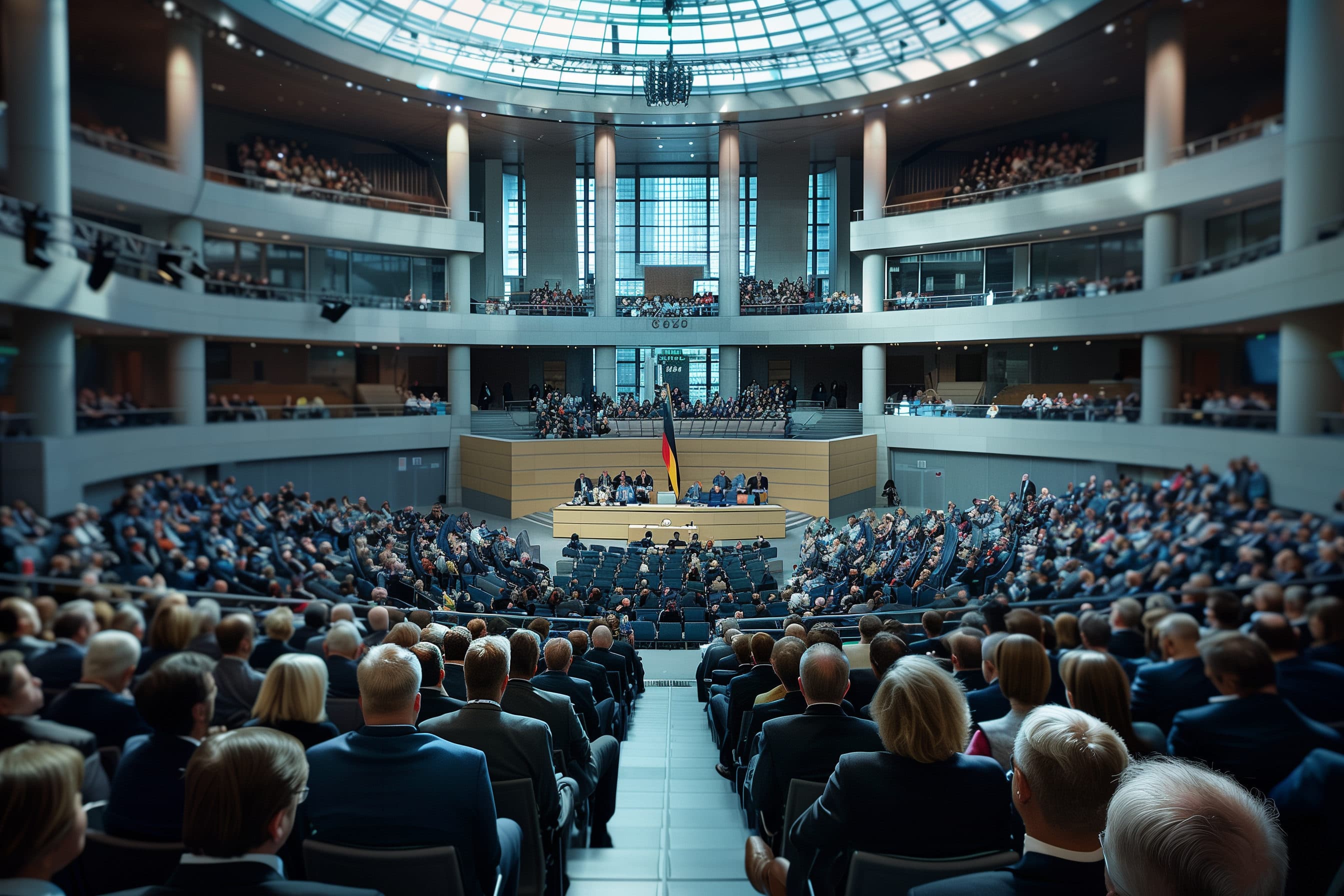
The German government has embarked on a transformative journey, altering the way legislative procedures are conducted at the federal level. Spearheaded by Federal Interior Minister Nancy Faeser of the SPD, this overhaul is encapsulated in the recent amendments to the Joint Rules of Procedure of the Federal Ministries (GGO), signifying a pivotal shift towards openness in governance. Scheduled to take effect from June 1, 2024, these modifications herald the introduction of the "executive footprint" and a mandatory synopsis requirement, marking a significant stride in Germany's legislative process.
Germany, a country at the heart of Europe, is currently navigating the complexities of immigration, work rights, and integration policies. These adjustments and challenges come at a time when the nation seeks to balance its need for skilled labor with the broader European Union's migration regulations. The unfolding scenario reveals a mix of legislative setbacks, expanded work rights for international students, and broader implications for non-EU nationals seeking opportunities within the EU.
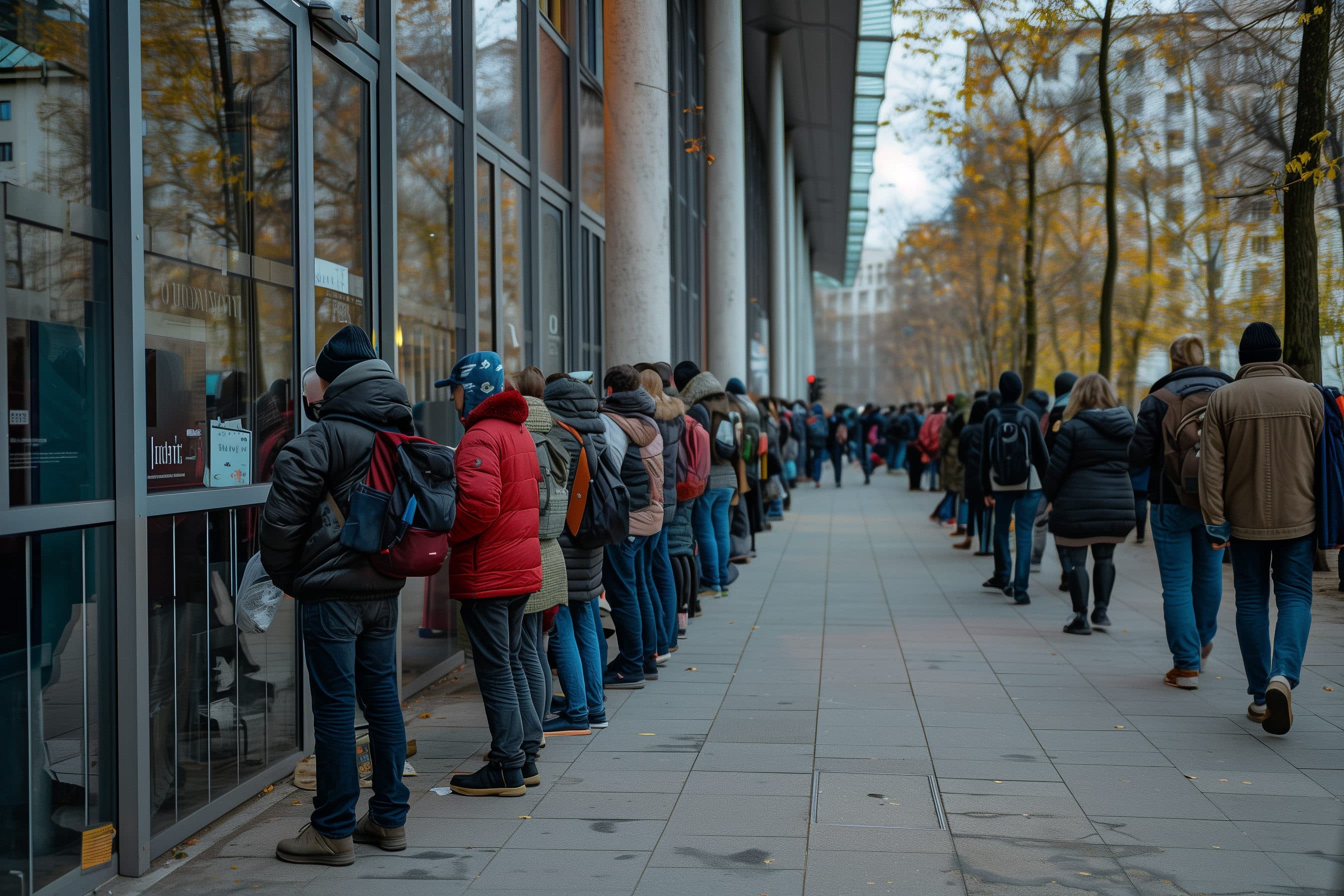
Germany is navigating through a complex landscape of migration, asylum policies, and integration strategies. Amidst growing public concern over immigration and the sustainability of social systems, the federal and local governments are implementing innovative, albeit contentious, measures aimed at managing asylum seekers' welfare and contributions to society.
The path to cannabis legalization in Germany has become a complex saga of legislative hurdles, international criticism, and a divided public opinion. The Bundestag's decision to partially legalize cannabis has sparked a nation-wide conversation, with implications reaching far beyond its borders, touching on issues of public health, justice reform, and international law.
The German government has unveiled a comprehensive plan that seeks to stabilize pension levels while addressing the demographic challenges of an aging population. Spearheaded by Finance Minister Christian Lindner (FDP) and Labour Minister Hubertus Heil (SPD), the initiative marks a significant shift towards integrating the capital market into the financing of the country's statutory pension scheme.
Germany is on the brink of a significant transformation in its approach to skilled immigration, a move set to revitalize various sectors struggling with acute labor shortages. The German government's legislative adjustments aim to streamline the process for skilled workers, especially from non-EU countries, to enter the German job market more efficiently. This comprehensive overhaul spans several critical areas, from the EU Blue Card modifications to the introduction of an opportunity card, all designed to attract a diverse pool of talent to the nation's workforce.