The German Government Has Put Forward a New Savings Plan for 2024
In an effort to tackle the significant financial challenges facing its economy, the German government has recently unveiled an ambitious savings plan for the fiscal year 2024.

 EnglishEnglishWeLiveIn.de
 DeutschWirLebenIn.de
 РусскийЖивемВ.de
 PolskiMieszkamyW.de
 УкраїнськаЖивемоВ.de
 TürkçeYasiyoruz.de
 ItalianoViviamoIn.de
 EspañolVivimosEn.de
 PortuguêsVivemosNa.de
 RomânăLocuimIn.de
 ShqipJetojmëNë.de
 LietuviųGyvename.de
 LatviešuDzivojam.de
 БългарскиЖивеемВ.de
 ΕλληνικάΖούμεστη.de
 MagyarÉlünk.de
 FrançaisLaVieEn.de
 HrvatskiŽivimoU.de
 ČeštinaŽijemeV.de
Navigate the intricacies of German legislation with Legal Insights. This authoritative source equips you with the latest legal updates, detailed analyses of legislative changes, and essential information on citizenship matters, all designed to demystify legal procedures for expatriates.
Page 7 / 8
In an effort to tackle the significant financial challenges facing its economy, the German government has recently unveiled an ambitious savings plan for the fiscal year 2024.
2024 marks a crucial year in German politics with a series of elections set to take place, shaping the future political landscape of the country. These elections, encompassing communal, European, and state levels, will be particularly significant in the eastern states, including Saxony, Thuringia, and Brandenburg.
In a significant shift of policy, the German government has recently announced a partial rollback on its proposed cuts to agricultural subsidies. This decision reflects the government's attempt to strike a delicate balance between economic necessities, environmental responsibilities, and the vocal concerns of the agricultural community.
Germany's ambitious 'Klimageld' (Climate Money) initiative, designed as a financial incentive for eco-friendly living, has been facing significant delays, raising concerns and criticisms from various quarters. This groundbreaking plan aims to redistribute revenues from the CO2 tax back to citizens, offering a direct financial reward for sustainable choices.
Germany is poised to enact a new law allowing dual citizenship. This legislative change, long-discussed and debated within the coalition government comprising the Social Democrats (SPD), the Free Democrats (FDP), and the Greens, is expected to be passed after the Bundestag returns from its Christmas break in January 2024.
In the wake of the Hessian elections, the formation of a coalition between the Christian Democratic Union (CDU) and the Social Democrats (SPD) has marked a pivotal shift in the state's political landscape. This new alliance, emerging from the CDU's resounding victory and the SPD's significant presence, heralds a transformation in policy orientation, focusing on areas ranging from social welfare and security to education and environmental concerns.
The German government, led by Chancellor Olaf Scholz, faces a significant challenge in finalizing the 2024 federal budget. A recent decision by Germany's Constitutional Court has complicated the budget process, leading to a postponement of the budget vote.
Germany's state of Saxony-Anhalt has recently introduced a contentious policy that requires all applicants for German citizenship to formally acknowledge Israel's right to exist.
Germany has announced the extension of border controls with Poland, the Czech Republic, and Switzerland until December 15. These controls, initiated in October, are part of a broader strategy to combat increasingly ruthless and brutal human smuggling activities.
The German Bundestag recently engaged in a vigorous debate over proposed changes to the country's citizenship law. On November 30, this landmark discussion marked the beginning of a potential shift in Germany's approach to dual citizenship and the integration of non-EU migrants.
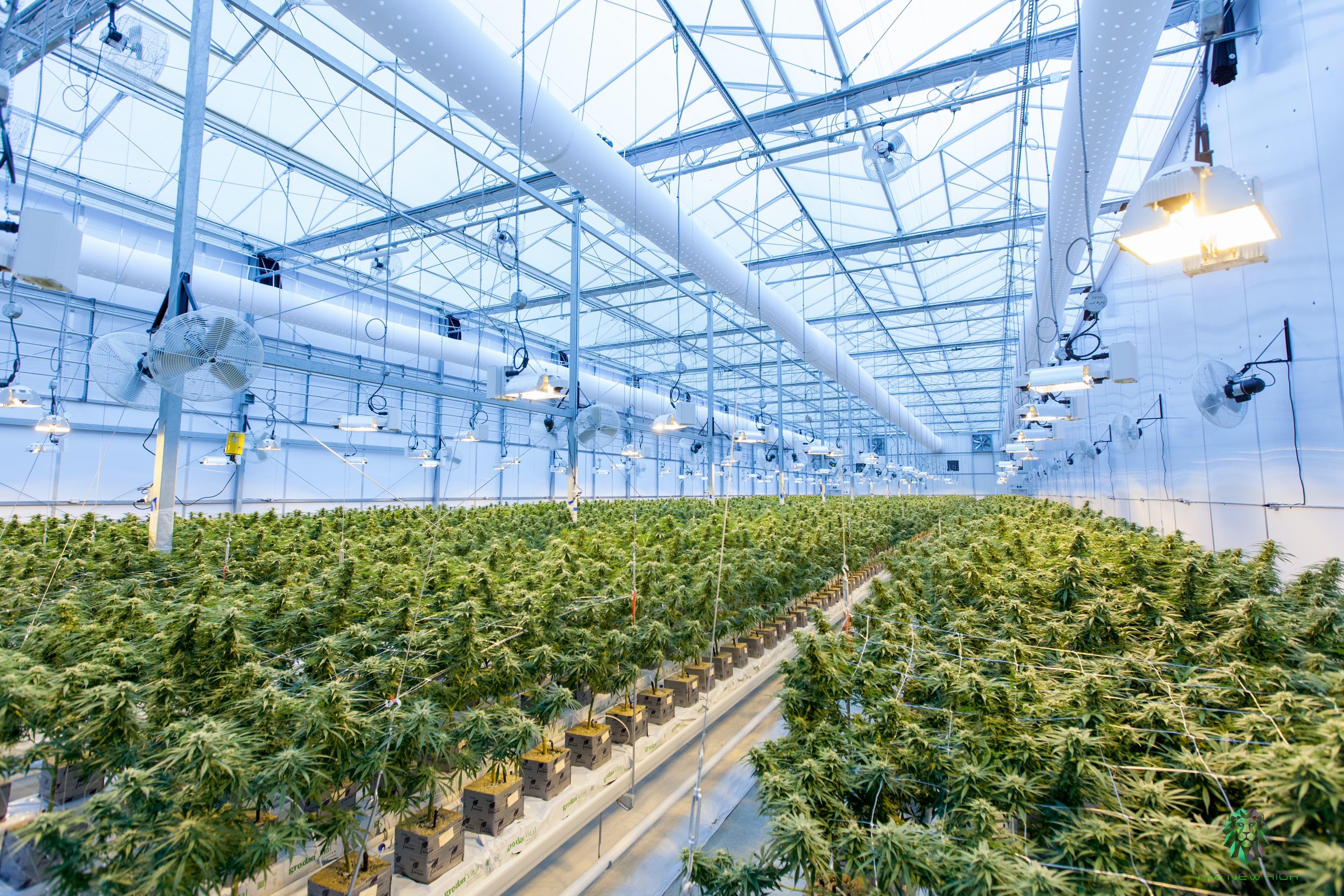
Germany's journey towards the legalization of cannabis, once anticipated to be a swift and straightforward process, has encountered multiple delays.
In a significant development impacting Germany's fiscal policy, Finance Minister Christian Lindner has announced a comprehensive freeze on the federal budget for 2023.