WeLiveIn.de

Politics

Page 14 / 14

United in Dissent: Munich's Demonstrations Echo the Populace's Concerns

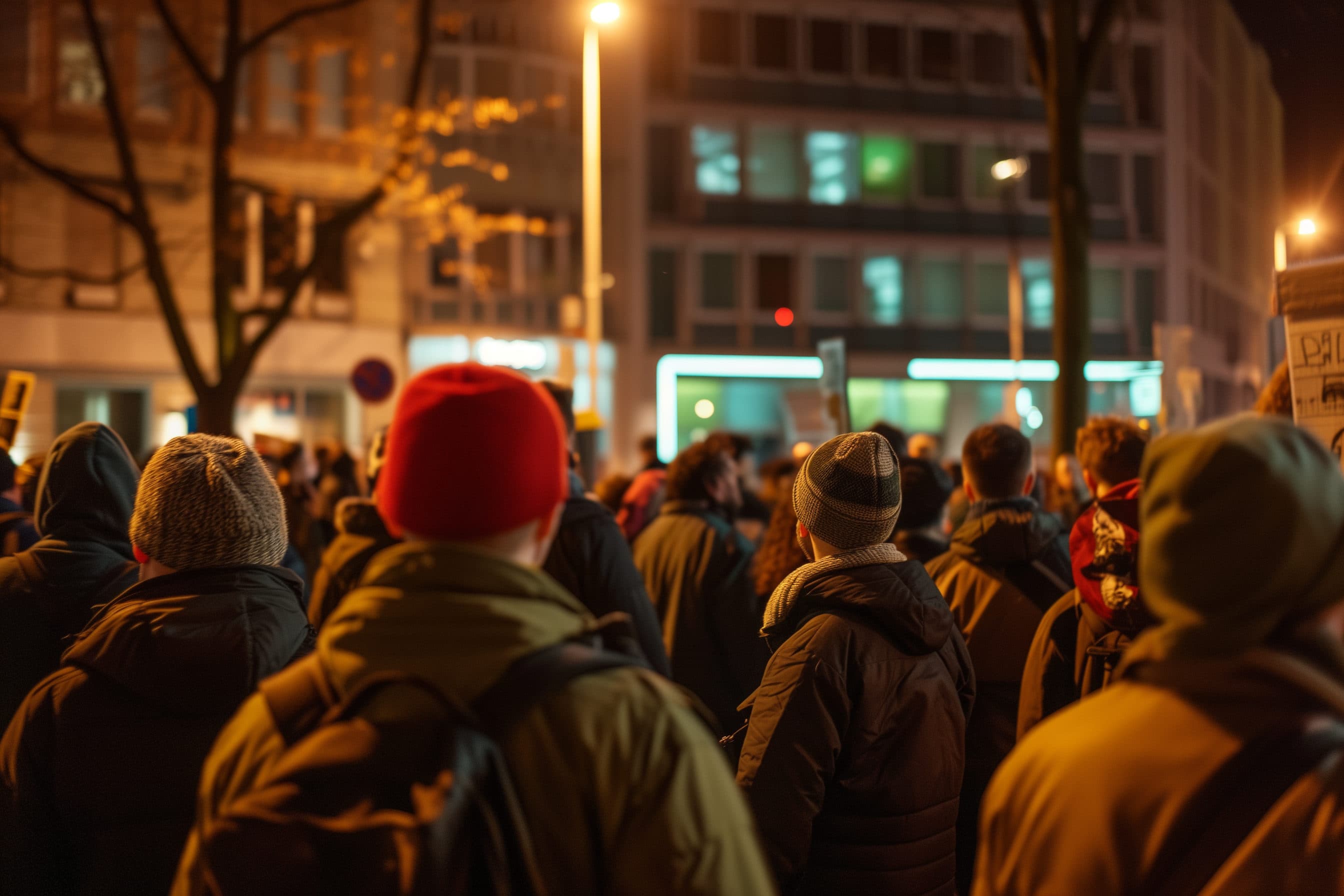
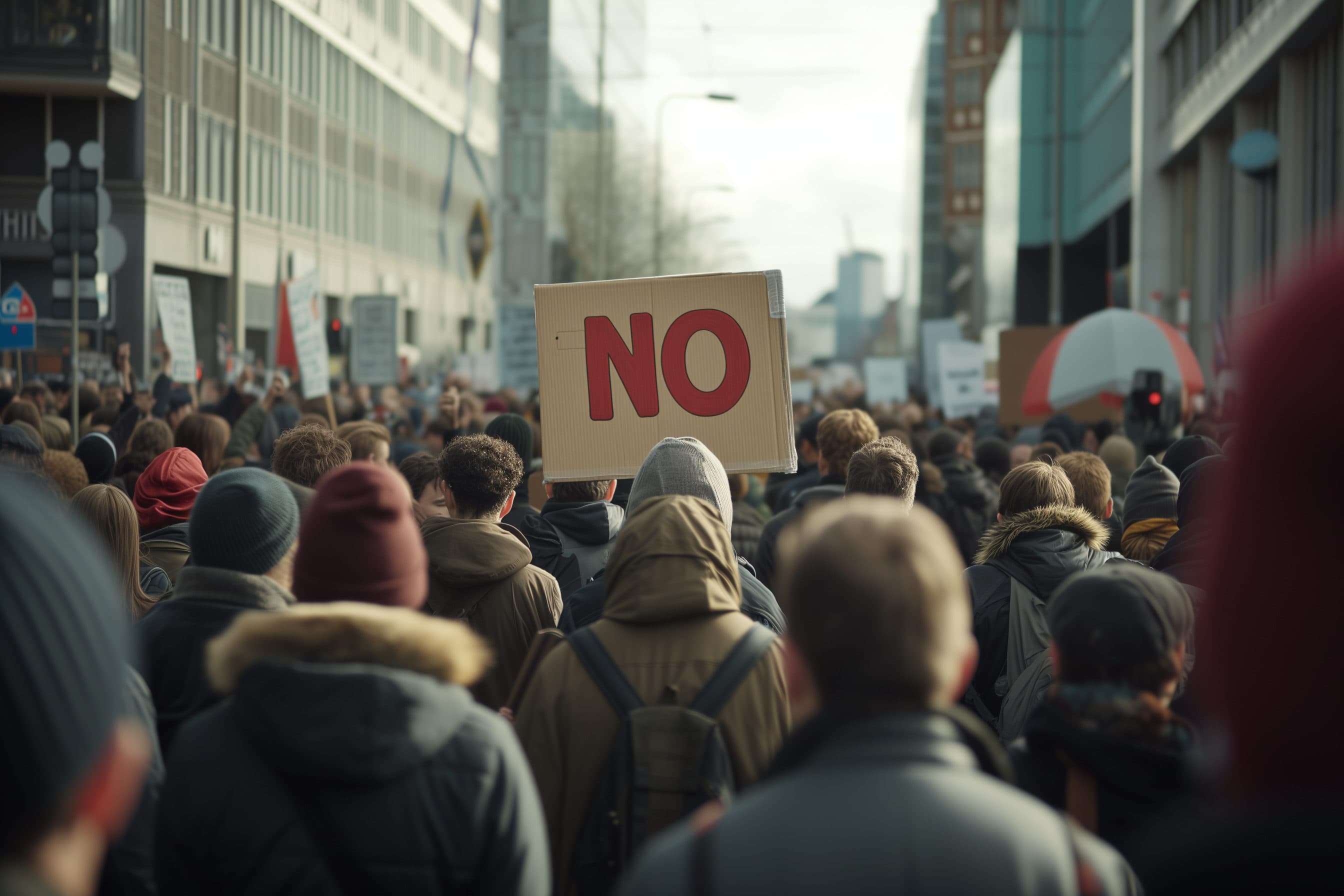
In Munich, a wave of demonstrations has swept through the city, revealing a broad spectrum of societal discontent with current government policies. The Theresienwiese, historically known for hosting the world-famous Oktoberfest, transformed into a groundswell of public expression as thousands gathered under the banner "Hand in Hand für unser Land" (Hand in Hand for Our Country).

Germany's Political Landscape Amidst Rising Protests and EU Elections Concerns

Germany is currently witnessing a significant political shift, marked by widespread protests against the far-right Alternative for Germany (AfD) party and crucial discussions on the future of the European Union (EU). This period of political activism and debate highlights the country's commitment to democracy and a unified Europe, while also exposing the challenges posed by extremist ideologies.

Nationwide Demonstrations Advocate for Democracy and Against Extremism

Over recent weekends, Germany has witnessed an unprecedented wave of demonstrations, bringing citizens together in a collective stand against right-wing extremism and for the preservation of democracy. From major cities like Düsseldorf and Berlin to smaller towns across the country, hundreds of thousands have taken to the streets, marking a significant moment in the nation's contemporary social movement.

Bündnis Sahra Wagenknecht: A New Political Force in Germany Aims to Reshape Policy Landscape

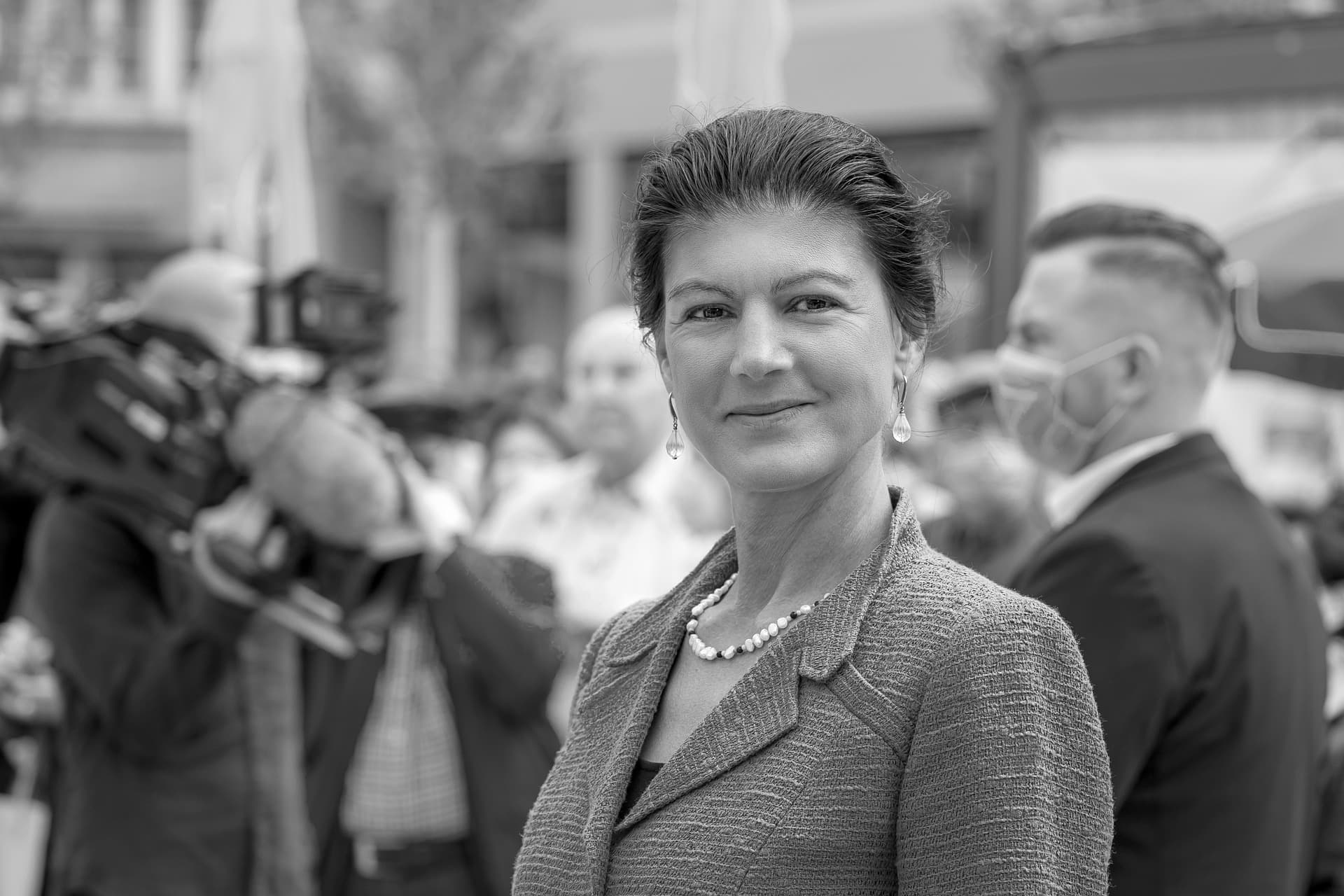
Sahra Wagenknecht, a former Left Party politician, has inaugurated a new party, "Bündnis Sahra Wagenknecht," setting the stage for the 2024 elections with a stark critique of the current government coalition, dubbed the "Ampel" (traffic light coalition). At its inaugural party congress in Berlin, Wagenknecht lambasted the coalition as "Europe's dumbest government," voicing a robust challenge to the status quo and inviting all disillusioned Germans to join her movement.

The AfD Controversy and Debate on Party Ban

Germany is currently engaged in a nationwide debate concerning the right-wing political party, Alternative für Deutschland (AfD). Recent investigations and public discussions have intensified scrutiny of the party’s activities and affiliations, raising questions about a potential party ban.

The Rise and Rise of the AfD: A New Concern

In recent years, Germany has witnessed the significant rise of the Alternative for Germany (AfD), a far-right political party. Gaining momentum in local, state, and European Parliament elections, particularly in eastern Germany, the AfD's increasing influence has become a source of growing concern among political scientists, Holocaust survivors, and the general public.

Massive Protests in Germany: United Stand Against Right-Wing Extremism

Germany witnessed a remarkable demonstration of democratic spirit as tens of thousands rallied in various cities, predominantly in Potsdam and Berlin, to protest against right-wing extremism. These gatherings, sparked by alarming reports of a covert meeting involving right-wing radicals and AfD politicians discussing mass deportation plans, have evoked a strong response nationwide.

SPD Urges Rapid Reform of the "Debt Brake"

The SPD (Social Democratic Party of Germany) is intensifying its call for a swift reform of Germany's "debt brake" policy, stressing the need for economic flexibility to support future generations and sustain economic growth. The current rigid rules of the debt brake are being challenged as a risk to prosperity, limiting the country's ability to make crucial future investments.

CSU Member Advocates for Stricter Penalties Against Antisemitism

Josef Schuster, President of the Central Council of Jews in Germany, has called for stricter punishments for antisemitic acts. This stance was strongly voiced at the CSU (Christian Social Union) parliamentary group's retreat at Kloster Seeon. Schuster emphasized the importance of deterrence alongside education in combating antisemitism.

Angry Farmers Block Vice Chancellor Robert Habeck from Exiting his Ferry

Late on Thursday, German Deputy Chancellor Robert Habeck and his wife found themselves at the center of a heated protest. As they returned from a private vacation, they were unexpectedly held up for several hours by a blockade of 250 to 300 farmers at the Schlüttsiel port. The farmers' action prevented the ferry, carrying the couple, from docking and disembarking its passengers.