WeLiveIn.de

What's Happening in Germany

Stay informed about the latest events and developments in Germany. This category provides up-to-date coverage on national news, regional happenings, policy changes, and significant announcements that affect life in Germany.

Page 25 / 35

Germany Embraces Spring's Early Arrival

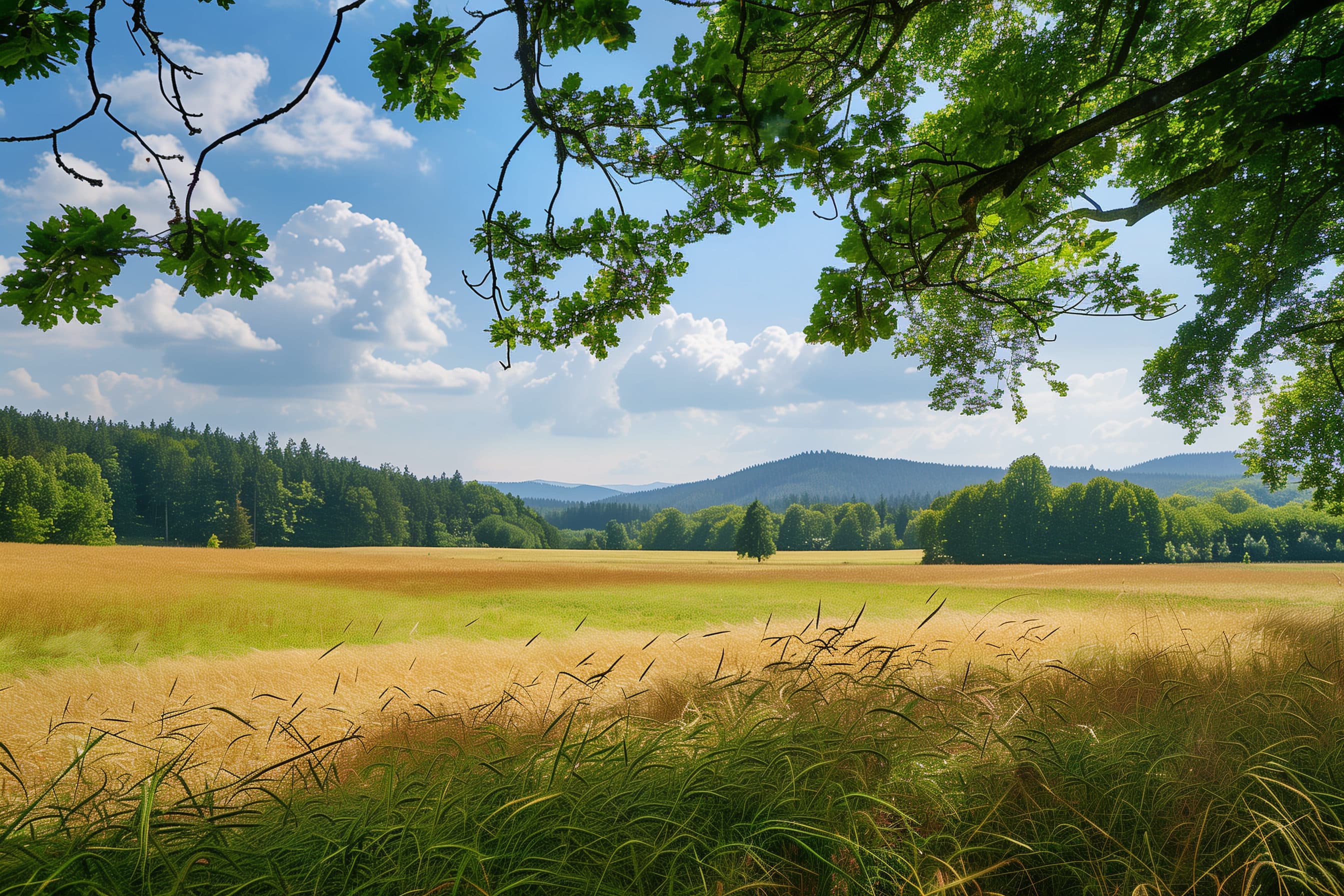
As Germany basks in unusually warm and sunny weather, the early onset of spring has sparked both delight and environmental concerns among its residents. February's record-breaking temperatures have given way to a March that continues to defy seasonal expectations, setting the stage for a broader discussion on climate change and its palpable impacts.
Rethinking Coal: Germany's Energy Transition Dilemma

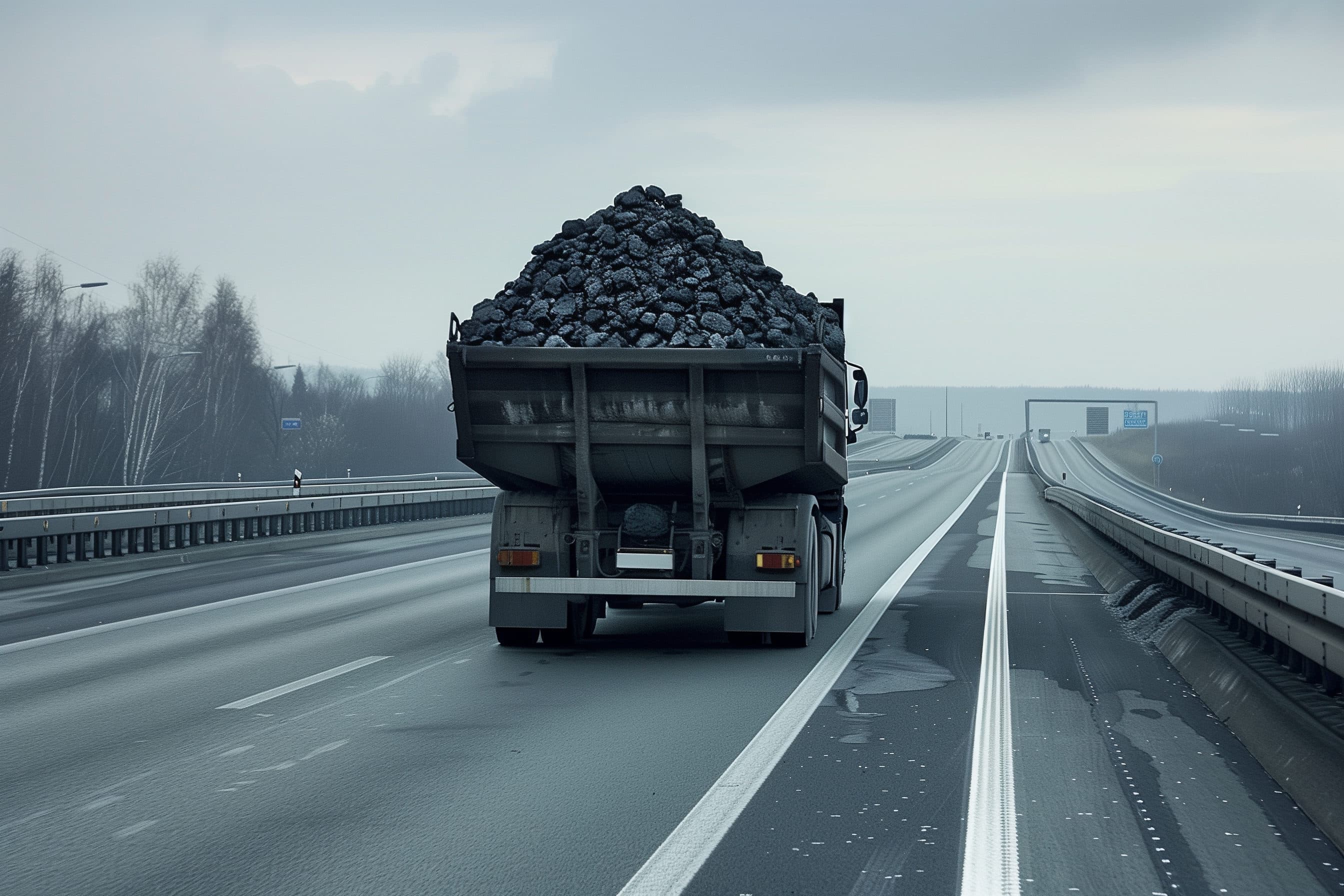
Germany stands at a crucial juncture in its ambitious journey towards a sustainable and environmentally friendly energy future. The debate over accelerating the coal phase-out to 2030 reflects a nation grappling with the realities of energy security, economic competitiveness, and climate commitments. As the global community watches, Germany's path forward is a litmus test for balancing ecological imperatives with practical policy-making.

Changes in German Education Funding: BAföG Reform Set to Transform Student Support

The German government has reached a consensus on a transformative BAföG (Federal Training Assistance Act) reform, slated for implementation in the winter semester of 2024/25. This reform, as announced by Federal Education Minister Bettina Stark-Watzinger, marks a significant shift in the government's approach to supporting students. It promises to modernize and adapt the financial aid system to better meet the needs of today's students, fulfilling a key legislative promise.

Weidel Defends AfD's Stance in Letter to Le Pen Amid Controversy

Alice Weidel, leader of the Alternative for Germany (AfD) party, has found herself at the center of a political storm following a series of events that have raised eyebrows across Europe. In an effort to clarify her party's positions, particularly on the contentious issue of "Remigration," Weidel reached out to Marine Le Pen, the French National Rally's frontwoman. This move comes after a tumultuous period marked by a secretive gathering in Potsdam, which has since cast a long shadow over the AfD's relationships with its European allies.

Germany's Battle with Bureaucratic Growth

Over the last decade, Germany has witnessed a significant rise in bureaucratic complexity, with an increase in both federal laws and individual regulations. This surge is evident from the statistics released by the German government, which reveal a jump from 1,671 laws and 44,216 individual norms in 2014 to 1,792 laws encompassing 52,155 norms by the start of this year. This growing thicket of regulations extends beyond laws passed by the Bundestag to include executive orders detailing the minutiae of governance, marking a noticeable escalation in bureaucratic density.

German TV Licence Fee Set for Increase Amidst Reform Debates

Germany's Rundfunkbeitrag, the mandatory TV and radio licence fee, is slated for a 58-cent monthly increase starting in 2025. This adjustment, announced by the Commission to Determine the Financial Requirements of Broadcasters (KEF), raises the fee to €18.94 per household each month. This change aims to secure funding for Germany's extensive public broadcasting network, which encompasses 17 television channels and 64 radio stations nationwide, alongside social media platforms. Despite the increase, KEF underscores that the new rate remains below the national inflation rate of +2.9 percent.

Adapting Amid Adversity: The Ukrainian Community in Germany

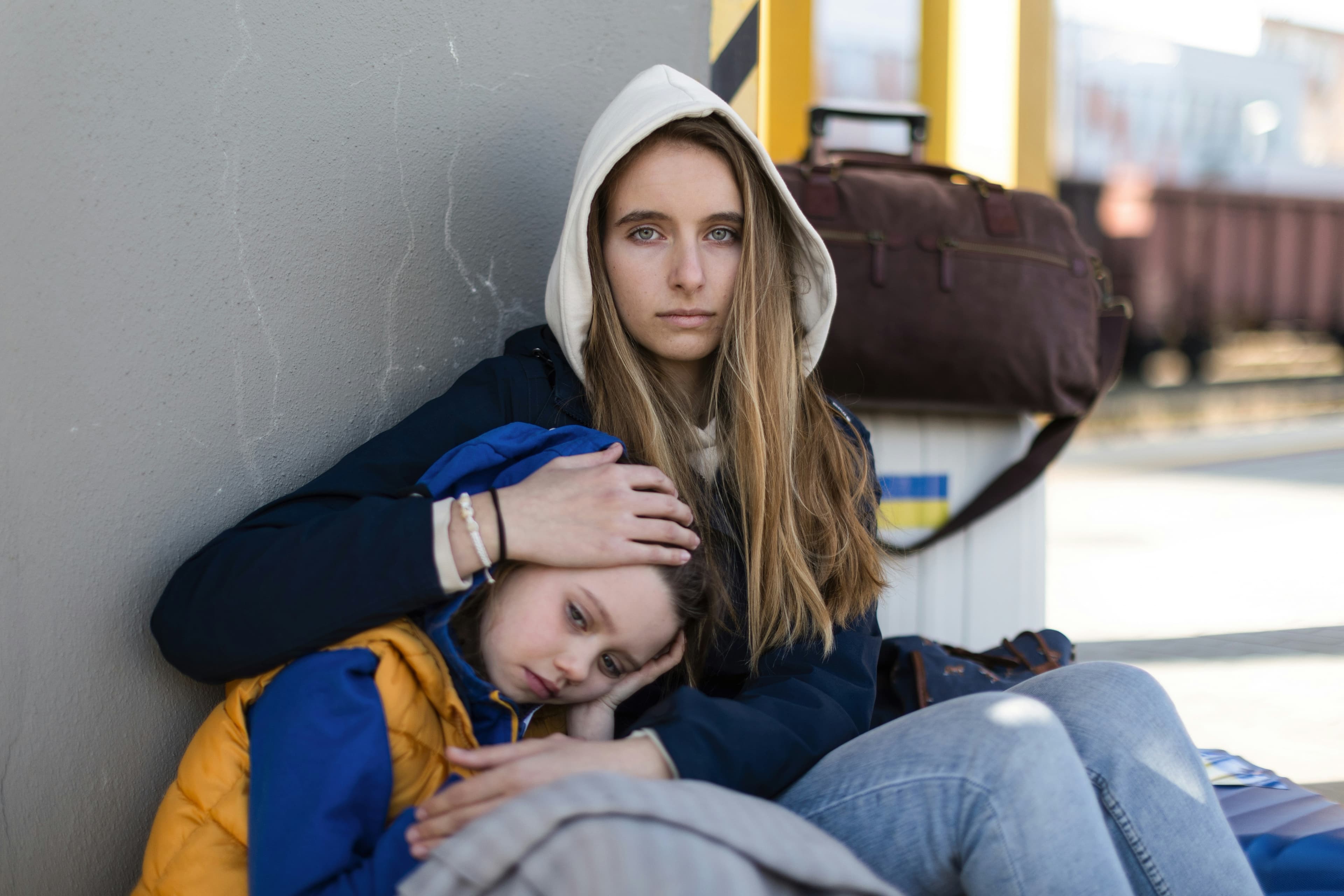
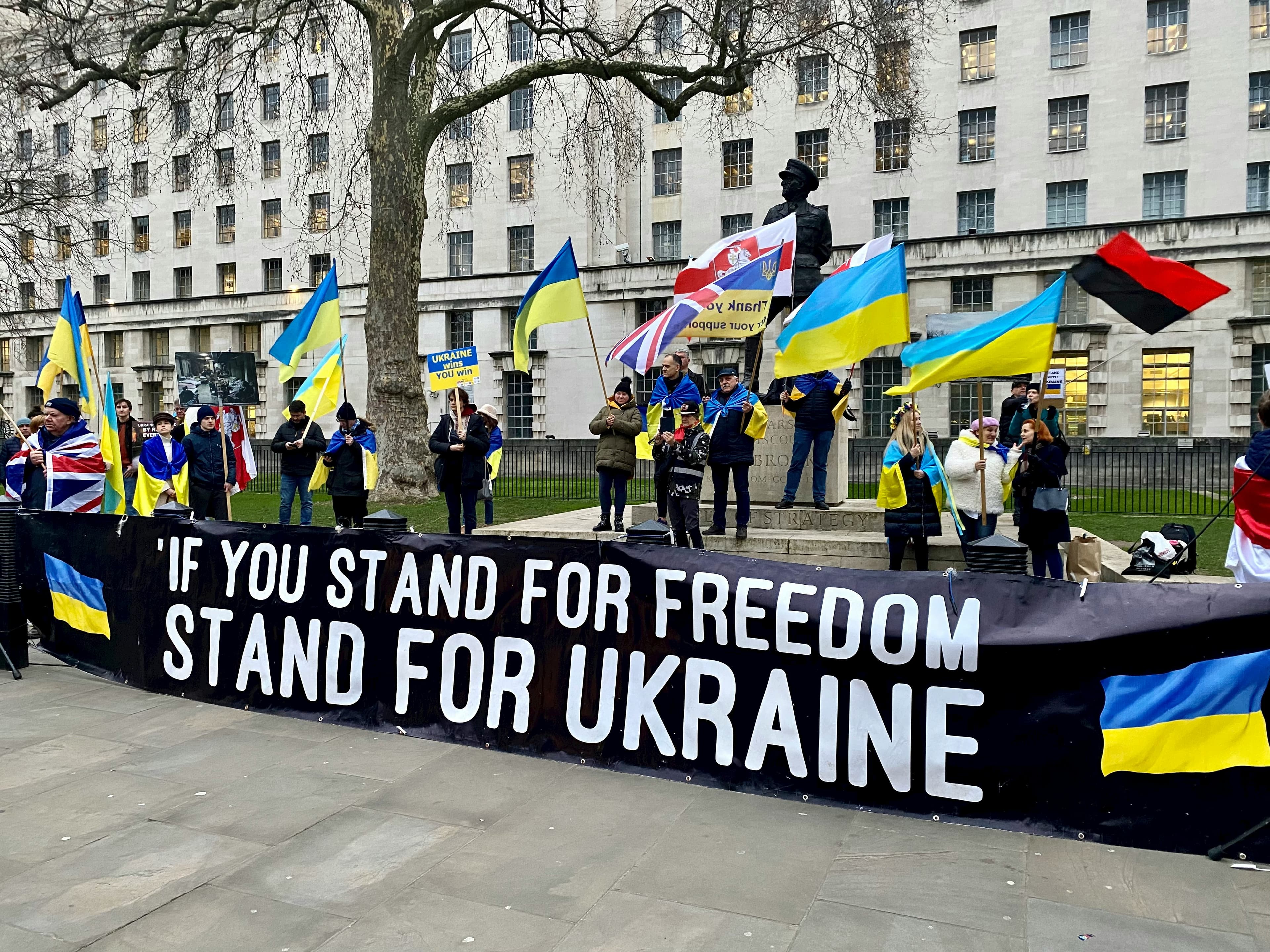
In the wake of the tumultuous events following Russia's invasion of Ukraine, Germany has become a sanctuary for hundreds of thousands of Ukrainian refugees seeking safety and stability. This exodus has brought about significant challenges, both for the newcomers trying to rebuild their lives and for the host communities striving to accommodate them. The stories of adaptation, resilience, and the ongoing struggle for normalcy paint a vivid picture of the current state of affairs.

United Against the Far-Right: Germany's Catholic Church Takes a Stand

The Catholic Church in Germany has issued a strong condemnation of the rise of far-right extremism and ethnic nationalism within the country. This bold stance was articulated during a conference in Augsburg, where Catholic bishops collectively voiced their concerns and explicitly addressed the challenges posed by such ideologies to societal cohesion and the foundational values of Christianity.

Germany's Ukrainian Community: Resilience Amid New Beginnings

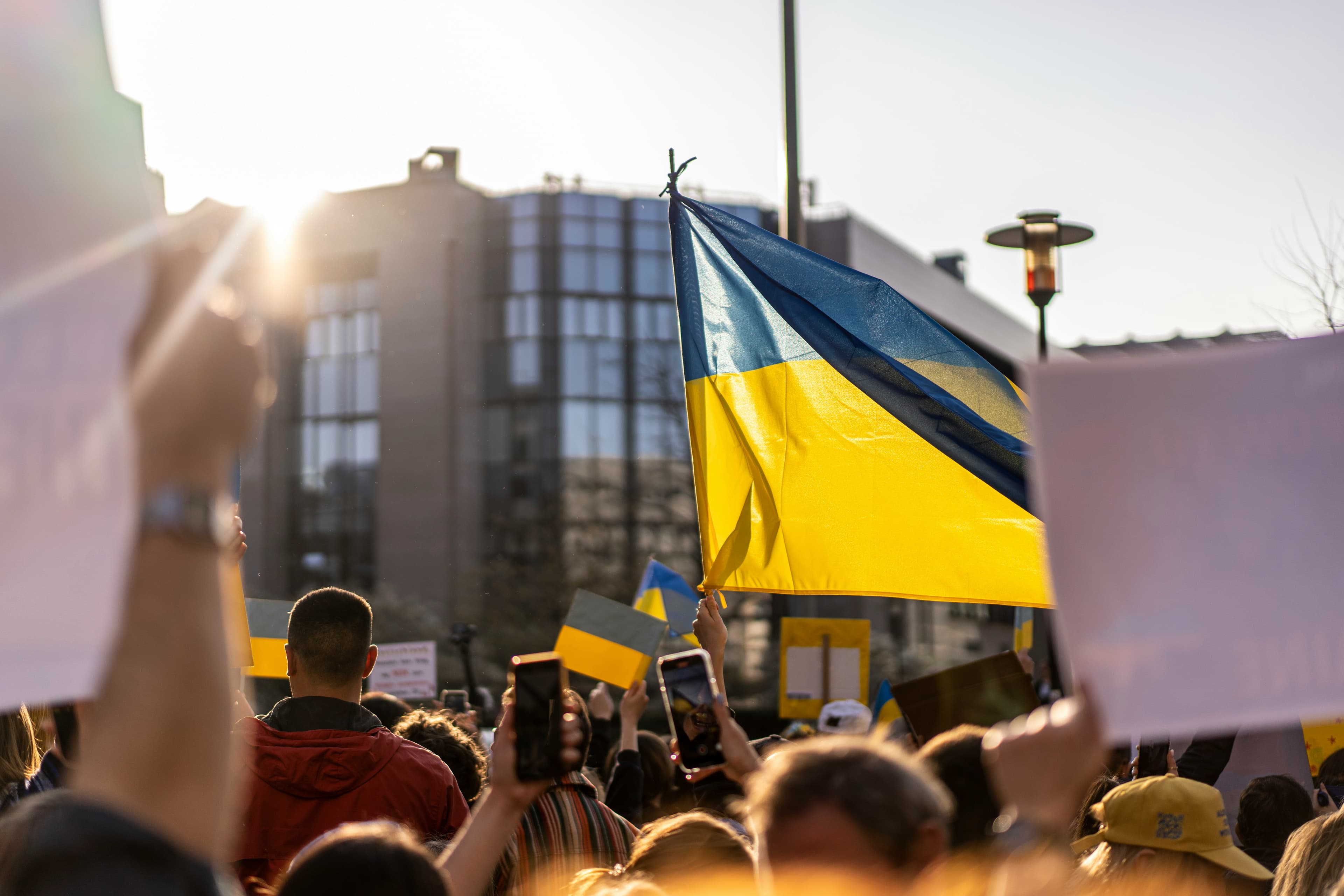
In the heart of Berlin, the Ukrainian community, comprising thousands of refugees, navigates the complexities of a new life while staying deeply connected to their homeland, currently engulfed in war. This vibrant community's resilience is a testament to their unyielding spirit, as they balance between integrating into German society and supporting their compatriots back home.

Germany Finally Legalizes Private Cannabis Growing and Use from the 1st of April

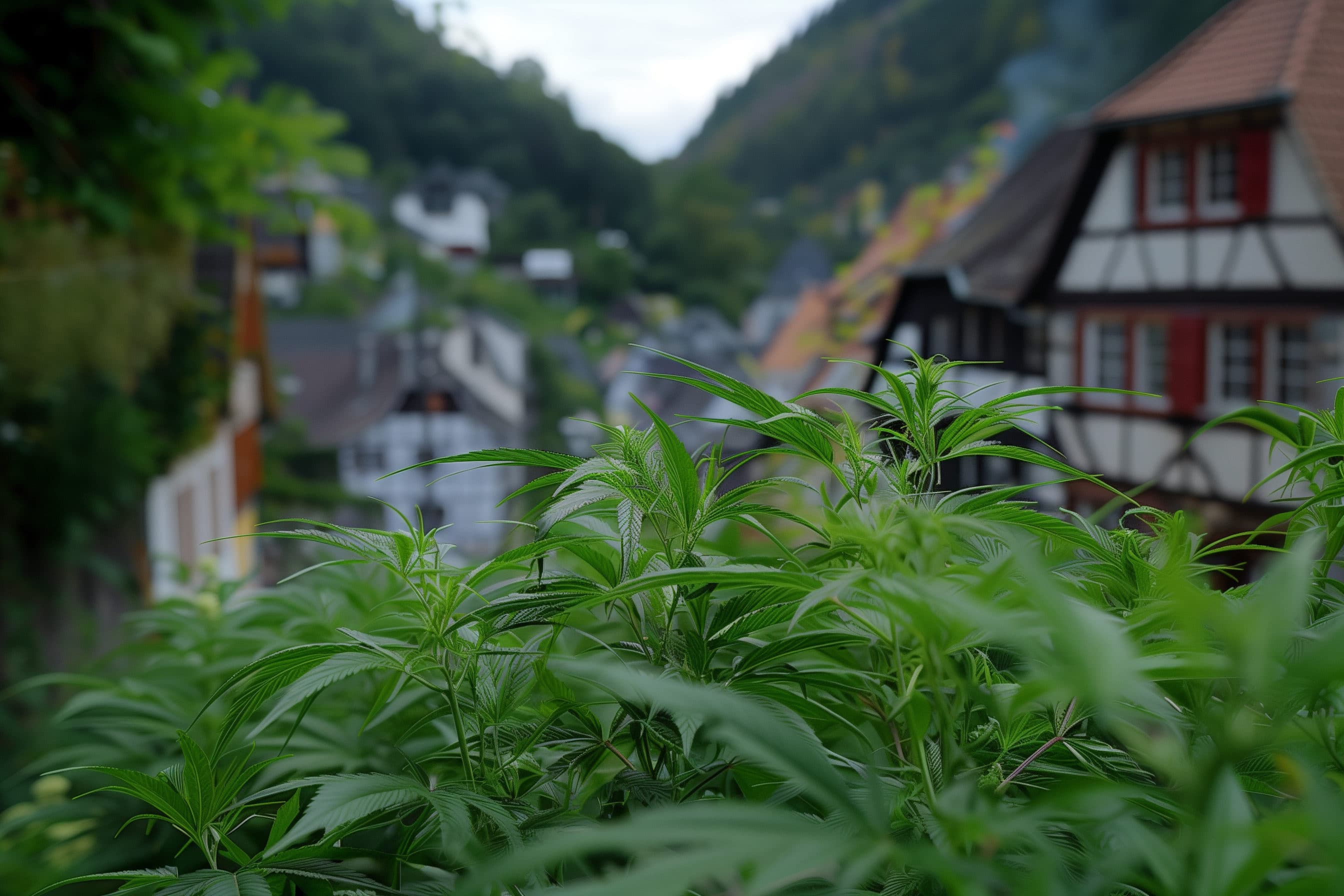
Germany has embarked on a pivotal reform in its drug policy, marking a significant shift towards the legalization of cannabis for personal use. This legislative move positions Germany as a forerunner in Europe, aligning it with Malta and Luxembourg in the progressive approach to cannabis consumption and cultivation. The decision, which has sparked both acclaim and debate, outlines a new framework for the use, possession, and cultivation of cannabis, aiming to regulate and control its market within the country.

Dispute Over Constitutional Court Reform Stalls in Germany

Recent talks aimed at bolstering the Bundesverfassungsgericht (Federal Constitutional Court) have come to an abrupt halt. The discussions, initially open between the governing Ampel coalition (comprising the SPD, FDP, and Greens) and the opposition Union bloc (CDU/CSU), sought to amend the Grundgesetz (Basic Law) to enhance the court's protection against political influence, especially in light of the rising power of extremist parties.

A Shift in Ukrainian Immigration to Germany

Germany has witnessed a significant fluctuation in the number of Ukrainian immigrants, reflecting the broader geopolitical shifts and challenges faced by individuals fleeing conflict zones. The statistics reveal a notable decrease in the migration flow from Ukraine to Germany, with a marked drop in numbers from the peak observed in 2022 to a more stabilized figure in 2023. This change underscores the evolving nature of migration patterns and the impact of ongoing conflicts on displacement and resettlement.