WeLiveIn.de

Cost of Living

Your gauge on affordability and economic trends in Germany. Our in-depth coverage provides comparative analysis of living expenses, expert budgeting advice, and the latest fluctuations in the cost of living, empowering you with the knowledge to navigate Germany’s economic environment.

Page 6 / 7

Germany's Bürgergeld Reform: Unemployment Wave Fears Completely Unfounded

The introduction of Germany's new Citizen Income (Bürgergeld) has not led to the mass resignations feared by some political factions. This reform, replacing the former Hartz IV system, aimed to provide a more humane and supportive social welfare system for those in need. Despite concerns from the Christian Democratic Union (CDU) and the Free Democratic Party (FDP) about potential negative impacts on the labor market, the data tells a different story, indicating a positive shift towards employment stability and social security.


Berlin's Housing Challenge: Demand Outstrips Supply

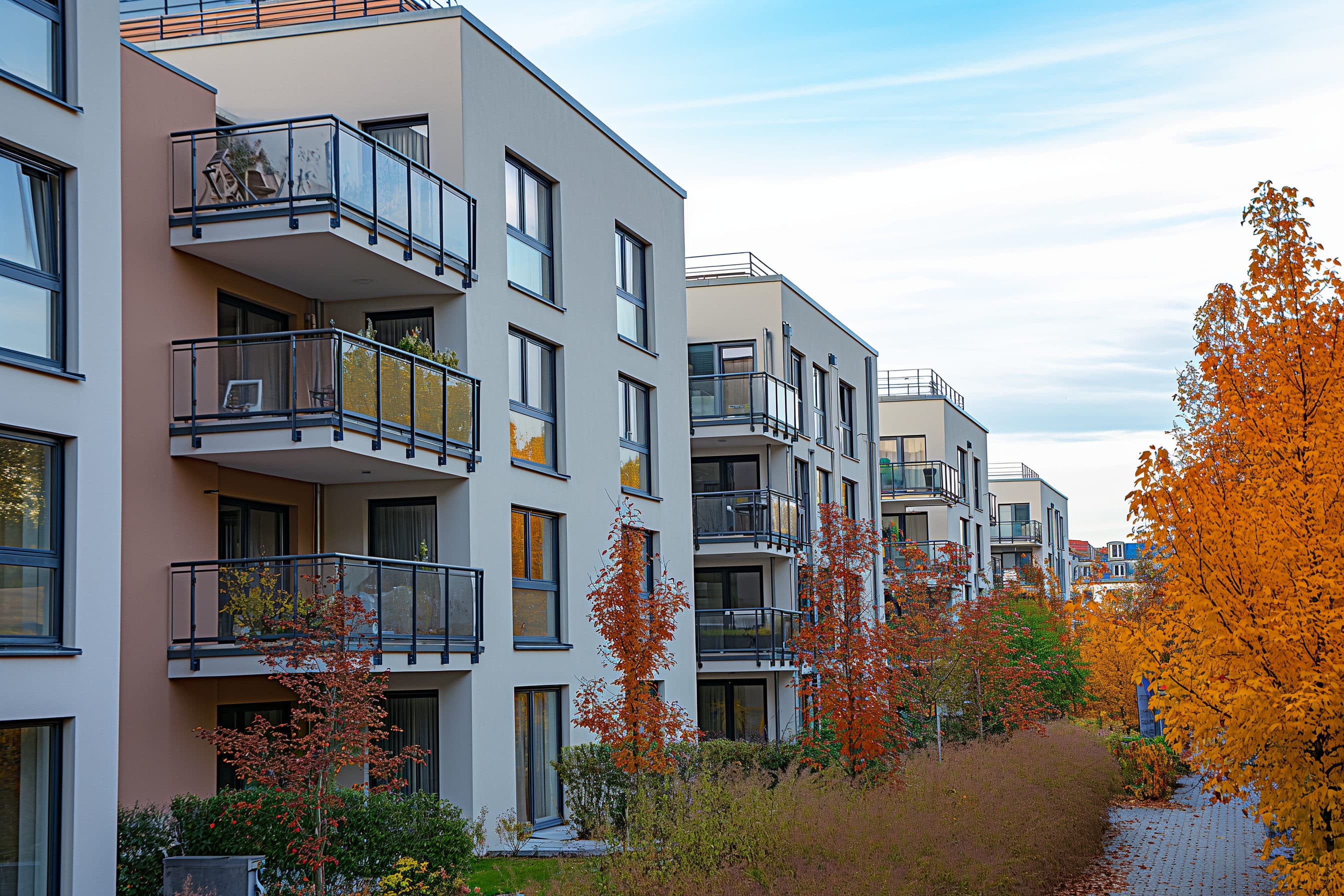
Berlin faces a significant challenge in meeting the housing needs of its growing population. Despite the approval of approximately 15,900 new housing units in 2023, a decrease from the previous year, the city continues to experience a shortage, driving up rental prices across many districts. This scarcity of new constructions has resulted in considerable rent increases, especially in central areas like Berlin-Mitte, where rents surged by over 13% in a year. The demand for housing not only affects rental markets but also the availability and cost of property ownership, with noticeable dips in the prices for both existing and newly built properties.

German TV Licence Fee Set for Increase Amidst Reform Debates

Germany's Rundfunkbeitrag, the mandatory TV and radio licence fee, is slated for a 58-cent monthly increase starting in 2025. This adjustment, announced by the Commission to Determine the Financial Requirements of Broadcasters (KEF), raises the fee to €18.94 per household each month. This change aims to secure funding for Germany's extensive public broadcasting network, which encompasses 17 television channels and 64 radio stations nationwide, alongside social media platforms. Despite the increase, KEF underscores that the new rate remains below the national inflation rate of +2.9 percent.

Germany's Economic Struggles and Social Fatigue

As Germany goes through a period marked by significant geopolitical and economic upheavals, the impacts on its society and economy have been profound and multifaceted. The nation stands at a crossroads, grappling with the challenges posed by the Russian aggression against Ukraine, a looming economic downturn, and a weary population drained by consecutive crises.

Berlin's Bold Move Against Illegal Holiday Rentals

Berlin's approach to tackling the scarcity of affordable housing has taken a decisive turn with the recent ruling by the Upper Administrative Court for Berlin-Brandenburg (OVG). This landmark decision marks a pivotal moment in the city's ongoing struggle with illegal holiday rentals, such as those found on Airbnb and similar platforms, offering a glimmer of hope to those in dire need of long-term housing solutions.

Housing Crisis Deepens in Germany: A Call for Action Amidst Dire Shortages

Germany faces an acute housing crisis, with the shortfall in new constructions deepening concerns across the nation. Experts from the real estate sector, known as the "Immobilienweisen," have highlighted a stark deviation from the federal government's housing construction targets, foreseeing a grim future where the crisis exacerbates. Initially aiming for 400,000 new housing completions annually, the current trajectory is alarmingly set towards only 150,000, a sharp decline from the estimated 270,000 projects completed in 2023.

Historic Downturn in Germany's Real Estate Market: Are Apartments Finally Becoming Affordable?

Germany's real estate market has experienced its most significant price reduction in over sixty years, marking a historic downturn in the housing sector. According to the Kiel Institute for the World Economy (IfW), 2023 witnessed a sharp decline in property values, with condominiums dropping by 8.9%, single-family homes by 11.3%, and multi-family houses seeing a staggering 20.1% decrease.

German Inflation Rate Dips to 2.9% in January 2024

Germany's inflation rate has seen a notable decline, reaching its lowest level since June 2021. According to provisional figures released by the Federal Statistical Office (Destatis), the inflation rate stood at 2.9 percent in January 2024. This significant decrease from the previous year's rate of 8.7 percent marks a pivotal moment for Europe's largest economy, reflecting the impact of various economic measures and global market trends.

Is Eastern Germany Really Catching Up?

A recent study conducted by the Friedrich Schiller University Jena reveals intriguing insights into the sentiments of Germans, particularly contrasting the experiences and views of residents from the eastern and western parts of the country. Despite significant efforts to level the quality of life across the nation, a notable proportion of East Germans report feeling marginalized, a sentiment that has broader implications for their views on democracy and populism.

Germany Pushes for Universal Free School Meals

A recent initiative proposed by Germany's Bürgerrat (Citizens' Council) aims to significantly transform child nutrition across the country. The council, comprising 160 randomly selected participants, deliberated on various aspects of nutrition and presented their recommendations to Bundestagspräsidentin Bärbel Bas (SPD).

"Fuel-Tourism" at the German-Polish Border amid Rising Fuel Prices

Recent developments at the German-Polish border and changes in fuel prices have created a unique set of challenges for residents and travelers in the region. The re-introduction of stationary border controls and an increase in CO2 taxes are impacting daily life, particularly in the Frankfurt (Oder)/Slubice area.

Germany's 'Klimageld' Initiative: A Promise Delayed

Germany's ambitious 'Klimageld' (Climate Money) initiative, designed as a financial incentive for eco-friendly living, has been facing significant delays, raising concerns and criticisms from various quarters. This groundbreaking plan aims to redistribute revenues from the CO2 tax back to citizens, offering a direct financial reward for sustainable choices.