Germany Housing Squeeze Deepens
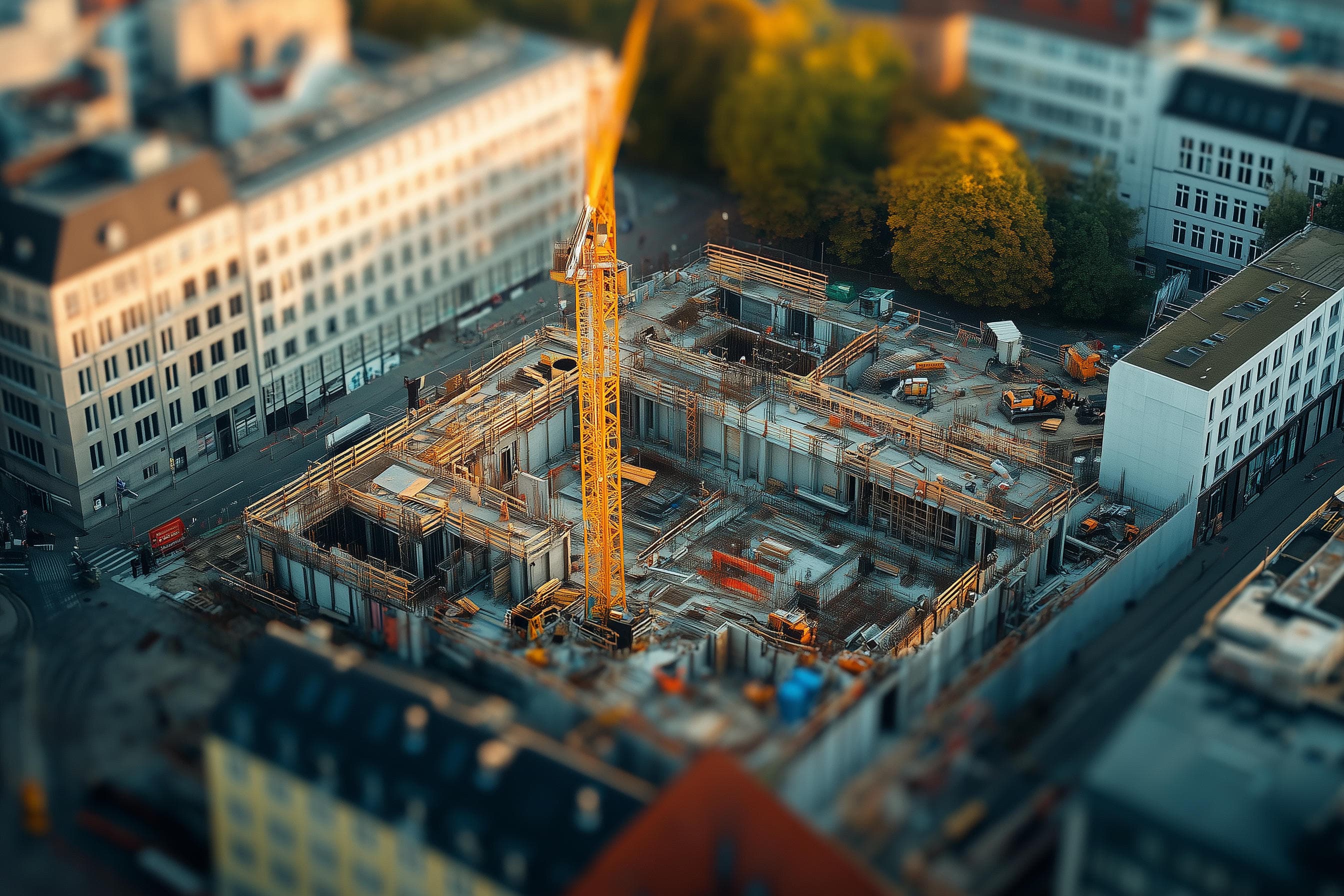
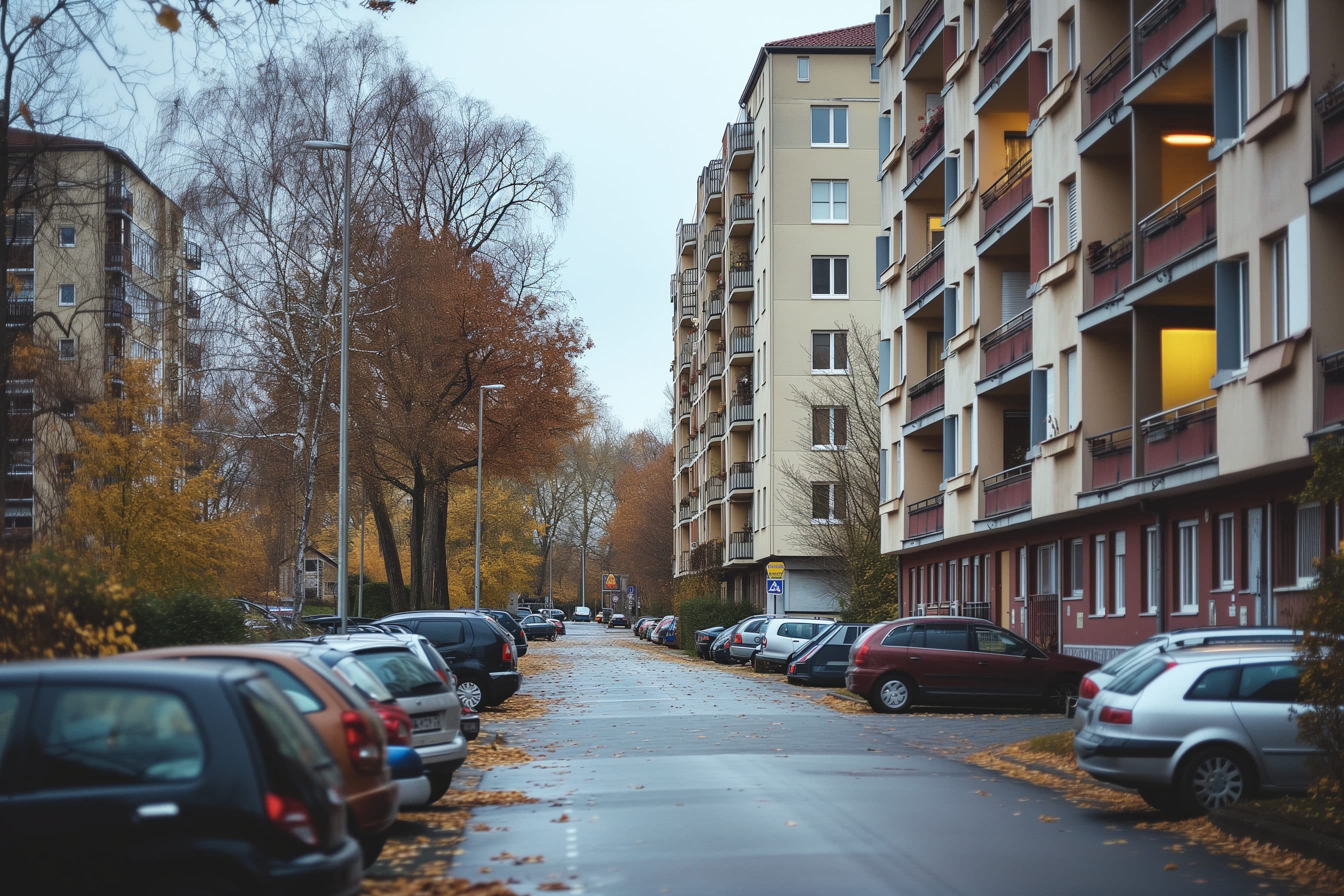
Falling construction output and soaring big-city rents are deepening Germany's housing shortage.

 EnglishEnglishWeLiveIn.de
 DeutschWirLebenIn.de
 РусскийЖивемВ.de
 PolskiMieszkamyW.de
 УкраїнськаЖивемоВ.de
 TürkçeYasiyoruz.de
 ItalianoViviamoIn.de
 EspañolVivimosEn.de
 PortuguêsVivemosNa.de
 RomânăLocuimIn.de
 ShqipJetojmëNë.de
 LietuviųGyvename.de
 LatviešuDzivojam.de
 БългарскиЖивеемВ.de
 ΕλληνικάΖούμεστη.de
 MagyarÉlünk.de
 FrançaisLaVieEn.de
 HrvatskiŽivimoU.de
 ČeštinaŽijemeV.de
Get insights into the German real estate market. Whether you're renting or buying, find comprehensive guides on housing options, utility setups, and tenancy rights to make your house feel like a home.
Falling construction output and soaring big-city rents are deepening Germany's housing shortage.
With federal elections approaching, Germany's coalition government is under pressure over housing costs and spending.
Chancellor Scholz addressed Germany's housing shortage in Berlin, linking it to migration pressures and stalled legislative reforms.
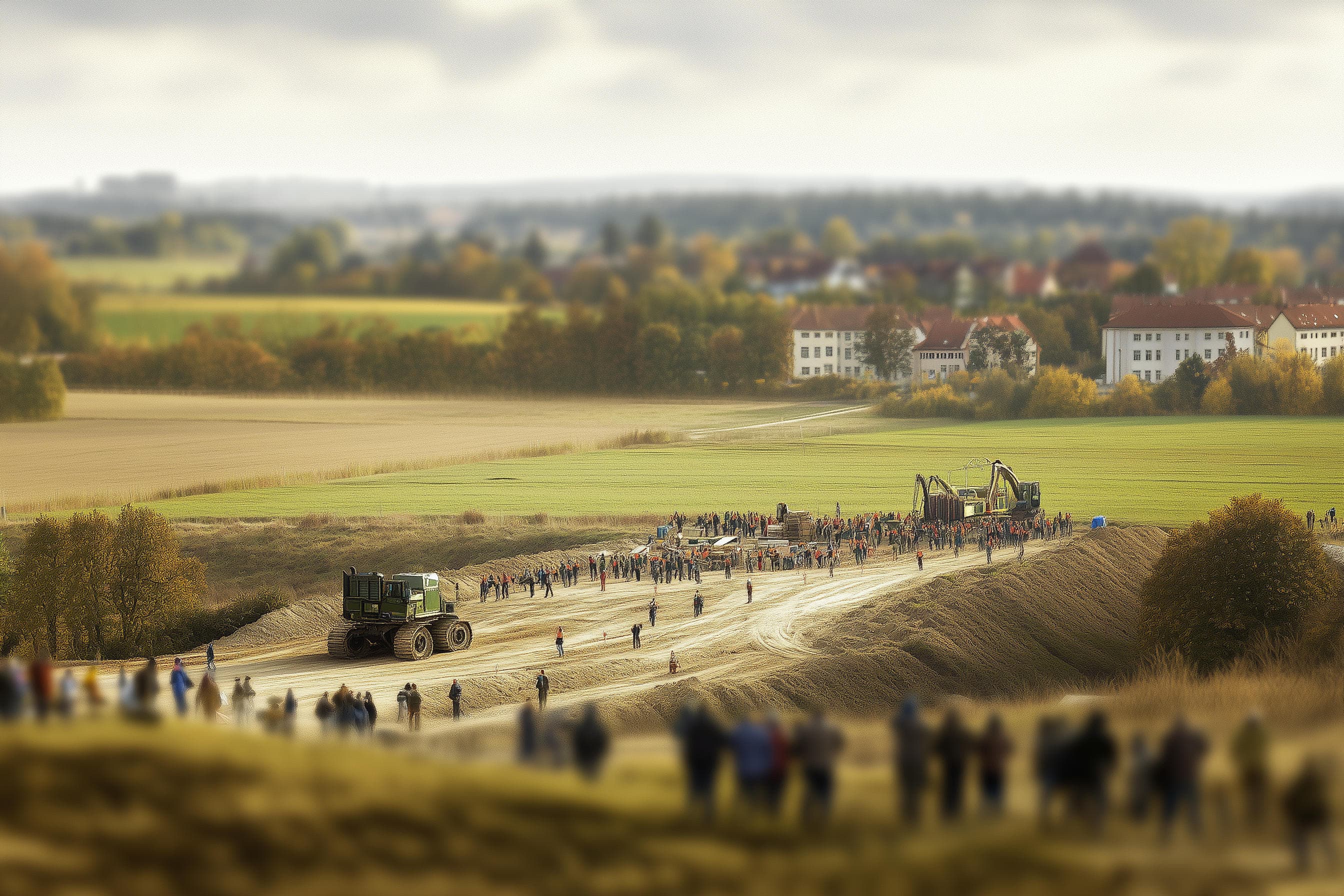
Dusseldorf is grappling with a serious housing shortage while residents protest new development plans.
Germany's real estate market has experienced its most significant price reduction in over sixty years, marking a historic downturn in the housing sector. According to the Kiel Institute for the World Economy (IfW), 2023 witnessed a sharp decline in property values, with condominiums dropping by 8.9%, single-family homes by 11.3%, and multi-family houses seeing a staggering 20.1% decrease.
Germany faces a critical shortage in social housing, an issue that has been magnified by the country's current economic landscape. Despite the government's commitment to creating 400,000 new homes annually, this target has been elusive, particularly in the social housing sector. Federal Construction Minister Klara Geywitz acknowledges this gap, citing the challenging conditions in the construction industry and the need for modernization in various sectors, including heating and digitalization.
Finding suitable accommodation in Germany can be challenging, especially for new arrivals or those seeking short-term or transitional housing. Temporary housing solutions offer flexibility and convenience, catering to a variety of needs, from students to professionals on short-term assignments.
Finding affordable housing can be a challenge, particularly in larger cities and metropolitan areas of Germany. Recognizing this, the German government and various local entities offer housing benefits and support programs to assist residents, especially those on lower incomes, students, or families.
Securing home insurance is an important aspect of living in Germany, offering peace of mind and protection against a range of risks. Home insurance, known as 'Hausratversicherung' in German, covers personal property in the event of theft, damage, or loss due to various causes.
The landscape of tenant rights and responsibilities is a crucial aspect of renting in Germany. German law offers substantial protections to tenants, ensuring a balance between the rights and obligations of tenants and landlords.
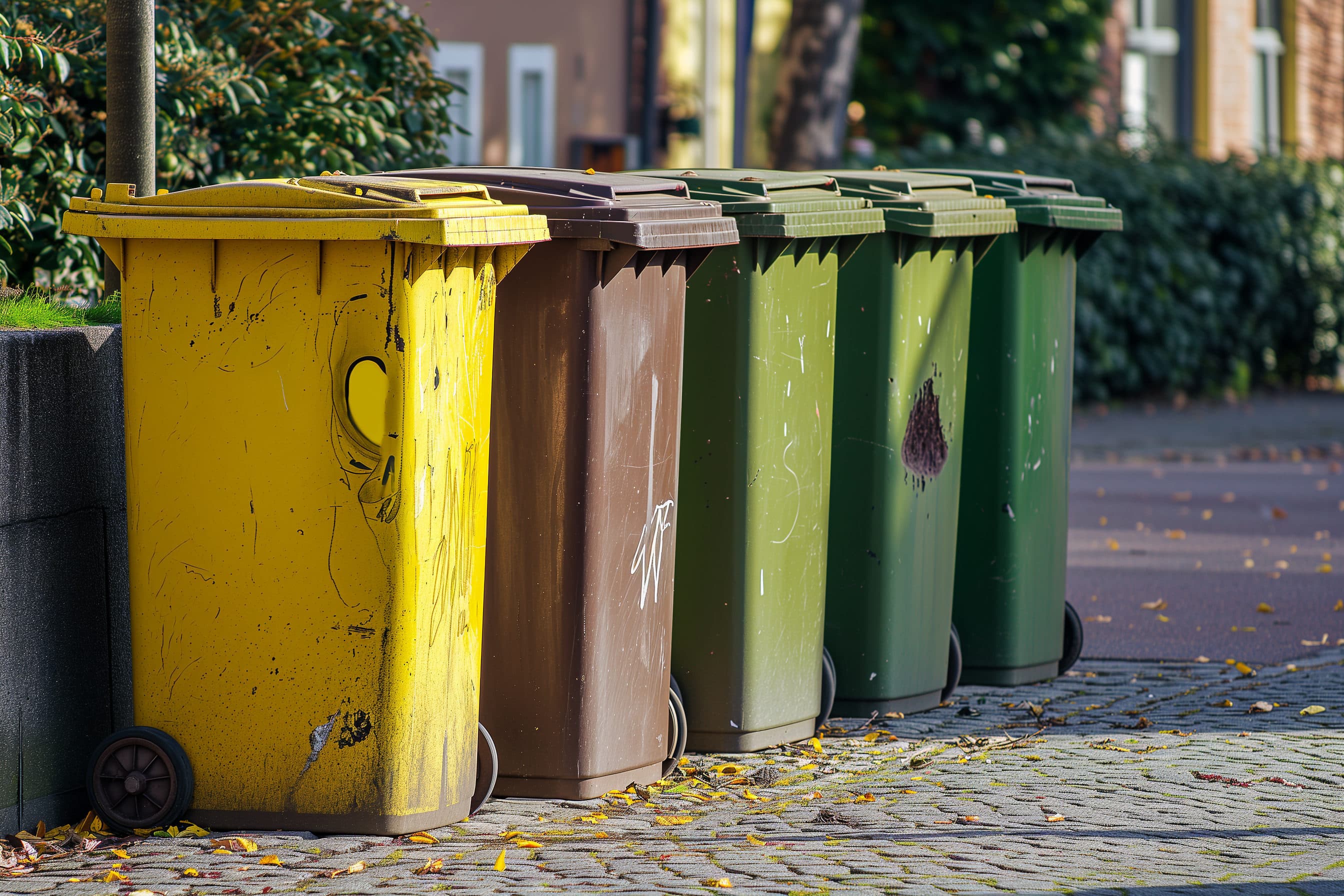
Germany is renowned for its comprehensive and efficient waste management and recycling systems. Understanding how to properly dispose of and recycle waste is not only environmentally important but also a legal requirement in Germany. This article explains the different types of waste bins commonly found in Germany and the rules for using them.
Informing yourself on the energy market in Germany is a key part of settling into your new home. With a focus on sustainability and a competitive market, Germany offers a range of energy providers and options. Understanding these can help you make informed decisions about your energy consumption and manage your utility costs effectively.