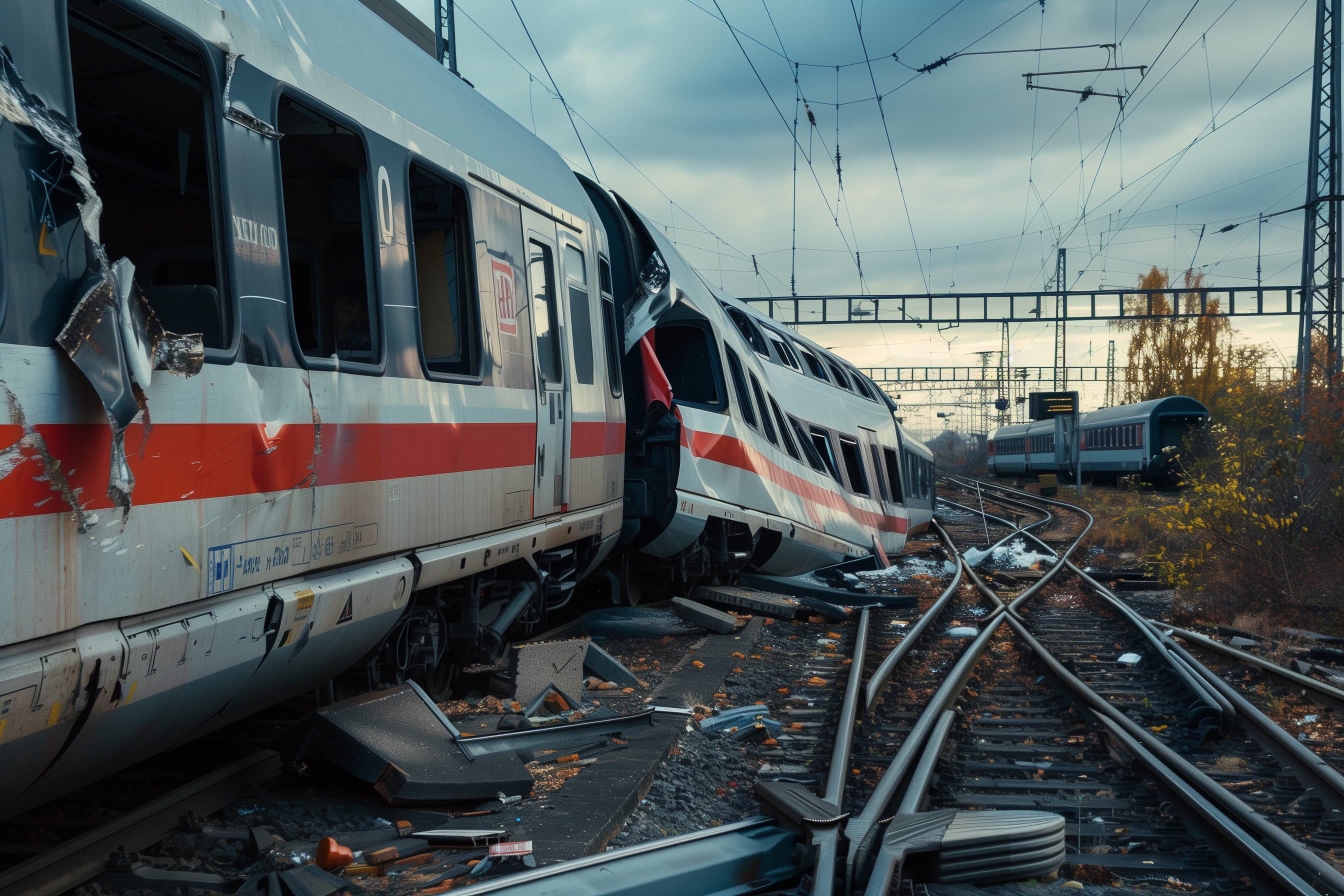
Rail Chaos in Northern Germany: Arson and Accidents Disrupt Train Services
Arson attacks and accidents have severely disrupted train services across northern Germany, affecting long-distance and regional routes that many expats…

 EnglishEnglishWeLiveIn.de
 DeutschWirLebenIn.de
 РусскийЖивемВ.de
 PolskiMieszkamyW.de
 УкраїнськаЖивемоВ.de
 TürkçeYasiyoruz.de
 ItalianoViviamoIn.de
 EspañolVivimosEn.de
 PortuguêsVivemosNa.de
 RomânăLocuimIn.de
 ShqipJetojmëNë.de
 LietuviųGyvename.de
 LatviešuDzivojam.de
 БългарскиЖивеемВ.de
 ΕλληνικάΖούμεστη.de
 MagyarÉlünk.de
 FrançaisLaVieEn.de
 HrvatskiŽivimoU.de
 ČeštinaŽijemeV.de
Page 23 / 36
Arson attacks and accidents have severely disrupted train services across northern Germany, affecting long-distance and regional routes that many expats…
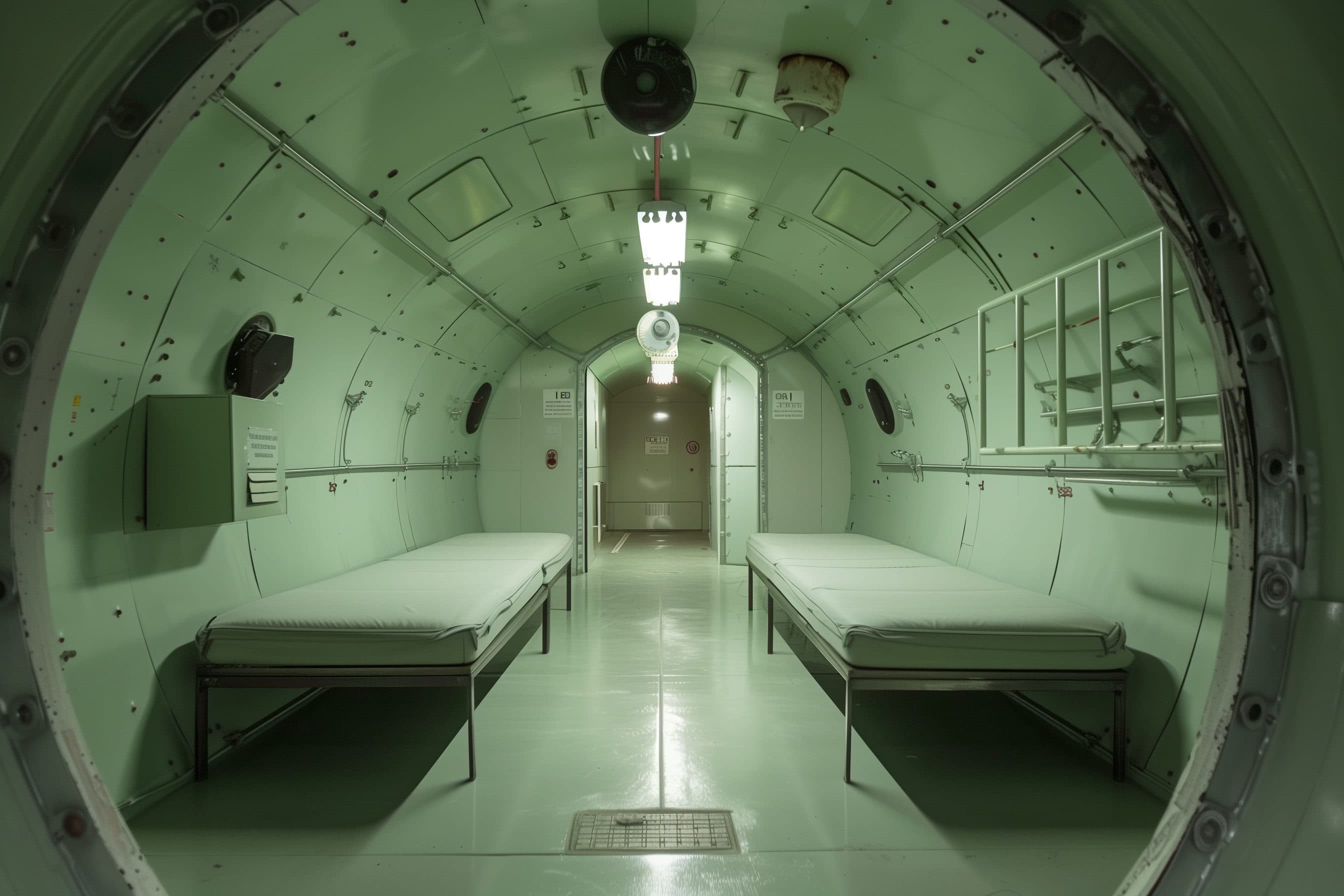
In light of escalating global tensions, particularly Russia's ongoing conflict in Ukraine, German local councils have issued a clarion call for the federal government to significantly enhance the nation's civil defense infrastructure. This appeal, articulated by André Berghegger, head of the Association of Towns and Municipalities, underscores a heightened awareness of the changed security landscape and the imperative for preparedness.
In a notable legal showdown, the Frankfurt Labor Court recently made a pivotal ruling that rejected an urgent application by Deutsche Bahn, Germany’s national railway operator. The application aimed to halt a strike organized by the GDL train drivers' union, marking a significant moment in the ongoing wage and working hours dispute. This legal move underscored the intensifying struggle between the rail operator and its employees, setting the tone for a series of disruptive actions that have reverberated through Germany's transport sector.
In a recent series of high-profile engagements between German officials and their American counterparts, the complexities of international trade, investment, and bureaucratic navigation have come to the forefront. German Economic Affairs Minister Robert Habeck's journey across the Atlantic has illuminated not just the opportunities but also the challenges that lie in the bilateral relationship between Germany and the United States.
Germany stands on the cusp of a pivotal transformation as the federal government implements a groundbreaking cannabis legalization policy, set to commence on April 1. This historic legislation is anticipated to significantly alter the landscape of drug-related incarcerations within the nation. Spearheaded by Federal Health Minister Karl Lauterbach (SPD) and Federal Justice Minister Marco Buschmann (FDP), the initiative is poised to reevaluate the status of up to 7,500 incarcerated individuals, marking a substantial shift towards a more progressive drug policy.
The German government has embarked on a transformative journey, altering the way legislative procedures are conducted at the federal level. Spearheaded by Federal Interior Minister Nancy Faeser of the SPD, this overhaul is encapsulated in the recent amendments to the Joint Rules of Procedure of the Federal Ministries (GGO), signifying a pivotal shift towards openness in governance. Scheduled to take effect from June 1, 2024, these modifications herald the introduction of the "executive footprint" and a mandatory synopsis requirement, marking a significant stride in Germany's legislative process.
Europe stands at a crossroads as geopolitical tensions and humanitarian crises unfold, spotlighting Germany's cautious approach in Ukraine, Poland's perspective on NATO's involvement, and the intensifying conflict in the Middle East. This landscape is shaped by Chancellor Olaf Scholz's firm stance against sending Taurus cruise missiles to Ukraine, fears of direct involvement in war, and a divided European Union grappling with proposed reforms on long-term residence for non-EU nationals.
Germany is navigating through a complex landscape of migration, asylum policies, and integration strategies. Amidst growing public concern over immigration and the sustainability of social systems, the federal and local governments are implementing innovative, albeit contentious, measures aimed at managing asylum seekers' welfare and contributions to society.
The path to cannabis legalization in Germany has become a complex saga of legislative hurdles, international criticism, and a divided public opinion. The Bundestag's decision to partially legalize cannabis has sparked a nation-wide conversation, with implications reaching far beyond its borders, touching on issues of public health, justice reform, and international law.
Germany is currently facing an unprecedented wave of industrial action, with Lufthansa ground staff at the forefront, causing significant disruptions across the country's airports. The strike, extending from early Thursday until Saturday morning, is set to paralyze passenger services, affecting over 200,000 travelers. This action is part of a broader surge in strikes across various sectors, underlining workers' demands for better pay and conditions amidst rising inflation and the lingering economic impacts of the pandemic.
The recent discourse around the integration of Artificial Intelligence (AI) in educational settings has unveiled a complex web of challenges and opportunities for institutions, educators, and students alike. The narrative is evolving rapidly, with instances from universities and schools across Germany serving as a microcosm of a global conversation on how we navigate this new frontier.
The Deutsche Bahn faces significant turmoil as strikes and labor disputes take center stage, revealing a deepening rift between the management and the locomotive engineers represented by the GDL union. This dispute underscores not only the immediate concerns over working conditions and pay but also broader issues plaguing the state-operated enterprise, touching upon themes of mismanagement, environmental promises, and the very future of rail travel in Germany.