WeLiveIn.de

Featured News

Page 24 / 36

Escalating Threats Against Politicians in Germany: A Call for Increased Protection

An alarming surge in attacks and threats against politicians and party offices is casting a shadow over the democratic process, especially in the run-up to crucial elections. This concerning trend not only highlights the immediate need for enhanced security measures for public officials but also poses serious questions about the resilience of democratic institutions in the face of escalating hostility.
Germany's Upcoming Shift in Skilled Immigration Law

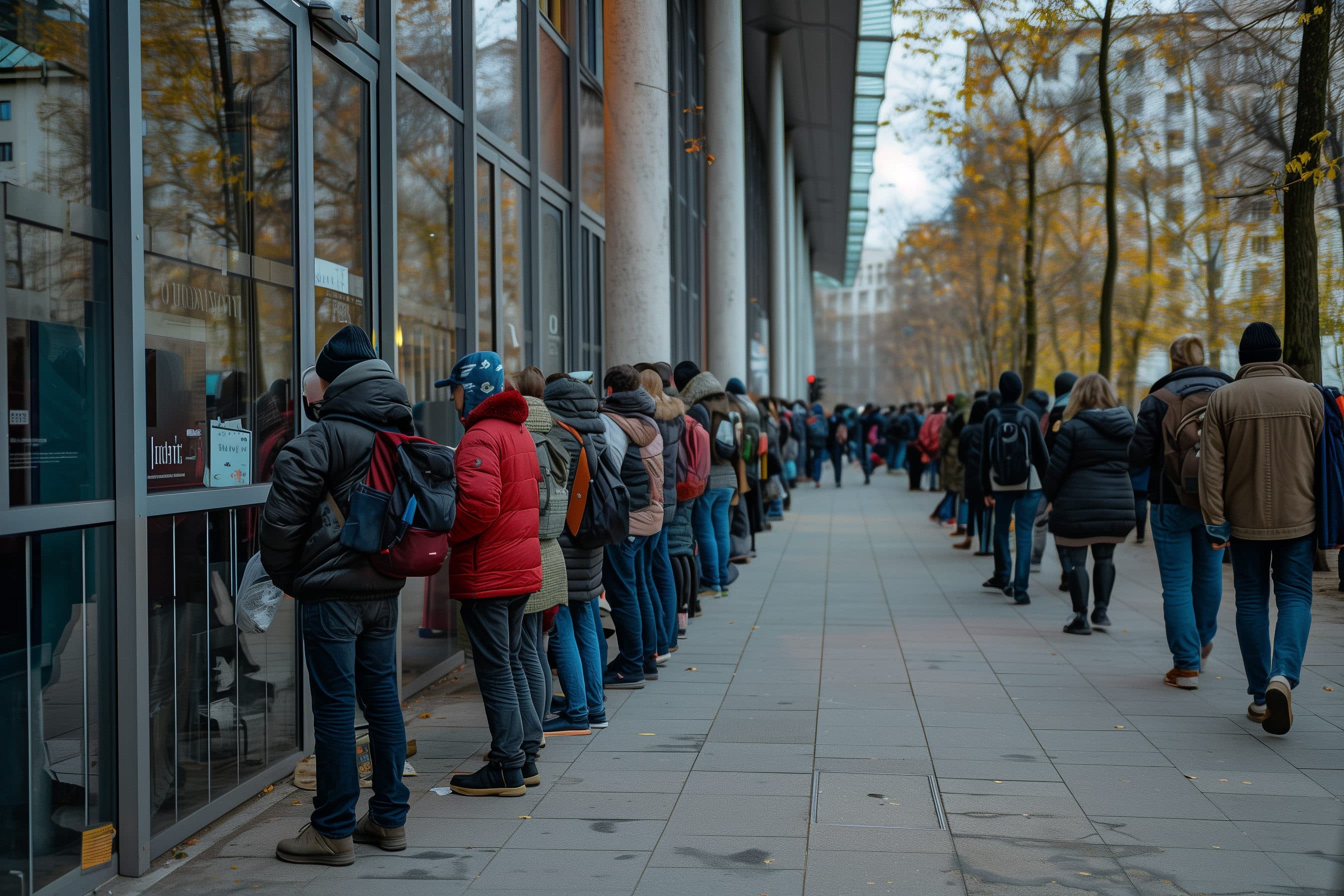
Germany is on the brink of a significant transformation in its approach to skilled immigration, a move set to revitalize various sectors struggling with acute labor shortages. The German government's legislative adjustments aim to streamline the process for skilled workers, especially from non-EU countries, to enter the German job market more efficiently. This comprehensive overhaul spans several critical areas, from the EU Blue Card modifications to the introduction of an opportunity card, all designed to attract a diverse pool of talent to the nation's workforce.

Moscow Bids Farewell to Navalny Amidst Defiance

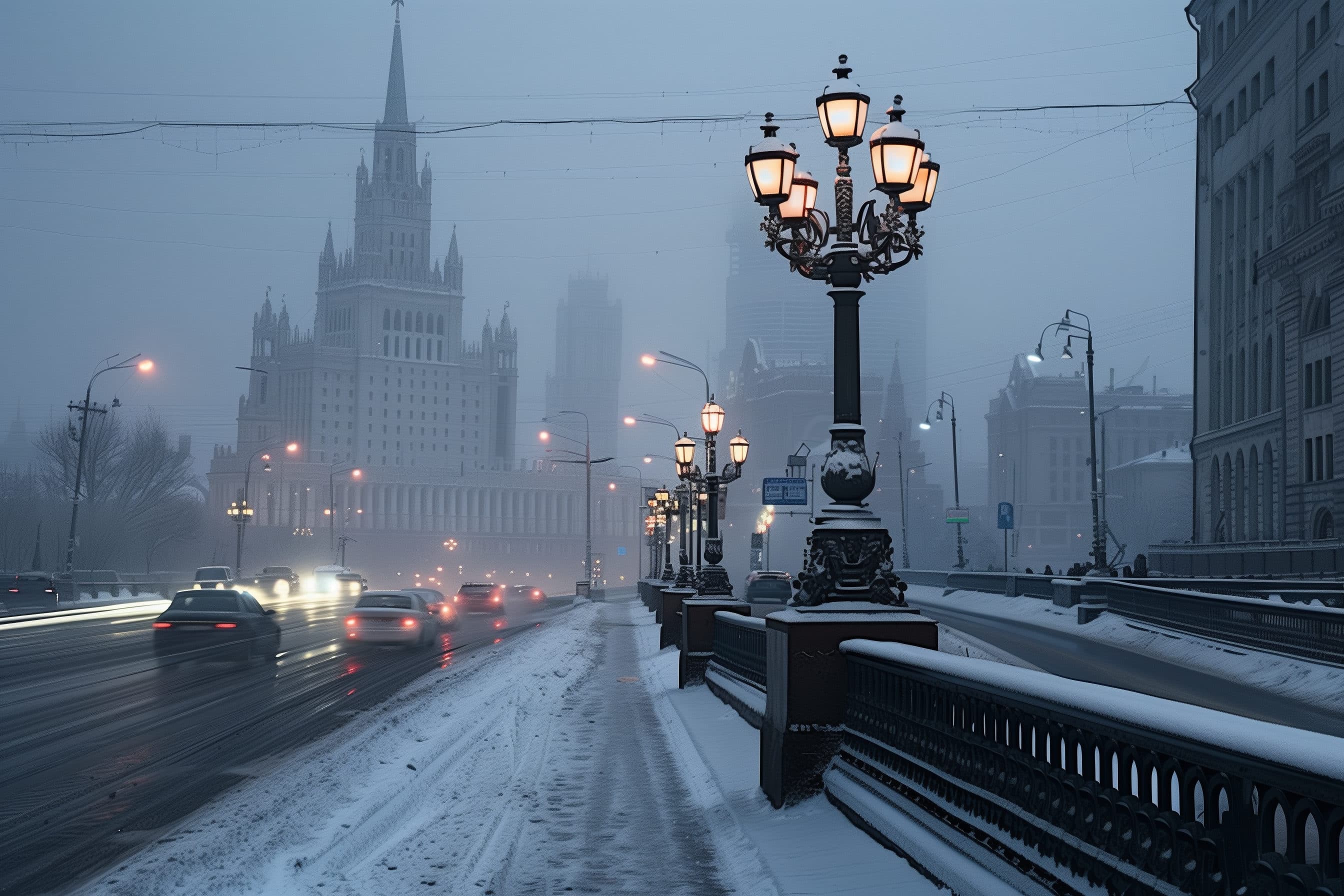
Moscow witnessed the gathering of thousands to bid farewell to Alexei Navalny, the Russian opposition leader whose death has sparked a wave of controversy and condemnation. Navalny, a staunch critic of President Vladimir Putin, passed away under mysterious circumstances in a prison located in the Arctic Circle, triggering a global outcry and intensifying scrutiny of Russia's human rights record.

Germany Embraces Spring's Early Arrival

As Germany basks in unusually warm and sunny weather, the early onset of spring has sparked both delight and environmental concerns among its residents. February's record-breaking temperatures have given way to a March that continues to defy seasonal expectations, setting the stage for a broader discussion on climate change and its palpable impacts.

Germany's Asylum Debate: Is External Processing the Answer?

Germany is at a crossroads with its approach to handling asylum applications, a topic that has stirred intense discussions among policymakers, experts, and the public. The recent deliberations revolve around the proposal of conducting asylum procedures in third countries, a concept that has gained traction amid growing concerns over migration management. This move, aimed at establishing a "realistic limitation of migration," suggests a significant shift in strategy but is fraught with legal, ethical, and practical challenges.

Changes in German Education Funding: BAföG Reform Set to Transform Student Support

The German government has reached a consensus on a transformative BAföG (Federal Training Assistance Act) reform, slated for implementation in the winter semester of 2024/25. This reform, as announced by Federal Education Minister Bettina Stark-Watzinger, marks a significant shift in the government's approach to supporting students. It promises to modernize and adapt the financial aid system to better meet the needs of today's students, fulfilling a key legislative promise.

Germany's Battle with Bureaucratic Growth

Over the last decade, Germany has witnessed a significant rise in bureaucratic complexity, with an increase in both federal laws and individual regulations. This surge is evident from the statistics released by the German government, which reveal a jump from 1,671 laws and 44,216 individual norms in 2014 to 1,792 laws encompassing 52,155 norms by the start of this year. This growing thicket of regulations extends beyond laws passed by the Bundestag to include executive orders detailing the minutiae of governance, marking a noticeable escalation in bureaucratic density.

German TV Licence Fee Set for Increase Amidst Reform Debates

Germany's Rundfunkbeitrag, the mandatory TV and radio licence fee, is slated for a 58-cent monthly increase starting in 2025. This adjustment, announced by the Commission to Determine the Financial Requirements of Broadcasters (KEF), raises the fee to €18.94 per household each month. This change aims to secure funding for Germany's extensive public broadcasting network, which encompasses 17 television channels and 64 radio stations nationwide, alongside social media platforms. Despite the increase, KEF underscores that the new rate remains below the national inflation rate of +2.9 percent.

Heightened Tensions: Baerbock's Ukraine Visit and Drone Surveillance

German Foreign Minister Annalena Baerbock's recent journey to Ukraine was marked by heightened tensions and security concerns, as her delegation encountered direct surveillance by Russian drones. This incident underscores the ongoing volatility in the region, reflecting the broader geopolitical strife that has gripped Eastern Europe since the onset of the Russian invasion of Ukraine.

United Against the Far-Right: Germany's Catholic Church Takes a Stand

The Catholic Church in Germany has issued a strong condemnation of the rise of far-right extremism and ethnic nationalism within the country. This bold stance was articulated during a conference in Augsburg, where Catholic bishops collectively voiced their concerns and explicitly addressed the challenges posed by such ideologies to societal cohesion and the foundational values of Christianity.

Germany Finally Legalizes Private Cannabis Growing and Use from the 1st of April

Germany has embarked on a pivotal reform in its drug policy, marking a significant shift towards the legalization of cannabis for personal use. This legislative move positions Germany as a forerunner in Europe, aligning it with Malta and Luxembourg in the progressive approach to cannabis consumption and cultivation. The decision, which has sparked both acclaim and debate, outlines a new framework for the use, possession, and cultivation of cannabis, aiming to regulate and control its market within the country.

Upcoming Public Transport Strikes Across Germany

Germany is set to experience another wave of widespread public transport strikes next week, a development that could significantly impact daily commutes and add to the growing wave of industrial actions across various sectors. The trade union Verdi has announced that workers in local public transport will engage in strikes in all federal states except Bavaria, with March 1 designated as the main day of action. This move comes amid stagnant collective bargaining negotiations, prompting Verdi to escalate measures to press for improved working conditions for its members.