Climate Protestors Thwarted in Attempt to Disrupt Hamburg Airport Operations
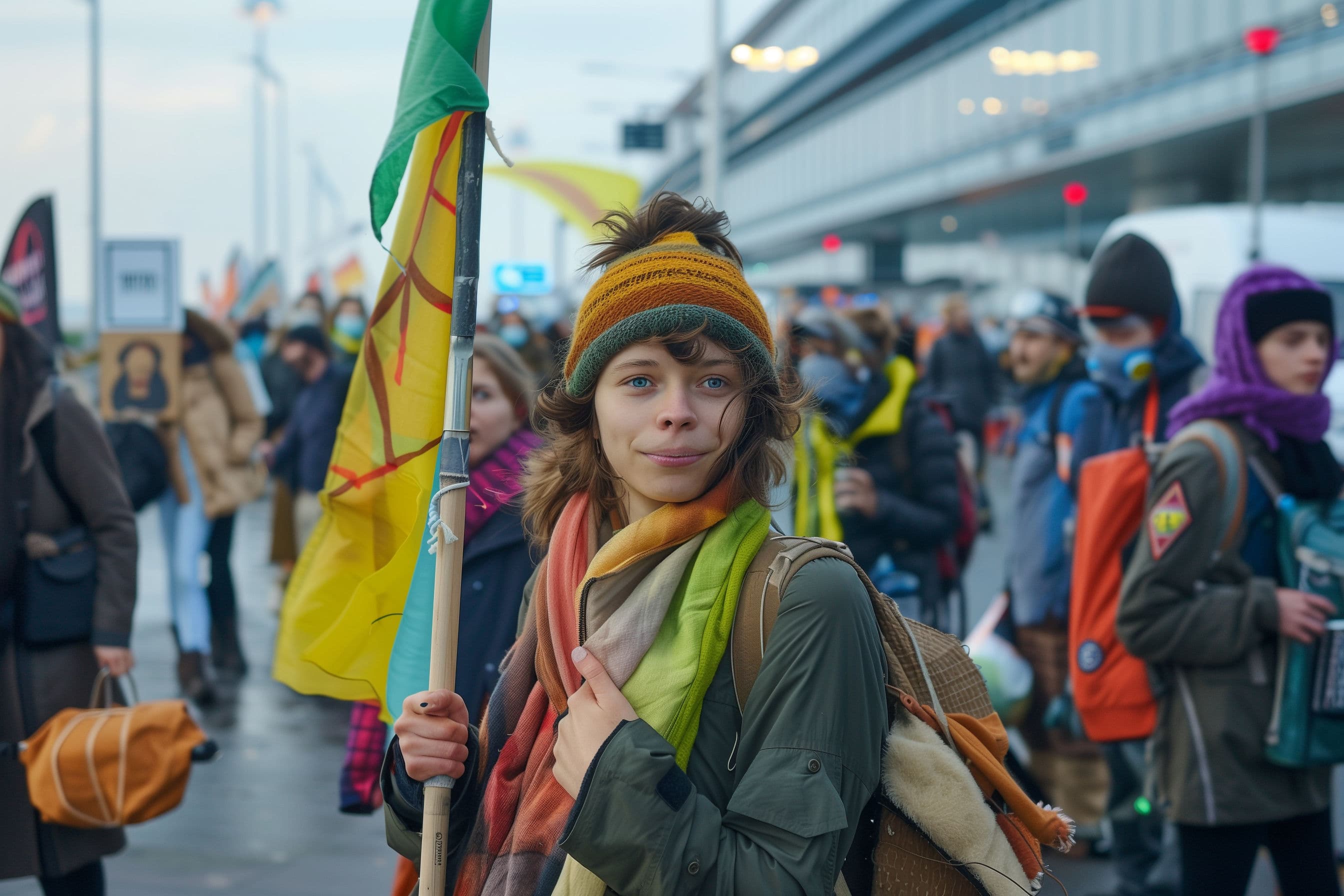
Hamburg police prevented climate protesters from blockading the city's airport in an early morning operation.

 EnglishEnglishWeLiveIn.de
 DeutschWirLebenIn.de
 РусскийЖивемВ.de
 PolskiMieszkamyW.de
 УкраїнськаЖивемоВ.de
 TürkçeYasiyoruz.de
 ItalianoViviamoIn.de
 EspañolVivimosEn.de
 PortuguêsVivemosNa.de
 RomânăLocuimIn.de
 ShqipJetojmëNë.de
 LietuviųGyvename.de
 LatviešuDzivojam.de
 БългарскиЖивеемВ.de
 ΕλληνικάΖούμεστη.de
 MagyarÉlünk.de
 FrançaisLaVieEn.de
 HrvatskiŽivimoU.de
 ČeštinaŽijemeV.de
Page 11 / 14
Hamburg police prevented climate protesters from blockading the city's airport in an early morning operation.
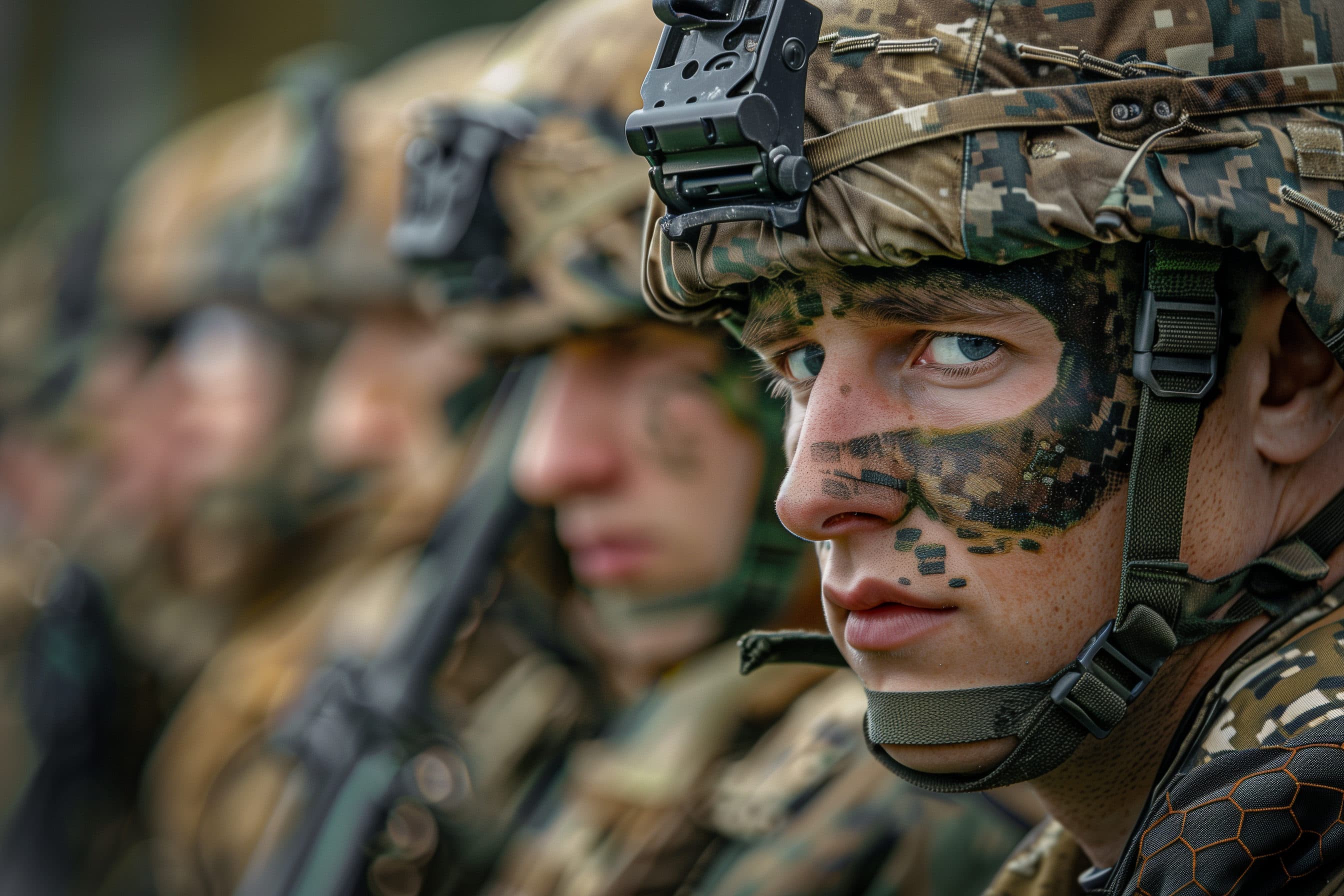
in a series of notable visits across Scandinavia, German Defense Minister Boris Pistorius ignited discussions on reinstating conscription, drawing inspiration from the defense practices of Sweden, Norway, and Finland. The idea, long dormant in Germany, resurfaces against the backdrop of escalating global tensions and the need for enhanced national defense capabilities.
German Chancellor Olaf Scholz has publicly declared his opposition to the extradition of WikiLeaks founder Julian Assange to the United States. This stance underscores a growing concern over press freedoms and the potential implications for journalists worldwide.
The introduction of Germany's new Citizen Income (Bürgergeld) has not led to the mass resignations feared by some political factions. This reform, replacing the former Hartz IV system, aimed to provide a more humane and supportive social welfare system for those in need. Despite concerns from the Christian Democratic Union (CDU) and the Free Democratic Party (FDP) about potential negative impacts on the labor market, the data tells a different story, indicating a positive shift towards employment stability and social security.
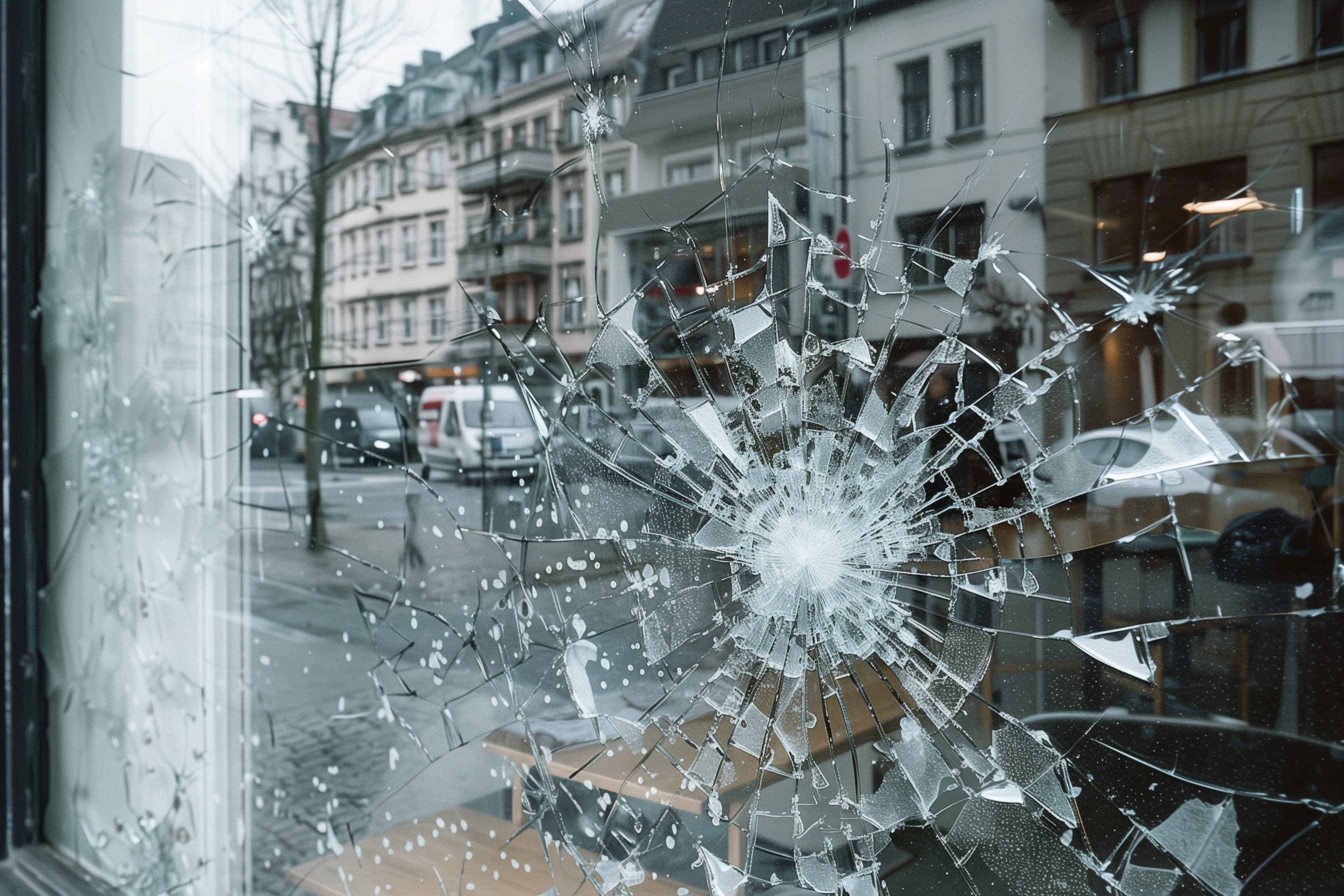
An alarming surge in attacks and threats against politicians and party offices is casting a shadow over the democratic process, especially in the run-up to crucial elections. This concerning trend not only highlights the immediate need for enhanced security measures for public officials but also poses serious questions about the resilience of democratic institutions in the face of escalating hostility.
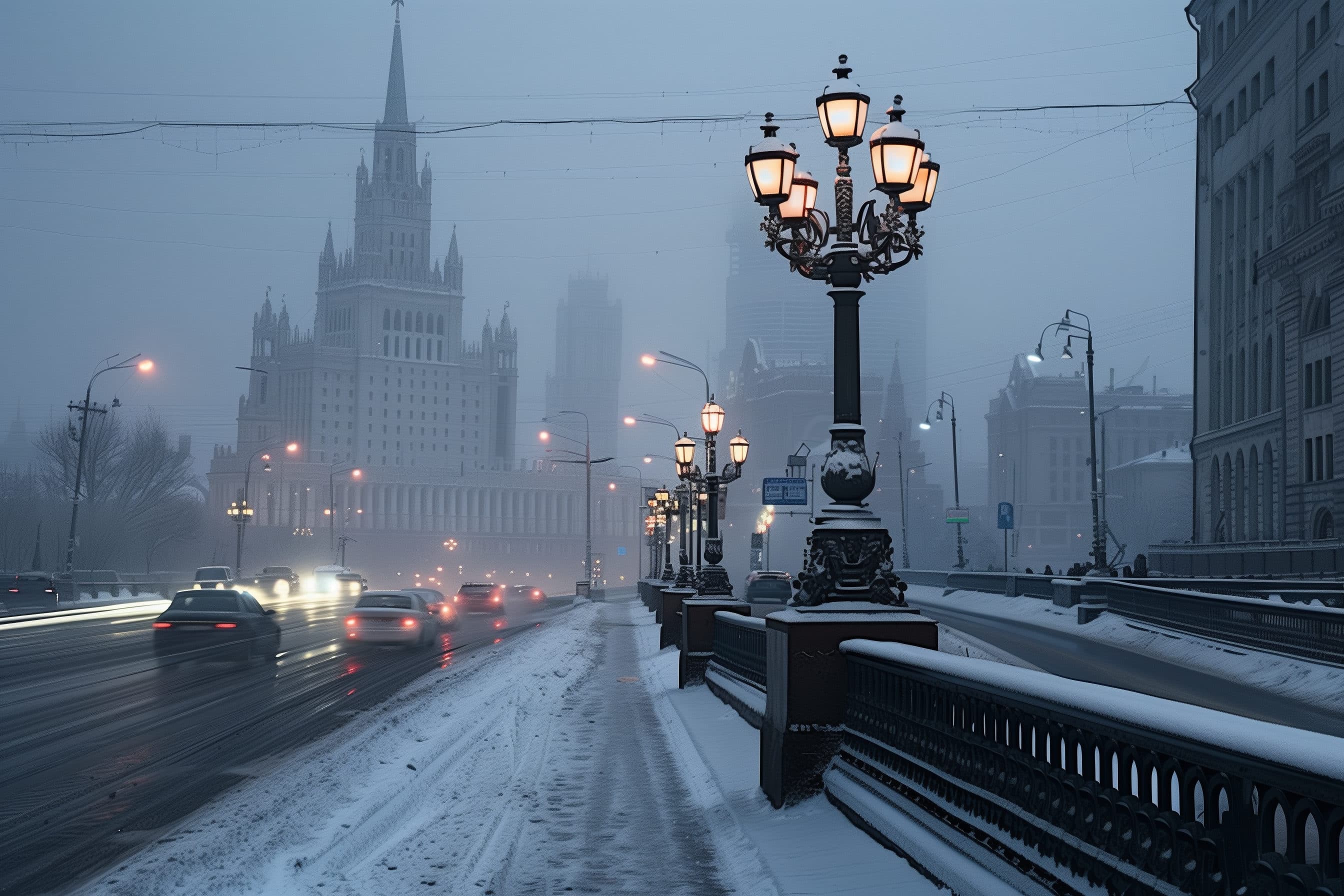
Moscow witnessed the gathering of thousands to bid farewell to Alexei Navalny, the Russian opposition leader whose death has sparked a wave of controversy and condemnation. Navalny, a staunch critic of President Vladimir Putin, passed away under mysterious circumstances in a prison located in the Arctic Circle, triggering a global outcry and intensifying scrutiny of Russia's human rights record.
In an escalating wave of discontent, farmers across Germany have intensified their protests, shining a spotlight on the Green Party, while similar uprisings ripple through Europe. From the busy streets of Magdeburg to the political heart of Brussels, the agricultural community's outcry against environmental policies and EU regulations has reached a boiling point, revealing deep-seated frustrations and a growing divide.
German Chancellor Olaf Scholz's recent visit to Dresden, Saxony, underscored a critical moment for Germany as it approaches state elections with the far-right Alternative for Germany (AfD) showing strong polling numbers. Scholz's trip aimed to promote social cohesion and address the challenges posed by the rising far-right sentiments, economic concerns, and the geopolitical tensions surrounding Ukraine.
Germany is at a crossroads with its approach to handling asylum applications, a topic that has stirred intense discussions among policymakers, experts, and the public. The recent deliberations revolve around the proposal of conducting asylum procedures in third countries, a concept that has gained traction amid growing concerns over migration management. This move, aimed at establishing a "realistic limitation of migration," suggests a significant shift in strategy but is fraught with legal, ethical, and practical challenges.
Alice Weidel, leader of the Alternative for Germany (AfD) party, has found herself at the center of a political storm following a series of events that have raised eyebrows across Europe. In an effort to clarify her party's positions, particularly on the contentious issue of "Remigration," Weidel reached out to Marine Le Pen, the French National Rally's frontwoman. This move comes after a tumultuous period marked by a secretive gathering in Potsdam, which has since cast a long shadow over the AfD's relationships with its European allies.
German Chancellor Olaf Scholz has reiterated Germany's position on military involvement in Ukraine, emphasizing a steadfast refusal to deploy ground troops or participate directly in combat operations. This announcement comes amidst discussions with European allies, where Scholz underscored the importance of maintaining a collective agreement against sending soldiers from European or NATO states to Ukrainian soil. His comments follow a meeting in Paris, hosted by French President Emmanuel Macron, aimed at consolidating support for Ukraine. Scholz's firm stance aligns with Germany's broader strategy to avoid any actions that might escalate tensions into a direct conflict between NATO and Russia.
German Foreign Minister Annalena Baerbock's recent journey to Ukraine was marked by heightened tensions and security concerns, as her delegation encountered direct surveillance by Russian drones. This incident underscores the ongoing volatility in the region, reflecting the broader geopolitical strife that has gripped Eastern Europe since the onset of the Russian invasion of Ukraine.