WeLiveIn.de

Politics

Page 12 / 14

Germany's Asylum Debate: Is External Processing the Answer?

Germany is at a crossroads with its approach to handling asylum applications, a topic that has stirred intense discussions among policymakers, experts, and the public. The recent deliberations revolve around the proposal of conducting asylum procedures in third countries, a concept that has gained traction amid growing concerns over migration management. This move, aimed at establishing a "realistic limitation of migration," suggests a significant shift in strategy but is fraught with legal, ethical, and practical challenges.
Weidel Defends AfD's Stance in Letter to Le Pen Amid Controversy

Alice Weidel, leader of the Alternative for Germany (AfD) party, has found herself at the center of a political storm following a series of events that have raised eyebrows across Europe. In an effort to clarify her party's positions, particularly on the contentious issue of "Remigration," Weidel reached out to Marine Le Pen, the French National Rally's frontwoman. This move comes after a tumultuous period marked by a secretive gathering in Potsdam, which has since cast a long shadow over the AfD's relationships with its European allies.

Germany Holds Firm on Ukraine Military Aid Stance

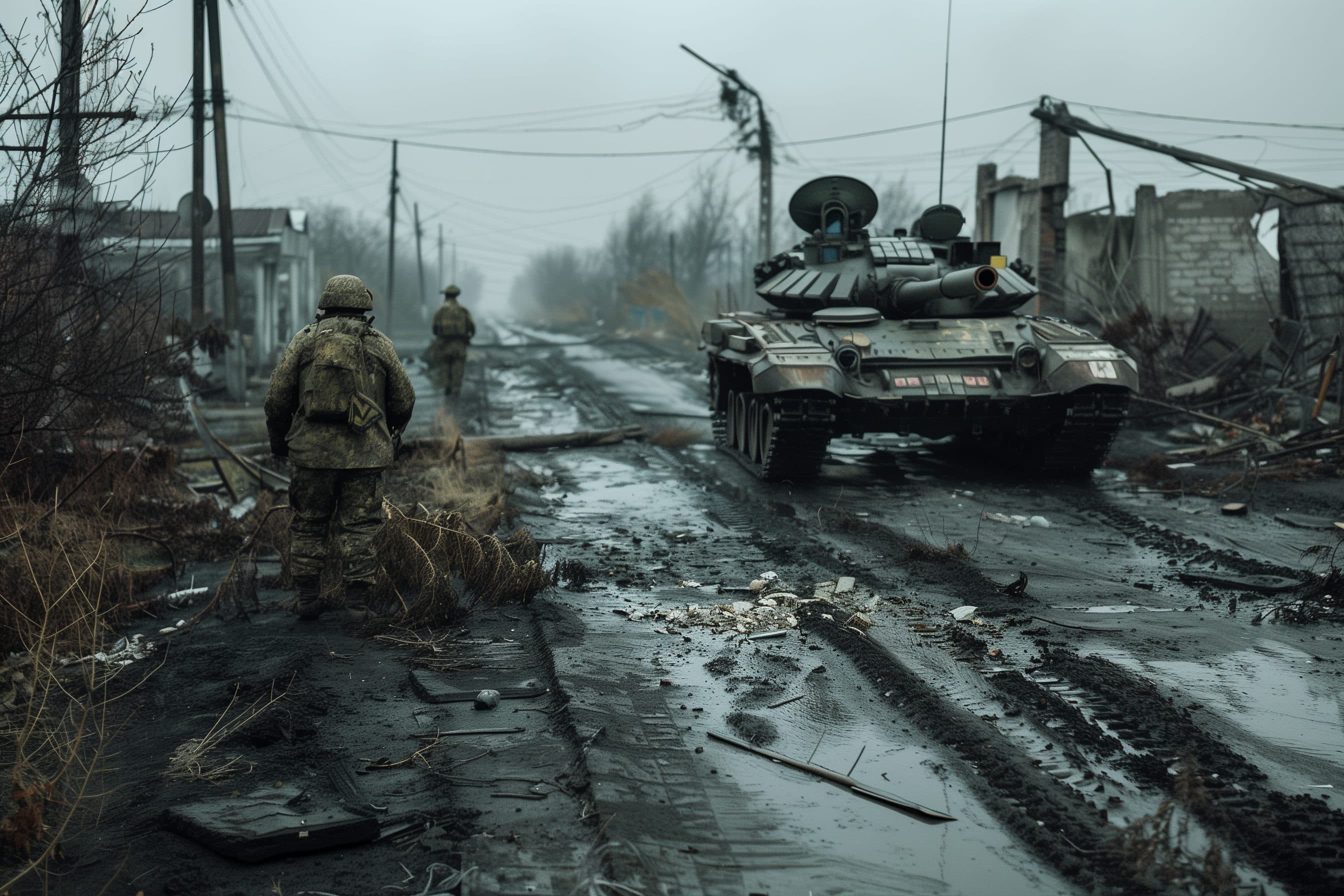
German Chancellor Olaf Scholz has reiterated Germany's position on military involvement in Ukraine, emphasizing a steadfast refusal to deploy ground troops or participate directly in combat operations. This announcement comes amidst discussions with European allies, where Scholz underscored the importance of maintaining a collective agreement against sending soldiers from European or NATO states to Ukrainian soil. His comments follow a meeting in Paris, hosted by French President Emmanuel Macron, aimed at consolidating support for Ukraine. Scholz's firm stance aligns with Germany's broader strategy to avoid any actions that might escalate tensions into a direct conflict between NATO and Russia.

Heightened Tensions: Baerbock's Ukraine Visit and Drone Surveillance

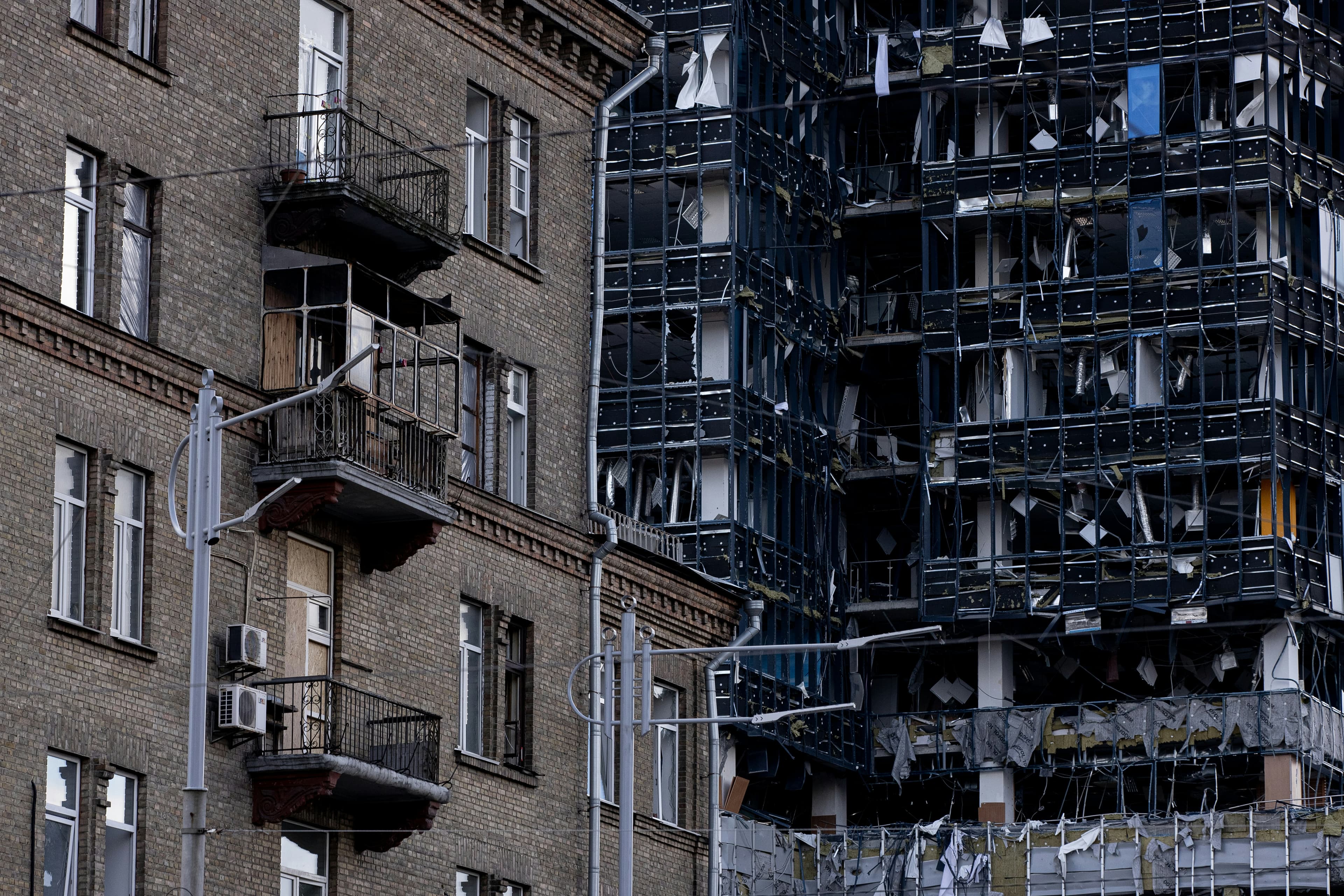
German Foreign Minister Annalena Baerbock's recent journey to Ukraine was marked by heightened tensions and security concerns, as her delegation encountered direct surveillance by Russian drones. This incident underscores the ongoing volatility in the region, reflecting the broader geopolitical strife that has gripped Eastern Europe since the onset of the Russian invasion of Ukraine.

United Against the Far-Right: Germany's Catholic Church Takes a Stand

The Catholic Church in Germany has issued a strong condemnation of the rise of far-right extremism and ethnic nationalism within the country. This bold stance was articulated during a conference in Augsburg, where Catholic bishops collectively voiced their concerns and explicitly addressed the challenges posed by such ideologies to societal cohesion and the foundational values of Christianity.

Germany Finally Legalizes Private Cannabis Growing and Use from the 1st of April

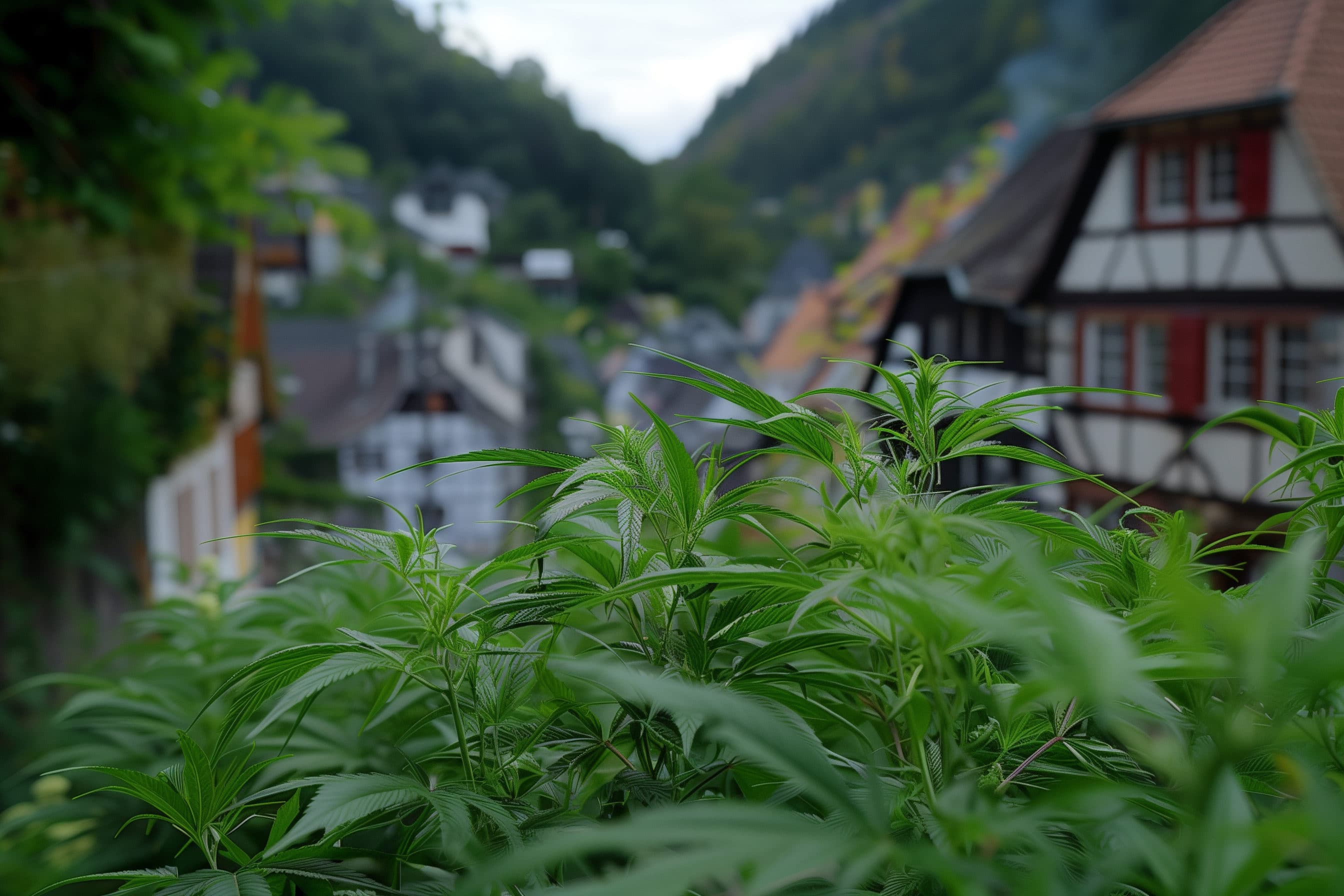
Germany has embarked on a pivotal reform in its drug policy, marking a significant shift towards the legalization of cannabis for personal use. This legislative move positions Germany as a forerunner in Europe, aligning it with Malta and Luxembourg in the progressive approach to cannabis consumption and cultivation. The decision, which has sparked both acclaim and debate, outlines a new framework for the use, possession, and cultivation of cannabis, aiming to regulate and control its market within the country.

Rise in "Reichsbürger" Numbers and Ongoing Protests Against Right-wing Extremism in Saxony

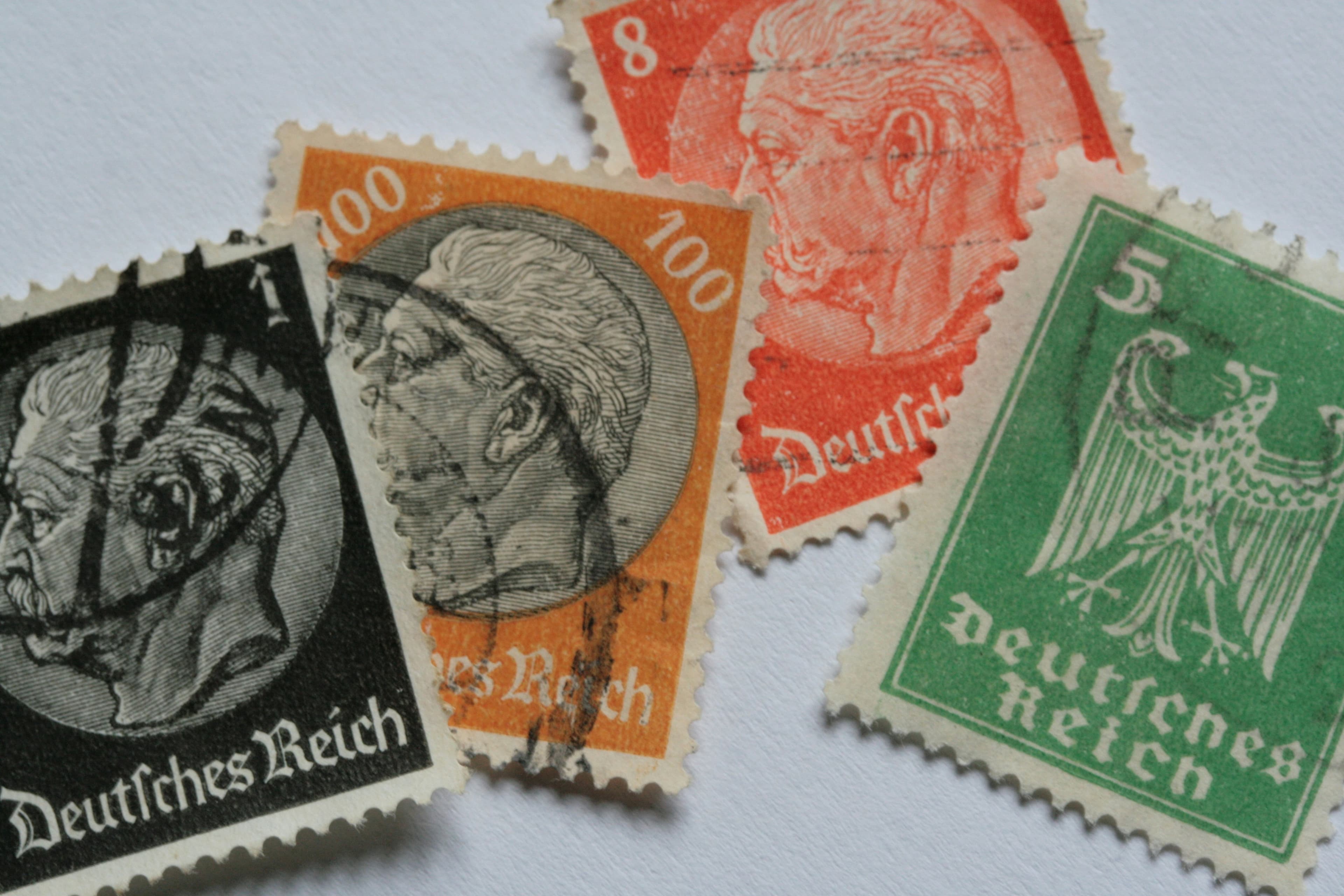
In Saxony, the "Reichsbürger" movement, a group that rejects the modern German state, has seen a significant increase in its ranks in 2023. The State Office for the Protection of the Constitution (LfV) estimated approximately 3,000 individuals were affiliated with this scene by year's end, marking an increase of around 500 compared to the previous year. Notably, 87 of these individuals are classified as right-wing extremists. This information emerged from a response by the Interior Ministry to a query from Left party member of the state parliament, Kerstin Köditz.

Germany's Sociopolitical Landscape Steers Right: Or Does It?

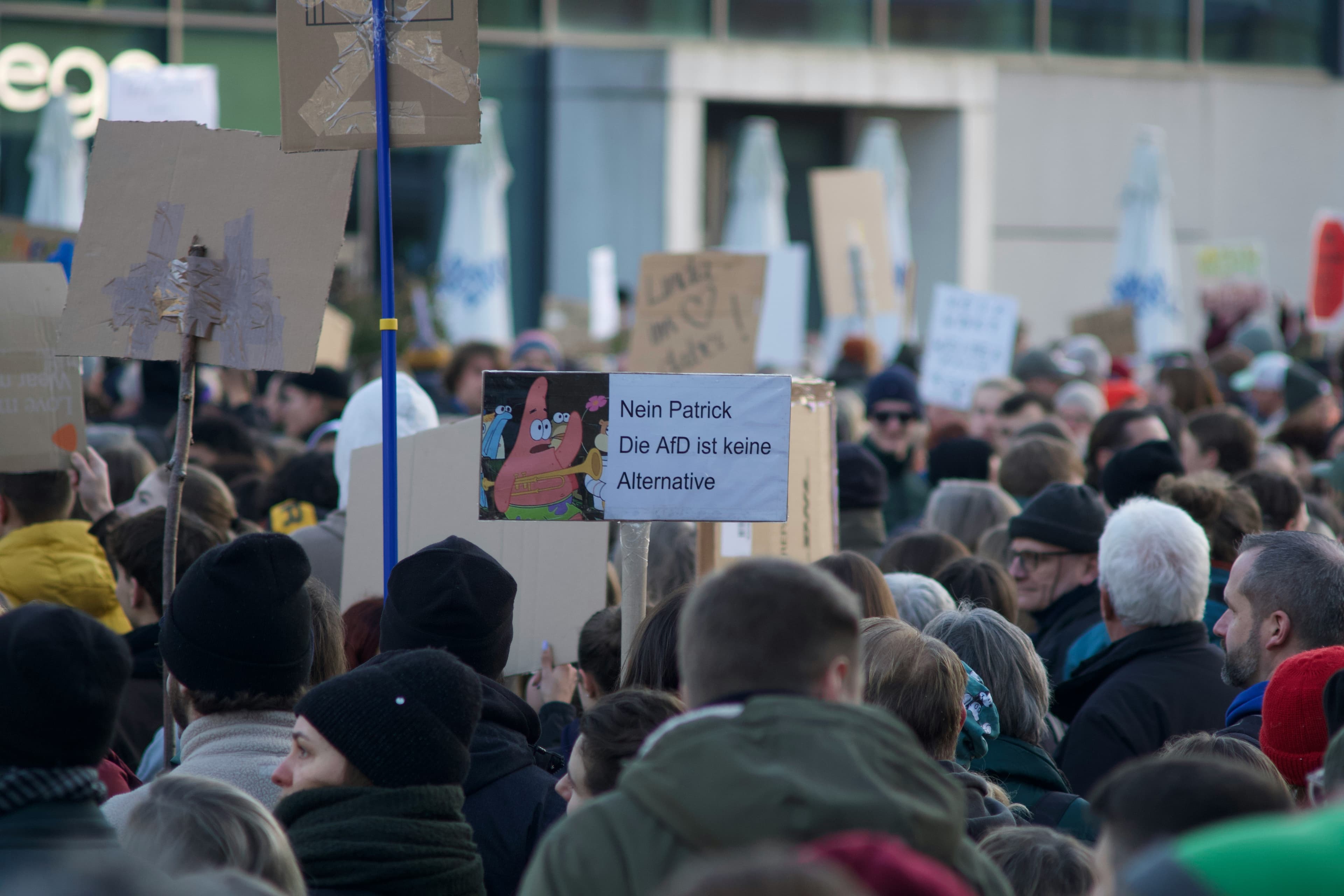
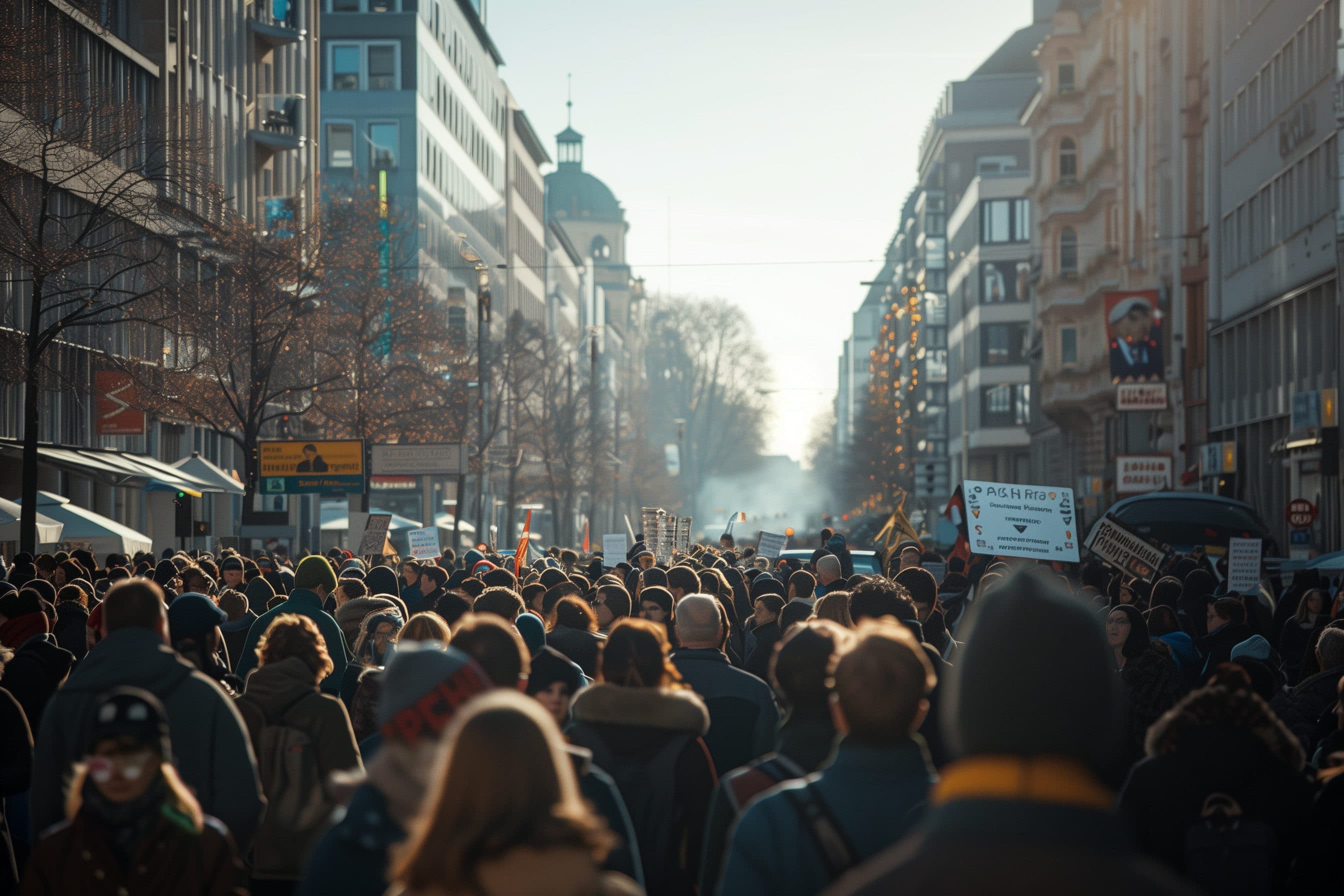
In recent weeks, Germany has seen a significant mobilization against right-wing extremism, signaling a potentially pivotal moment in the nation's sociopolitical landscape. The rise of the Alternative for Germany (AfD) party, marked by increasing support in various polls, appears to be encountering a formidable counter-movement. The extensive protests spanning from conservative to leftist spectrums represent a collective outcry against extremism, with far-reaching implications for the AfD and the broader political discourse in Germany.

The FDP's Call for a Conservative Shift

FDP General Secretary Bijan Djir-Sarai has voiced significant criticism towards Germany's current governing coalition, particularly targeting the economic policies spearheaded by Minister of Economics Robert Habeck. Djir-Sarai's remarks underscore a growing rift within the Ampel coalition, comprised of the SPD, Greens, and FDP, highlighting divergent visions for addressing Germany's economic challenges.

The Legacy of Alexei Navalny: A Beacon of Opposition in Russia

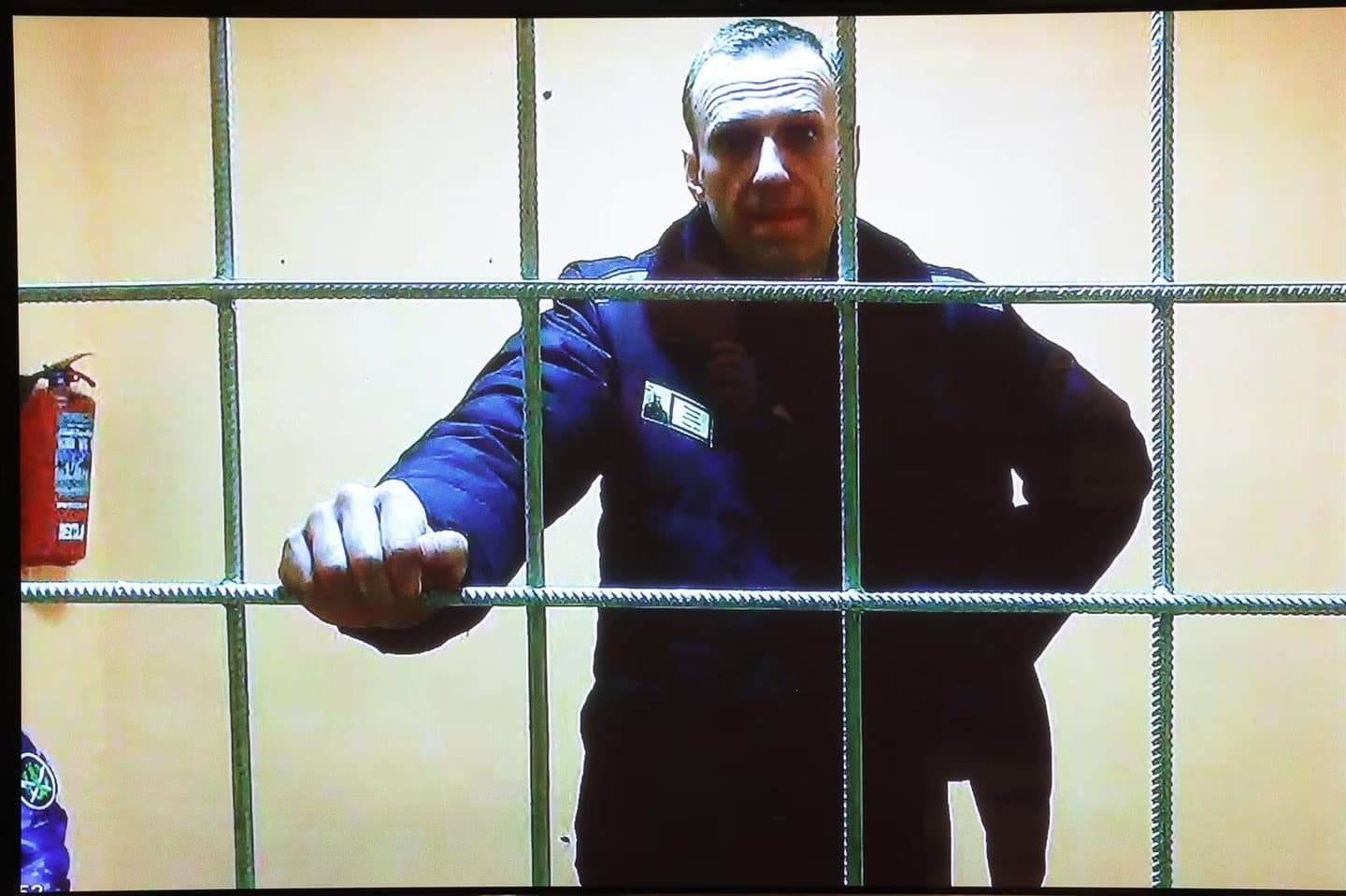
The untimely death of Alexei Navalny at the age of 47 in a Siberian prison marks a profound moment in Russia's contemporary history. Navalny, a figure of immense courage and political acumen, challenged the entrenched corruption under President Vladimir Putin's regime, despite the overwhelming odds stacked against him. His demise not only extinguishes a vital voice of dissent but also dims the prospect of a democratic alternative in Russia.

Germany's New Strategy Against Far-Right Extremism

Germany is taking a significant step forward in combating far-right extremism through a newly unveiled plan by Interior Minister Nancy Faeser. This comprehensive strategy aims to tackle the multifaceted challenge of right-wing extremism by addressing its roots and manifestations across society.