Germany Serbia: empty stadium, then the Dutch
6 min read
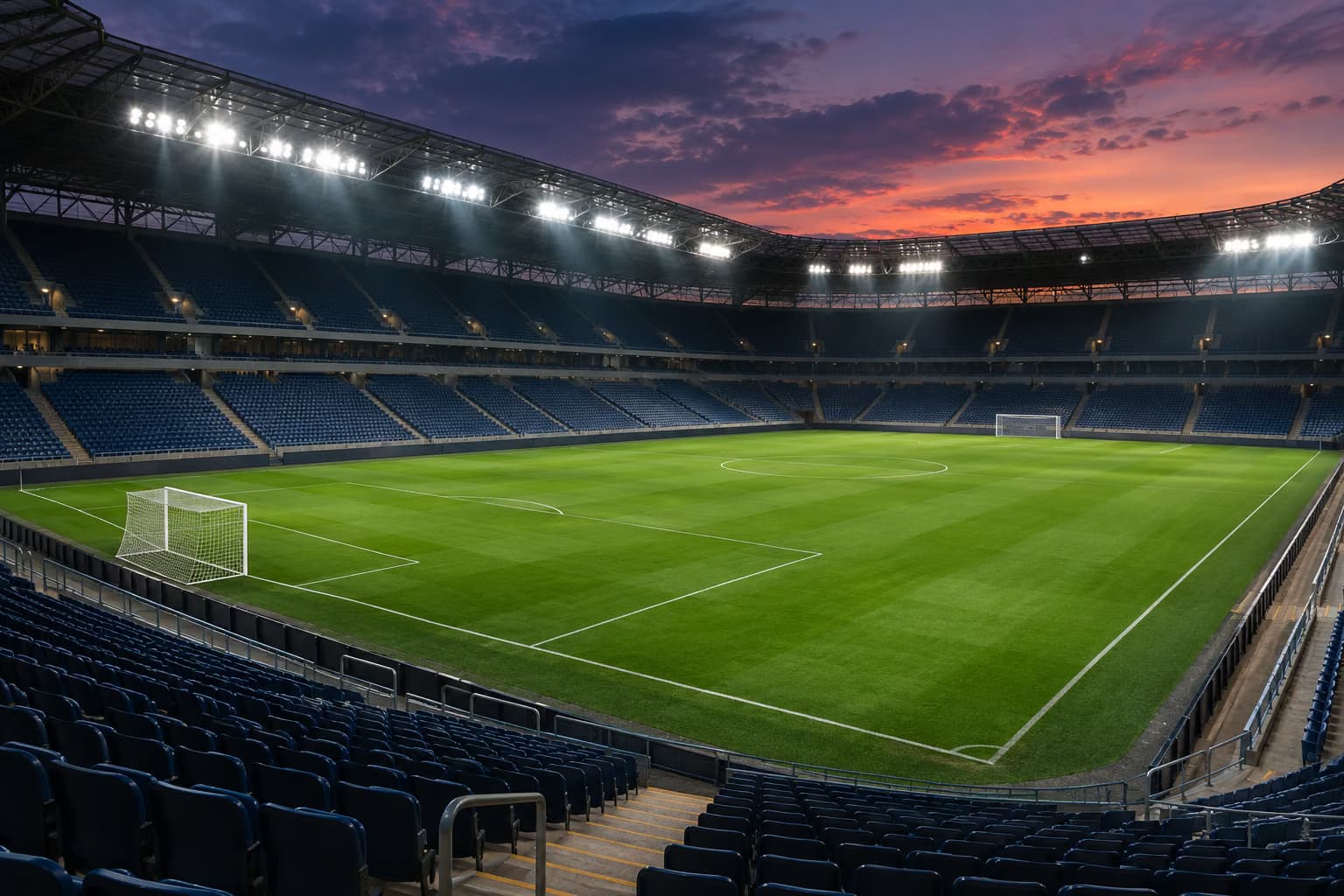
Germany's national football team plays two decisive Nations League matches this week, and the first of them will take place in silence. The Germany Serbia match on Friday, 13 November, in Belgrade is being played without spectators after a UEFA punishment for racist behaviour by Serbian fans. Three days later, on Monday, 16 November, Germany hosts the Netherlands in Berlin's Olympiastadion. Under head coach Jürgen Klopp the team is only third in its group and probably needs two wins to reach the quarter-finals.
For football fans living in Germany, the week brings two evening kick-offs on free-to-air television, a home game in the capital and a closed stadium that has left some travelling supporters with useless flight and hotel bookings.
Why the Germany Serbia match has no fans
European football's governing body UEFA ordered Serbia to play its next home match behind closed doors after racist and discriminatory incidents during the team's Nations League games against Greece and the Netherlands in September, both of which Serbia lost 1-2. According to the dpa news agency, the Serbian federation was also fined 50,000 euros. The Rajko Mitić Stadium in Belgrade, home of Red Star Belgrade, normally holds about 55,000 people. On Friday the stands will stay empty when the match kicks off at 20:45.
The Serbian federation tried to soften the sanction and asked that children and around 2,000 German supporters be allowed in, but the ruling became final in October. ZDF and Heidelberg24 reported on 22 October that the German Football Association (DFB) had written to fans who had applied for away tickets to tell them that no German supporters would be admitted. The DFB said it regretted the consequences for fans, many of whom had already booked flights and accommodation, but that it had no influence over the decision.
Serbian supporters had already been punished before the first meeting of the two teams. For the match in Munich on 1 October, Serbia was not allowed to sell tickets to its own fans. Germany won that game 2-0 with goals from Florian Wirtz and Tom Bischof, which was Klopp's first victory as national coach. According to dpa, Serbia must also pay almost 80,000 euros for further fan offences, and a ban on its supporters at one away game has been suspended for two years.
Where Germany stands in the Nations League group
Germany plays in Group 2 of League A, the top tier of the Nations League, together with the Netherlands, Greece and Serbia. Klopp's start has been mixed. The team drew 1-1 in Amsterdam on 24 September, lost 0-1 to Greece in Augsburg three days later, beat Serbia in Munich and then drew 0-0 with Greece in Thessaloniki on 4 October. After four of six matchdays, the Netherlands and Greece lead with eight points each, Germany has five and Serbia has none.
Only the top two teams in each League A group reach the quarter-finals, which are played home and away between 25 and 30 March 2027. The four winners then meet at the finals tournament from 9 to 13 June 2027. The last team in each group is relegated to League B, while the third-placed teams face a play-off against League B runners-up in March to stay in the top tier. Two more draws would therefore end Germany's hopes and could push the team into that relegation play-off.

Germany also needs help. The Stuttgarter Zeitung points out that the head-to-head record against Greece, which can decide places when teams finish level on points, has already been lost. On Friday, at the same time as the Germany Serbia game, the Netherlands host Greece in Amsterdam. According to the betting and statistics site wettfreunde, Greece finish at home against Serbia in Volos on Monday, while Germany play the Dutch in Berlin.
Klopp's squad for Belgrade and Berlin
Klopp took over the national team on 15 August, after Julian Nagelsmann left following Germany's early World Cup exit in the summer. For his first camp in September he called up 44 players, many of them without a single cap. On 5 November he cut the group to 24 for the final two group games. The most talked-about return is Werder Bremen striker Niclas Füllkrug, 33, who has scored nine Bundesliga goals this season and is back in the squad for the first time since September 2025. Borussia Mönchengladbach's Wael Mohya, only 17, receives his first senior call-up.
Leipzig captain David Raum was left out, which several outlets called a surprise. Bayern Munich playmaker Jamal Musiala is injured. According to dpa, Leipzig's Ridle Baku has since replaced Borussia Dortmund defender Waldemar Anton, who is not fully fit. Marc-André ter Stegen is the first-choice goalkeeper and Joshua Kimmich remains captain.
The players gathered on 9 November in Herzogenaurach in Franconia for three days of training. It is the team's last stay at the base before the DFB switches its kit supplier from Adidas to Nike next year. Klopp described the squad as a colourful mix of the very young and the experienced. "It must be more important how we play than who plays," he said at the start of the camp.
Germany vs the Netherlands in the Olympiastadion
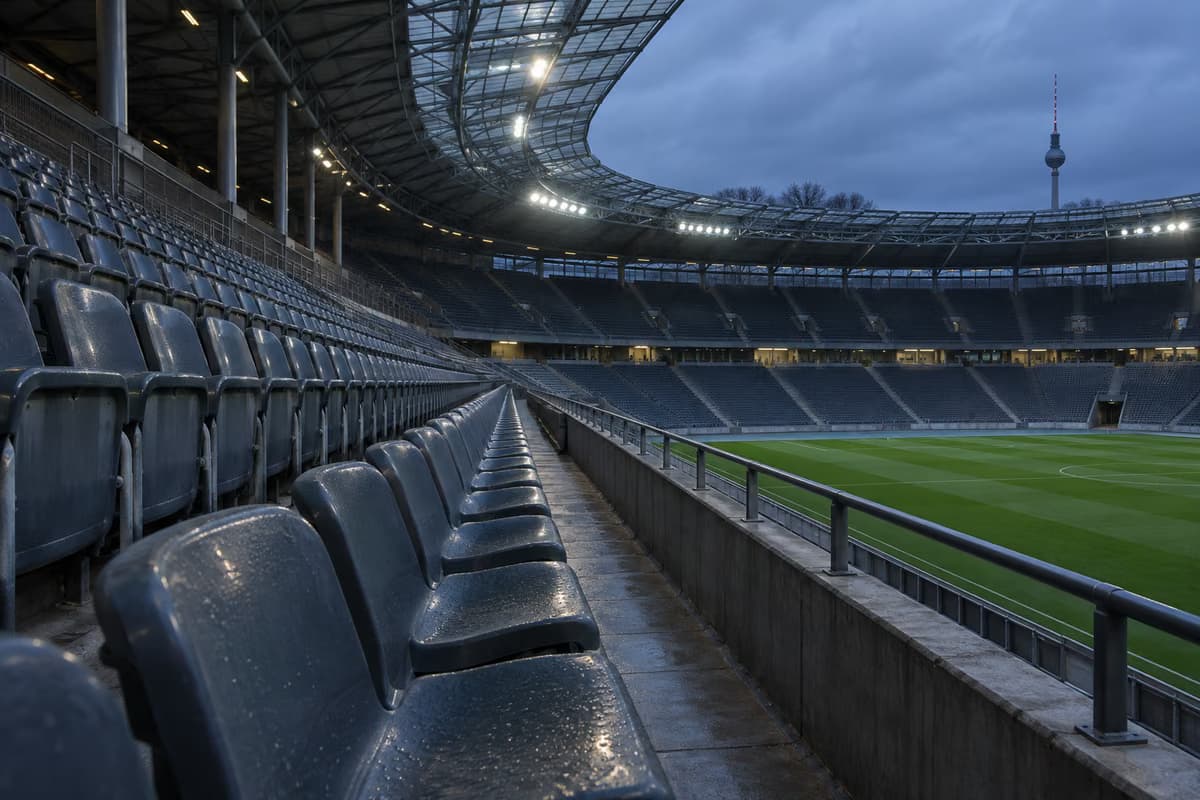
The final group match on Monday, 16 November, kicks off at 20:45 in Berlin's Olympiastadion and is shown live on ARD. It is Germany's last home game of the World Cup year. According to the stadium operator, it is also the first men's international in Berlin since a match against Turkey in November 2023. The Dutch side, which reached the World Cup this summer, top the table ahead of Greece and drew with Germany in the first meeting in Amsterdam.
If Germany win in Belgrade, the game in Berlin is likely to decide the group. A victory over the Netherlands could then lift Germany into the top two, depending on the result between the Netherlands and Greece on Friday. Anything less than a win in Berlin would most likely leave Germany outside the top two and facing a play-off in March instead of a quarter-final.
Klopp has made it clear that he wants home crowds to play a bigger role. "I want every stadium in Germany to be our stadium," he said in Herzogenaurach. The Berlin match is the first chance for fans in the capital to see the team under the new coach.
What the Germany Serbia week means for fans in Germany
Both matches can be watched without a pay-TV subscription. RTL shows the Germany Serbia game on Friday from Belgrade, and ARD broadcasts the match against the Netherlands on Monday. Because no supporters are admitted in Belgrade, the TV broadcast is the only way to follow the game, and bars across Germany are likely to be busy, especially in cities with large Serbian and Dutch communities.
Anyone who booked a trip to Belgrade for the match should contact the airline or hotel directly, as the DFB has said it cannot help. Fans hoping to see the Berlin game should use the official DFB ticket shop. Several resale websites list seats for Germany vs the Netherlands at prices above face value, and such offers carry the risk of tickets being cancelled or not delivered. If Germany reach the quarter-finals, home games in March 2027 would give fans in Germany another chance to see the team.