School Violence in Germany: A Call for Enhanced Security Measures
Reports show 27,470 violent incidents in German schools last year, prompting calls for stronger security measures.

 EnglishEnglishWeLiveIn.de
 DeutschWirLebenIn.de
 РусскийЖивемВ.de
 PolskiMieszkamyW.de
 УкраїнськаЖивемоВ.de
 TürkçeYasiyoruz.de
 ItalianoViviamoIn.de
 EspañolVivimosEn.de
 PortuguêsVivemosNa.de
 RomânăLocuimIn.de
 ShqipJetojmëNë.de
 LietuviųGyvename.de
 LatviešuDzivojam.de
 БългарскиЖивеемВ.de
 ΕλληνικάΖούμεστη.de
 MagyarÉlünk.de
 FrançaisLaVieEn.de
 HrvatskiŽivimoU.de
 ČeštinaŽijemeV.de
Reports show 27,470 violent incidents in German schools last year, prompting calls for stronger security measures.
Germany's Startchancen program is its most ambitious education initiative ever, targeting systemic inequality. Here's what expats and families need to know.
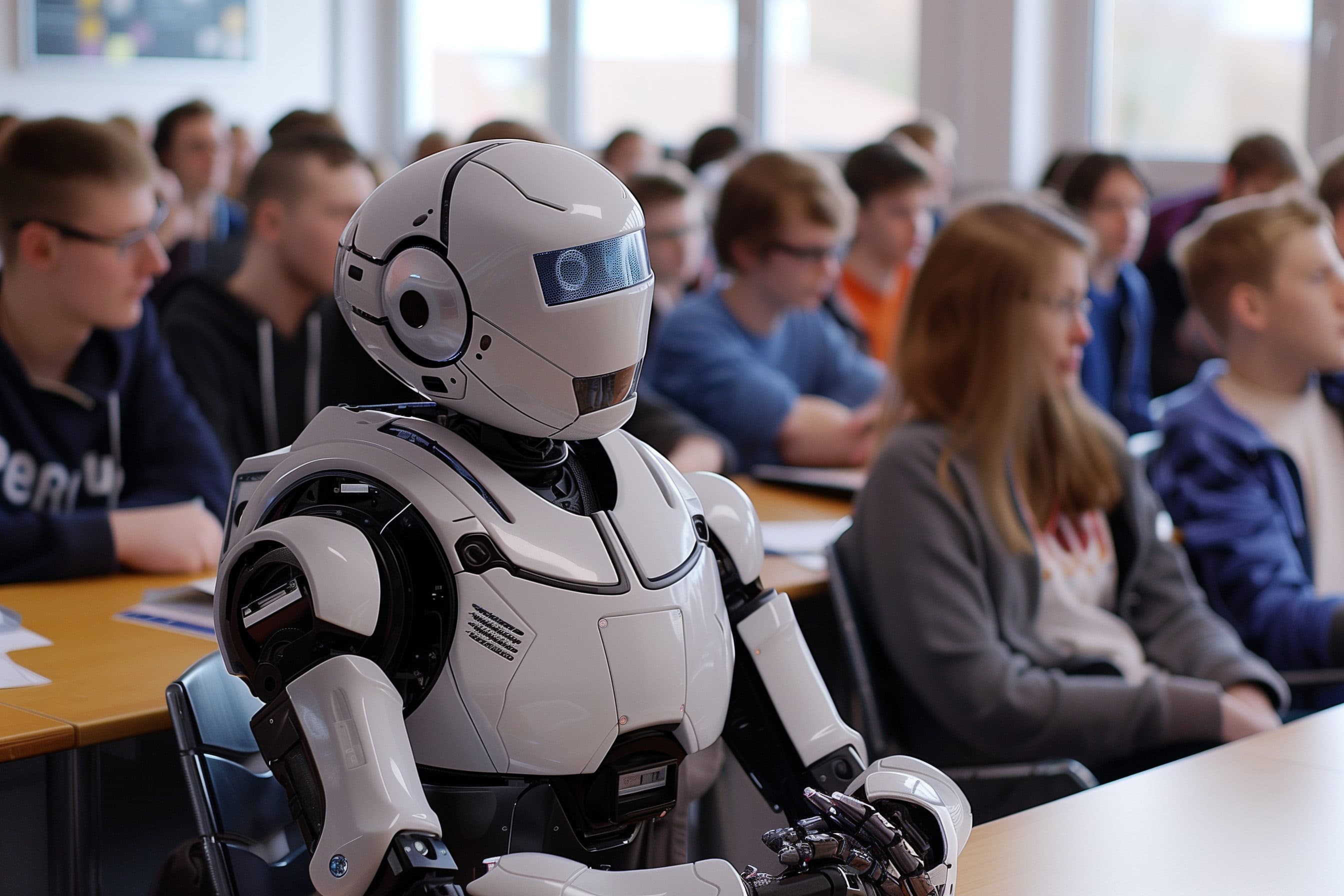
The recent discourse around the integration of Artificial Intelligence (AI) in educational settings has unveiled a complex web of challenges and opportunities for institutions, educators, and students alike. The narrative is evolving rapidly, with instances from universities and schools across Germany serving as a microcosm of a global conversation on how we navigate this new frontier.
Germany, with its long-standing tradition in Wissenschaft (science and scholarship), presents a rich tapestry of opportunities for academic research. Renowned for its rigorous academic standards and emphasis on innovation, Germany offers a conducive environment for researchers across various disciplines.
Pursuing higher education in Germany involves exploring various financial support options, including scholarships, grants, and government assistance like Bafög. Understanding these resources is key to effectively managing your academic journey in Germany.
Pursuing studies in Germany, a country with a rich academic heritage, is an aspiration for many international students. To make this dream a reality, understanding the intricacies of student visas and permits is essential. This knowledge ensures a smooth entry into the country and a focus on academic endeavors without administrative hindrances.
In Germany, the concept of Weiterbildung (continuing education) is deeply ingrained in the societal fabric, reflecting a commitment to lifelong learning. Adult education programs are diverse and widely accessible, offering opportunities for personal growth, career advancement, and integration into German society.
In a country renowned for its educational rigor, international schools in Germany offer a unique blend of global curriculum and multicultural exposure. These schools cater primarily to the expat community, providing an educational environment that aligns with international standards and languages, often in English.
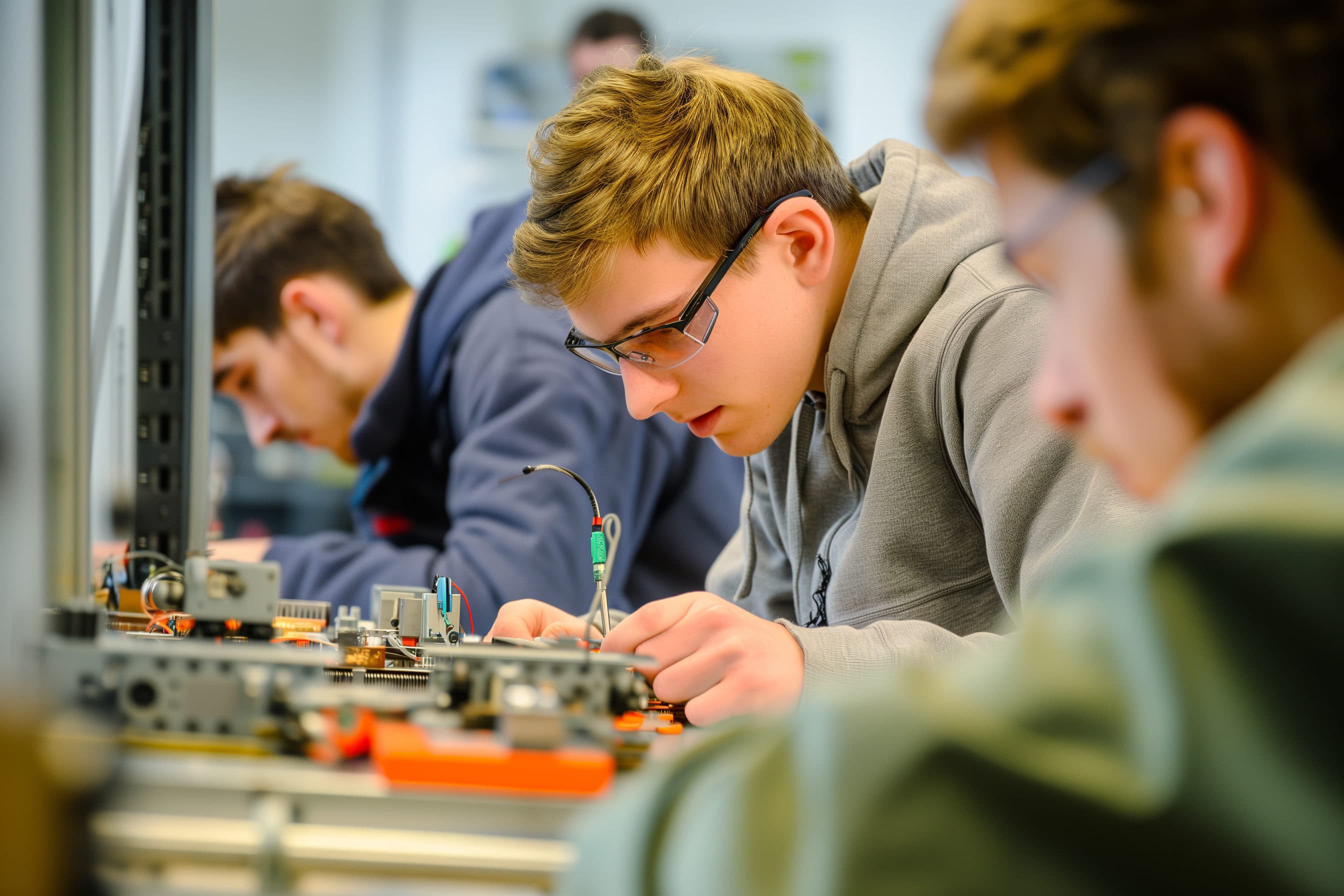
Germany's approach to vocational training, known as Berufsausbildung, epitomizes the country's commitment to skilled craftsmanship and industry. The dual system (duales Ausbildungssystem) combines Praxis (practical training) in a company with Theorie (theoretical education) at a Berufsschule (vocational school).
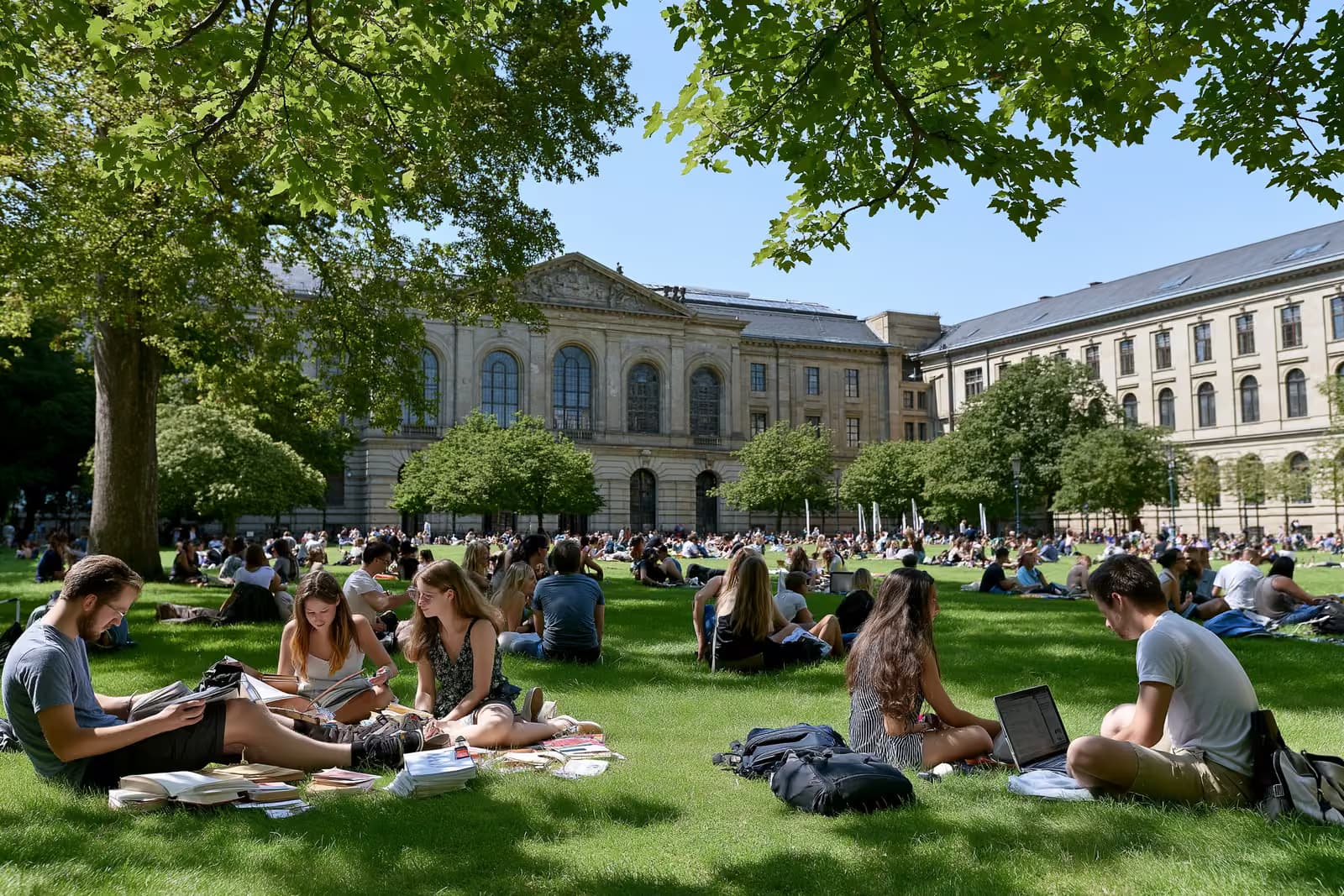
Germany's higher education landscape is distinguished by its diverse offerings, robust academic standards, and a strong emphasis on research and innovation. It caters to a wide array of academic interests and professional aspirations, attracting students from across the globe.
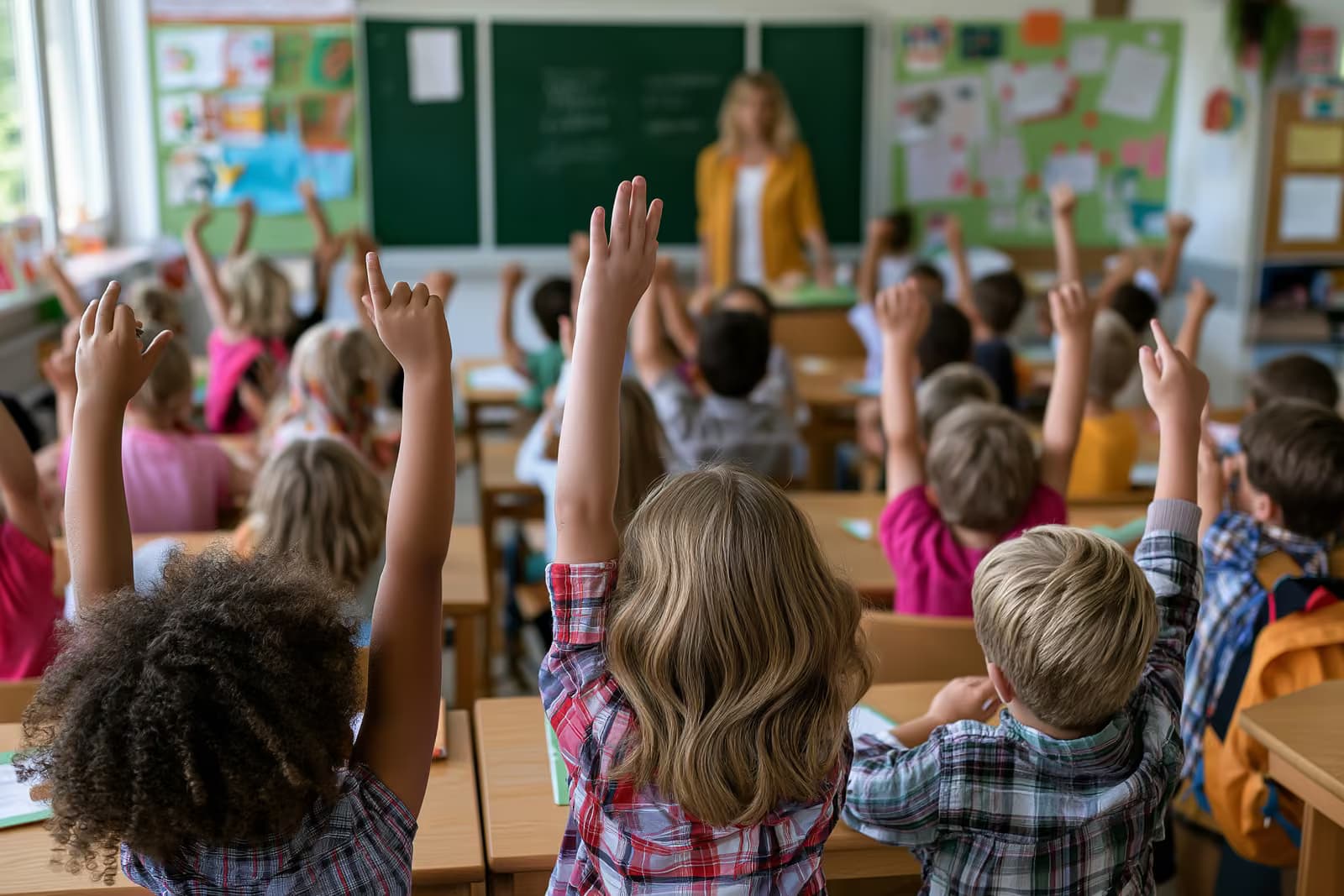
The journey through the German education system begins with primary education, a crucial stage in a child's development. Primary education in Germany, known as Grundschule, typically starts at the age of six and extends for four to six years, varying slightly among the federal states.
Germany's education system, renowned for its thoroughness and quality, offers a diverse range of options catering to different interests and abilities. From early childhood education to higher education and vocational training, the system is designed to support and nurture the academic and professional development of every individual.