Challenges and Trends in Germany's Asylum Policy and Deportation Efforts
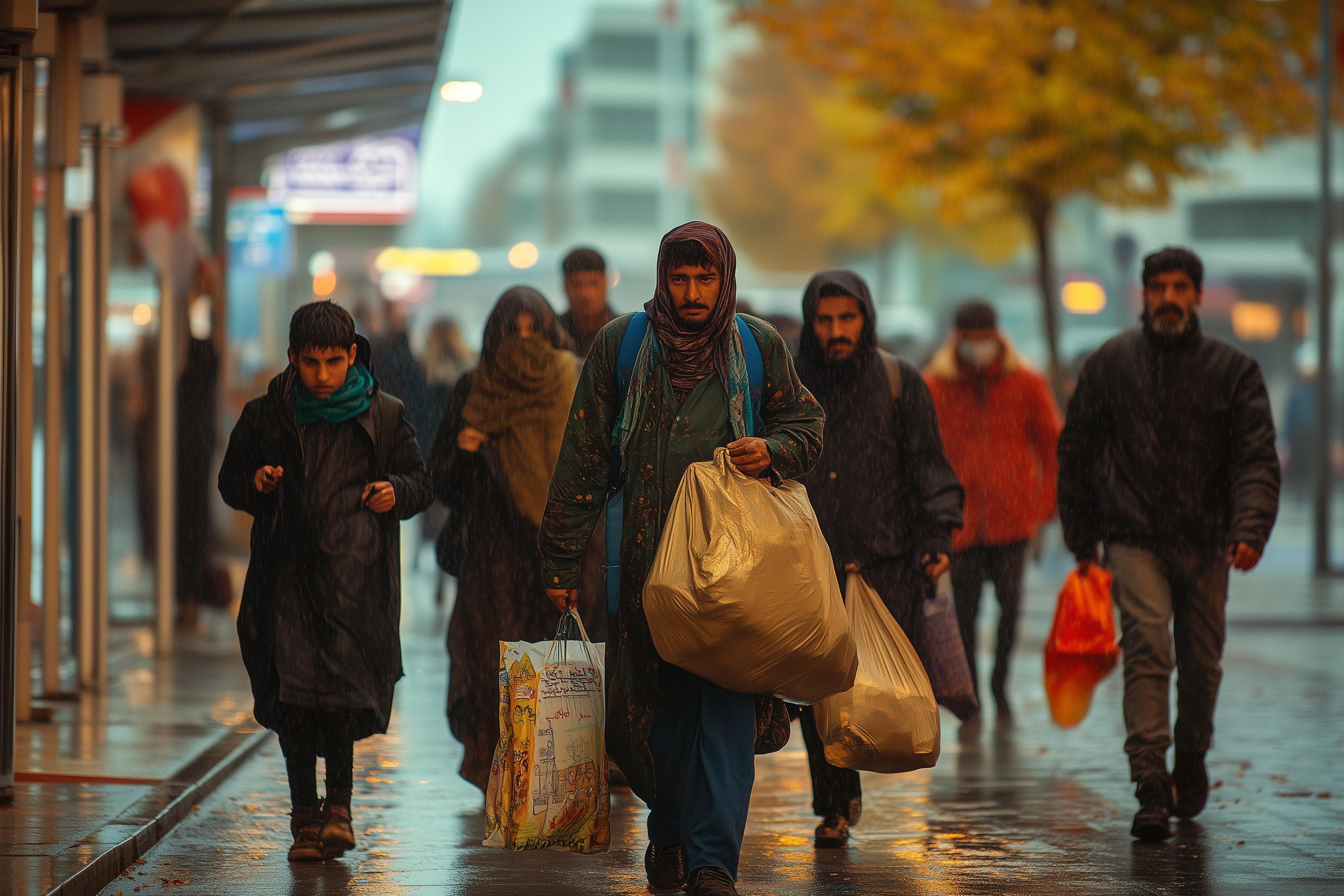
Political pressure is mounting on Germany to deport more rejected asylum seekers as incidents draw scrutiny.

 EnglishEnglishWeLiveIn.de
 DeutschWirLebenIn.de
 РусскийЖивемВ.de
 PolskiMieszkamyW.de
 УкраїнськаЖивемоВ.de
 TürkçeYasiyoruz.de
 ItalianoViviamoIn.de
 EspañolVivimosEn.de
 PortuguêsVivemosNa.de
 RomânăLocuimIn.de
 ShqipJetojmëNë.de
 LietuviųGyvename.de
 LatviešuDzivojam.de
 БългарскиЖивеемВ.de
 ΕλληνικάΖούμεστη.de
 MagyarÉlünk.de
 FrançaisLaVieEn.de
 HrvatskiŽivimoU.de
 ČeštinaŽijemeV.de
Discover how to become a part of German society. Articles here focus on cultural norms, social etiquettes, and local customs to help you blend in and understand the German way of life, enhancing your integration process.
Page 4 / 5
Political pressure is mounting on Germany to deport more rejected asylum seekers as incidents draw scrutiny.
A wave of court rulings and government decisions on refugee policy is reshaping communities across Germany.
Interior Minister Nancy Faeser is pushing to extend border controls with Poland, Austria, Switzerland, and the Czech Republic.
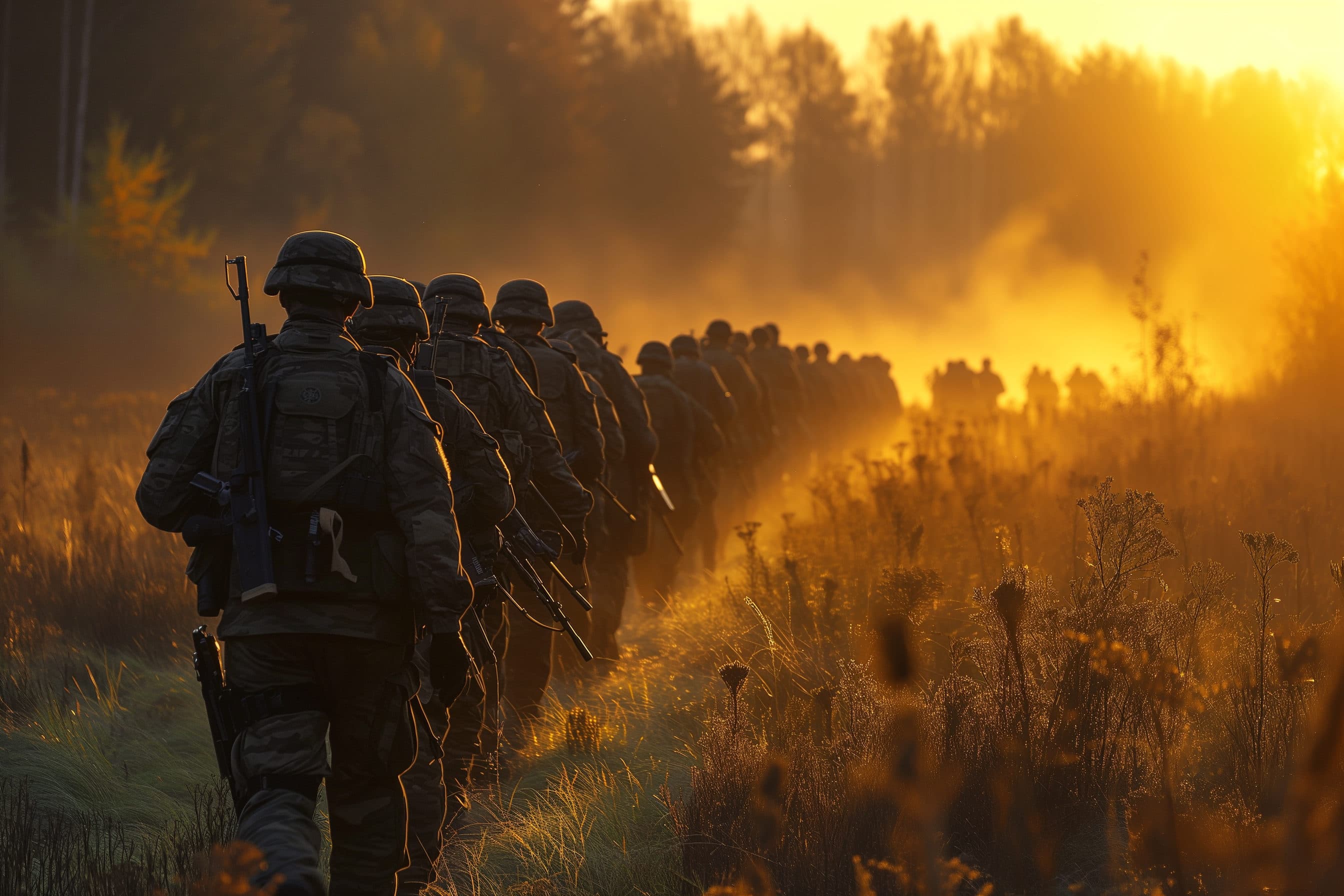
As Germany faces a significant personnel shortage in its armed forces, the idea of enlisting soldiers without German citizenship is gaining traction. Defense Minister Boris Pistorius, along with key political figures from the Union and FDP, are showing a willingness to consider this proposal, potentially marking a significant shift in Bundeswehr recruitment policies.
Whether it's routine check-ups, specialist care, or emergency services, knowing the right procedures and contact points is crucial for expats. This article provides guidance on how to find and access medical care in Germany.
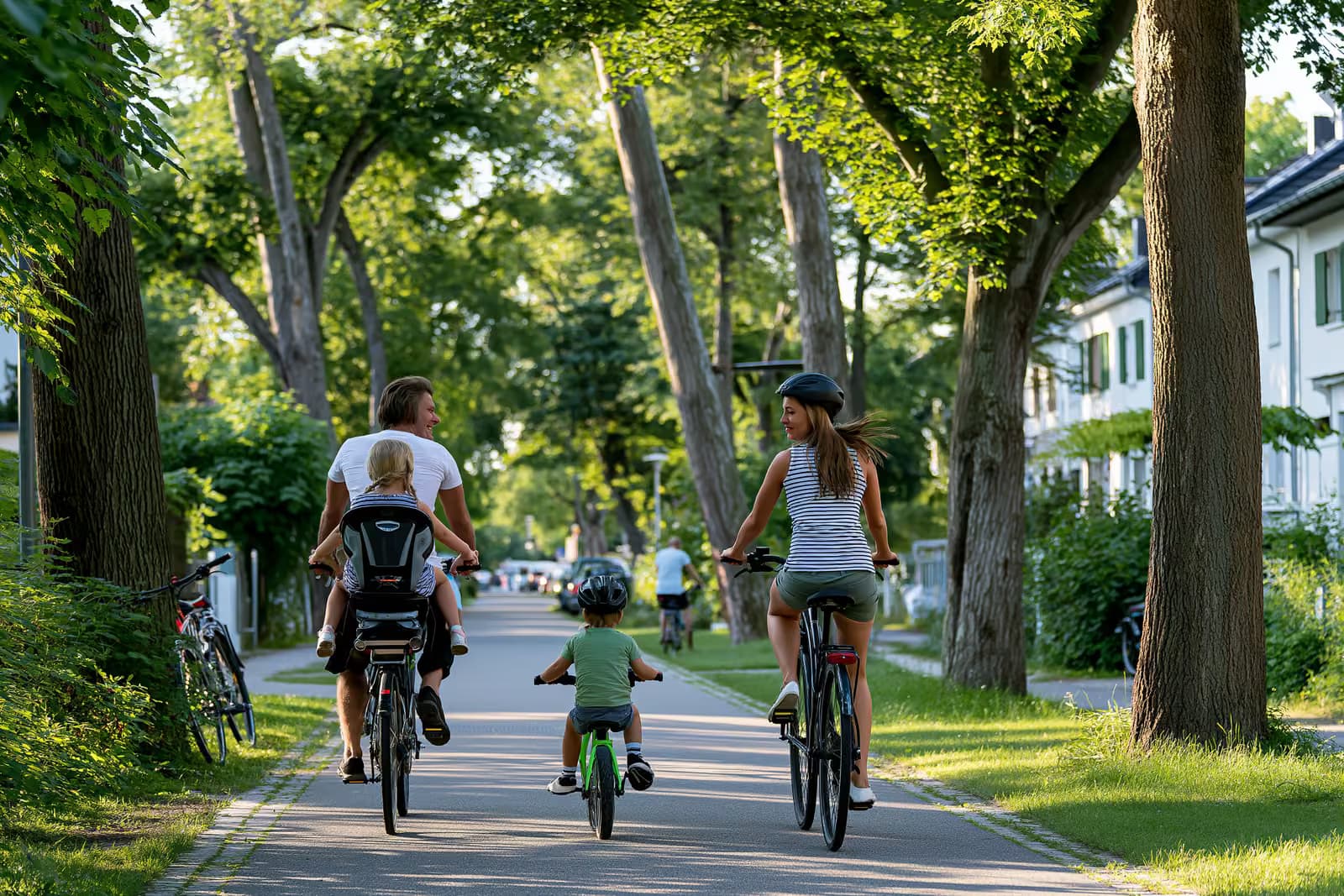
German family dynamics often reflect broader societal values such as independence, responsibility, and respect. A notable aspect is the approach to parenting, particularly the relative autonomy granted to teenagers, reflecting a belief in fostering independence from a young age.
The nuances of small talk in Germany can be an intriguing aspect of cultural adaptation for expats. While Germans do engage in small talk, their approach can differ notably from other cultures such as the British or Spanish. Understanding the German perspective on small talk and mastering it can greatly enhance your social interactions in various settings.
Entering the dating scene in Germany can be both an exciting and unique experience for expats, especially those accustomed to the dating norms and expectations of other countries, like the United States. The German approach to dating can differ significantly, characterized by a more direct communication style and a different pace in forming relationships.
Dining in Germany is not just about savoring the local cuisine; it's also an immersion into a culture that prides itself on its dining etiquette and customs. For expats, understanding these dining norms is key to enjoying the full culinary experience in Germany and can make social interactions more comfortable and enjoyable.
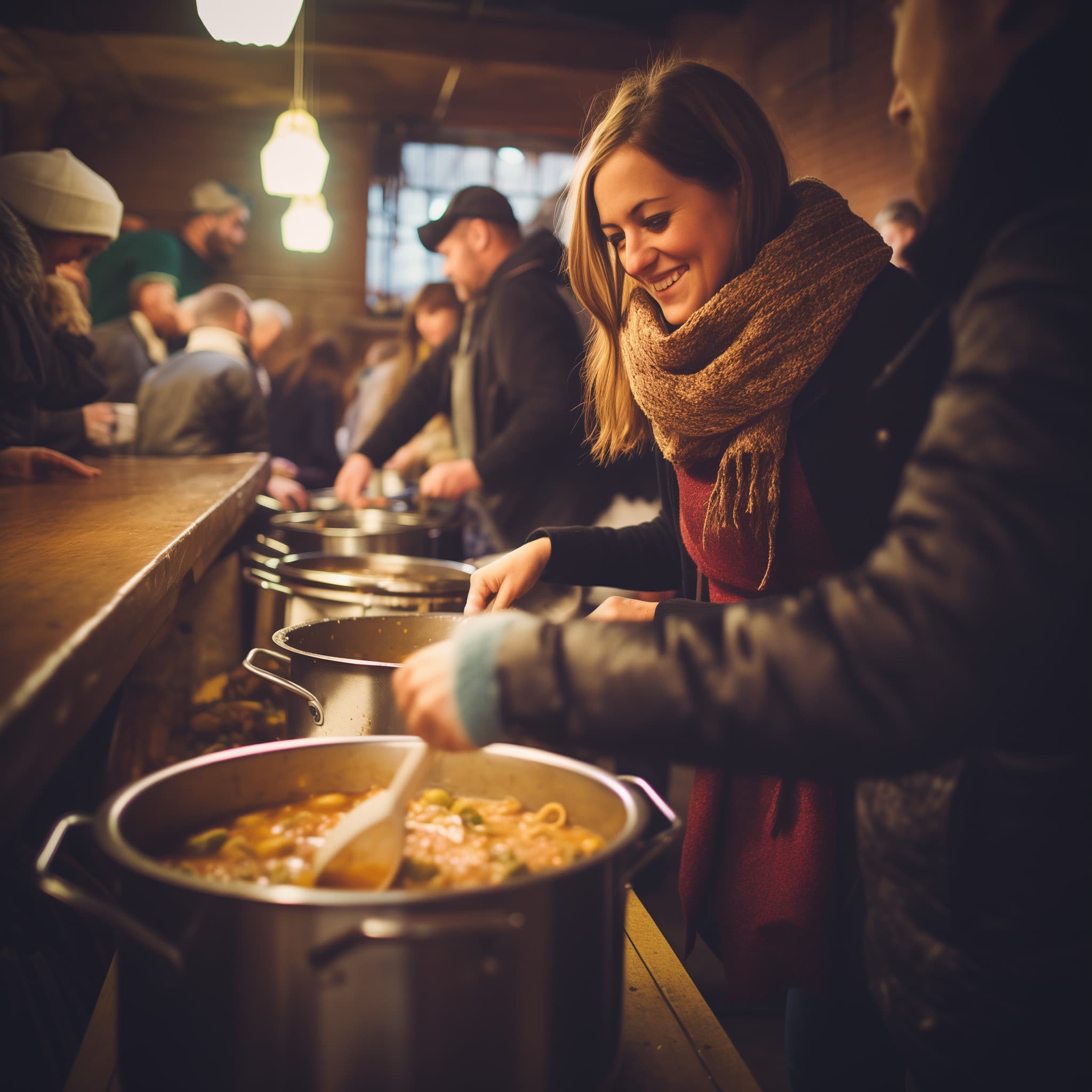
Volunteering in Germany, or 'Ehrenamt', is a culturally enriching and socially valuable experience that resonates deeply in the German way of life. Many Germans engage in volunteer work, contributing to a variety of sectors like social services, environmental conservation, and cultural organizations. For expats, volunteering presents a unique opportunity to integrate into the community, learn the language, and understand the cultural nuances of their new home.
For expats in Germany, forming connections with both Germans and fellow expats can create a supportive and diverse social network. This article provides insights and strategies to help foster these valuable intercultural friendships.
In Germany, the concept of 'Vereine' (associations or clubs) plays a vital role in social life and culture. These clubs are not merely extracurricular activities but are integral to the social fabric of the country. Understanding the significance and functioning of 'Vereine' is essential for expats looking to integrate into German society.