Coalition of the Willing Wants a Seat at Talks
5 min read
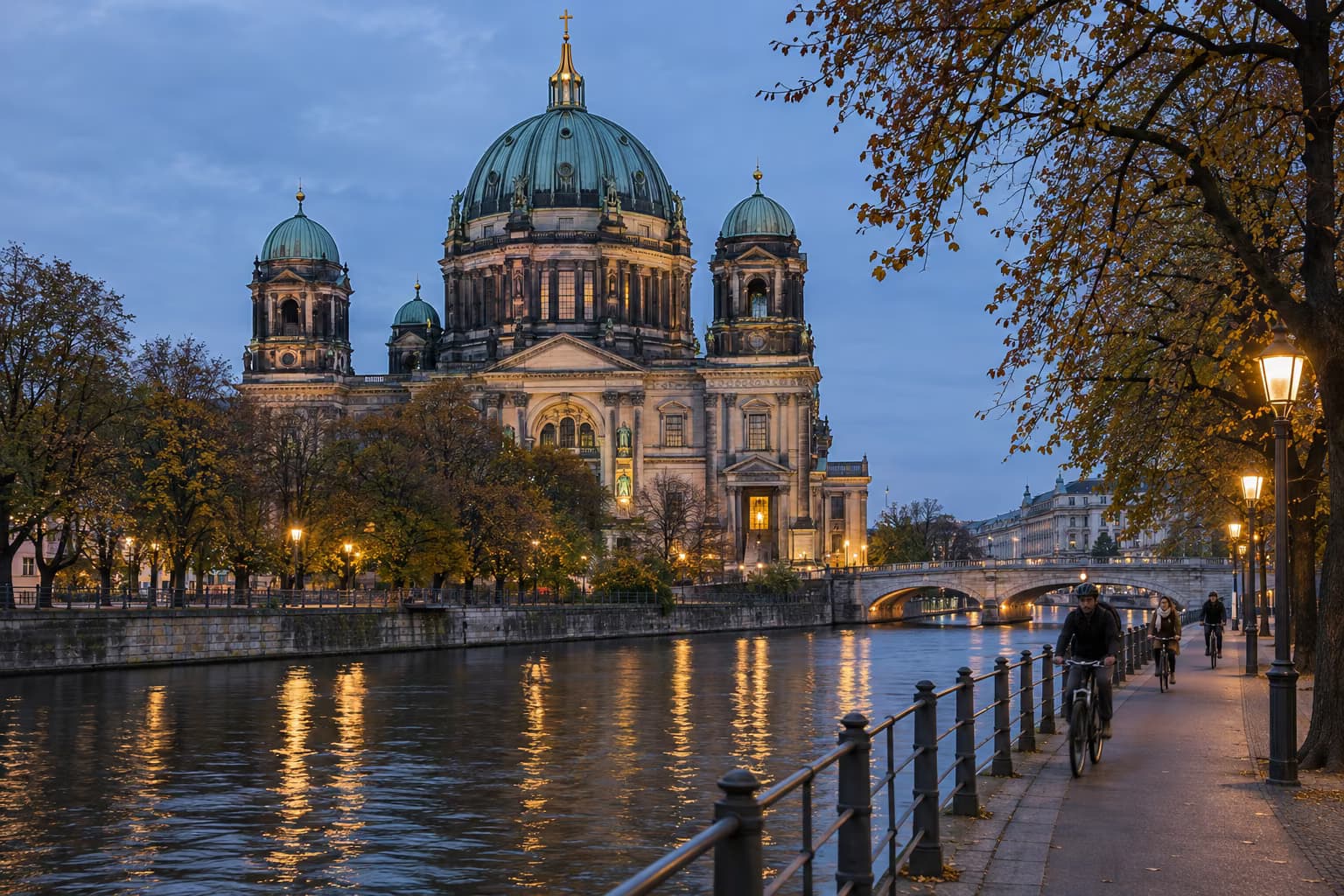
Berlin hosted the largest meeting of the Coalition of the Willing since the group was founded in early 2025. On 19 November, leaders and delegations from around 40 countries gathered in the Chancellery to coordinate their support for Ukraine and to agree how Europe wants to take part in any future peace talks with Russia. Chancellor Friedrich Merz, French President Emmanuel Macron and British Prime Minister Andy Burnham hosted the day together with Ukrainian President Volodymyr Zelensky.
The Coalition of the Willing is an informal alliance of countries that supply weapons, money or humanitarian help to Ukraine. Its members range from Poland and Canada to Japan and Australia. For the more than one million Ukrainians registered in Germany (about 1.27 million, according to our earlier report), and for everyone else who follows the war from here, the Berlin summit matters because it shows what Europe is prepared to promise once the fighting stops.
What the Coalition of the Willing decided in Berlin
According to ZDF, Merz named three main decisions after the talks: additional European support for Ukraine in 2027, preparation for negotiations, and a common European voice at the table. The money is tied to a European Commission proposal worth 45 billion euros for next year. The taz newspaper notes that the proposal still needs approval from all 27 EU member states, with a special summit in Brussels planned for the following week, and that Britain has pledged around 11 billion euros of additional aid on its own.
On the question of who speaks for Europe, the Ukrainian news site h.ua reports that the group named Germany, France, the United Kingdom, Italy and Poland, together with the EU and NATO, as the European side in future talks. The taz mentions a similar group agreed in Dublin the week before. The participants also called for a winter energy ceasefire and for calm in the Black Sea, according to h.ua.
Not everything was settled. Russia has so far rejected an immediate ceasefire, ZDF recalls, and h.ua reports that Kremlin officials disputed that a wider negotiating format had been agreed. The Russian side said Europeans should first come to Moscow with their proposals.
A counter-summit on the same day
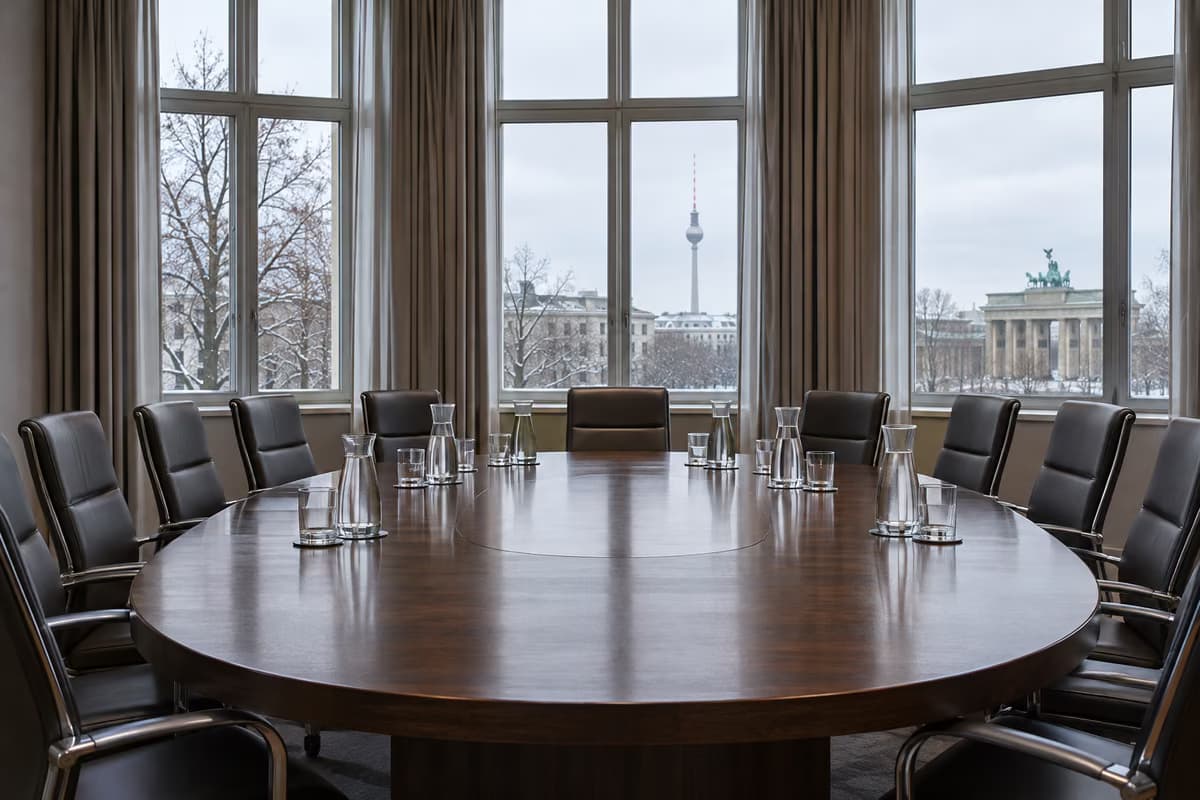
The timing was deliberate. A few hours earlier, US President Donald Trump, Russian President Vladimir Putin and Chinese leader Xi Jinping had met in Shenzhen. The Tagesspiegel, citing dpa, described the Berlin meeting as a kind of counter-event, and Zelensky had warned beforehand of a "second Yalta", a reference to the 1945 conference where the wartime victors reshaped Europe without those affected at the table.
Merz made the point openly. Speaking in Berlin, he said that the Shenzhen meeting had produced no concrete decisions and that a Yalta format would not bring peace, according to ZDF. He also urged Putin to end the war and said that talks can only succeed with both Ukraine and Europe taking part. Every guest received a small piece of the Berlin Wall, the taz reports, as a symbol of what united countries can achieve.
The American side was present too. US envoys Steve Witkoff and Jared Kushner attended and appeared at the press conference. Trump did not come to Berlin but phoned Kushner, who held the phone to the microphone, ZDF says. According to Burnham, Trump spoke positively about the Shenzhen talks and also mentioned the victims on both sides.
Security guarantees: what is clear and what is not
The hardest question is what happens after a ceasefire. Since December 2025 the Coalition of the Willing has planned a multinational force to secure any truce. The Tagesspiegel reports that a first exercise with around 2,800 soldiers from eleven countries, including the Bundeswehr, is currently under way in Poland, in the airspace over Romania and in the western Black Sea.
On 26 November, at the margins of an EU summit in Brussels, Merz said that Europeans and the US government agree on "Article 5-like" security guarantees for Ukraine, as reported by the Austrian broadcaster ORF. Article 5 is the mutual defence clause of the NATO treaty. Merz added that it is still unclear what such guarantees would look like in detail. According to h.ua, he also left open whether US troops would have to be present, and Zelensky said that Ukraine has not yet been officially offered guarantees at that level.
In other words, the principle is now stated publicly, but the legal form, the contributions of individual countries and the American role are still open. Readers should treat any claim of a finished deal with caution.
What the Coalition of the Willing means for Ukrainians in Germany
Nothing in the reports on the summit changes residence or benefit rules for people from Ukraine who already live here. The summit dealt with diplomacy, aid and military planning. The legal side is separate: as we reported earlier, EU member states extended temporary protection for Ukrainians until 4 March 2028, with a new condition for military-age men who arrive from now on. You can read the details in our article on the extension of Ukraine temporary protection.
The political debate in Germany about draft-age Ukrainians continues in parallel. Interior Minister Alexander Dobrindt has argued that some of them should return, which we covered in our report on the return debate. A stronger European role in the peace process could eventually shape such discussions, but no reporting on the summit links the two topics.
If you hold a residence permit under temporary protection, there is nothing to do right now. Keep your documents up to date, check the website of your local Ausländerbehörde (foreigners authority) for deadlines, and be cautious with social media posts that claim that rules have already changed.

What to watch next
Three things will show whether the Berlin summit was more than a photo. The first is the EU decision on the 45 billion euro package for 2027, which is expected at a special summit in Brussels. The second is whether Russia accepts European participation, as US representatives claimed it had, or whether the Kremlin keeps insisting on talks only with Washington. The third is whether the "Article 5-like" wording turns into a text that Ukraine can actually rely on.
For now, the Coalition of the Willing has shown that it can fill the Chancellery with leaders and agree on a common line. Whether it can turn that line into binding commitments is the open question for the coming weeks.