Energy price increase hits basic-rate customers
4 min read

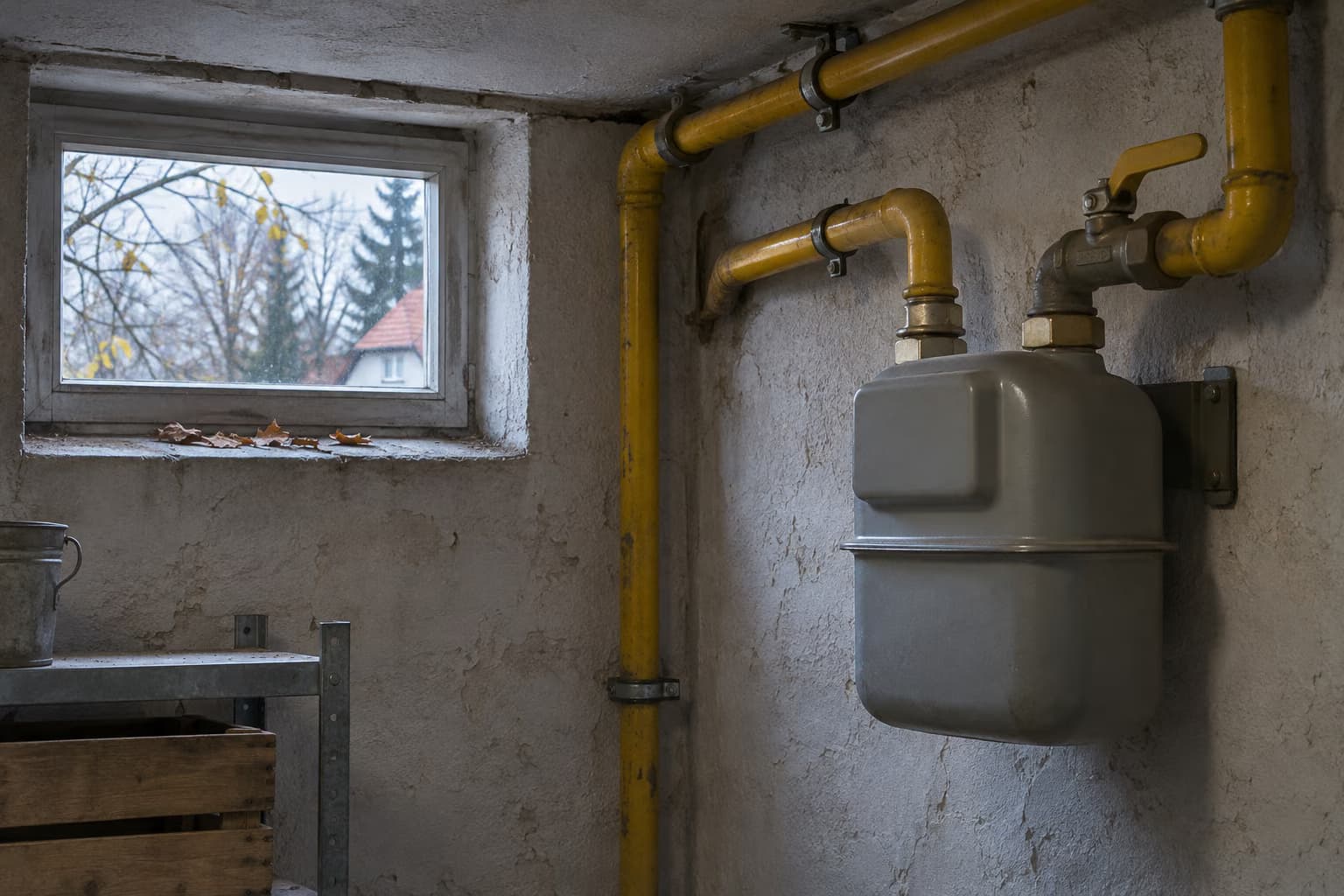
Gas and electricity bills are set to rise again in the new year, and the energy price increase is hitting hardest among households on the basic supply tariff (Grundversorgung). According to the comparison portal Verivox, 82 gas suppliers in that category announced rises for the period from November 2026 to January 2027, with an average increase of 14 percent. Households that have never switched supplier are the ones most exposed, but the same rules also give them a simple way out.
How big the energy price increase is
Verivox counted the announcements up to 11 November and calculated that a household using 20,000 kilowatt hours of gas a year would pay about 353 euros more. For electricity, the portal registered 58 announced increases, averaging 8 percent. The market data provider Enet, which reported on 13 November, counted different figures at that point, with an average power rise of 3.12 percent and a gas rise of 10.93 percent. The totals are interim, and Verivox itself expected the number of rises to grow before the announcement deadline passed, so the final picture may look slightly different.
The Berliner Kurier reported on 16 November that some households face much bigger jumps. The Gasag announced a rise of up to 384 euros a year for gas, and the paper reported increases of up to 178 euros for power at other providers. Energiemarie, a consumer guide, cites the trade magazine ZfK for the largest rise reported so far, at the Stadtwerke Hamm, which adds about 566 euros a year.
Which suppliers pass on the energy price increase
The increases are not uniform. Energiemarie lists EnBW, EWE, RheinEnergie, swb and the Leipzig municipal utility among the suppliers that raised their gas basic rates, while Mainova in Frankfurt and BELKAW kept their gas basic-rate prices unchanged. Ms-aktuell, which covered the same announcements on 17 November, adds that several suppliers changed power prices too, including EWE and the Krefeld utility SWK Energie. Where you live therefore matters a great deal, and the same consumption can cost very different amounts from one city to the next.
Energiemarie's table also lists some increases as ranges rather than fixed amounts. The Stadtwerke Hamm announced a rise of up to 2.68 cents per kilowatt hour, and EVH, the Stadtwerke in Halle, announced an increase of less than 30 percent. Households should therefore check the notice from their own supplier rather than rely on a national average.
What the basic rate means for your bill
The basic rate is the tariff that your local supplier must offer to any household that has not chosen a contract. It is simple to get, because you do not need to sign anything when you move in, but it is usually one of the most expensive options. Verivox has said that about 22 percent of German households remain on a basic power tariff and around 16 percent on a basic gas tariff, citing the Federal Network Agency. In a June 2026 press release the portal said that the basic gas price in the first half of the year was about 4 cents per kilowatt hour above the cheapest available gas tariff, and the basic power price about 16 cents above the cheapest electricity tariff.
The basic rate can also change at short notice. A supplier that raises prices on 1 January must announce the rise by 20 November, which is the deadline that has now passed. That is why many households are seeing the new numbers only now, and why the higher prices will appear in bills from January. For the wider trend, see our earlier coverage of the gas price increase and of the energy prices for 2027 in Germany.
How to leave the basic rate
Leaving the basic rate is easier than many people expect. Energiemarie explains that customers can cancel a gas basic-rate contract at any time with two weeks' notice, under the rules of the gas basic supply ordinance (§ 20 GasGVV). If you have a special contract with a fixed term or a different supplier agreement, the rule is different: the contract usually gives you a special right to cancel on the day the price rises, regardless of the reason the supplier gives. Verivox adds that a new supplier handles the cancellation of the old contract for you, and that no technical changes are needed in the meter or the home.
Before you switch, compare the total annual cost for your own consumption rather than the headline price per kilowatt hour. Look at the monthly base fee as well as the working price, check whether the new contract has a price guarantee, and read the cancellation terms. A new contract with a fixed period is still a good option if the price is clearly below the basic rate and the guarantee covers the coming year.

What this means for expats
If you rent a flat and have never looked at your energy contract, the first step is to find out which tariff you are on. Your bill or the supplier's online account will say whether you are on a basic rate (Grundversorgung), a special contract (Sondervertrag) or a fixed-term tariff. If you are on the basic rate, a switch now can save a large amount of money over the year, even after the increase. Keep in mind that the numbers quoted by Verivox are averages across many suppliers, so your own saving depends on your local prices and your household size.
Do not wait for the first higher bill to act. The deadline for many of the rises has passed, but the right to leave a basic-rate contract at short notice remains in place. Check the notice period in your contract, make sure your new supplier confirms the start date in writing, and keep the confirmation in case the old supplier sends a bill for the transition.