Gas storage target missed: is winter at risk?
5 min read
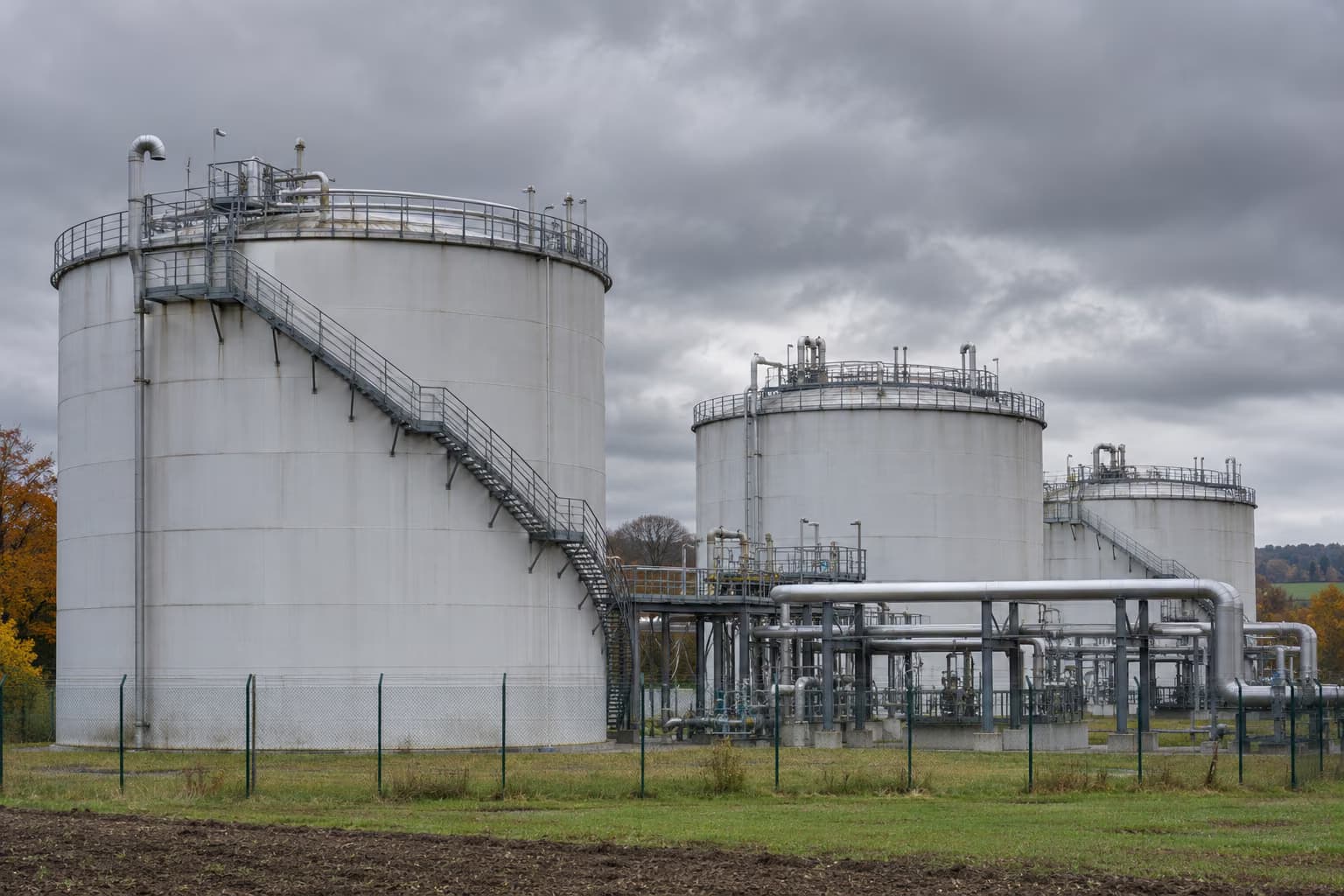
Germany has entered the heating season with its gas storage sites far emptier than the law intends. At the start of November the storage facilities were only about 61 to 62 percent full, which corresponds to roughly 151 terawatt hours (TWh) of natural gas. The gas storage target for 1 November, which works out at about 70 percent across all sites, was clearly missed. The Bundesnetzagentur, the federal network agency, still rates the risk of a supply shortage as low. For households, the bigger issue is likely to be the price.
The gap is large by recent standards. At the end of September, German storage was about 57 percent full, compared with roughly 76 percent a year earlier, ZDF reported. Across the EU, storage sites were around 75 percent full at the end of October, so Germany is lagging behind many of its neighbours.
How the gas storage target works
The rules come from a storage ordinance introduced after the 2022 energy crisis, when Russia stopped direct gas deliveries. For most facilities, operators must reach a fill level of 80 percent by 1 November. Six sites with slower injection and withdrawal rates, among them Rehden in Lower Saxony, Germany's largest storage facility, only need to reach 45 percent. Taken together, these figures produce the national gas storage target of about 70 percent. A further milestone applies on 1 February, when most sites should still be about 30 percent full.
These targets are due to expire at the end of March 2027. According to Bloomberg, the federal government has already discussed with the industry whether utilities, power plant operators or traders could be required to hold a set amount of gas in storage by a fixed date in future. The storage industry association INES called the shortfall a "serious warning signal". Its managing director Sebastian Heinermann said the filling of storage for future winters must be secured through more binding requirements.
Why storage stayed so low this year
The main reason is price. Traders normally buy gas in summer, when it is cheap, and sell it in winter, when it is dear. This year that model did not work. After the start of the war involving Iran at the end of February, gas prices rose sharply. Gas facilities in Qatar were damaged and the Strait of Hormuz, through which around 20 percent of global LNG trade normally passes, was blocked, ZDF reported. With summer prices high compared with winter prices, there was little commercial reason to inject gas into storage.
Competition for supplies has added to the pressure. Buyers in Asia, including China and South Korea, are filling their own reserves, which drives up prices for liquefied natural gas (LNG). Hendrik Diers of the University of Cologne told ZDF that Germany faces a price crisis rather than a supply crisis.
Government orders SEFE to buy more gas
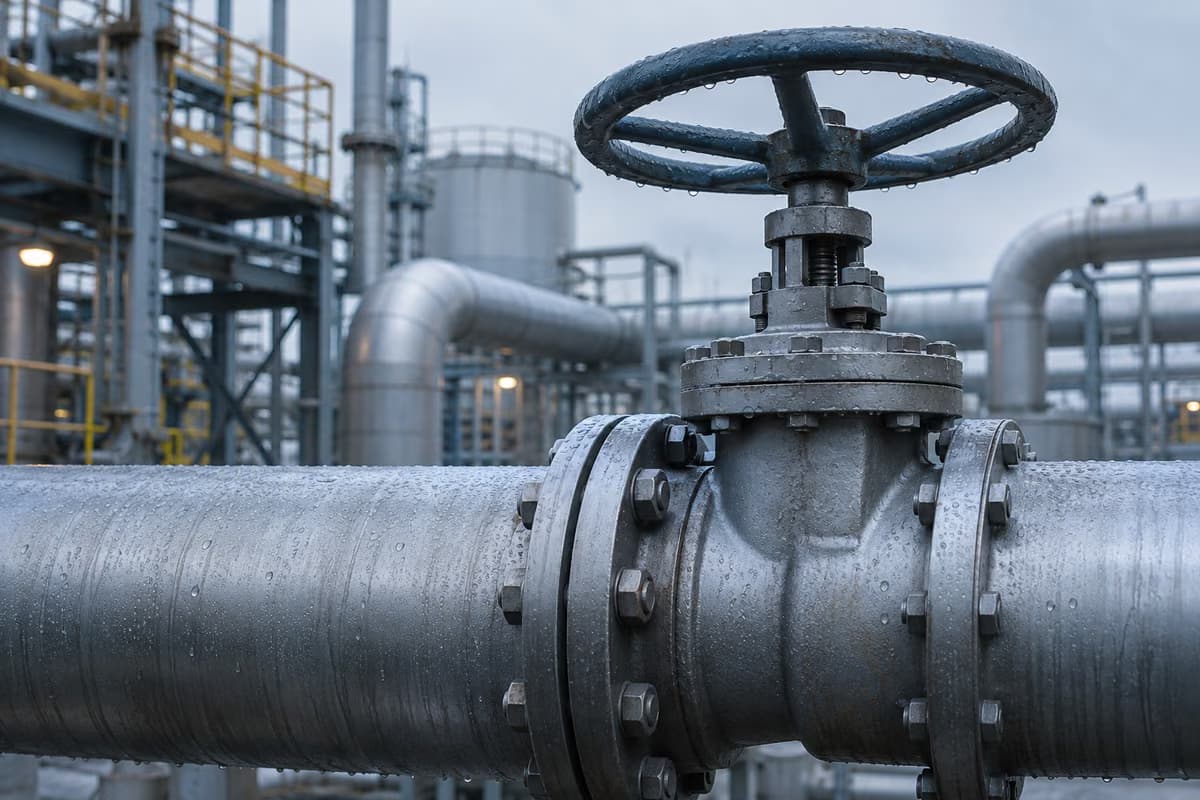
For months, the economy ministry under Katherina Reiche relied on market incentives and avoided direct state purchases, which had pushed prices up in the past. At the end of September it changed course. The government, as owner, instructed the state-owned gas importer SEFE (Securing Energy for Europe) to buy and store an additional 8 TWh of gas by 15 December. SEFE, the former German unit of Gazprom, operates around a quarter of Germany's storage capacity.
Measured against total German storage capacity of about 247.5 TWh, the extra volume adds roughly 3.2 percentage points, according to the energy news site oEnergetice. That is helpful, but it will not close the gap to the gas storage target on its own. The economy ministry said at the end of October that fuller storage would have been desirable. A ministry spokeswoman said Germany would nevertheless get through the winter well, because supply security depends not only on storage levels but also on actual consumption, continuing imports and other precautions.
Is there a risk of a gas shortage this winter?
In its situation assessment of 2 November, the Bundesnetzagentur rated the risk of a tight gas supply as low. It said storage levels were well below previous years and that storage was likely to be comparatively empty at the end of winter. Unlike in 2022, Germany now has LNG terminals on its coast and receives pipeline gas from Norway and neighbouring countries. Since July 2025, only the first stage of the national gas emergency plan, the early warning level, has been in force.
The weather remains the main risk. A long and very cold winter could empty the storage sites faster than expected, and new disruptions to supply routes would add pressure. Timm Kehler, head of the industry association Die Gas- und Wasserstoffwirtschaft, warned that low storage means a smaller buffer and could lead to price spikes on the short-term market. Gas would be available, he said, but at higher prices.
What the missed gas storage target means for households
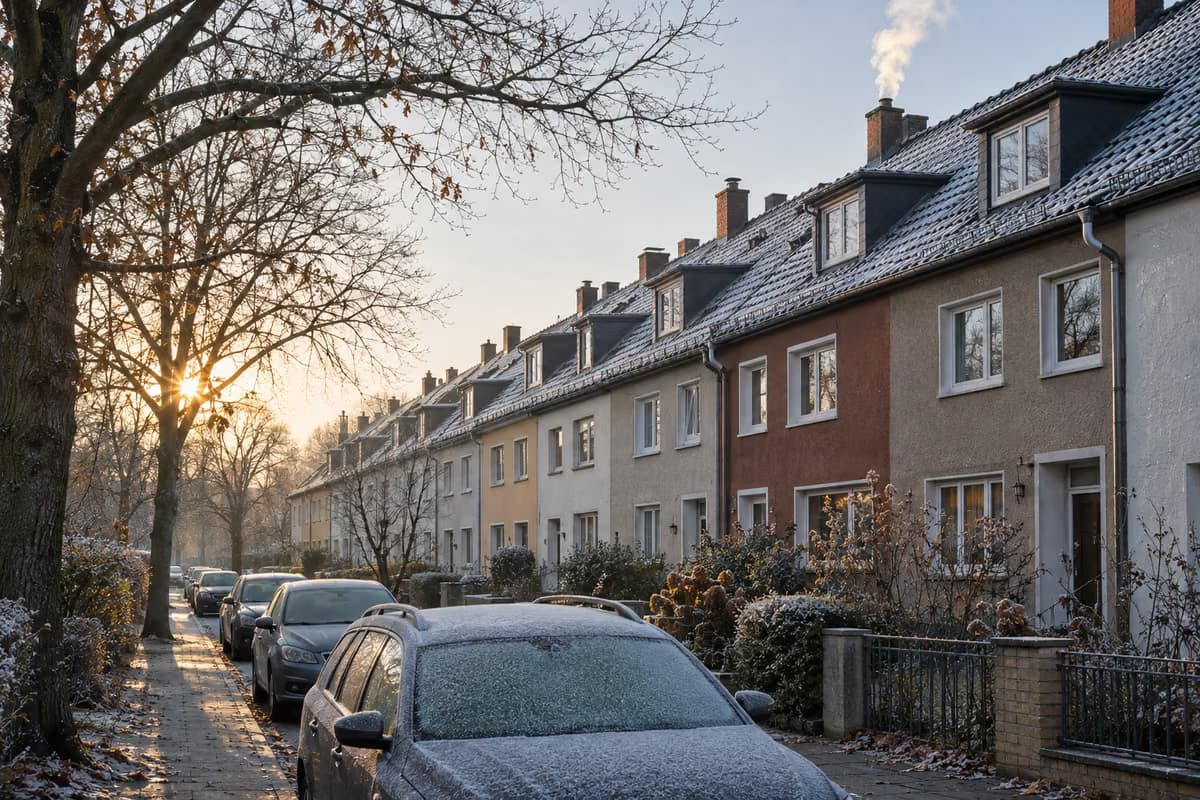
There is no general obligation to save gas. The Bundesnetzagentur nevertheless recommends using it sparingly, given that energy prices are comparatively high. Lowering the room temperature by one degree noticeably reduces consumption, as do airing rooms properly, keeping radiators free and setting the heating to what you actually need. Rooms should not get so cold that damp, mould or health problems develop.
Customers with running contracts are largely protected from short-term price swings, but only a full price guarantee rules out increases. New contracts are already much more expensive: according to the comparison portal Verivox, quoted by ZDF, new customers currently pay about 14 cents per kilowatt hour, compared with 8 to 10 cents before the Iran war. Our recent report on the gas price topping 100 euros explains what tenants with gas heating should expect on their next bills and how the special right to cancel works.
Expats who rent usually pay for heating through their service charges (Nebenkosten), so higher costs often arrive months later with the annual statement. Setting money aside or asking the landlord to raise the monthly advance can soften that shock. Anyone with their own gas contract should check the post carefully over the coming weeks and compare offers before accepting a price increase; our overview of energy providers and options explains how switching works.