Bahn panel weighs fewer trains for punctuality
5 min read
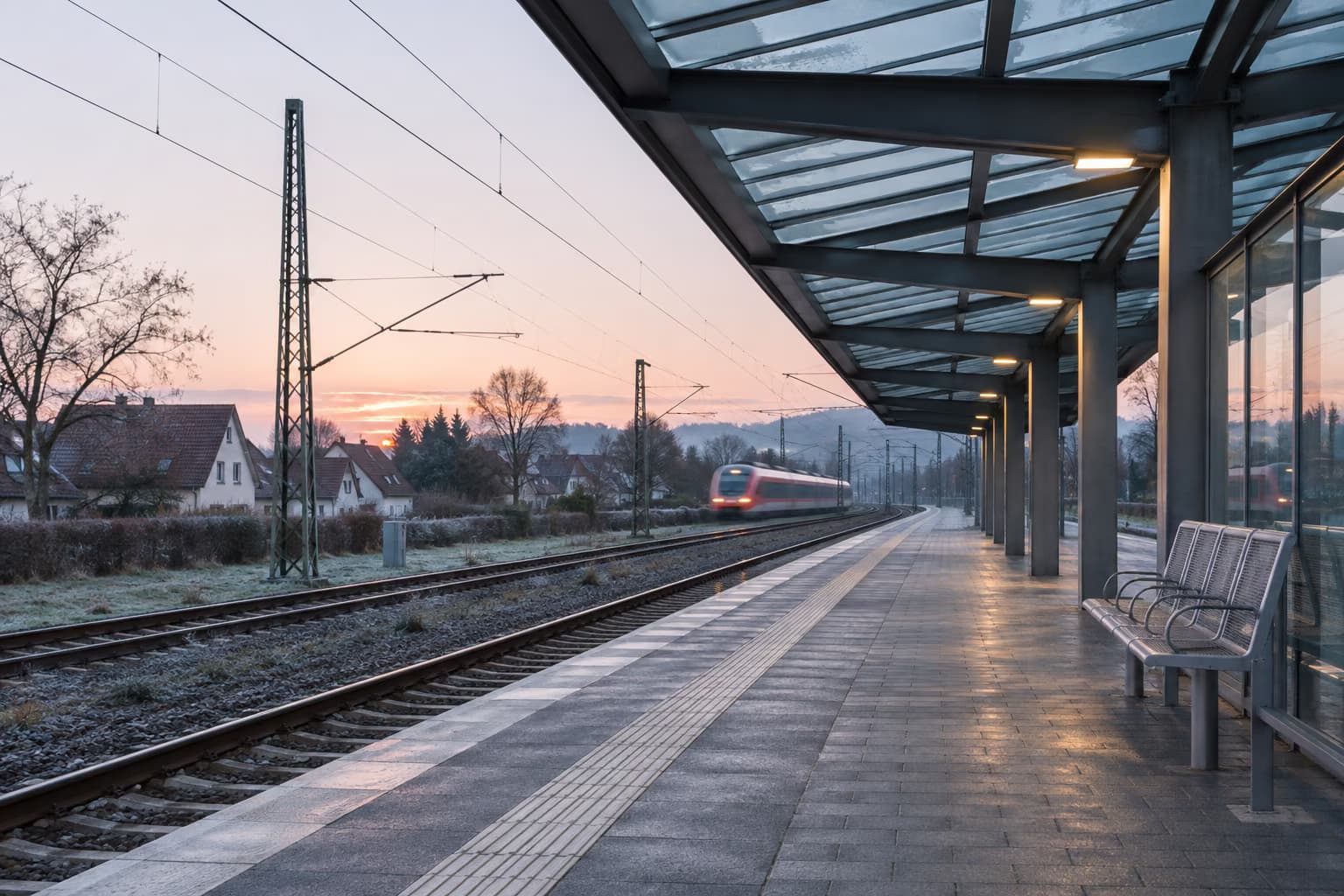
Could fewer trains make German rail travel more reliable? An expert commission set up by Deutsche Bahn began work in Berlin on 3 November to study exactly that question. Its name, "Robuster Fahrplan" (robust timetable), describes the goal: a timetable that the ageing and overloaded network can actually handle. At the same time, new figures show that only 56.2 percent of long-distance trains were on time in October, still well below the target that Deutsche Bahn set itself for this year.
No decision has been made yet. The experts are to present first proposals early in 2027, and the outcome is open. But the idea alone has started a debate among passengers' groups, rail operators and the federal states.
A commission to test fewer trains
The commission was convened by DB InfraGO, the Deutsche Bahn subsidiary that runs the rail network and stations, as an independent body. It is supported by the Swiss timetable specialists SMA und Partner, which carry out the capacity calculations. The experts are to meet several times and look for ways to keep rail traffic stable and reliable during the coming years of intensive construction work. Their results are to be assessed together with politicians, the states and the rail industry, the Stuttgarter Zeitung and VerkehrsRundschau report.
One member is Enak Ferlemann, the federal government's former rail commissioner, who now sits on the supervisory board of DB InfraGO. In an interview with the Tagesspiegel, he gave an example of what fewer trains could mean: between Berlin and Hamburg, long-distance trains could run once an hour instead of every 30 minutes, with the remaining trains running reliably. According to Dr. Web, the commission will first map the current capacity situation and then suggest which connections could be thinned out. Deutsche Bahn has not named any routes, and the Berliner Zeitung stresses that it is still unclear whether fewer trains will actually run.
Why the network is overloaded
Deutsche Bahn names two main reasons for its delays: old infrastructure and overloaded junctions in the big rail hubs. In 2025, more than 10 percent of trains ran on sections that were used at over 115 percent of their capacity, and delays caused by congestion have risen by 150 percent over the past ten years, according to the company's figures cited by several outlets. A late train on a busy line quickly delays the trains behind it, which is why the commission is looking at whether fewer trains could mean more punctual ones.
Construction makes the problem worse. Building work on the network is at a record level, but passengers have noticed little improvement so far, the Stuttgarter Zeitung notes. In October, many construction sites at hubs and on main routes, together with a high number of technical faults on tracks and signals, held trains back, Deutsche Bahn said when it published its monthly figures.
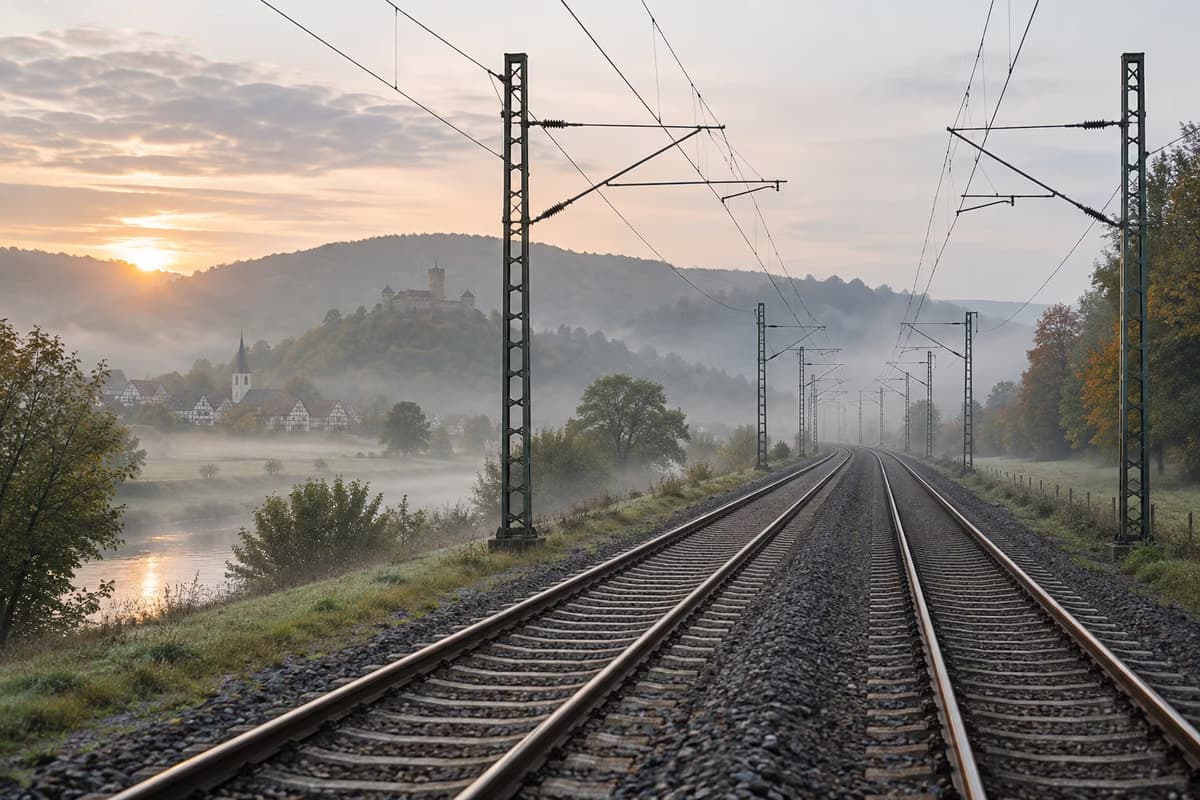
Fewer trains after a weak year for punctuality
October's long-distance punctuality of 56.2 percent was almost four points better than September, when only 52.4 percent of ICE and IC trains arrived on time, according to Deutsche Bahn. A train counts as late from a delay of six minutes, and cancelled trains are not included in this measure. A second figure, which measures whether passengers reached their destination less than 15 minutes late and does include cancellations, stood at 62.3 percent in October.
Rail chief Evelyn Palla had set a target of at least 60 percent for long-distance trains in 2026, and Deutsche Bahn is still clearly short of it. In most months of this year, almost every second long-distance train was late, and in 2025 only about 60 percent arrived without a major delay. If the trend continues, a new record low for the year is possible. The federal government aims for about 70 percent punctual long-distance trains by the end of 2029, Dr. Web reports.
Rail groups split over fewer trains
The idea of fewer trains has drawn criticism. Dirk Flege, managing director of the rail lobby group Allianz pro Schiene, said running fewer trains means fuller trains and not automatically more punctual ones. He argues that the right answer is more capacity on the network. According to Dr. Web, he also pointed to Switzerland, the Netherlands, Denmark and Austria, which run more trains per kilometre of track and are still more punctual. Peter Westenberger of Die Güterbahnen, the association of private freight operators, rejected a general reduction of services and said the whole industry had already ruled this out a year ago.
Regional rail operators are more open. Jan Görnemann, managing director of the Bundesverband Schienennahverkehr, told dpa he had nothing against thinning out services if it affects everyone and is not permanent. In his view, cuts must apply to long-distance, regional and freight trains alike, and the remaining trains should be longer, because short trains waste scarce capacity at overloaded hubs. For regional trains, the federal states, which order and pay for most of these services, would also have a say, Dr. Web notes.
What fewer trains would mean for expats
For now, nothing changes for travellers. Any decision on fewer trains would only come after the commission has presented its proposals in 2027 and they have been discussed with the states and the industry. On busy long-distance routes such as Berlin to Hamburg, a thinner timetable could mean fewer departures to choose from but, if the plan works, fewer missed connections. Critics warn that the remaining trains could be more crowded, so seat reservations may become more important on popular routes.
Until then, plan extra time for important journeys, especially if you need to change trains. If your train is significantly late, you can claim compensation in the DB Navigator app or your DB customer account under "Fahrgastrechte" (passenger rights), or with a paper form at a DB travel centre, according to Deutsche Bahn. Commuters who rely on regional trains with the Deutschlandticket are less affected by the long-distance problems, but should follow the debate about the Deutschlandticket price for 2027. Families planning trips can also check the Deutsche Bahn family ticket.