IG Metall strike: 24-hour walkouts in November
3 min read
Germany's largest industrial union has moved its pay dispute into a new phase. IG Metall, which represents workers across the metal and electrical industry, called its first 24-hour warning strikes in eight years, starting on Thursday 19 November. The IG Metall strike targets car makers and their suppliers, and it runs for several days, according to dpa reporting carried by Autohaus. The walkouts are a pressure tool in a stalled round of wage talks, and they follow weeks of shorter stoppages that the union says drew around 464,000 workers.
How the IG Metall strike was decided
The IG Metall executive board approved the longer walkouts on 12 November. The union said the step responded to what it called the employers' refusal to make a serious offer. Board approval is only the first step: members in each plant must also vote before a site can go on a full-day strike, according to the union's own press release. Those who take part can receive strike pay from IG Metall, and The Local notes that the amount depends on how long the worker has been a union member.
The first factories stopped work on Thursday 19 November. On Friday 20 November, dozens of larger sites followed, and rallies were planned, Boersen-Zeitung reports. The Local adds that shipyards in northern Germany and suppliers in Baden-Württemberg were among the affected sites. Autohaus, citing dpa, says about 90 plants in Baden-Württemberg alone were called to full-day walkouts, and that the action was set to run until Tuesday 24 November.
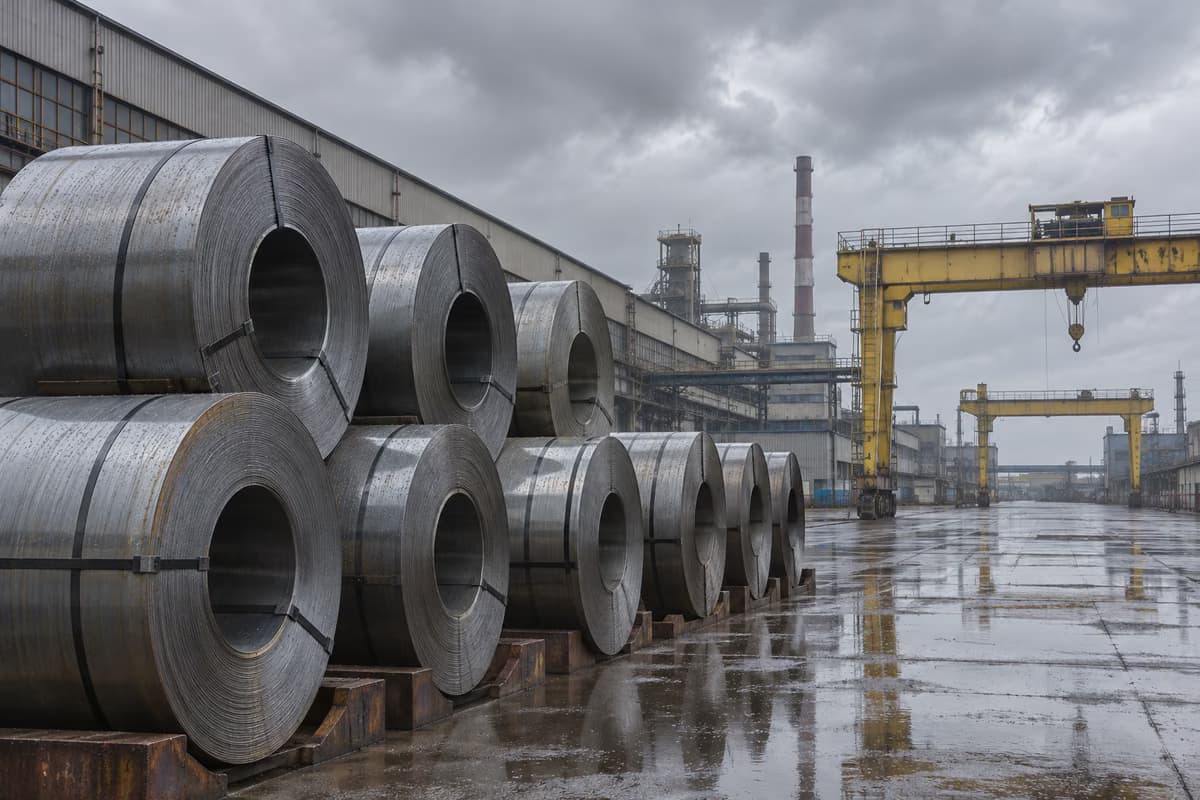
Which plants face the IG Metall strike
The walkouts are hitting the big names of the German car industry. Boersen-Zeitung lists plants of BMW, Audi and Porsche, along with suppliers, while Autohaus names Audi, BMW and ZF. The union is demanding 5 per cent more pay for a 12-month term. Boersen-Zeitung puts the number of workers covered by the metal and electrical industry agreement at about 3.7 million, and says the warning strikes so far drew roughly 464,000 employees in hourly stoppages.
IG Metall argues that the employers' offer falls short of inflation. According to the union, the employers have offered a one-off payment of a few hundred euros next year, followed by a 1.3 per cent pay rise in 2028. Autohaus reports the same structure of the offer. Employers, for their part, cite high cost pressure and the risk of job losses in the sector, and they want the option to agree plant-level deviations from sector pay rules that works company by company.
The dispute over flexibility and job guarantees
The core disagreement is less about the headline percentage than about the rules that would govern future deals. IG Metall says it is willing to accept limited, time-bound flexibility for firms in difficulty, but only in clearly defined cases and only in return for binding promises on investment, sites and jobs. The union says the employers insisted on the right to go below collective rules without such commitments and to settle the details only with works councils rather than with the union. IG Metall's leaders have framed the dispute as a question of whether collective agreements still count for much in Germany.
That framing explains why the union chose a stronger tool now. The board's decision is described as a deliberate escalation, not a one-day protest, and the union has not published detailed plans for what happens after the walkouts. IG Metall has also made clear that it will decide the next steps depending on what the employers do at the negotiating table.

What this means for expats
If you work in a plant covered by the metal and electrical industry agreement, the practical effect depends on your union membership. Strike pay comes from IG Metall and is paid to members, so non-members taking part in a walkout will not receive it from the union. Workers should also check with their employer about how a strike day is recorded in their pay and working-time accounts. The union itself says that taking part in warning strikes is a recognised right, and that is the framing used by both sides in the dispute.
For anyone who relies on car plants or supply chains for income, the walkouts also mean short-term disruption to production and deliveries. For a broader background on how strikes work in Germany and what the rules say for workers and essential services, see our article on strike regulations in Germany's critical infrastructure. Our earlier report on IG Metall warning strikes covers the first stage of the campaign.