IG Metall warning strikes: your rights at work
5 min read
The IG Metall warning strikes in Germany's metal and electrical industry have grown into one of the largest labour disputes of the year. Since the peace obligation ran out at midnight on 1 November, more than 400,000 employees have briefly put down their tools, according to figures the union reported to the trade union confederation DGB. The bargaining round covers about 3.7 million people in car plants, at suppliers, in mechanical engineering and in the electrical sector, and many of them were born outside Germany.
After a third round of talks in every region ended without a deal, the union's leadership is weighing tougher action. For employees, the question is no longer whether the dispute will reach their plant, but what they may do when it does.
Why the IG Metall warning strikes started
Negotiations began on 7 October. IG Metall is asking for 5 percent more pay over a term of 12 months, with extra weight for the lower pay groups, binding rules to protect jobs and sites, and a profit-sharing scheme for companies that are doing well. Talks take place separately in 15 regional bargaining areas, but a deal reached in one of them usually serves as the pilot for the rest of the country.
The employers' association Gesamtmetall answered on 27 October with the same offer in five regions at once. It contains a one-off payment in July 2027 worth 1 percent of average annual gross pay, which companies in difficulty could cancel, and a permanent rise of 1.3 percent from July 2028, with the agreement running until the end of 2028. According to Reuters, the one-off payment would amount to between 500 and 850 euros depending on company earnings. IG Metall calls the package a "Minusrunde", a round of real pay cuts, and says that spread over the term it adds up to about 0.6 percent a year. Employers point to weak orders and high labour costs. According to Dr. Web, Gesamtmetall says the industry has lost almost 350,000 jobs since 2019.
Midnight walkouts and a nationwide wave
Collective agreements in Germany carry a Friedenspflicht, a peace obligation that bans strikes while they are in force. It expired as Saturday turned into Sunday, and the first workers walked out within minutes. ZDF and dpa reported night-shift stoppages at Thyssenkrupp Rasselstein in Andernach and a rally of about 300 people at the car supplier KSM Castings in Hildesheim. IG Metall chair Christiane Benner had promised "strong warning strikes" after the employers' offer.
On the first working day, 2 November, the action spread to Mercedes in Bremen, Daimler Truck in Kassel and dozens of smaller firms. According to Reuters, more than 413,000 workers took part in over 2,800 actions in the first week alone. On 9 November, the union said about 15,000 people gathered at Audi in Ingolstadt, while Telepolis reported that the police put the figure at about 8,000. Counts by the union and by employers have differed in earlier rounds too: in 2024, Gesamtmetall recorded about 290,000 participants, while the union spoke of more than 600,000.
Third round fails, escalation on the table
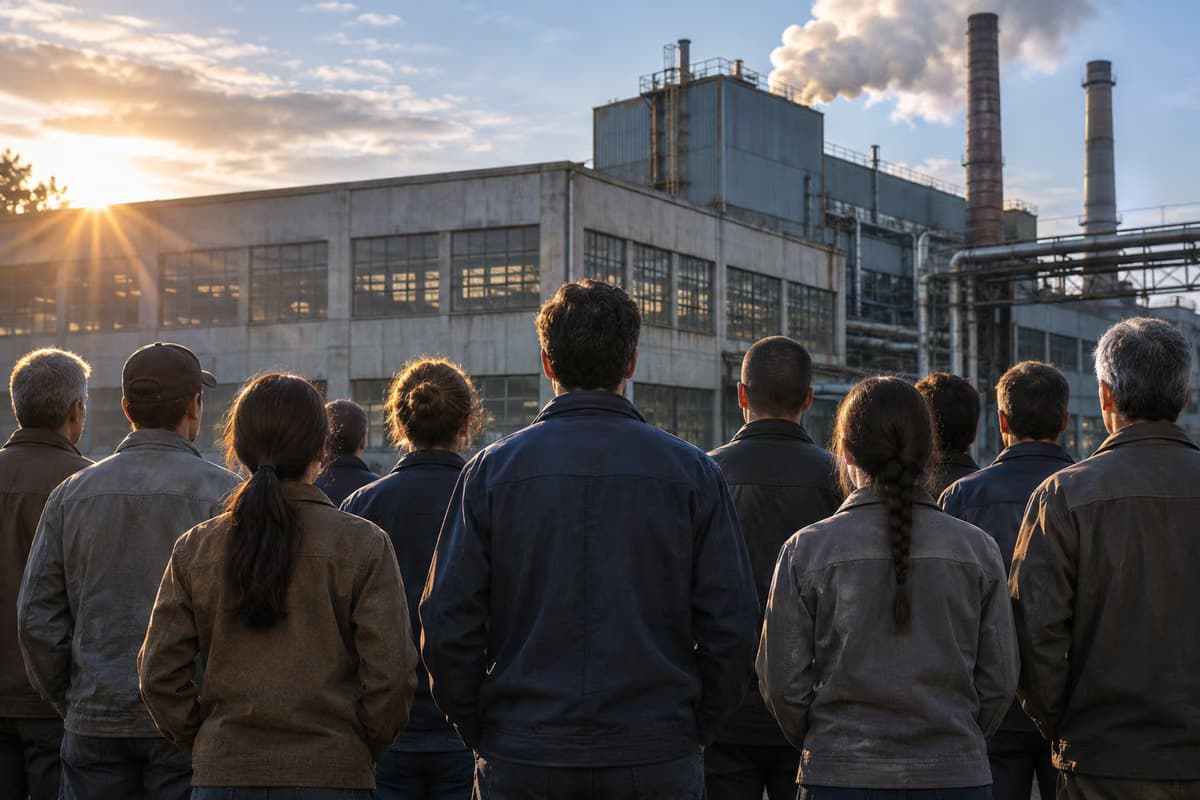
The third round of talks took place between 5 and 9 November and produced no agreement anywhere, from Baden-Württemberg to North Rhine-Westphalia and Bavaria. The main conflict is no longer only the percentage. Employers want to expand the rules that let struggling companies postpone or cancel certain payments, and to make them permanent. IG Metall has offered its own model: temporary deviations from the collective agreement, but only if a company commits in a binding way to investment, future products, jobs and training places.
After the talks in Düsseldorf, IG Metall's chief negotiator in North Rhine-Westphalia, Knut Giesler, accused the employers of letting a chance pass to meet the workforce halfway, Reuters reported. His employer counterpart, Arndt Kirchhoff, warned against excessive strikes in a very poor economic situation. IG Metall's executive board and its regional bargaining commissions were due to decide on Wednesday, 11 November, whether to escalate. The next step would be 24-hour warning strikes. Only after that could the union hold an Urabstimmung, a ballot of members, on open-ended strikes, which under IG Metall's rules needs the backing of at least 75 percent of eligible members.
Your rights during IG Metall warning strikes
A warning strike is a short work stoppage during negotiations, and the union can call it without a ballot. According to a dpa explainer published on inFranken.de, every employee of a plant that is called out may take part, including people who are not union members. Only leitende Angestellte, senior executives with management powers, are excluded. Workers do not need to tell their supervisor or clock out, because the duty to work is suspended while the strike lasts, and an employer may not punish anyone for joining a lawful strike. IG Metall adds that trainees may also take part.
There is a cost. Employers do not pay wages for the time spent on strike. Union members can receive Streikgeld, strike pay from IG Metall, but short warning strikes of a few hours are usually not covered. That changes if the board calls 24-hour strikes. Using the union's own calculator, dpa gives the example of a member with five years of membership and 5,000 euros gross a month, who would receive 700 euros per week. Blocking colleagues or customers from entering, or occupying the site, is illegal.
What the dispute means for expat workers
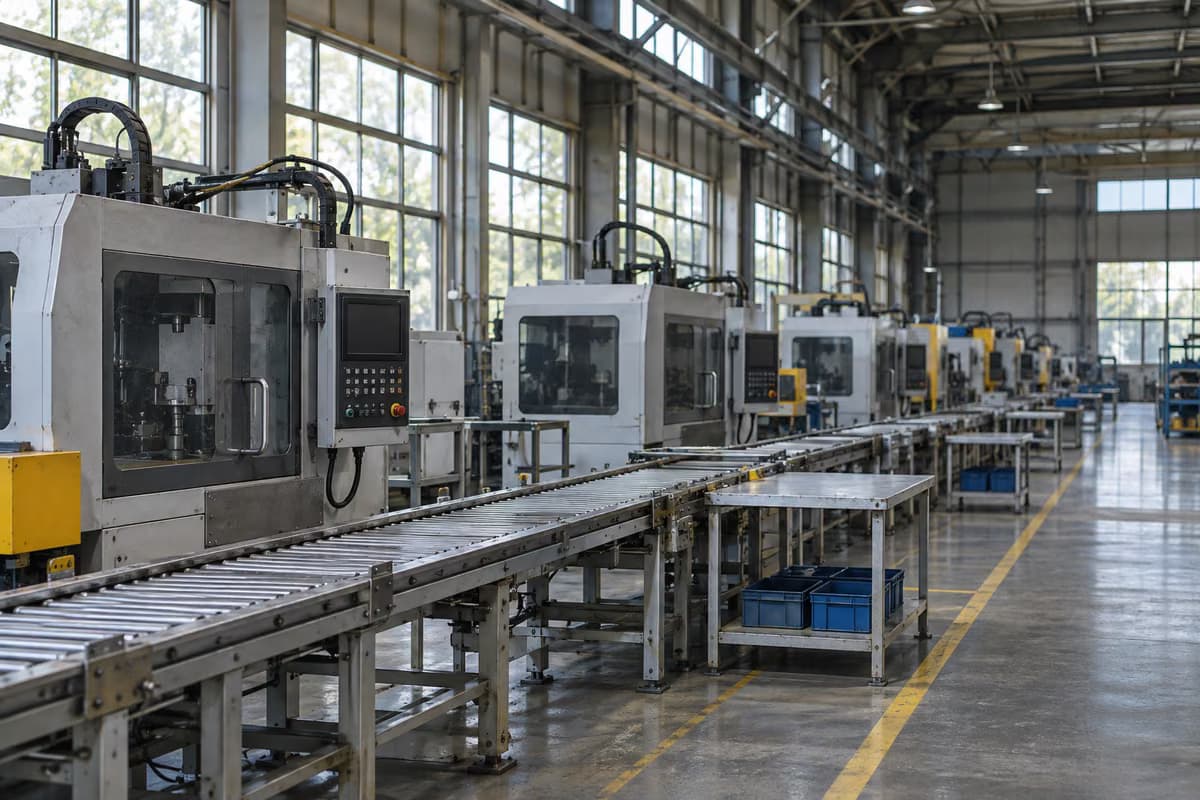
The rules on warning strikes apply to all employees of a struck plant, so people from abroad have the same right to join or to keep working as their German colleagues. Many foreign workers in the sector are employed through temporary staffing agencies. They fall under a different collective agreement, but according to IG Metall legal expert Dirk Schumann, quoted by dpa, agency workers may not be used as strikebreakers to replace striking staff. Anyone who receives a warning or a dismissal after a strike should contact the union or a lawyer quickly, as deadlines in German labour law are short.
The outcome of the IG Metall warning strikes will also shape take-home pay for years, because the next agreement could run until 2028. Workers at Volkswagen face a separate conflict over their in-house agreements, which we covered in our report on the latest VW job cuts. For a general overview of contracts, notice periods and employee rights, see our guide to employment law and contracts in Germany.