Intelligence reform gives BND new hacking powers
4 min read
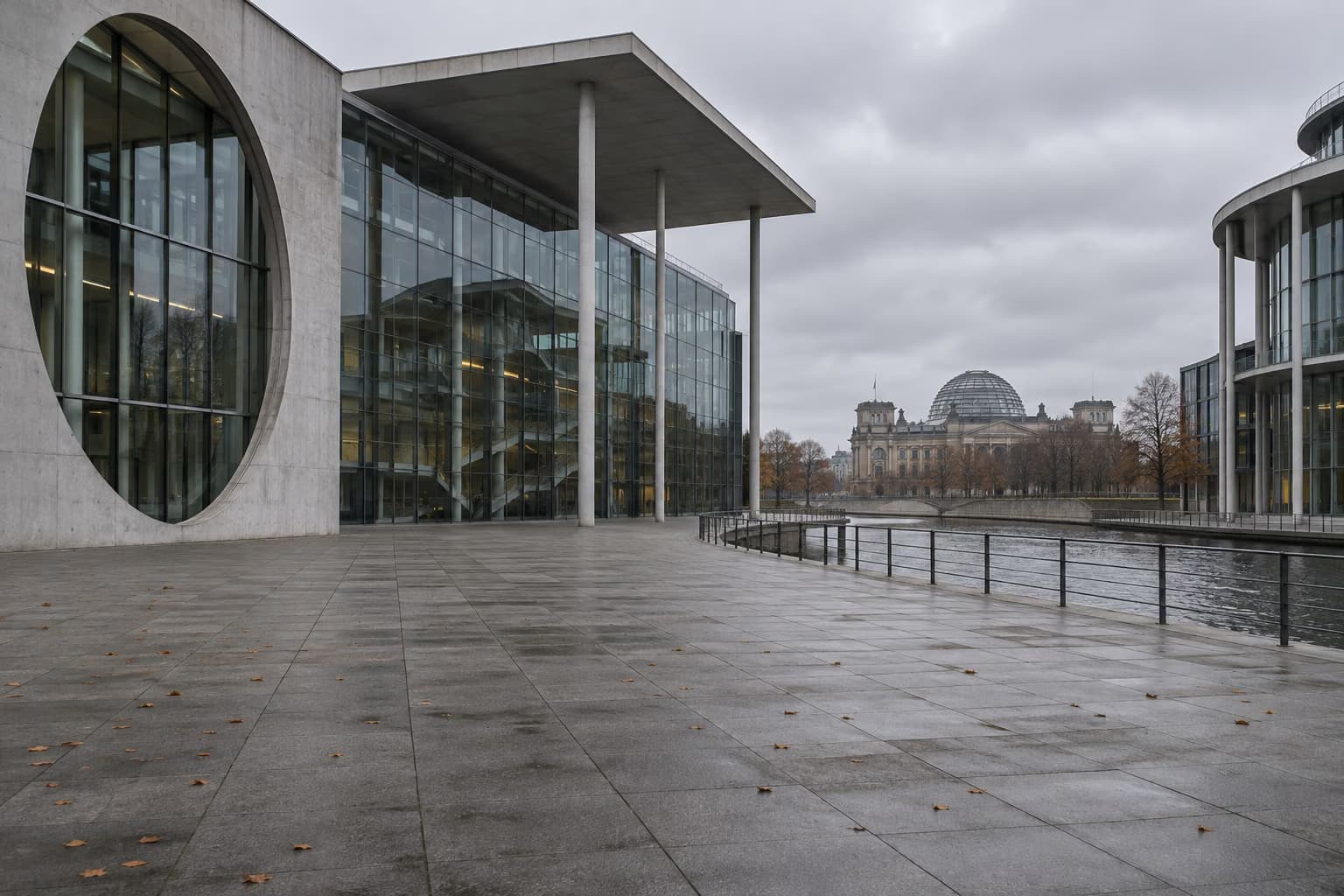
The Bundestag has passed a major intelligence reform that gives Germany's two main intelligence agencies far wider powers. On Friday, 13 November 2026, 309 members voted yes, 190 voted no and 71 abstained, according to Berlin Story and Apollo News. The intelligence reform lets the foreign intelligence service BND and the domestic intelligence agency Verfassungsschutz do more than watch and report. For the first time they may act directly against threats, including by hacking back after a cyberattack.
Interior Minister Alexander Dobrindt (CSU) called it a "Jahrhundertreform", a reform of the century. Critics from the Left, the FDP and the AfD warn of mass surveillance. For people living in Germany, the key question is how much of your data the agencies can see and store, and what stops them from misusing it.
What the intelligence reform allows
Until now the BND, which works abroad, and the Verfassungsschutz, which works inside Germany, mainly collected information. Under the new law they may also intervene. ZDF reports that they may block or redirect data streams during a cyberattack and shut down the servers of suspected hackers. They may also damage or disable tools used for an attack, and delete or falsify stored data. Violence against people is excluded.
The dpa news agency, quoted by t3n, adds details. The Verfassungsschutz may enter homes secretly under very high thresholds and with prior approval, for example to read data from devices. It may monitor encrypted communication, use AI to analyse data, and match images and faces on the internet. It may also request information from payment providers, platforms and carmakers. In narrow exceptions it may recruit 16 and 17-year-olds as informants. The BND may probe foreign IT systems and disrupt hostile networks abroad.
Data storage and control: the safeguards
The BND may store data it collects abroad without sorting it first. According to dpa, content may be kept for up to six months and metadata, meaning who contacted whom and when, for up to 13 months. Telecom companies may be ordered to preserve traffic data for a limited time, up to three months for the BND, and the Verfassungsschutz gets access only if suspicion becomes firmer.
The reform also sets up an Unabhängiger Kontrollrat, an independent control council of experts that works like a court. According to dpa, it reviews the most intrusive measures before they can be carried out. In urgent cases the agencies may start first, but if the council does not confirm the measure in time, it lapses. Neither agency gets police powers such as arrests or open searches, and doctors, lawyers, psychotherapists and journalists get special protection of their professional secrecy.

Why critics fear for privacy
Clara Bünger of the Left says the reform ends the separation between police and intelligence services. She says Dobrindt is "creating a new German secret police", and warns of digital mass surveillance and a loss of data protection, even in doctors' practices. She also claims the agencies may enter homes "without judicial oversight". The government side stresses the control council and the prior approval, so this point is disputed.
According to Apollo News, Wolfgang Kubicki of the FDP called the law a historic breach of a taboo and said it is hard to imagine the Federal Constitutional Court not stepping in. Christian Wirth of the AfD said experts at the hearings found large parts of the law unconstitutional. Konstantin von Notz of the Greens sees reform as necessary but says it goes too far. Apollo is a partisan outlet, so these statements should be read as the politicians' own claims.
Why the government wants it, and what comes next
Officials point to threats from Russia, China and Iran, including plots against arms executives and the explosive drone case at Leipzig/Halle Airport. BND president Martin Jäger said in October that "Russia is waging a shadow war against us", according to dpa. Our earlier reports on Russian espionage and sabotage and on the extremism classification of the AfD show how these debates have grown. Dpa also notes that the Constitutional Court had set a deadline for the end of the year for new BND rules on signals intelligence.
The law is not final. According to Apollo News, the Bundesrat, the chamber of the federal states, must still deal with it and a majority is expected, but no date has been given. The Bundesrat's preview of its 20 November session does not list the item. Legal challenges at the Constitutional Court are possible, as critics have hinted.
What the intelligence reform means for residents
For most people, nothing changes in daily life. The agencies target suspected extremists, terrorists and foreign spies, not ordinary residents. Yet data can be swept up. The BND collects communications abroad in bulk, and the Verfassungsschutz may ask platforms and payment firms for information. If you contact people abroad or in political groups, your data could be among it.

You can protect your privacy by using end-to-end encrypted messengers and keeping your devices updated. If you believe an agency stores data about you, you can ask the agency in writing whether it holds data about you, although answers are often limited for security reasons. The law will take time to take effect and may change in court, so watch for news about the Bundesrat session.