Budget 2027: plastic tax row before final round
5 min read
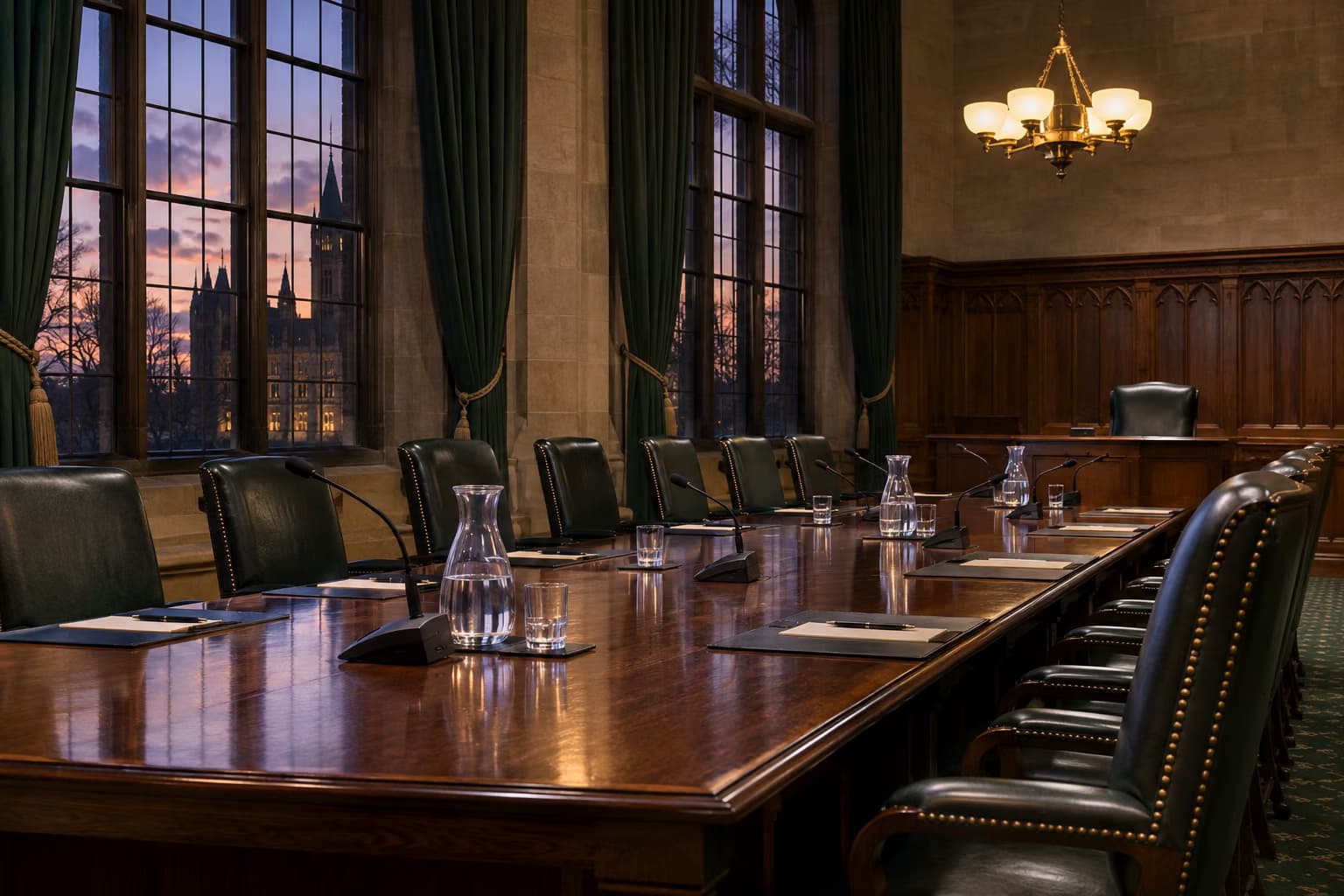
Germany's federal budget 2027 is entering its decisive phase. On Thursday, 12 November, the Bundestag's budget committee (Haushaltsausschuss) holds its final session on the spending plan, the so-called Bereinigungssitzung, which traditionally runs through the night into Friday morning. The coalition of CDU/CSU and SPD is still arguing over new taxes on plastic packaging and sugary drinks, a cut in electricity tax and savings in social programmes. The full Bundestag is due to pass the budget at the end of November.
For people living in Germany, the outcome will shape prices in the supermarket, support for electric cars and the future of several benefits. Here is what is on the table.
The budget 2027 in numbers
The federal cabinet adopted the draft in July. It foresees core spending of 555.4 billion euros and new borrowing of 118.7 billion euros in the core budget. If the special funds for the armed forces (Bundeswehr) and for infrastructure are included, new debt reaches 203.7 billion euros, a figure that critics consider too high. The draft alone runs to more than 3,500 pages, according to the Bundestag.
The autumn tax estimate brought only limited relief. The federal government expects about 3.9 billion euros in extra revenue, but because the economic outlook has improved, the debt brake allows it to borrow 2.5 billion euros less. That leaves roughly 1.4 billion euros of room, which other costs could quickly use up, as both ZDF and t-online report. ZDF adds that the finance ministry expects much larger holes in the following years, growing to around 50 billion euros in 2030.
Plastic tax: the main budget 2027 dispute
The biggest open question is a new levy on plastic packaging. Finance Minister Lars Klingbeil (SPD) wants to charge 550 euros per tonne of plastic used in packaging from July 2027 to cut waste and raise money. Estimates of the revenue differ: dpa reports about 805 million euros for 2027, while ZDF puts the figure at about 670 million euros. From 2028, the tax is expected to bring in roughly 1.5 billion euros a year.
The CDU/CSU parliamentary group is openly against it. Its leader Thorsten Frei told ZDF's programme "Berlin direkt" on 8 November: "Die Plastiksteuer machen wir nicht" (we are not doing the plastic tax), arguing that it would harm the economy and the environment. SPD group leader Matthias Miersch countered on ARD that a draft exists and that the plan is not off the table. Environment Minister Carsten Schneider (SPD) asked the Union to name other ways to close the gap before Thursday, the Berliner Zeitung reports.

Sugar tax and electricity tax
A tax on sugary soft drinks is further along. The cabinet approved it on 14 October, and it is due to start on 1 July 2027. Drinks with at least 5 grams of sugar per 100 millilitres would be taxed at 26 cents per litre, those with 8 grams or more at 32 cents per litre. According to the health insurer AOK, spritzers, sugar-free drinks and alcoholic beverages are exempt. The tax is expected to raise 690 million euros in 2027, money that is meant to go to the health fund (Gesundheitsfonds) of the statutory health insurers. Our earlier report explains the background of the sugar tax in Germany.
The sugar tax is not completely safe either. The farm magazine top agrar reported on 5 November, citing Bild, that a number of Union farm politicians refused to back it and that a start in 2028 was being discussed. ZDF, however, reported on 8 November that the coalition expects the tax to come. At the same time, the Union wants to cut the electricity tax (Stromsteuer) to the EU minimum for all households, not just for industry and farming. That would cost about 5 billion euros a year, and Klingbeil sees no room for it.
Social cuts and the electric car bonus
Welfare organisations are alarmed. On 10 November, 15 organisations, among them Caritas, the environmental group BUND and the trade union federation DGB, signed an appeal to members of parliament, Deutschlandfunk reports. The president of the welfare association AWO, Michael Groß, warned that families, children, people in need of care and people in precarious situations would lose out. The groups want the state to raise revenue instead, for example through a reform of inheritance tax.
Specific benefits are part of the bargaining. According to ZDF, the SPD wants to stop planned savings in housing benefit (Wohngeld) and the abolition of the Kindersofortzuschlag, a monthly top-up for children in low-income families. Dropping both savings would cost the federal government about 770 million euros. The draft also cuts the federal subsidy to the statutory pension insurance by 1 billion euros, and ZDF reports that a larger cut of 3 billion euros has been discussed.

One programme is set to grow. According to Deutschlandfunk, the finance ministry's list of last-minute changes, the Bereinigungsvorlage, raises the money for the new electric car purchase bonus in 2027 from 803 million euros to 1.72 billion euros because demand has been much higher than expected. The extra money comes from the Climate and Transformation Fund. The bonus is aimed at households with a taxable income of up to 80,000 euros a year, plus 5,000 euros per child for up to two children, and can reach up to 6,000 euros for a fully electric car.
What the budget 2027 means for expats
Nothing is final yet. After the committee session, the Bundestag debates the budget 2027 from 24 to 27 November, with the final vote planned for Friday, 27 November, according to the parliament's timetable. Until then, every item can still change. The committee also finalises the Haushaltsbegleitgesetz, the accompanying law that contains the savings measures.
For households, a few points are worth watching. Sweet soft drinks are likely to cost more from July 2027 if manufacturers pass the sugar tax on to customers. Families on low incomes who receive housing benefit or child supplements should follow whether the SPD can stop the planned savings. Anyone planning to buy an electric car can expect the purchase bonus to remain available in 2027, as long as their income stays under the limit. And workers should note the pension subsidy debate: according to ZDF, less federal money for the pension fund could mean a sharp rise in contributions from 2028.