Berlin Science Week: hundreds of free events
5 min read
Berlin Science Week runs from Sunday, 1 November, to Tuesday, 10 November 2026, with more than 300 talks, workshops, performances and lab visits across the city, according to the organisers. Most events are free, and a large share takes place in English, giving newcomers a way to encounter Berlin research without speaking German. The latest count reported by the dpa news agency is higher, at about 350 events in more than 115 venues.
The centrepiece is a three-day weekend at the Haus der Kulturen der Welt (HKW) in Tiergarten, where more than 100 events take place under one roof from 6 to 8 November. Entry there is free, but visitors need a pass that should be booked in advance. Here is what to expect and how to plan a visit.
Berlin Science Week 2026 puts the people behind research in focus
This year's motto is "In Touch". The organisers want to show how research touches everyday life, how it changes the people who do it and how it connects them with others. Instead of focusing only on results, many events look at the motivations, doubts and personal stories of scientists. The programme is grouped into seven tracks, and the topics range from health and climate research to artificial intelligence, space and the meeting point of art and science.
Berlin Science Week is organised by the Falling Walls Foundation and funded by the Berlin Senate department responsible for higher education and research. It is the 11th edition, coming one year after the festival celebrated its tenth anniversary, as visitBerlin notes. According to the organisers' programme announcement, more than 230 partners take part, about two thirds of them based in Berlin, including universities, research institutes, museums, embassies and cultural venues. Festival director Christian Rauch told the regional broadcaster radioeins that the aim is to show how research touches and improves our lives.
The Festival Centre at the Haus der Kulturen der Welt
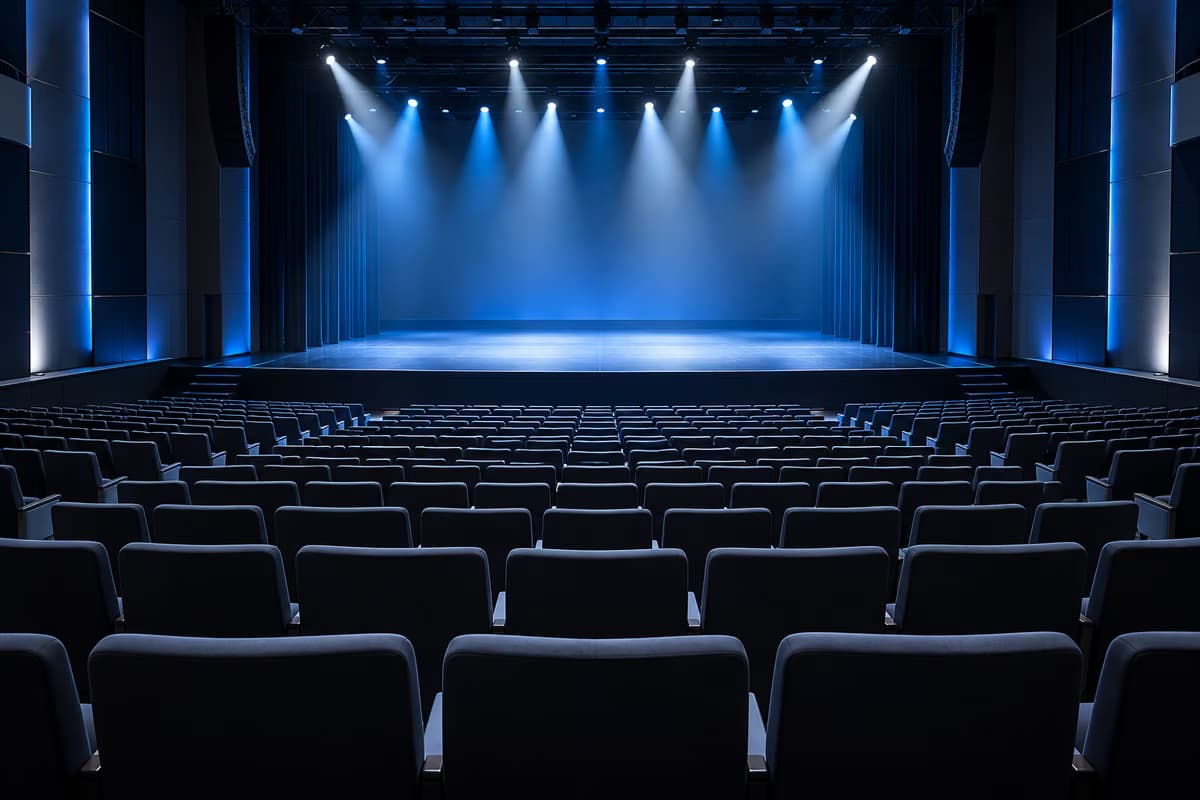
For the first time, the HKW on John-Foster-Dulles-Allee hosts the Berlin Science Week Festival Centre. From Friday, 6 November, to Sunday, 8 November, it brings together talks, workshops, film screenings, performances and exhibition stands on six stages and in the foyer. According to the official visitor information, doors open at 12:30 on Friday and the programme starts at 13:00, with the building open until midnight. On Saturday, doors open at 10:00, the programme starts at 10:30 and the venue again stays open until midnight. On Sunday, doors open at 09:30, the programme starts at 10:00 and the centre closes at 19:30.
All events at the Festival Centre are free, but every visitor needs a free three-day Festival Centre pass. It can be booked online through the festival website and is valid for the whole weekend. The organisers recommend booking ahead to avoid queues at the entrance, although passes can also be collected on site. Workshops have limited seats and require a separate reservation, which is linked from each event page. Talks and other sessions work on a first come, first served basis, so popular stages may fill up.
Programme highlights from artificial intelligence to drag shows
The Festival Centre opens on 6 November at 13:00 with a session on trust in artificial intelligence featuring the Canadian computer scientist and Turing Award winner Yoshua Bengio, as both the organisers and dpa report. Later that afternoon, Nobel physics laureate Brian Schmidt and CERN particle physicist Harry Cliff discuss what we still do not know about the universe. Other names on the bill include BBC presenter Claudia Hammond, who records a live episode of a World Service programme, the artist Olafur Eliasson and Germany's Federal Research Minister Dorothee Bär.
Saturday evening, 7 November, has some of the most unusual formats. At 21:00, the performance Cells' Ears works with living heart cells, and at 21:30 the Queens of Science take the stage, a drag show by four drag queens who are also researchers. On Sunday, 8 November, Marc Abrahams, founder of the Ig Nobel Prizes, presents prize-winning research that first makes people laugh and then makes them think. Earlier in the week, on the evening of 4 November, a panel looks at the US midterm elections and what they mean for Europe, with Harvard political scientist Daniel Ziblatt among the speakers named by the organisers.
Citywide events, libraries and a new children's programme
Beyond the HKW, Berlin Science Week reaches all districts. Research institutes open their labs, and the programme includes guided walks through the historic Dahlem science quarter, an escape room on quantum physics at the Einstein Center Digital Future and an AI dance challenge run by Forschungszentrum Jülich, as dpa and the specialist portal MedLabPortal both describe. According to the organisers, around three quarters of the citywide events are free and about nine in ten are wheelchair accessible. Because each host manages its own events, some require free advance registration while others are open to walk-in visitors.
A new strand called Wissen zwischen Büchern (Knowledge Among Books) brings researchers into 33 public libraries from Spandau to Marzahn. These events run throughout the festival, are free and need no registration, which makes them a relaxed option close to home. Families can also attend the first dedicated children's programme, aimed at ages four and up. On the mornings of 7 and 8 November, the Festival Centre offers live shows and hands-on activities, including a space show by the German Aerospace Center (DLR) and experiments with thermal imaging cameras. For more ideas, see our guide to family-friendly activities in Germany.
Berlin Science Week tips for international visitors
Language is rarely a barrier. Events run in German, in English or in both, and each listing in the online programme states the language, so it is easy to filter for English sessions. If you are new to Berlin and work in research, or want to, Berlin Science Week is also a good place to make contacts outside a formal conference setting. Our overview of academic research opportunities in Germany explains how research is organised.
Plan your trip to the HKW by public transport, as there is no parking at the venue. Bus 100 stops directly in front of the building at the Haus der Kulturen der Welt stop. The U5 underground line stops at Bundestag, and the S-Bahn lines S3, S5, S7 and S9 serve Berlin Hauptbahnhof, about one kilometre away. The HKW is step-free at the main entrance, has a free cloakroom, public Wi-Fi and food on site. Book your free Festival Centre pass early, reserve workshop seats as soon as you know what you want to attend, and check the event page of every citywide event the day before, since hosts handle changes and cancellations themselves.