German inflation falls to 2.8% in October
5 min read

Price growth in Germany slowed in October. Consumer prices were 2.8 percent higher than a year earlier, according to a first estimate published by the Federal Statistical Office (Destatis) on Friday, 30 October. In September, German inflation had climbed to 3.3 percent, the highest level since December 2023. Compared with the previous month, prices fell by 0.2 percent.
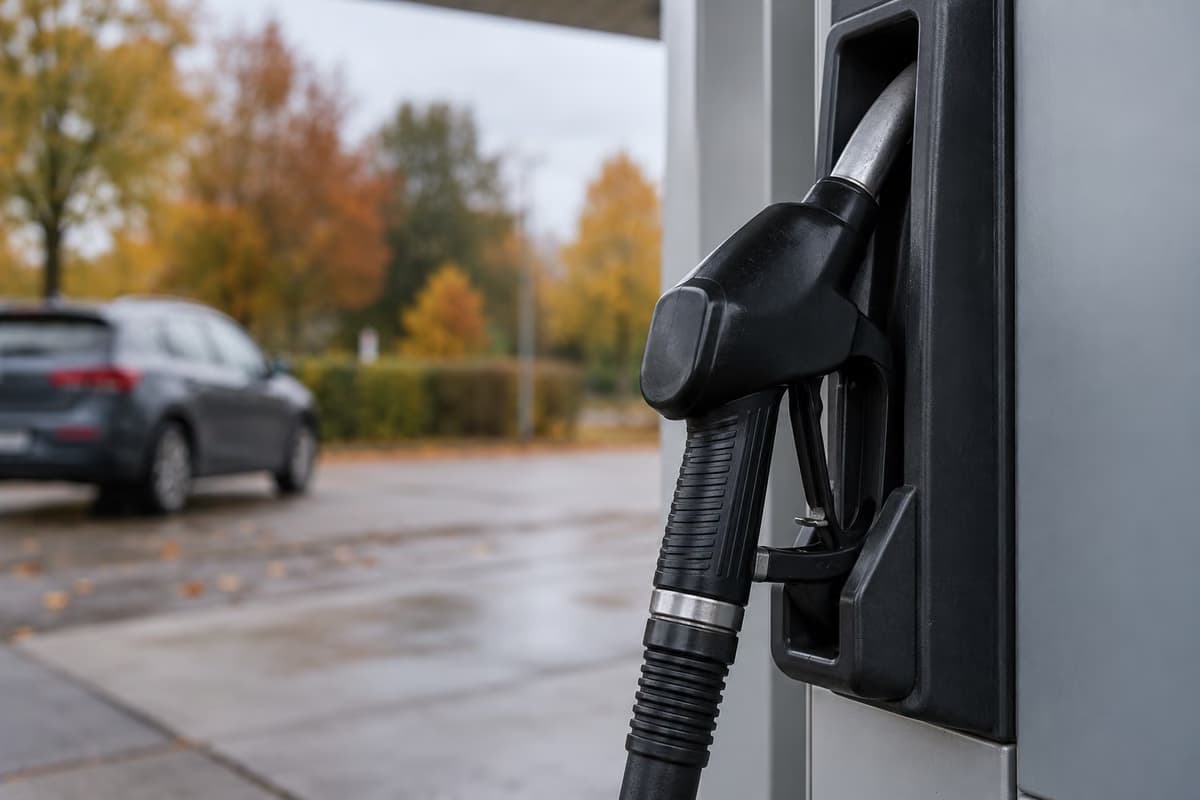
The main reason for the decline is the temporary cut in fuel tax, known as the Tankrabatt, which took effect on 1 October. Economists warn that the relief is unlikely to last, because the measure ends on 31 December.
German inflation in October in numbers
Energy remains by far the strongest price driver. Household energy and fuel cost 12.2 percent more than in October 2025, after an increase of 14.9 percent in September. Food prices, by contrast, rose by only 0.4 percent year on year, the same rate as in the previous month. Goods as a whole were 3.0 percent more expensive than a year ago, down from 3.8 percent in September, while prices for services such as package holidays and restaurant visits rose by 2.5 percent, after 2.7 percent.
Core inflation, which leaves out the volatile categories of energy and food, fell to 2.1 percent. It had stood at 2.4 percent for three months in a row. Economists watch this figure closely because it shows how far price pressure has spread beyond energy. The harmonised index used for comparisons across the euro area (HICP) also came in at 2.8 percent. Destatis will publish the final October figures on 11 November.
How the Tankrabatt pushed prices down
From 1 October to 31 December 2026, the energy tax on petrol and diesel is reduced by 14.04 cents per litre. Because VAT is charged on top, the maximum relief at the pump is about 17 cents per litre. The government introduced the measure because fuel had become much more expensive as a result of the Iran war, which has driven up energy prices since late February. According to the Bundestag, the cut costs the state about 2.5 billion euros in energy tax and almost 300 million euros in VAT. Petrol stations are not legally obliged to pass the reduction on in full.
Regional data show the effect. In Bavaria, fuel prices fell by 4.4 percent from September to October, the state statistics office reported, although they were still 27.7 percent higher than a year earlier. Light heating oil, which is not covered by the tax cut, cost 79.5 percent more than in October 2025. Bavaria's overall rate was 2.8 percent, the same as the national figure. According to state data reported by the dts news agency, inflation stood at 2.7 percent in North Rhine-Westphalia and at 3.3 percent in Saarland.
Why economists are not giving the all-clear
Commerzbank chief economist Jörg Krämer said the fall below 3 percent was mainly due to the fuel tax cut and that it was too early to give the all-clear, the dpa-AFX news agency reported. He expects German inflation to rise above 3 percent again around the turn of the year. Michael Heise, chief economist at HQ Trust, said the decline was somewhat stronger than expected, but stressed that a rate of 2.8 percent still means a high loss of purchasing power, especially as fuel and energy remain far more expensive than a year ago.
There is also the risk of so-called second-round effects, as higher energy costs gradually feed into the prices of other goods and services through transport, storage and raw materials. According to dpa-AFX, the Bundesbank expects energy prices to remain at a very high level in the final quarter despite the tax cut, and leading economic research institutes forecast that inflation will rise from 2.8 percent this year to 3.2 percent in 2027. KfW economist Stephanie Schoenwald expects the European Central Bank to raise interest rates again in December if conditions do not change. The ECB has already raised rates twice this year.
Wages are still ahead of prices, for now
So far, pay increases have kept ahead of German inflation. In the second quarter of 2026, nominal wages were 4.1 percent higher than a year earlier, while consumer prices rose by 2.5 percent, Destatis reported in August. That left a real wage gain of 1.5 percent, meaning that the average employee could afford slightly more than a year before.
These wage figures cover the second quarter, however, and cannot simply be set against the monthly inflation rates published since then. Inflation was higher after the spring, reaching 3.3 percent in September before easing to 2.8 percent in October, so the real wage gain may have narrowed, but the official wage figures for the third quarter are still to come. Whether real wages keep rising will depend on how quickly energy prices ease and how high the next pay rounds turn out to be.

What German inflation means for expats
Drivers will see a change at the petrol station. When the Tankrabatt expires on 31 December, the regular energy tax rates apply again from 1 January 2027, which adds back up to about 17 cents per litre including VAT. Unless oil prices fall at the same time, drivers should expect higher pump prices in January. Commuters who rely on the car may want to fill up before the turn of the year and check whether public transport could be a cheaper alternative. You can read more about the background in our report on fuel prices and the tax break.
For household budgets, the headline rate does not tell the whole story. Food prices rose only slightly, by 0.4 percent year on year, but heating oil in particular is far more expensive than a year ago, so anyone who heats with oil should plan ahead. Employees negotiating a raise or changing jobs can use the inflation outlook as a reference point: if the institutes' forecast of 3.2 percent for 2027 proves correct, any pay increase below that level would mean a loss in real terms. For comparison with earlier this year, see our report on German inflation in July, when the rate was also 2.8 percent.