Christmas tree prices rise up to 5 euros a metre
5 min read
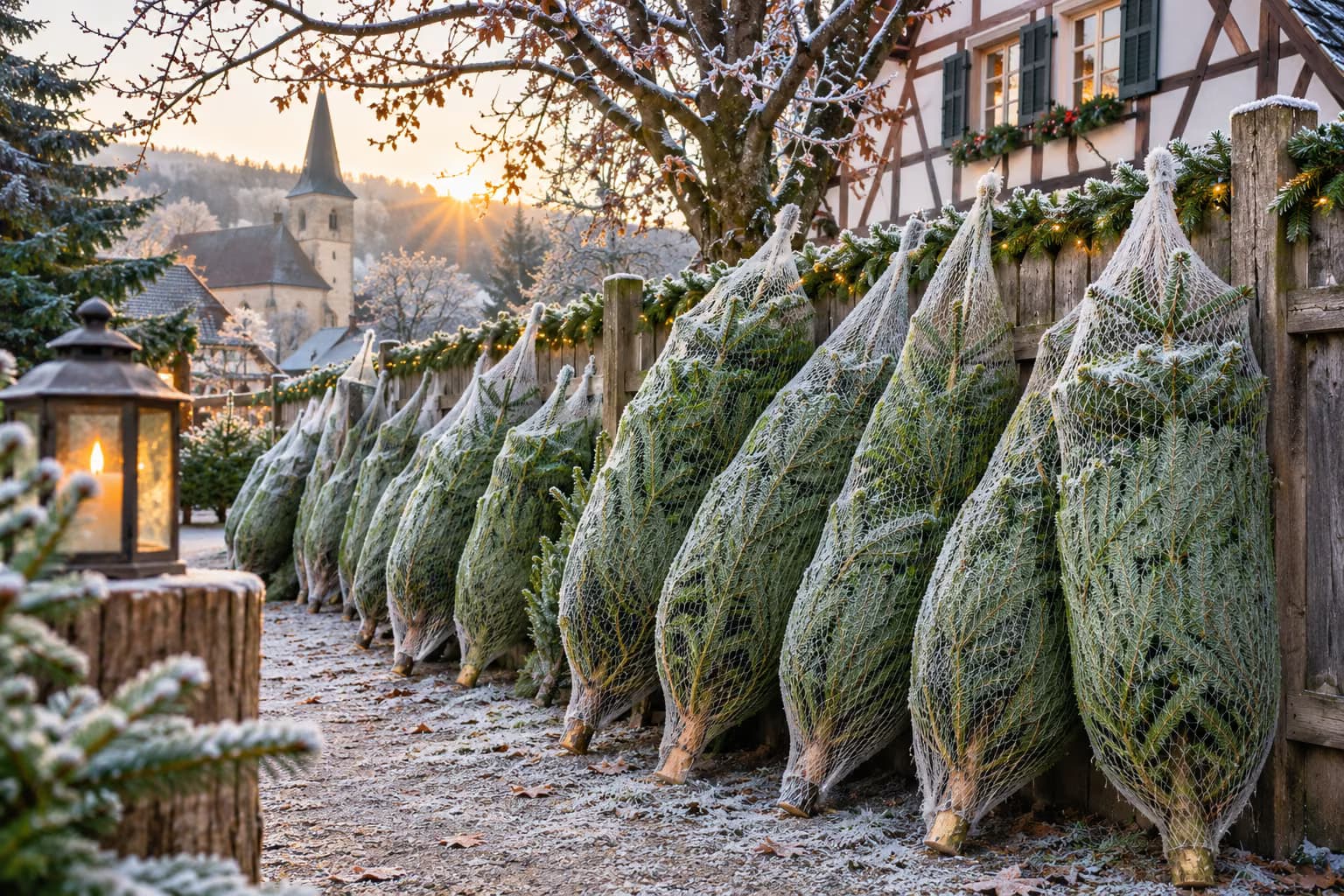
Christmas tree prices are going up again in Germany this year. The growers' association Verband natürlicher Weihnachtsbaum expects the Nordmann fir, by far the most popular choice in German living rooms, to cost between 25 and 33 euros per metre of height in 2026, up from 23 to 30 euros last season. A typical two-metre tree would therefore cost between 50 and 66 euros. The main harvest starts in mid-November, and the first sellers have already opened their stands.
The figures are forecasts from the industry itself, not measured shop prices, and no one is obliged to follow them. First offers show that what people actually pay can range from under 20 euros at a DIY store to more than 60 euros for a tree delivered to the door.
Christmas tree prices per metre in 2026
Nearly every price range published this autumn goes back to two sources: the Verband natürlicher Weihnachtsbaum for the Nordmann fir, and the Bundesverband der Weihnachtsbaumerzeuger, the federal association of Christmas tree growers, for the spruces. ZDF, echo24 and t-online have all reported the same set of numbers. According to the growers, the blue spruce (Blaufichte) will cost 17 to 22 euros per metre after 15 to 19 euros last year, and the Norway spruce (Rotfichte) 14 to 19 euros after 12 to 16 euros. The association told dpa it expects consumer prices to rise by three to five euros per metre, depending on the seller, the quality of the tree and the region.
Individual sellers confirm the trend, though not everywhere. According to a dpa report published by t-online, the Werderaner Tannenhof near Berlin charges 49.90 euros for a 1.75-metre premium Nordmann fir, compared with 46 euros a year ago. The Gärtnerei Schubert in Grüntal, Brandenburg, keeps its prices stable because it sells only on its own land and has no transport costs, charging 35 euros for a self-cut tree of the same height. In Saxony, the state forestry company Sachsenforst told dpa it expects untreated trees to cost roughly 20 to 30 euros each and does not foresee big increases.
Why Christmas tree prices are rising
Saskia Blümel, managing director of the Verband natürlicher Weihnachtsbaum, blames higher costs for production, staff and logistics, together with a shrinking supply. Many family farms are cutting back their planting areas or giving up altogether, because of rising costs, more extreme weather, a lack of workers and no one to take over the business. Growers have also named higher prices for fuel, fertiliser, crop protection and packaging. A Nordmann fir needs eight to twelve years before it is ready for sale, so these decisions affect the market for a long time.
The long, dry summer of 2026 hit young plantations, especially in southern Germany. Sebastian Fertig, chair of the Christbaumverband Baden-Württemberg, reported heavy damage and some total losses among trees planted this spring, but said the gap would only become visible in eight or nine years. Trees that are ready to be cut this winter were rarely affected. In Saxony, one grower told dpa that trees planted during the drought of 2018 grew poorly and are only now reaching the market, which pushes his prices up by about five euros.
Smaller trees and earlier purchases
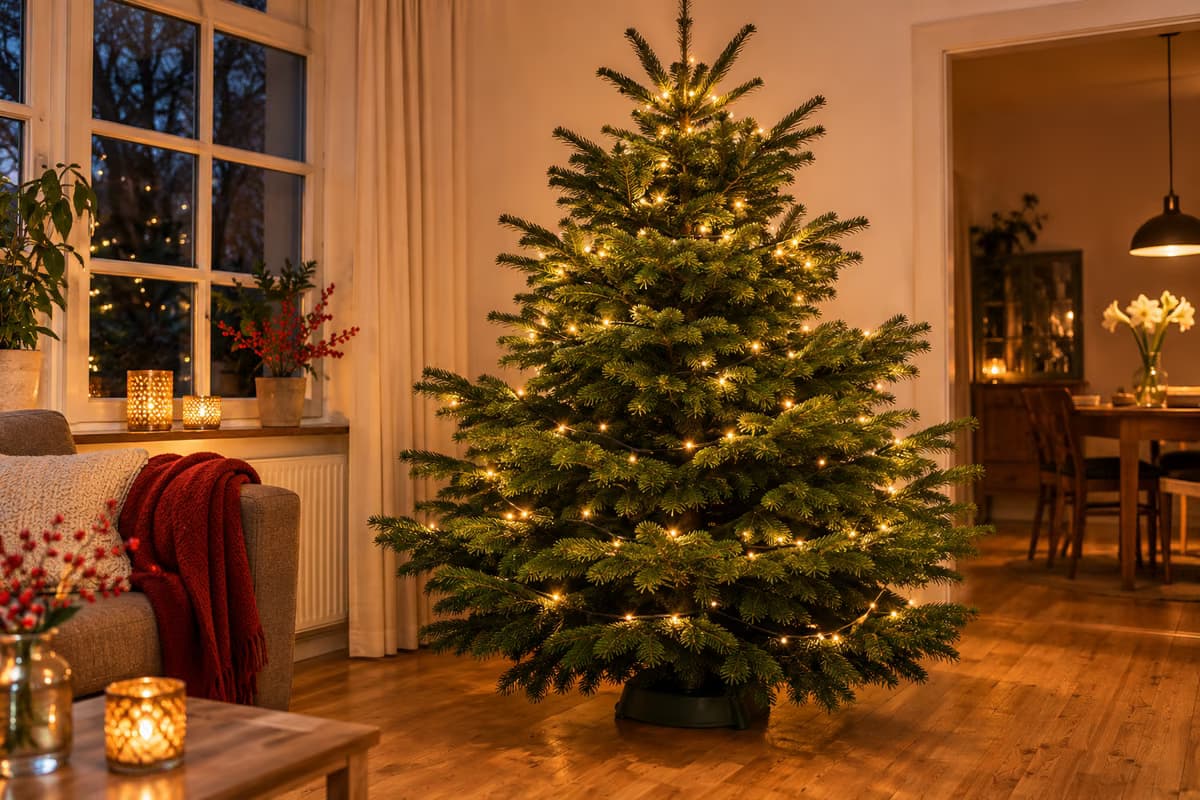
The industry sees buyers changing their habits. Smaller trees between 1.50 and 2 metres are increasingly popular, partly because flats are getting smaller, and more households buy a second tree for the garden or balcony. People also shop earlier than in the past. According to a 2024 survey commissioned by the growers' association, a good third of respondents had bought a real tree, about 30 percent used an artificial one and a similar share had no tree at all.
Most real trees sold in Germany are grown in the country. According to dpa figures quoted by ZDF, about 80 percent come from domestic farms, while imports are mainly Nordmann firs from Denmark. The associations stress that, despite the smaller harvests, there should be enough trees for everyone this Christmas.
Where Christmas tree prices are lowest
The gap between sellers is large. A t-online Braunschweig survey of current offers, published on 10 November, found a cut Nordmann fir of 1.50 to 2 metres for 19.99 euros in the Bauhaus online shop and one of 1.50 to 1.90 metres for 31.99 euros at Toom. A local Rewe supermarket advertised a smaller potted Nordmann fir for 22.99 euros. Online shops that deliver to the door charged 44.90 euros for a tree of 1.35 to 1.65 metres and 62.95 euros for one of 1.50 to 1.75 metres, shipping included.
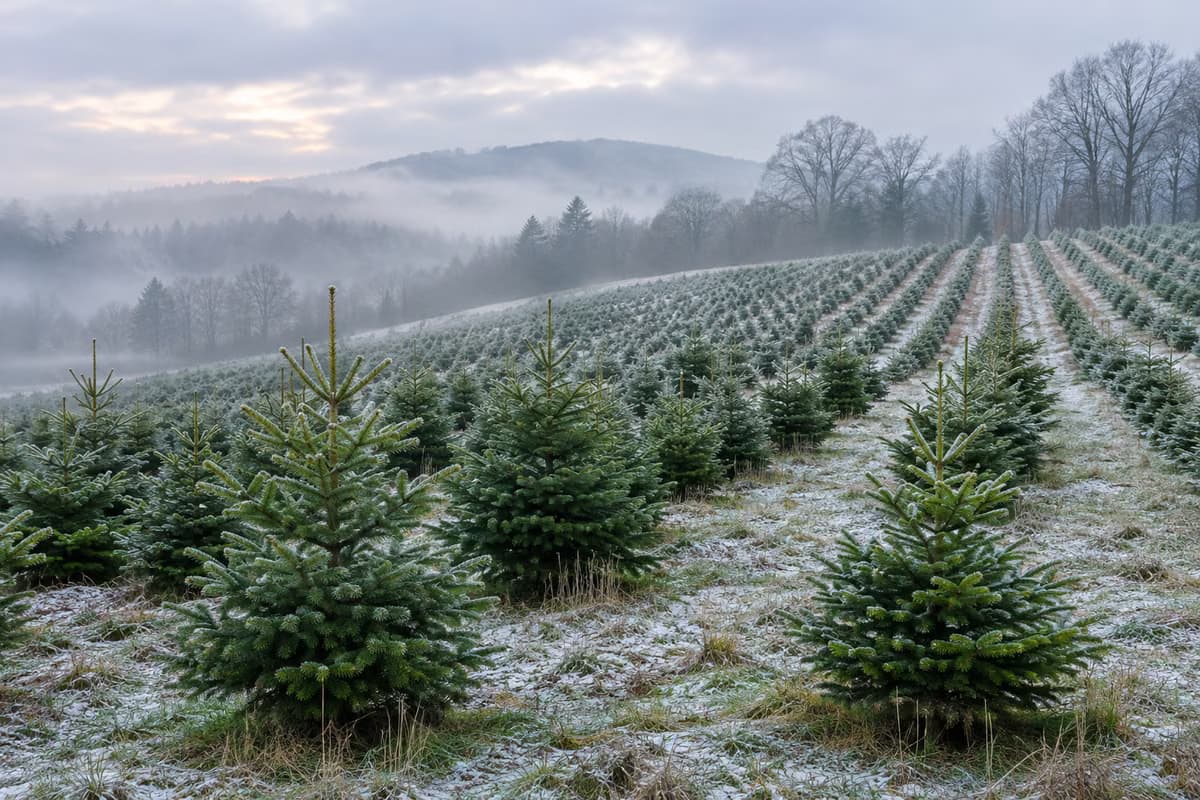
Buying directly from a plantation is often cheaper than a stand in the city centre, and many farms let customers cut their own tree. Trees with a small flaw, such as one weaker side, are usually sold at a discount. The Brandenburg grower Matthäus Schubert recommends the blue spruce as a cheaper alternative to the Nordmann fir, saying it lasts almost as long and smells stronger. Ordinary spruce is the cheapest option but drops its needles within days in a warm room.
Tips for expats buying a tree in Germany
Sellers in Germany usually price trees by height class, so measure the ceiling first and leave 20 to 30 centimetres for the stand and the top. The deals site MonsterDealz advises checking freshness before paying: needles should stay on the branch when you run your hand along it, and the cut at the bottom should look light and slightly damp, not grey and dry. At home, saw two to three centimetres off the trunk, let the tree rest for a day in a cool place and use a stand with water, because a fresh tree drinks one to two litres a day at first.
According to MonsterDealz, many sellers try to clear their remaining stock on 23 and 24 December, but the choice is then limited. After the holidays, most towns collect old trees free of charge in the first half of January, as long as all decorations, tinsel and wire have been removed. Check your local waste calendar, and see our guide to waste disposal and recycling rules. If you want to combine tree shopping with a festive outing, our overview of Christmas markets 2026 lists the opening dates across Germany.