Fuel Prices Jump as Tax Break Ends
3 min read

Drivers in Germany are paying noticeably more at the pump this month after a temporary tax cut ran out. Fuel prices rose by about 16.7 cents per litre from 1 July 2026, when the reduced energy tax on petrol and diesel expired at the end of June. For anyone who depends on a car for work, school runs or weekend trips, the increase is one of the most visible cost-of-living changes of the summer.
Why fuel prices rose on July 1
The jump comes from the end of a temporary reduction in the Energiesteuer, the German energy tax that is charged on every litre of fuel. When that reduced rate expired on 30 June 2026, the tax returned to its normal level, and because value-added tax, known as Mehrwertsteuer, is added on top, the total increase came to roughly 16.7 cents per litre. The consumer news outlet ad-hoc-news reported that the change took effect immediately at the start of July.
The federal government had introduced the lower rate as short-term relief, giving up about 1.6 billion euros in tax revenue during the period. Not all of that saving reached drivers. According to ad-hoc-news, the Monopoly Commission estimated that oil companies kept between 100 and 200 million euros of the relief rather than passing it on at the pump, a point that critics had raised while the discount was still in place.
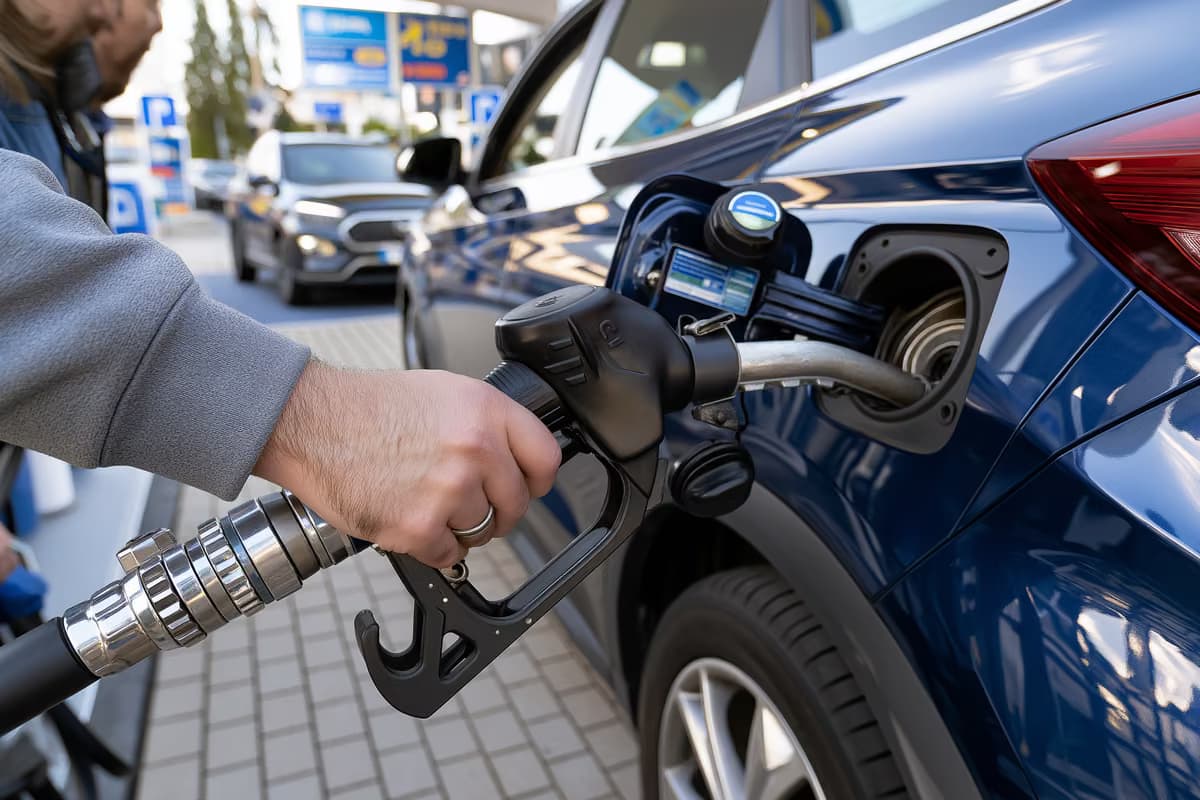
What the new fuel prices look like
The change is easy to see in the headline grades. According to Cash., Super E10 was expected to climb from around 1.79 euros to about 1.96 euros per litre, while Super E5 rose from roughly 1.85 to about 2.02 euros and diesel moved from around 1.71 to about 1.88 euros. In practice that means fuel prices for the most common petrol grade are back close to the two-euro mark.
For a full tank, the extra cost adds up quickly. Cash. reported that a 50-litre fill now costs about 8.50 euros more than before, and a driver who buys 100 litres a month faces roughly 17 euros in additional spending. Over a year, that is a meaningful sum for households that were already stretched by high rents and energy bills.
What drivers can do about the increase
Timing still makes a difference at German stations. The motoring club ADAC noted that petrol and diesel would quickly become about 17 cents more expensive once the discount ended, and it has long advised drivers to fill up in the late morning, when prices tend to be lowest. Under the current rules, stations may raise prices only once a day at noon, so refuelling before midday can help avoid the daily peak.
Beyond timing, price-comparison apps that draw on the official Markttransparenzstelle fuel-price database can point drivers to the cheapest nearby station at any moment. These tools do not undo the tax change, but they can soften the impact of higher fuel prices on a monthly budget, especially for people who drive long or regular distances.
What this means for expats
For foreigners living in Germany, the end of the fuel discount is a reminder that many cost-of-living measures here are temporary by design. If you rely on a car, it is worth building the higher prices into your household planning rather than treating them as a short-term spike, because the tax reduction is not expected to return. Comparing stations and refuelling at cheaper times of day remain the simplest ways to keep spending down.
The change also strengthens the case for looking at alternatives where they exist. In cities with strong public transport, a Deutschlandticket or a local monthly pass can be cheaper than running a car for daily commuting. Our How to Germany guides cover transport options and everyday costs for newcomers weighing whether to drive or switch to public transport.