New 3-Euro Parcel Fee on Cheap Imports
3 min read
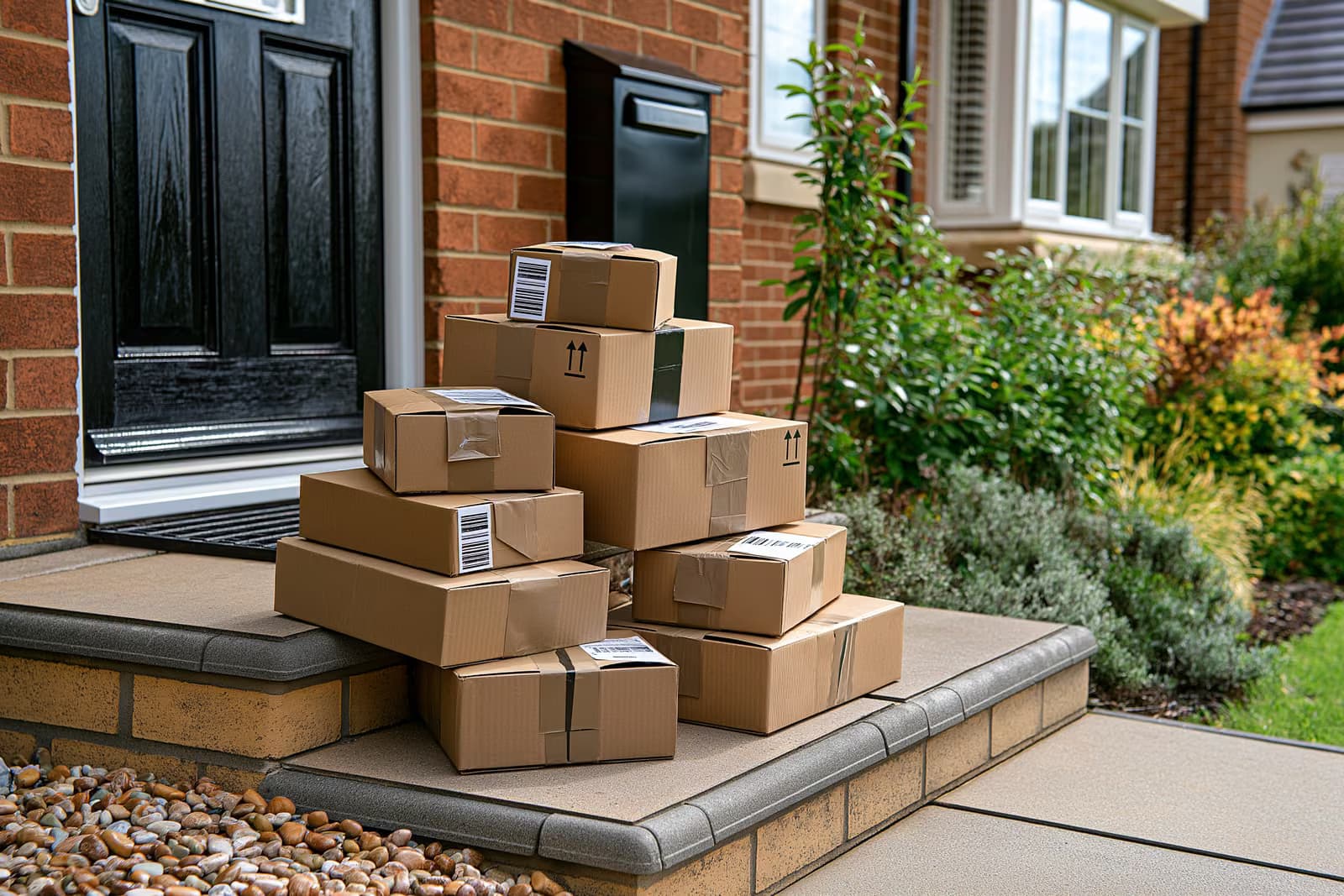
Cheap online shopping from outside the European Union just got more expensive. From 1 July 2026 the EU scrapped its long-standing 150-euro customs exemption and introduced a new parcel fee of about 3 euros on items sent from non-EU sellers such as Temu, Shein and AliExpress. The change sounds small, but for anyone in Germany who fills a basket with low-cost goods from these platforms, the new parcel fee can add up fast and, in some cases, turn a bargain into an ordinary price.
How the New Parcel Fee Works
Until now, shipments worth less than 150 euros could enter the EU without customs duty. That so-called de-minimis rule is gone. In its place, GameStar reported, a flat charge of 3 euros applies per type of goods on budget packages from non-EU countries. The word type is the catch, because the fee is calculated per category of item in a shipment, not per parcel.
That distinction matters more than it first appears. As Biallo explained, three euros fall not per package but per different kind of goods in the shipment. So an order that mixes several product types is charged several times over. A parcel containing five different items can therefore attract 15 euros in fees rather than the 3 euros many shoppers expect, which is why the design of this parcel fee has drawn so much attention.
Why 3 Euros Can Become 15
The headline number is only the start. On top of the parcel fee, buyers still owe import VAT, which runs from 7 to 19 percent depending on the product, and the delivery service adds its own handling charge. Biallo noted that with Deutsche Post and DHL this service fee is currently around 7.50 euros per parcel, and a further processing fee is due to arrive on 1 November 2026.
Stacked together, these costs change the picture completely. Biallo illustrated how a 3-euro customs charge can effectively grow to around 15 euros once handling and other fees are counted, and TechBook cited Berlin consumer advisers who calculated that a 7-euro item could end up costing nearly 20 euros after everything is added. For products that were attractive only because they were extremely cheap, that difference can wipe out the saving entirely.
Which Shops the Parcel Fee Targets
The measure is aimed squarely at the high-volume marketplaces that ship millions of small packages into Europe every day. GameStar and TechBook both named Temu, Shein and AliExpress as the main platforms affected, because their business model relies on very low prices and direct delivery from outside the EU. Goods bought from sellers based inside the EU are not touched by this parcel fee.
The reasoning behind the change is partly about revenue and partly about fairness. European retailers have long argued that the old exemption gave non-EU sellers an advantage, since their small parcels escaped duties that domestic and EU competitors had to build into their prices. The rules are also described as transitional. According to WinFuture and GameStar, the current flat rate is a bridge until 2028, when standard tariffs are expected to apply to parcels from the very first euro.
What This Means for Foreigners in Germany
If you regularly order from Temu, Shein or AliExpress, it is worth changing how you shop rather than simply paying more. Because the parcel fee is charged per type of goods, bundling similar items into a single category and avoiding mixed baskets can hold the cost down. Working out the full price, including VAT and handling, before you check out will stop you from being surprised at the door.
For many everyday purchases, an EU-based seller may now be cheaper once all the fees are counted, so it pays to compare. Budgeting for these extra costs is part of the wider picture of living expenses here, and our overview of daily life at welivein.de/how-to-germany can help you plan. The bargain-shopping habits that worked before July 2026 no longer add up the same way.