Right to Repair Law Cleared in Germany
4 min read
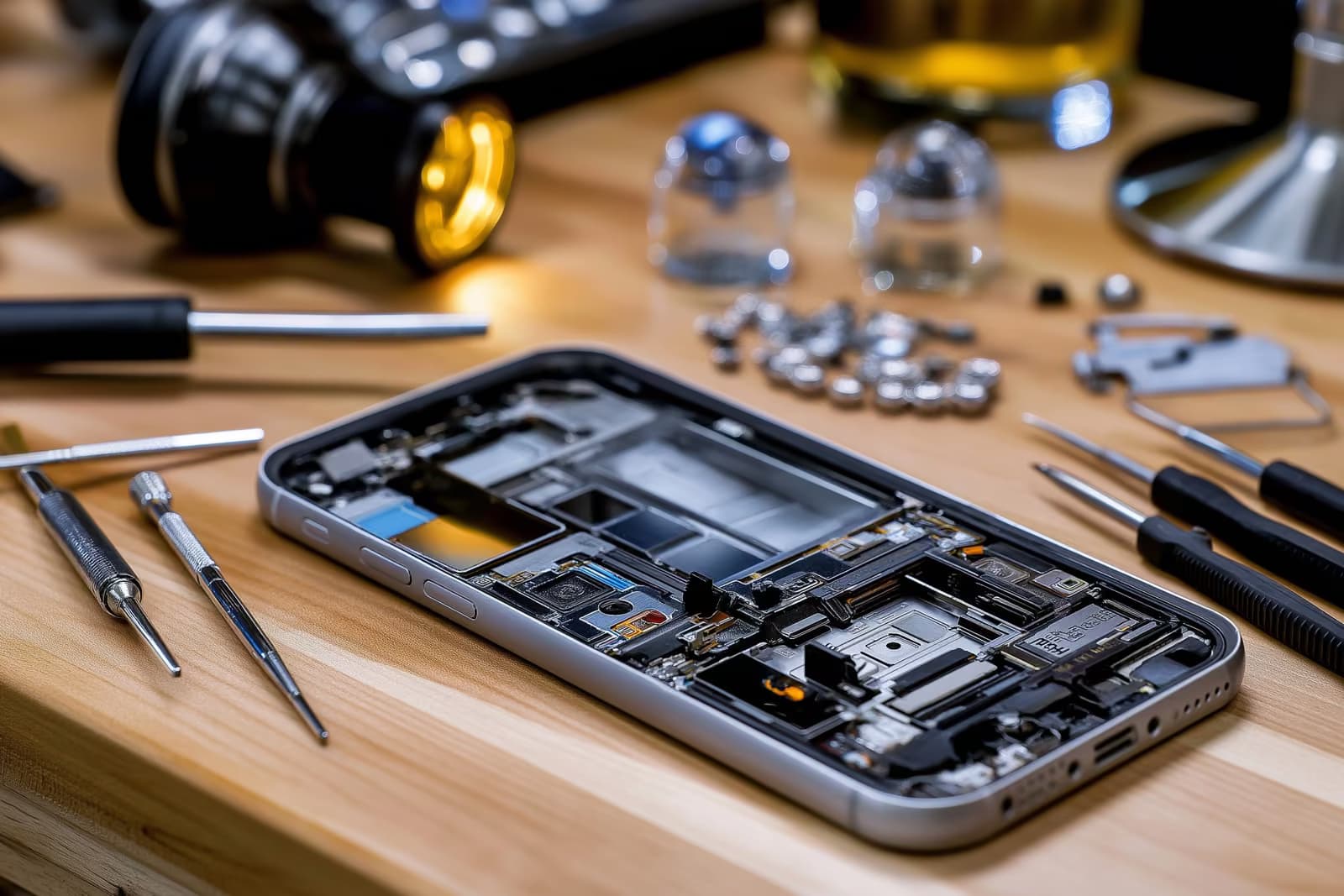
Germany’s new Right to Repair law has cleared its final legislative hurdle. On 10 July 2026 the Bundesrat, the chamber that represents the federal states, approved the Recht auf Reparatur, roughly two weeks after the Bundestag passed it on 25 June. The Right to Repair law forces manufacturers of everyday products such as phones, tablets, washing machines and e-bikes to offer repairs at fair prices even after the warranty has ended, and it rewards people who choose to fix rather than replace. For foreigners furnishing a home in Germany, it changes the maths of buying and keeping household goods.
What the Right to Repair Law Covers
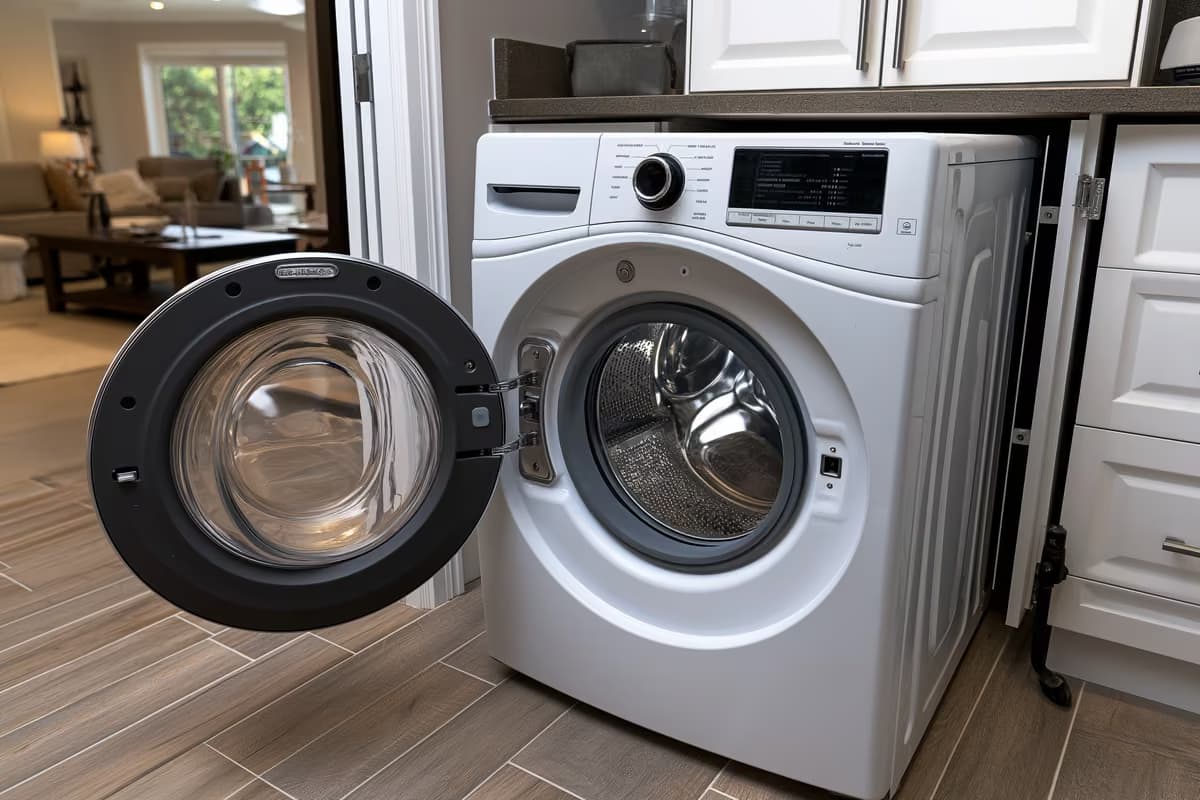
The law reaches across a broad set of product categories. According to the Bundesrat, it applies to goods including washing machines, dryers, dishwashers, refrigerators, vacuum cleaners, displays such as televisions and monitors, smartphones, tablets, and battery-powered light vehicles like e-bikes and e-scooters. These are exactly the items most households own and most dread having to replace when a single part fails.
At its core the rule creates a duty to repair. As heise online reported, manufacturers must repair a product when a consumer asks, and they must supply spare parts and suitable tools at, in the law’s words, an appropriate price that does not discourage repair. Just as important, makers are barred from building in technology that deliberately makes repair difficult or impossible. If a product cannot be repaired when repair could reasonably be expected, that now counts as a defect.
Fair Prices and a Longer Guarantee
The most immediate benefit for consumers is financial. Spare parts and repair tools must be offered at reasonable prices, which is meant to end the common situation where a replacement part costs almost as much as a whole new device. The Bundesrat stated that the aim is to make repair a genuine, affordable option rather than a theoretical right that few can use.
There is also a clear reward for choosing repair. When a consumer opts to have a faulty item repaired instead of replaced, the statutory guarantee period is extended by twelve months, as both heise online and the Bundesrat confirmed. During the repair, consumers can also ask for a loaner device so they are not left without a phone or a washing machine while they wait. Together these measures tilt the incentives away from throwing things out.
When the Right to Repair Law Applies
The changes take effect quickly. The core repair obligations apply from the end of July 2026, and crucially they cover devices that people already own, not only new purchases. That means a phone or an appliance bought before the law existed can still benefit from the new right to demand a manufacturer repair. The repairability requirements and the guarantee extension attach to items bought from 31 July 2026 onwards.
A few provisions arrive later. The Deutscher Bundestag noted that the framework implements a European Union directive, so Germany is bringing its national rules in line with a common European standard rather than acting alone. Business-to-business purchase agreements are drawn in from 1 January 2028, giving companies more time to adapt their contracts and supply chains.
Why the Law Was Passed
The driving idea is to cut electronic and household waste and to make products last longer. Every repaired washing machine or phone is one that does not go to landfill and one fewer replacement that has to be manufactured and shipped. The Berliner Zeitung described the measure as giving consumers a new right to have things put back into working order, a shift away from the culture of quick disposal.
Supporters argue the environmental and consumer benefits go hand in hand. Households save money by keeping equipment longer, while the wider economy wastes fewer raw materials. Critics in industry have warned about the cost of stocking spare parts and tools for years, but the law’s backers say the appropriate-price rule and the phased timeline give manufacturers room to adjust.
What This Means for Foreigners in Germany
If you are setting up a household here, the practical advice is to keep your receipts and proof of purchase, because the guarantee extension and the right to repair both depend on being able to show what you bought and when. When something breaks, ask the manufacturer or seller about a repair before assuming you need to buy a replacement, and remember that choosing repair can add a year to your guarantee.
The rules apply regardless of your nationality or residence status, so every consumer in Germany can use them. If you are still learning how German consumer protection works, our overview at welivein.de/how-to-germany is a useful starting point. Knowing your rights before something fails is the difference between an easy fix and an expensive replacement.