New EU Asylum Rules Take Effect
4 min read
A major overhaul of how asylum claims are handled across Europe has reached a decisive stage. The new EU asylum rules, set out in the Asylum Procedures Regulation known formally as Regulation (EU) 2024/1348, have been in force since 12 June 2026 and, according to EUR-Lex, repealed the previous Asylum Procedures Directive from 2013 with effect from 11 July 2026. For the millions of foreigners living in Germany, this marks one of the biggest changes to European migration law in a decade.
What the new EU asylum rules replace
The regulation is a central piece of the Common European Asylum System, usually shortened to CEAS, and part of the wider EU Migration and Asylum Pact. Unlike a directive, which each member state translates into national law with some room for variation, a regulation applies more directly and uniformly. That shift is significant, because EUR-Lex confirms the old 2013 directive no longer applies once the new rules take over, replacing a patchwork with a common framework.
Germany is now implementing these EU asylum rules alongside its European partners. The Bundesregierung describes the reform as an effort to make procedures faster, more consistent and better able to manage arrivals, while distributing responsibility more clearly between countries. The stated aim is to reduce so-called secondary migration, where applicants move on to a second member state, and to bring order to a system that many governments considered overwhelmed.
How the EU asylum rules change borders
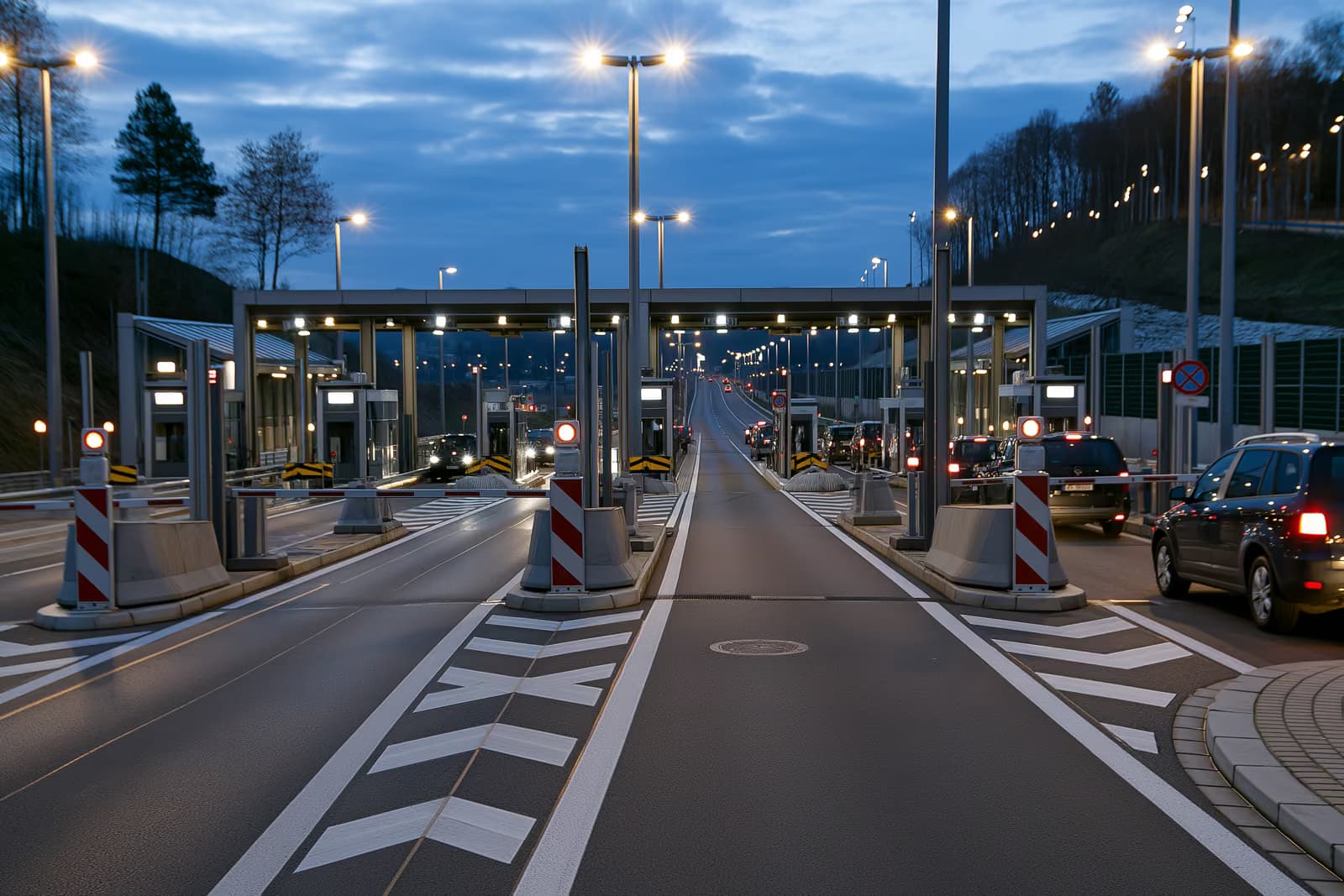
One of the most consequential features is a mandatory border procedure for certain applicants at the European Union’s external frontier. According to EUR-Lex, this can involve a border process lasting a minimum of twelve weeks, extendable to sixteen weeks if a person is transferred to the member state responsible for their case. Unaccompanied minors are generally exempt unless they are considered a security risk.
Alongside the border procedure sits a screening stage designed to identify and register people quickly on arrival. EUR-Lex states that applications must be examined objectively, impartially and case by case, with asylum authorities required to have the necessary expertise and up-to-date information about conditions in countries of origin. InfoMigrants notes that these procedures are meant to speed up decisions, though critics worry they compress the time available to make a fair claim.

Safe country concepts
The reform also reshapes the rules on which countries can be treated as safe. EUR-Lex explains that the regulation governs the concepts of first country of asylum, safe country of origin and safe third country, and allows non-EU states to be designated as safe either at the European level or nationally. Such designations are subject to review by the European Commission and can be suspended if conditions change.
These safe country concepts matter because they can shape whether a claim is fast-tracked or channelled into a border procedure. For applicants, being from a country labelled safe may raise the bar they must clear, which is why refugee advocates have watched this part of the new EU asylum rules closely. The practical impact will depend on which countries end up on the relevant lists.
Return hubs still under discussion
Running parallel to the regulation is a separate debate over so-called return hubs, facilities in non-EU countries where people awaiting deportation could be held. German Interior Minister Alexander Dobrindt has continued talks on such arrangements, with agreements expected later in the year. As Euronews reported, Germany joined the Netherlands, Austria, Denmark and Greece in early 2026 to identify possible partner countries.
The concept is deeply contested. Euronews cited legal experts warning that sending people to third countries could expose them to ill-treatment, and noted concerns about the absence of clear time limits on detention. No concrete return hub agreements had been finalised at the time of that reporting, so this element remains a plan rather than a working system, separate from the EU asylum rules already in force.
What this means for foreigners in Germany
For asylum seekers and their families, the new EU asylum rules mean procedures that are meant to move faster but also carry stricter border and screening steps, especially for people entering through the external frontier. Anyone with a pending claim or planning to apply should expect the process to look different from the one described in older guidance, and should seek up-to-date advice rather than rely on secondhand accounts.
Even foreigners who are not asylum seekers have reason to follow this shift, because it shapes the broader climate around migration and integration in Germany. Our explainers at welivein.de/how-to-germany can help you understand how the German and European systems connect. For an active case, a recognised refugee counselling service or a qualified lawyer remains the most reliable source of guidance.