German Inflation Eases to 2.3 Percent
2 min read

German inflation is cooling again. Consumer prices in June 2026 were 2.3 percent higher than a year earlier, the Federal Statistical Office (Destatis) confirmed in early July. That is down from 2.6 percent in May and 2.9 percent in April, and it means the pace at which everyday costs rise has slowed for a second month in a row. For foreigners managing a household budget in Germany, the softer German inflation reading is a modest but welcome sign.
What June’s German inflation figures show
Destatis reported that the annual rate reached 2.3 percent in June, with prices actually 0.3 percent lower than in the previous month. The number sits close to the European Central Bank’s 2 percent goal, which the bank uses as its yardstick for price stability across the euro area.
The trend matters as much as the single figure. April stood at 2.9 percent and May at 2.6 percent, so June continues a clear downward path. DATEV Magazin noted that the overall increase in consumer prices weakened again, echoing the Destatis assessment that price pressure eased for a second consecutive month.
Why German inflation stays higher at the core
Behind the headline number, the picture is less relaxed. Core inflation, which strips out volatile food and energy prices to show the underlying trend, stayed at 2.5 percent in June, above the general rate. Economists watch this figure closely because it reflects the stickier part of German inflation, especially in services, that tends to change slowly.
The gap between the headline and core rates tells you where relief is and is not arriving. Much of the recent slowdown comes from energy, while the cost of services and many everyday items is easing more gradually. That is why a lower official rate does not always feel like lower prices at the till.
Energy and fuel still weigh on prices
Energy remained a driver even as it cooled. Destatis put energy prices about 3.4 percent above their level a year earlier, a marked step down from 10.1 percent in April and 6.6 percent in May. In other words, energy is still getting more expensive year on year, but far less quickly than in the spring.
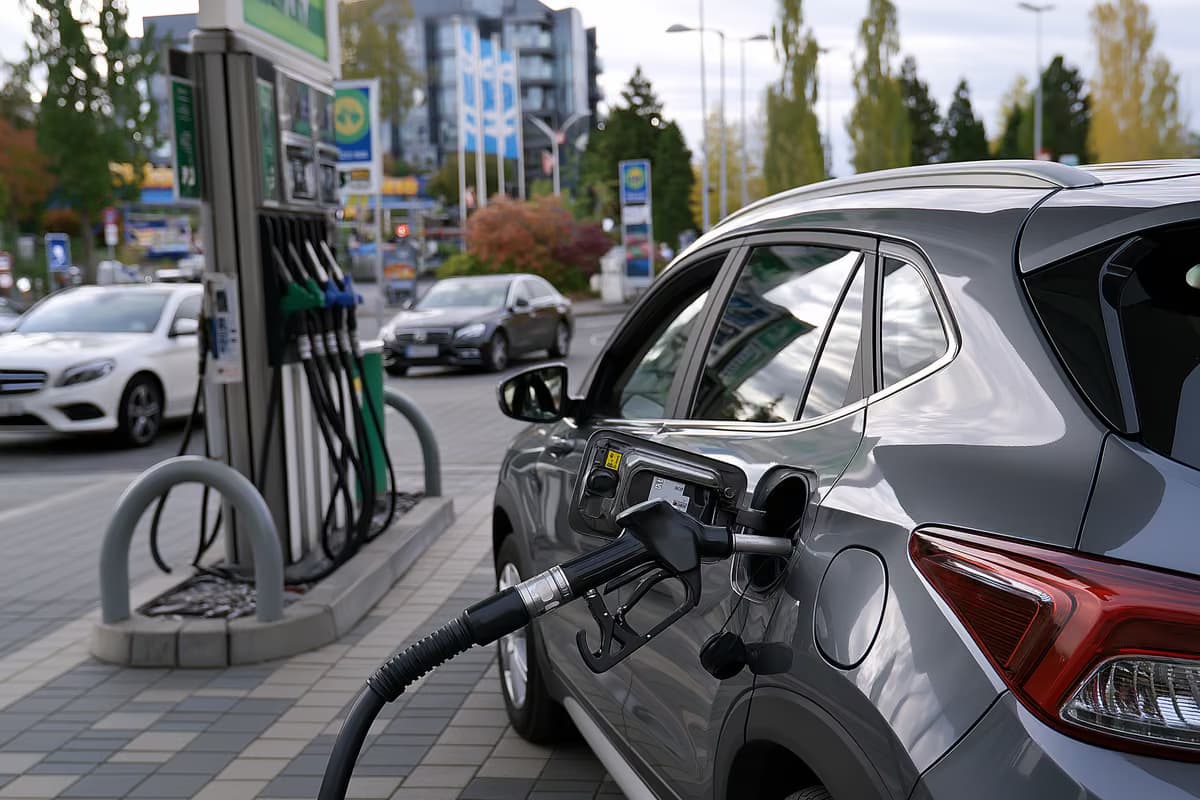
Part of this softening is linked to fuel. According to DATEV Magazin, changes to fuel taxation and movements in oil markets helped tame the energy component of German inflation. For anyone who drives or heats with oil or gas, the yearly comparison is still upward, but the sharp jumps of recent years have flattened out.
What it means for your budget
A 2.3 percent rate does not mean prices are falling; it means they are rising more slowly. If your wages or benefits climb faster than that, your real purchasing power improves a little. If they do not, you may still feel squeezed, particularly on rent and services where increases tend to persist.
For newcomers, the practical takeaway is to keep comparing prices and to expect steadier, not cheaper, everyday costs in the months ahead. Understanding how salaries, taxes and living costs fit together in Germany helps you plan, and our overview at welivein.de/how-to-germany is a good place to begin. Cooling German inflation gives households a little breathing room, but the underlying cost of living remains high.