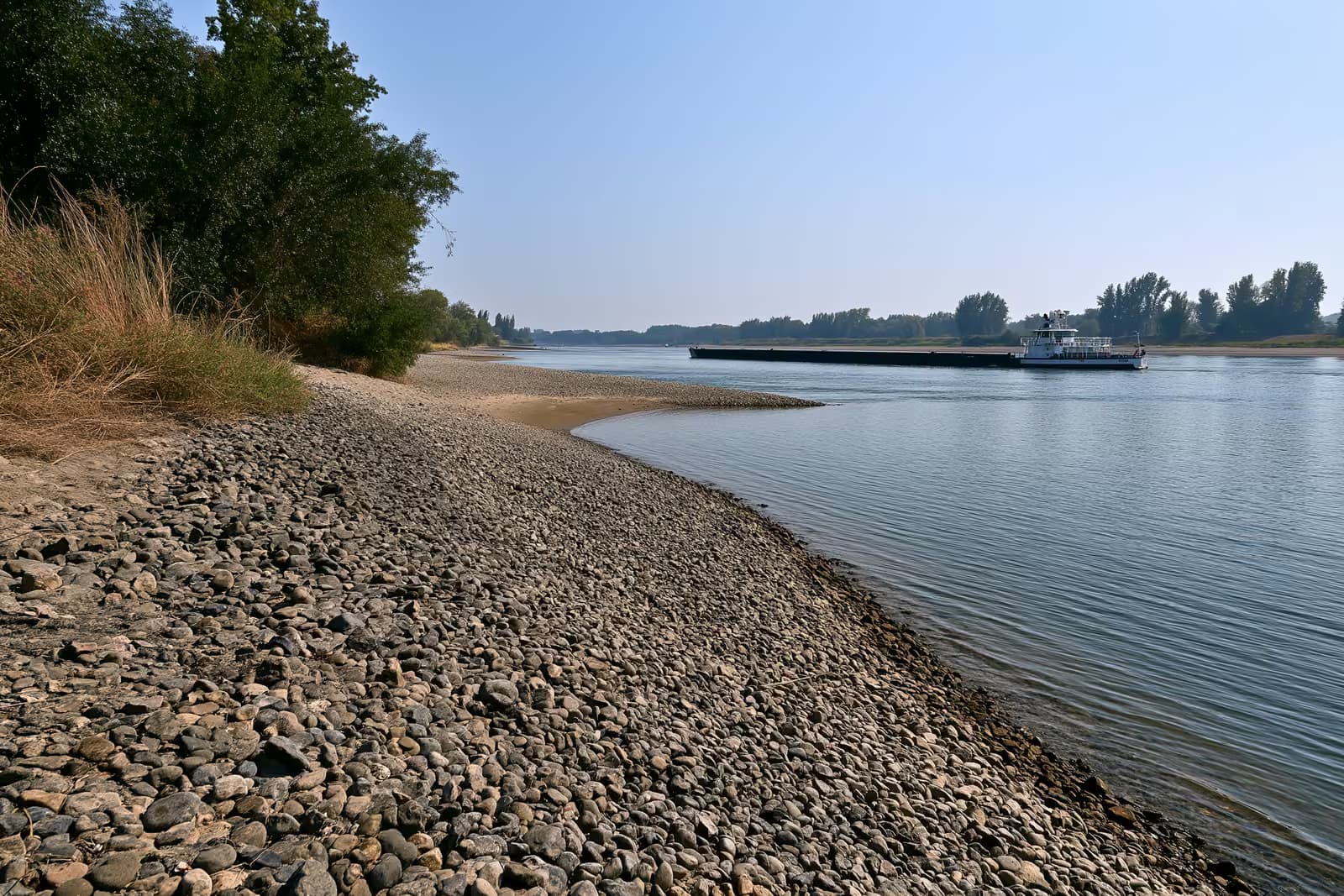
Heat and Storms Sweep Germany
3 min read
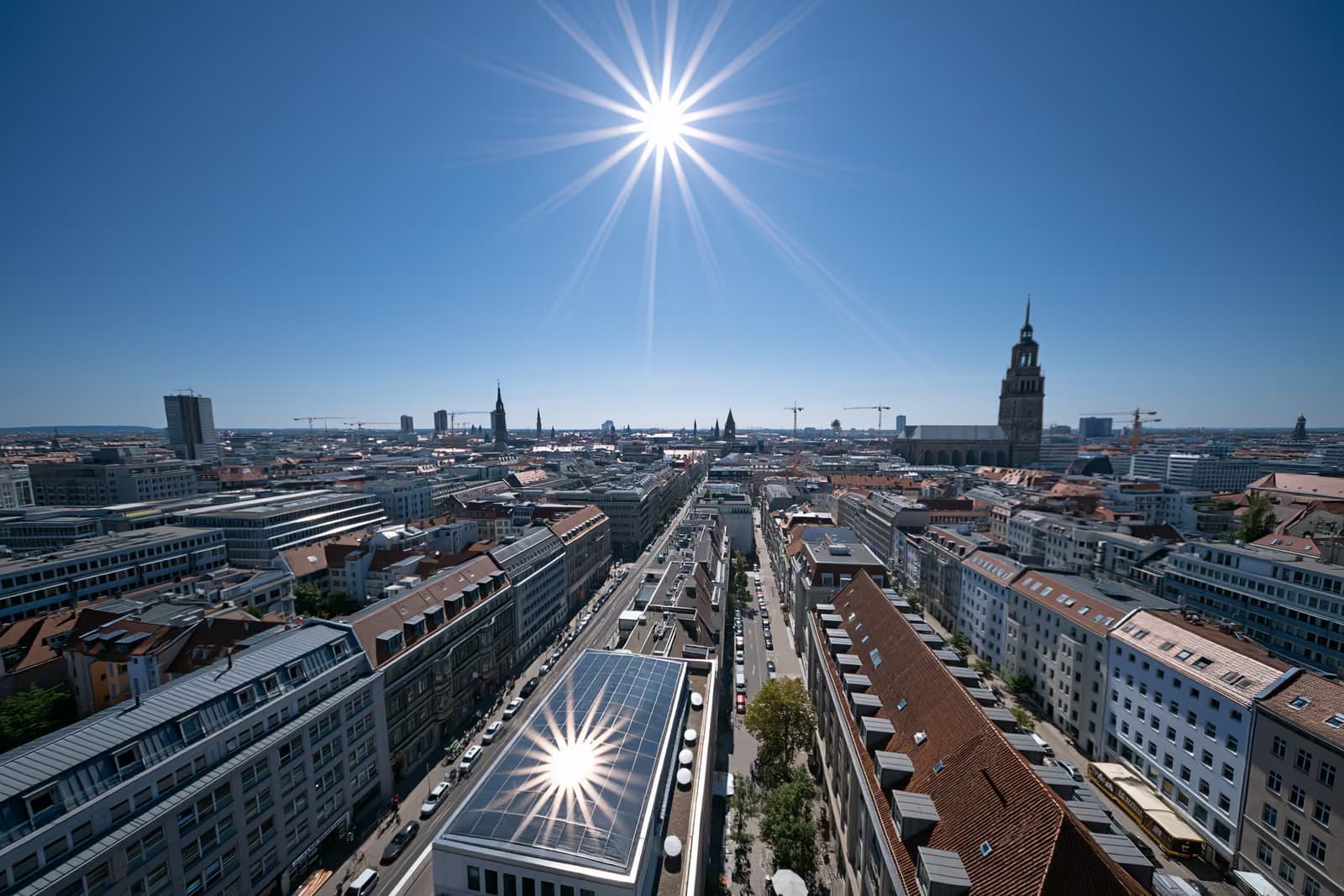
Germany has been caught between extremes this week as heat and storms swept across the country. A punishing heatwave pushed temperatures into the mid-30s over the weekend of 11 and 12 July 2026, with tropical nights and heat warnings, before violent thunderstorms tore into the north on 14 July with giant hail and flooding. The swing from heat and storms in the space of a few days is a reminder of how volatile a German summer can now be, and how quickly conditions can turn.
A Heatwave Grips the South
The first half of the story was the heat. Euronews reported that temperatures were set to climb to as much as 38C in the south-west over the weekend, with widespread highs above 35C. Baden-Wuerttemberg and the Rhine-Main region around Frankfurt were hit hardest, while cities such as Munich warmed more slowly and the far north stayed cooler with the chance of rain.
The nights offered little relief. Euronews described how Frankfurt was forecast to stay tropically hot after dark, meaning temperatures did not fall below 20C, a so-called Tropennacht or tropical night that makes sleep difficult and strains the body. Forecasters linked the spell to an omega high, a stubborn high-pressure system that parks warm air over a region and holds it in place, in this case into the middle of July.
Heat Warnings and Rail Disruption
As the heat built, the Deutscher Wetterdienst (DWD), Germany’s national weather service, issued heat warnings across large parts of the country. These alerts urge people to drink plenty of water, avoid the midday sun and check on elderly neighbours and relatives, the groups most at risk when the heat peaks. Employers and schools often adjust hours during such warnings.
The heat also reached the railways. Extreme temperatures can force trains to slow down because the heat affects tracks and overhead lines, adding delays to journeys already under summer pressure. This followed a record-hot June, during which, Euronews noted, extreme heat damaged the concrete surface of the A2 motorway near Burg in Saxony-Anhalt so badly that a section had to be closed completely.

Severe Storms Batter the North
The second half of the week brought the opposite danger. On 14 July, severe storms swept the north of Germany, with t-online reporting the worst impact in Mecklenburg-Vorpommern, Schleswig-Holstein, Lower Saxony and around Hamburg. Hail the size of tennis balls and golf balls smashed roofs and vehicles, and in the Ludwigslust-Parchim district the hail piled up so deep that loaders were needed to clear it.
The rain came in torrents. According to t-online, cellars, basements and underground car parks flooded, railway underpasses filled with water, and a police patrol car became stranded in a flooded underpass in Elmshorn. Some residents in the Stade area said they had not seen weather this severe in around 40 years, underlining how unusual the storms felt even to long-time locals.
Hundreds of Emergency Callouts
Rescue services were stretched across the north. t-online reported more than 300 firefighters in action in the Hannover region alone, around 168 weather-related emergency calls within a single hour in Ludwigslust-Parchim, and more than 130 callouts in Elmshorn. A house roof caught fire after a lightning strike in Elmshorn, and the Red Cross and technical rescue teams were deployed alongside local fire brigades.
The pattern of intense heat followed by violent storms is typical of an unstable summer, as hot, humid air stored up over days is released in sudden, damaging downpours. Forecasters such as wetter.com had signalled that the heat would break with thunderstorms around the middle of July, and that is broadly what happened, though the sheer force of the hail in the north went beyond a routine cooling-off.
What This Means for Foreigners in Germany
Whether you face heat and storms depends heavily on where you live, so the first practical step is to follow local forecasts and the DWD warnings, which are issued region by region. During heat warnings, drink more water than usual, keep your home shaded and cool, and plan travel around possible rail delays. If you work outdoors, check what protections your employer must provide when temperatures soar.
When storm warnings are in force, secure balcony furniture, park vehicles under cover if you can and stay away from flooded underpasses, which are more dangerous than they look. If you are new here and unsure how German weather alerts and emergency services work, our guide at welivein.de/how-to-germany explains the basics. A little preparation turns a dramatic week of heat and storms into a manageable one.