Merz Confirms Tomahawk Missiles for Germany
4 min read
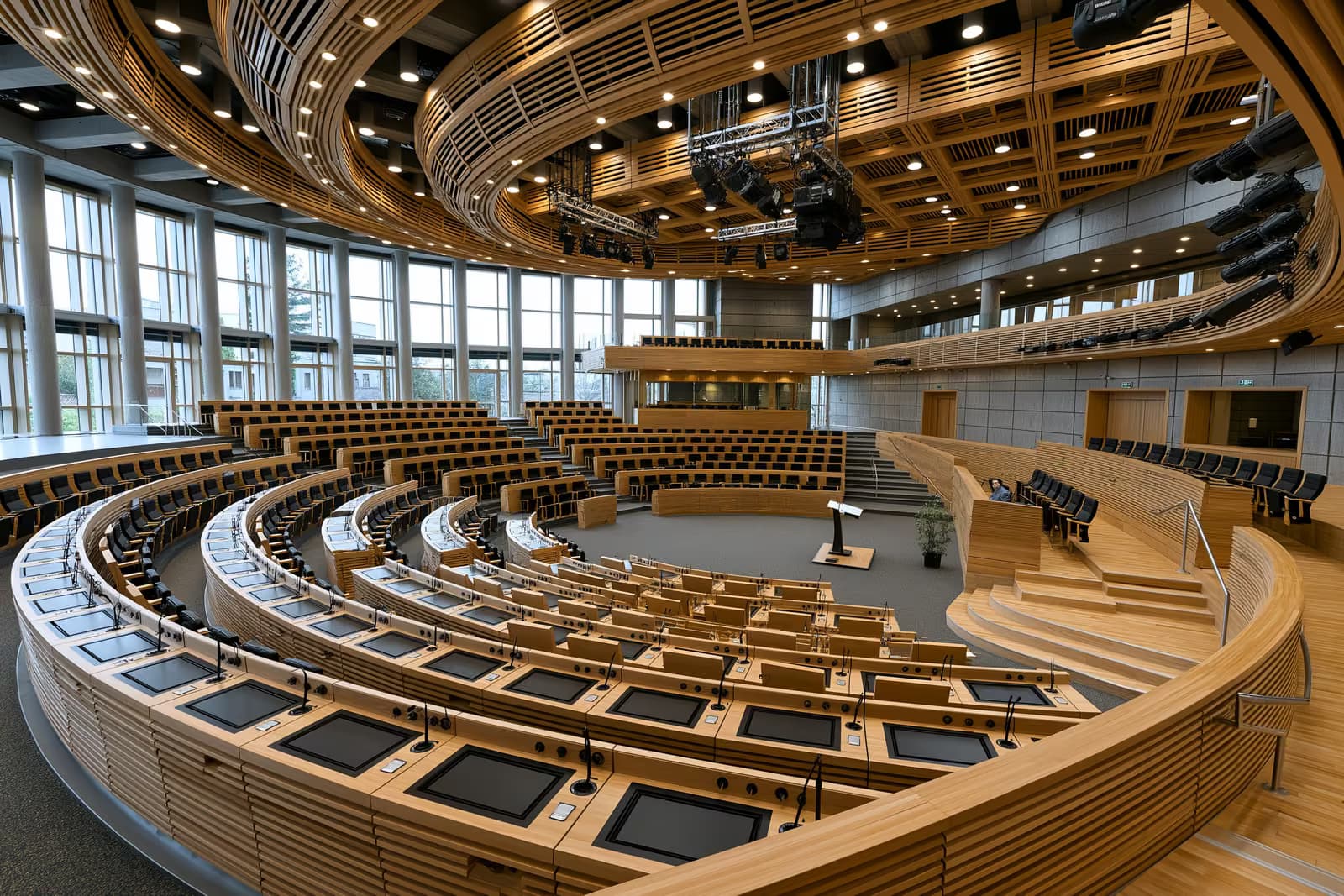
Chancellor Friedrich Merz used his final Bundestag speech before the summer recess to confirm that Germany will buy American Tomahawk missiles, linking the purchase to a broad rearmament drive and a sharp warning that radical politics could push the country toward the edge. The government statement, known in German as a Regierungserklaerung, was delivered on 9 July 2026 and doubled as a mid-term review of his black-red coalition of the CDU/CSU and the Social Democrats (SPD). For foreigners living in Germany, the Tomahawk missiles decision is one of the clearest signals yet of how quickly Berlin is reshaping its defense priorities.
What the Tomahawk missiles decision means
According to ZDFheute, Merz told the Bundestag that Germany would acquire Tomahawk cruise missiles from the United States, moving beyond the earlier arrangement under former chancellor Olaf Scholz in which such weapons were only to be stationed on German soil by American forces. Buying the missiles outright is meant to close what the government calls a capability gap, giving the Bundeswehr its own long-range strike option rather than relying on rotating allied deployments.
The shift also carries a political message aimed at Washington. Merz presented the purchase as a way to invest directly in the transatlantic relationship at a time when the United States expects European partners to spend more on their own defense. The Tomahawk missiles order fits a pattern the chancellor has pursued since taking office, in which higher military spending is framed not as a burden but as a strategic choice Germany can no longer postpone.
A mid-term review of the coalition
Beyond defense, the speech served as a self-assessment roughly fourteen months into the coalition. The Bundesregierung quoted Merz describing Germany as a strong country economically, politically and socially, and casting his cabinet as a government of renewal. He pointed to reform packages on pensions, taxes, health care and the labor market as proof that the coalition can still agree on difficult measures.
The tone in the chamber was less unified than the chancellor’s words suggested. ZDFheute reported that only front-row SPD members applauded some of his closing reform promises, a reminder that his Social Democratic partners have swallowed positions far from their traditional platform. Opposition figures from the AfD, the Greens and the Left accused the government of a mix of overspending on the military and cutting too deeply into social programs.
Tomahawk missiles and the NATO posture
Merz placed the Tomahawk missiles purchase inside a wider account of a recent NATO summit, which he said had exceeded all expectations. He highlighted a decision by Canada to modernize its submarine fleet with German and Norwegian help, describing the deal involving the German shipbuilder as the largest international arms contract in the history of the Federal Republic, with a value that could reach up to 100 billion euros in economic activity over the coming decades.
The chancellor argued that these projects show Germany moving from promises to concrete commitments on collective defense. He framed rearmament as a response to a more dangerous security environment on Europe’s eastern flank and as a contribution to keeping the United States engaged in the alliance. For readers trying to understand the country they now call home, our guide on settling in Germany at welivein.de/how-to-germany gives useful background on how national politics filters into everyday life.

A warning about the political abyss
The most quoted passage of the day was a warning rather than a policy. With state elections approaching in Saxony-Anhalt and Mecklenburg-Vorpommern, Merz said the answers offered by radical parties, whether from the left or the right, might sound seductive but ultimately destroy and divide the country. According to the Bundestag record, he cautioned that such forces would lead Germany into an abyss if they were ever handed real political responsibility.
Bloomberg framed the remarks as a response to the rising strength of the far right, and the AfD reacted angrily. Party co-leader Tino Chrupalla told the chamber that the cost of the government’s failures grew every day. The exchange underlined how much the domestic debate now revolves around migration, security and the fear that mainstream parties are losing ground.
What this means for foreigners in Germany
For internationals, the Tomahawk missiles announcement is less about hardware than about direction. A government committed to heavy defense spending will keep security, alliance loyalty and border policy near the top of the agenda, and those priorities shape everything from public budgets to the political climate that shapes migration rules. Watching how the coalition balances military costs against social spending is a practical way to anticipate where policy is heading.
The sharper tone toward radical parties also matters for anyone who did not grow up with German politics. The autumn state elections will test whether Merz’s warning resonates or whether the AfD continues to gain, and the outcome could influence the mood around immigration and integration for years. Staying informed through explainers like those at welivein.de/how-to-germany can help newcomers read these debates with more confidence.