Halle migrant shops close in protest at racism
4 min read
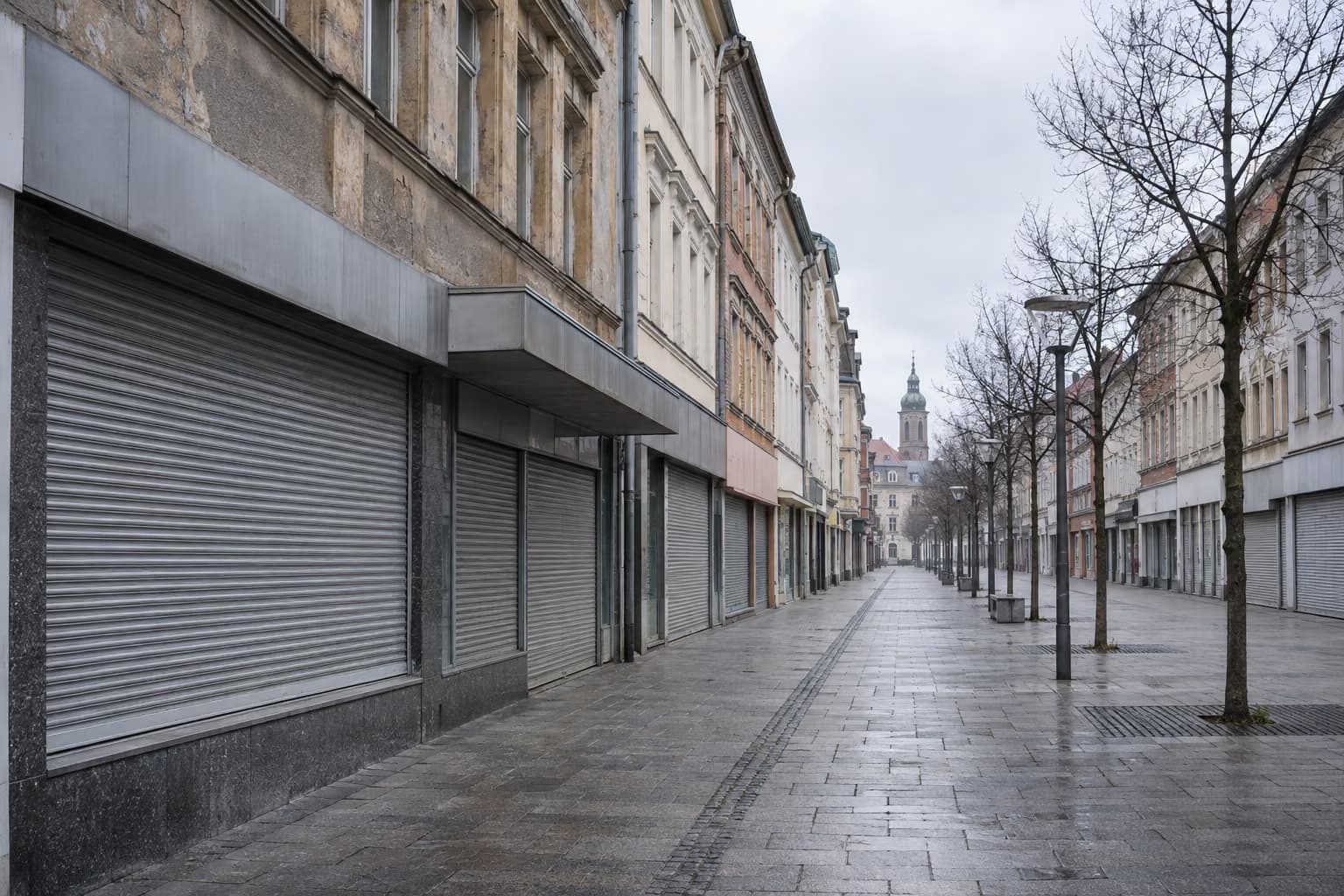
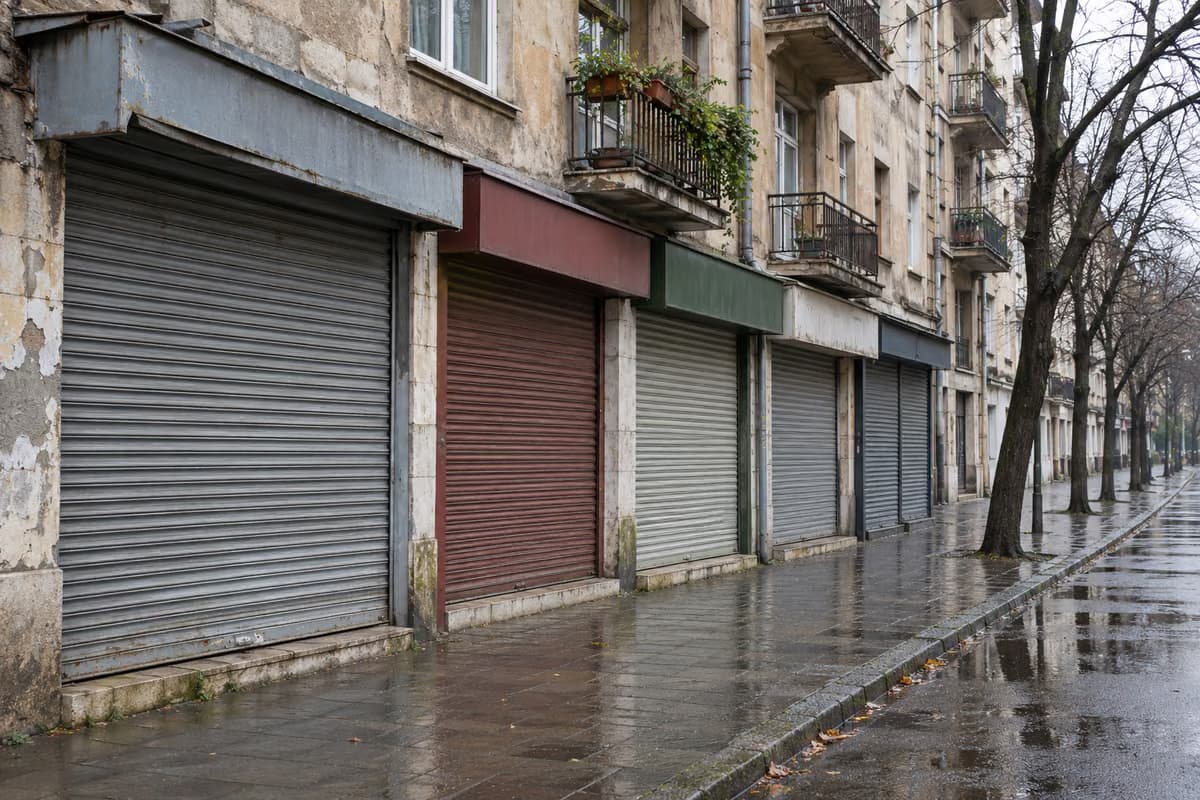
Kebab shops, hair salons, restaurants and small stores pulled down their shutters in Halle (Saale) on Thursday, 5 November. Around 30 Halle migrant shops stayed closed between 10:00 and 16:00 in a protest against racism and exclusion in Saxony-Anhalt, two months after the far-right AfD became the strongest party in the state election. The action ran under the motto "Halle ohne uns?" (Halle without us?) and was meant to show how much the city depends on people with a migration background.
The call came from the citizens' initiative MigraStark and was supported by the refugee council of Saxony-Anhalt, the Flüchtlingsrat. Several closed shops were marked with red-and-white barrier tape, a picture that dpa and the news agency AFP both described.
How the Halle migrant shops protest unfolded
According to the regional broadcaster MDR, the businesses that closed included restaurants, craft businesses and service providers. In the afternoon, a rally followed at the Steintor, a busy square in the city centre. The organisers had first announced the Marktplatz as the venue. Counts of the crowd differ: police told dpa that more than 300 people took part, while MDR and AFP each reported around 200. Many of those present were young, and several speakers addressed the crowd.
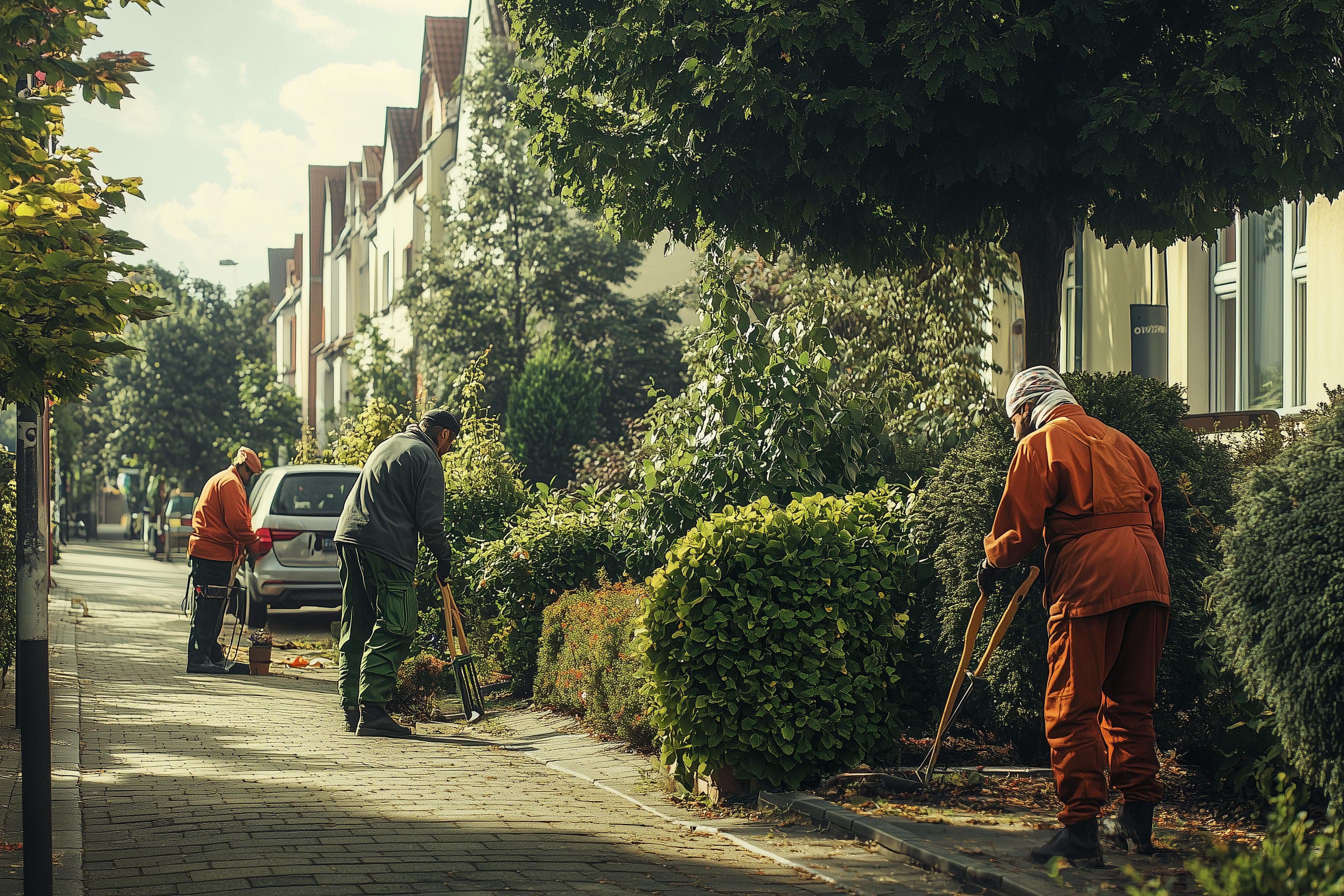
The protest copied an action in Magdeburg, the state capital. There, on 26 August, shortly before the state election, about 150 to 160 businesses closed for several hours, depending on the source. The Flüchtlingsrat points out that in Magdeburg, shops without migrant owners also joined in solidarity. Halle is also the city where a far-right gunman attacked the synagogue in 2019, an attack the city still commemorates.
Fear kept other shop owners away
The organisers say the number of closed Halle migrant shops could have been much higher. Co-organiser Dalal Mirzo, a 38-year-old Syrian who has lived in Halle for 11 years according to AFP, told MDR that many owners stayed open because they were afraid of being targeted or of having their shops destroyed. "Thirty shops joined in, but many others didn't dare to participate," she told AFP, adding that racism and attacks had increased since the election.
Mirzo wants a different debate. Before the protest, she told the local news site HalleSpektrum that society must move away from the question of who is allowed to belong. At the rally, she listed where migrants work: as business owners, in care, in health and in public administration. "We are everywhere and we belong," she said, as quoted by MDR. The Flüchtlingsrat put it in a single line in its call for the protest: "Menschenwürde hat keine Legislaturperiode" (human dignity has no legislative term).
The election result behind the protest
The background is the state election of 6 September. The AfD won almost 44 percent of the vote, according to AFP, but fell short of an absolute majority. The domestic intelligence service (Verfassungsschutz) classifies the party's Saxony-Anhalt branch as confirmed right-wing extremist, a label the party is challenging in court. Its lead candidate Ulrich Siegmund wants to be elected minister-president by the state parliament in December. During the campaign, he promised to deport all foreigners living in the state illegally, AFP reports.
Participants described the mood in personal terms. Mohamad-Samer, a 29-year-old who works in a fast-food restaurant that closed for the day, told AFP that because of the AfD and racism he could not stay in Halle. The Greens state MP Mamad Mohamad, who has lived in the region for 30 years, said he receives messages every day from people who plan to leave Saxony-Anhalt. According to Kurier, he also said that minorities have been the target of hateful rhetoric in parliament since the AfD entered the Landtag ten years ago.
Not everyone was pessimistic. Fadi Darwish, 21, who runs a shisha bar with his father and has lived in Halle for 13 years, told AFP that he was not especially worried about his own future but hoped his neighbours would see that most Arab immigrants work hard. Mohamad warned that the state's economy and public services depend on people staying. AFP notes that Saxony-Anhalt has lost about a quarter of its population since reunification in 1990.
What the Halle migrant shops protest means for foreign residents
For foreigners in Saxony-Anhalt, the most important point is legal: residence and asylum rules are mainly set by federal and EU law, not by the states. Legal experts quoted by Kurier say this is why many AfD plans, such as a planned deportation and "remigration" offensive, would be hard to carry out at state level.
Still, the protest shows a real worry, and it is part of a wider trend. Discrimination is one of the reasons skilled migrants give for leaving Germany (see our report on migrants leaving Germany over discrimination). The AfD had aimed for a strong result in the state from the start of its campaign (read more on the AfD campaign launch in Magdeburg). Anyone who experiences racist abuse can report it to the police and seek advice from local anti-discrimination counselling services or the federal anti-discrimination agency. The organisers of the Halle migrant shops protest say they want to keep the conversation going with people in the city who rarely meet refugees or migrants.