Kampnagel Festival Fills Hamburg With Art
3 min read
The Kampnagel festival, Hamburg’s Internationales Sommerfestival, returns from 5 to 23 August 2026 with more than 50 productions from around the world. Held in the old factory halls of the Kampnagel arts centre and a string of other venues across the city, this year’s Kampnagel festival runs under the single-word motto “hope!” and gathers theatre, dance, performance, music, film and visual art into nearly three weeks of programming that is easy for international audiences to enjoy.
What the Kampnagel Festival Offers in 2026
The Internationales Sommerfestival is one of the largest annual arts events in northern Germany, and its 2026 edition leans into its theme of hope as a response to a difficult present rather than a retreat from it. The programme spans world premieres, international co-productions and works made specially for Hamburg, so the line-up reaches well beyond what a typical theatre season offers.
Much of the appeal for newcomers is that so much of the work is visual, physical or musical, which means language is rarely a barrier. Dance, performance art and concerts carry across without translation, and the festival draws a mixed, international crowd, making it a comfortable entry point for expats who want to sample Hamburg’s cultural life without needing fluent German.
Venues Across the City
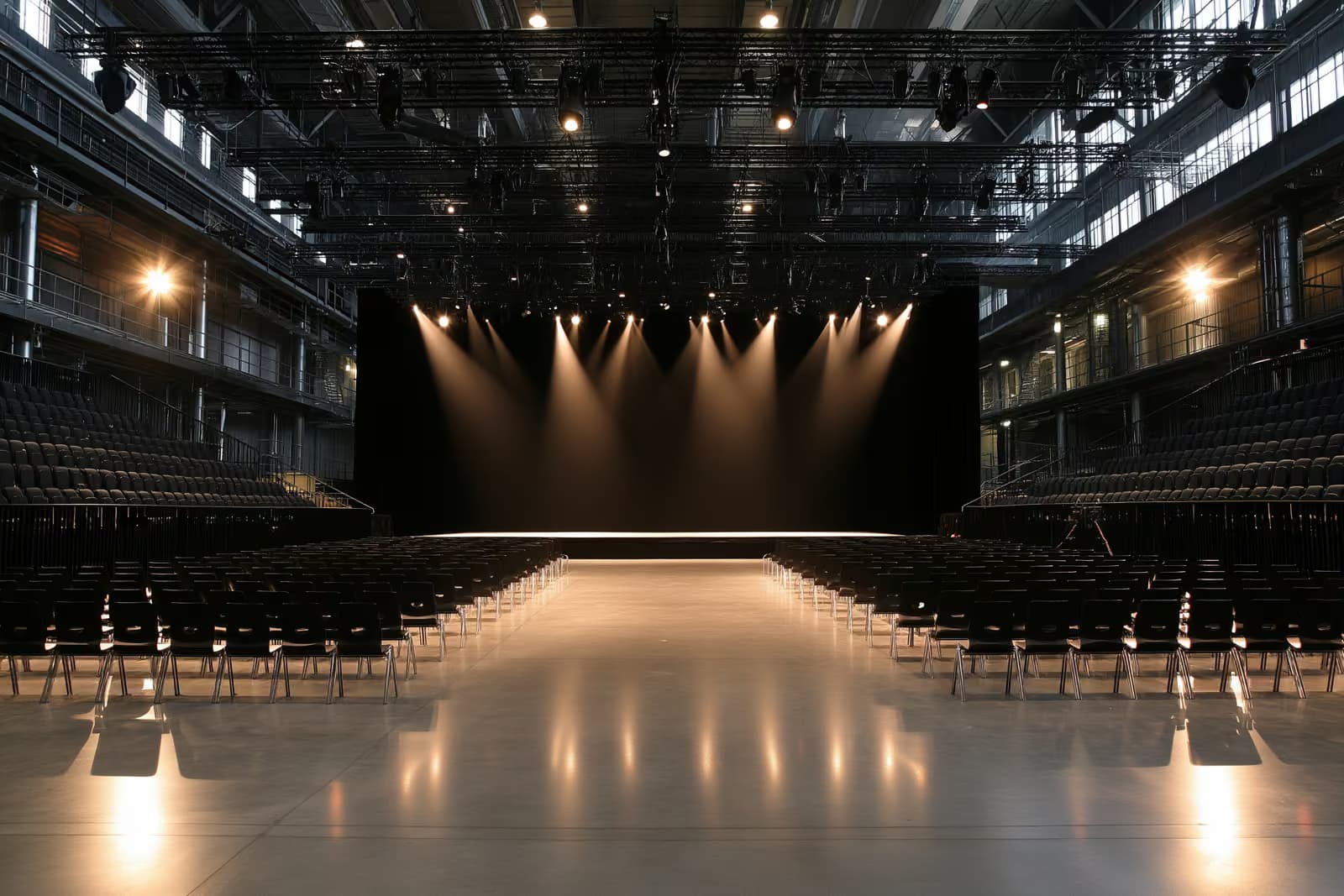
The heart of the festival is the Kampnagel site itself, a former crane and machine factory in the Winterhude district whose raw industrial halls have been a home for independent performance for decades. The Avant-Garten, the festival’s open-air garden, turns the grounds into a social hub where audiences gather between shows.
From there the programme spreads out to some striking locations, including a ship, a church and the Hamburger Kunsthalle art museum, according to the festival and the museum’s own listings. Using the wider city as a stage is part of the point, placing performances in places that carry their own history and turning the festival into a way to see corners of Hamburg you might otherwise miss.
Spreading across so many sites also shapes how you experience the festival. Rather than a single building you visit once, it becomes a route through the city, and many visitors build an evening around one show and the bars, food stalls and open-air spaces nearby. For newcomers still learning the map of Hamburg, that turns a night out at the festival into a low-pressure way to get to know several districts at once.
Kampnagel Festival Artists to Look For
The 2026 line-up features internationally known names. The French collective (LA)HORDE appears with the Ballet national de Marseille, the Argentine choreographer Ayelen Parolin opens the festival with a large-cast dance piece, and the French performer Vimala Pons brings her genre-bending stage work. On the music side, the Brazilian act Ana Frango Elétrico plays an opening concert, one of several live shows woven through the schedule.
Alongside the headline acts sit dozens of smaller productions in theatre, film and visual art, so the festival rewards browsing the full programme rather than only chasing the famous names. Because works run on different dates within the 5 to 23 August window, and popular shows sell out, it is worth checking the official Kampnagel schedule and booking ahead for anything you do not want to miss.
The mix is deliberately broad, from large-scale dance and music that fill the main halls to intimate performances and installations you might stumble into almost by chance. That range is what makes the Kampnagel festival worth returning to across its three weeks rather than treating it as a single night out, and it is why regulars often buy tickets for several very different shows.
What It Means for Expats in Hamburg
For anyone living in or visiting Hamburg this month, the Kampnagel festival is one of the easiest ways to plug into the city’s international arts scene. It runs across almost the whole of August, it is spread over many venues and price points, and a large share of the programme works regardless of the language you speak, which makes it well suited to a mixed group of friends or a first cultural outing after moving to the city.
If you are mapping out the wider cultural calendar, our roundup of major German festivals puts this event in context, and our guide to nightlife and entertainment covers more of what Hamburg offers after dark. The practical advice is simple: look at the dates for the specific shows you want, book early for the popular ones, and treat the festival as a chance to explore parts of the city you have not seen.