FDP’s Pro-Auto Initiative Sparks Debate Across Germany
The FDP has launched a controversial initiative to prioritize car access in German cities, reigniting debates over urban mobility, climate goals, and…

 EnglishEnglishWeLiveIn.de
 DeutschWirLebenIn.de
 РусскийЖивемВ.de
 PolskiMieszkamyW.de
 УкраїнськаЖивемоВ.de
 TürkçeYasiyoruz.de
 ItalianoViviamoIn.de
 EspañolVivimosEn.de
 PortuguêsVivemosNa.de
 RomânăLocuimIn.de
 ShqipJetojmëNë.de
 LietuviųGyvename.de
 LatviešuDzivojam.de
 БългарскиЖивеемВ.de
 ΕλληνικάΖούμεστη.de
 MagyarÉlünk.de
 FrançaisLaVieEn.de
 HrvatskiŽivimoU.de
 ČeštinaŽijemeV.de
Master the art of getting around in Germany with our comprehensive Transport & Mobility guides. Learn about public transportation options, driving regulations, and eco-friendly travel alternatives to navigate the country with confidence and ease.
Page 3 / 6
The FDP has launched a controversial initiative to prioritize car access in German cities, reigniting debates over urban mobility, climate goals, and…
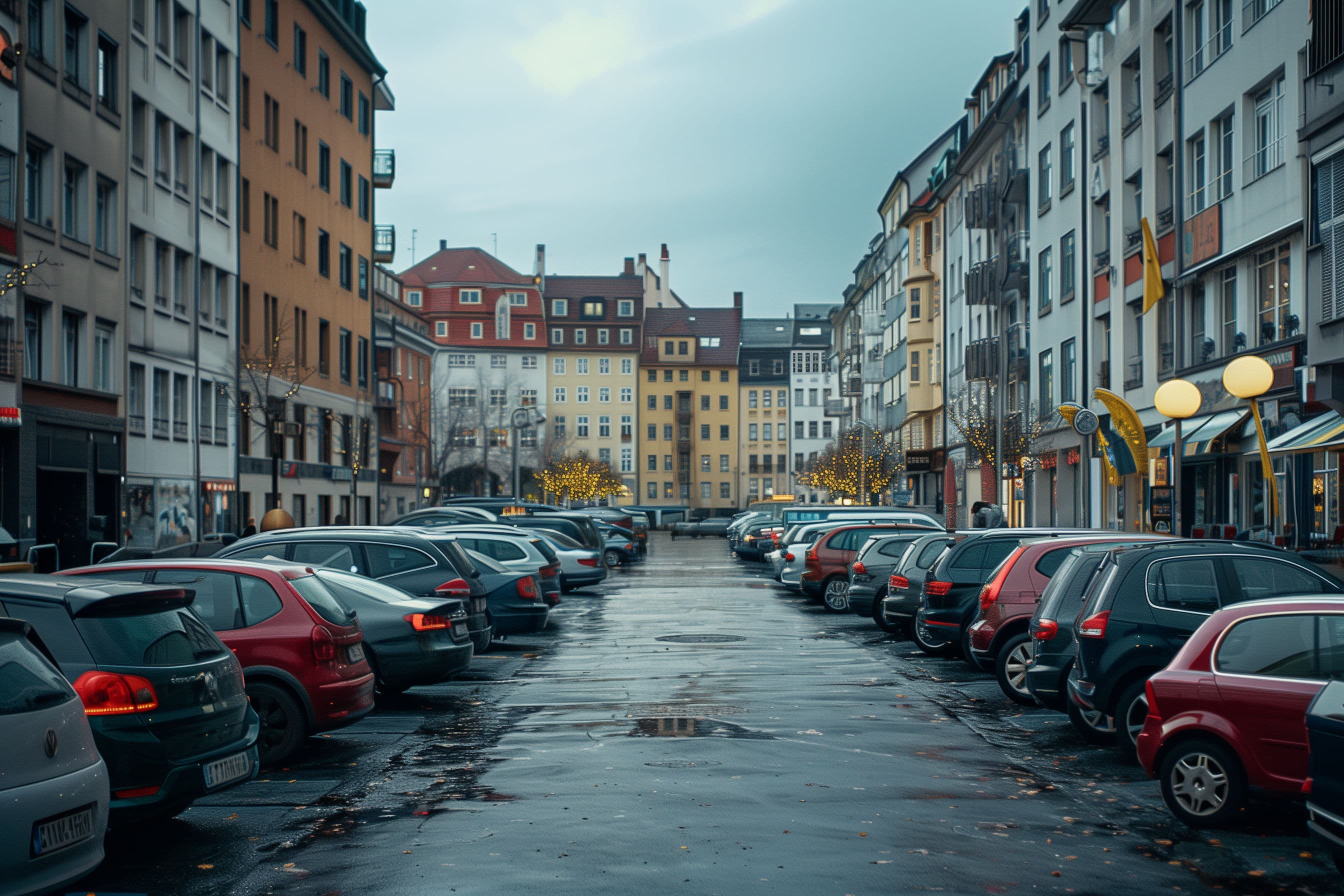
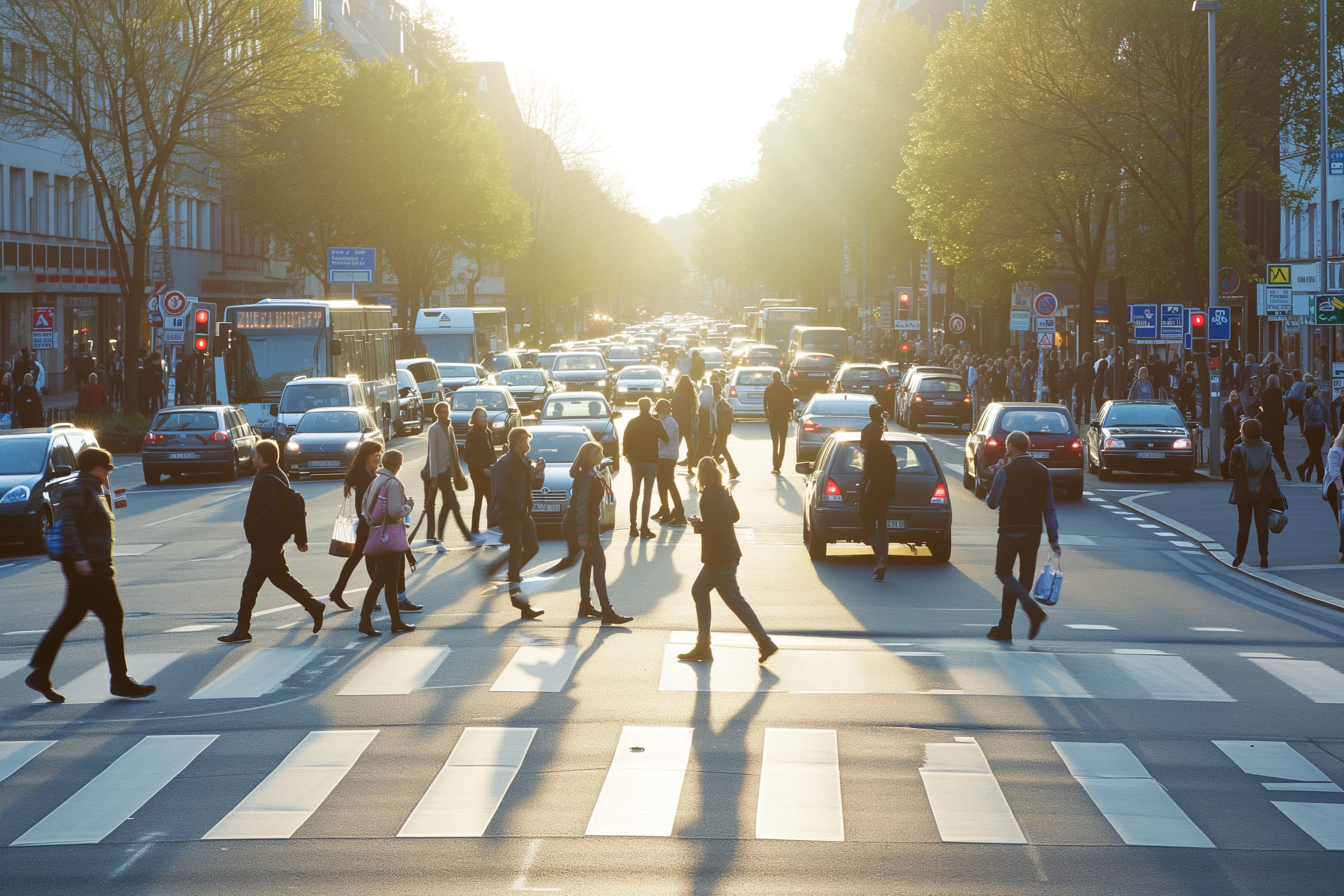
The FDP wants to prioritize cars in German cities with free parking and reduced cycling infrastructure.
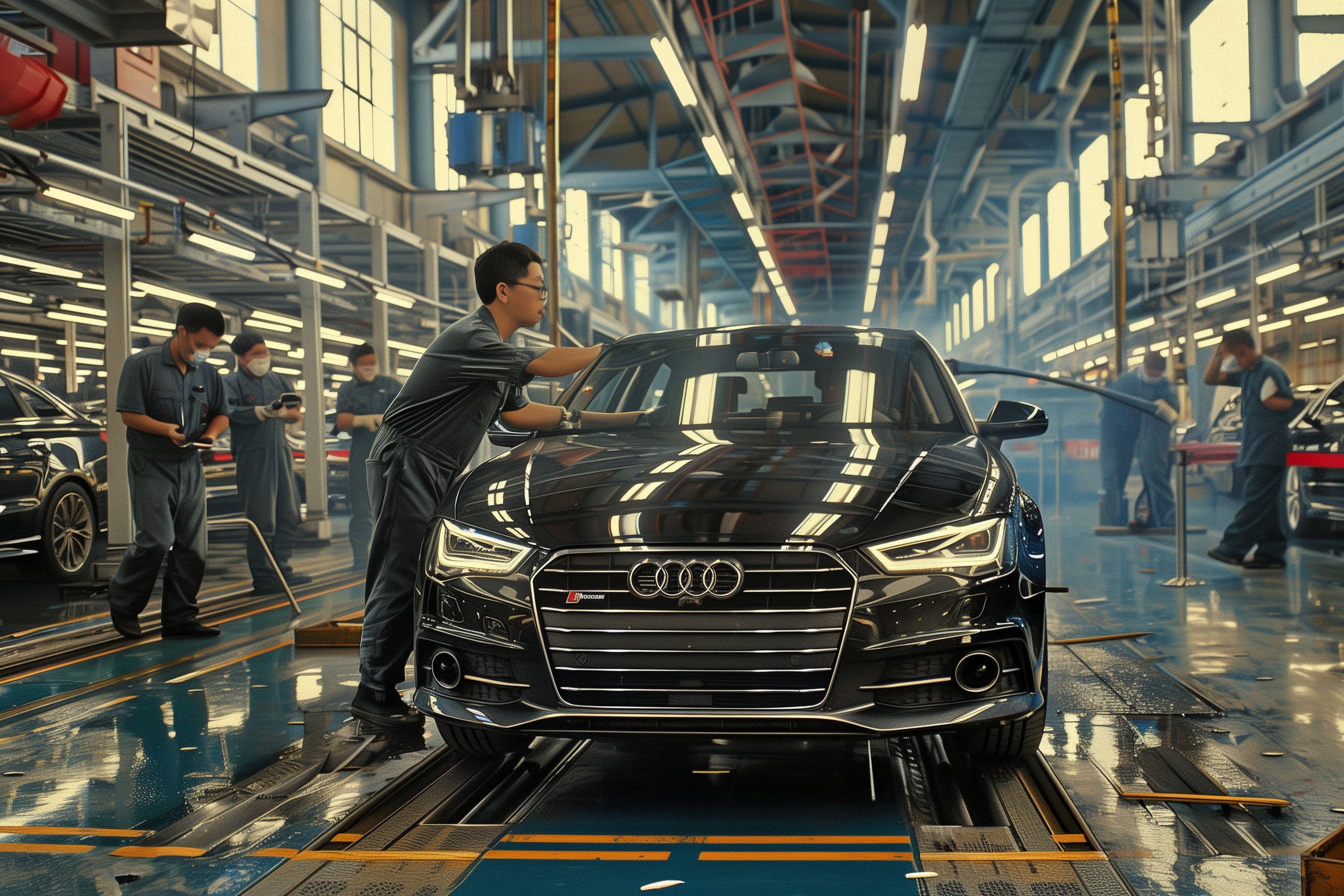
Audi is launching a new range of electric vehicles in China under a different brand identity, without its famous four-ring logo.
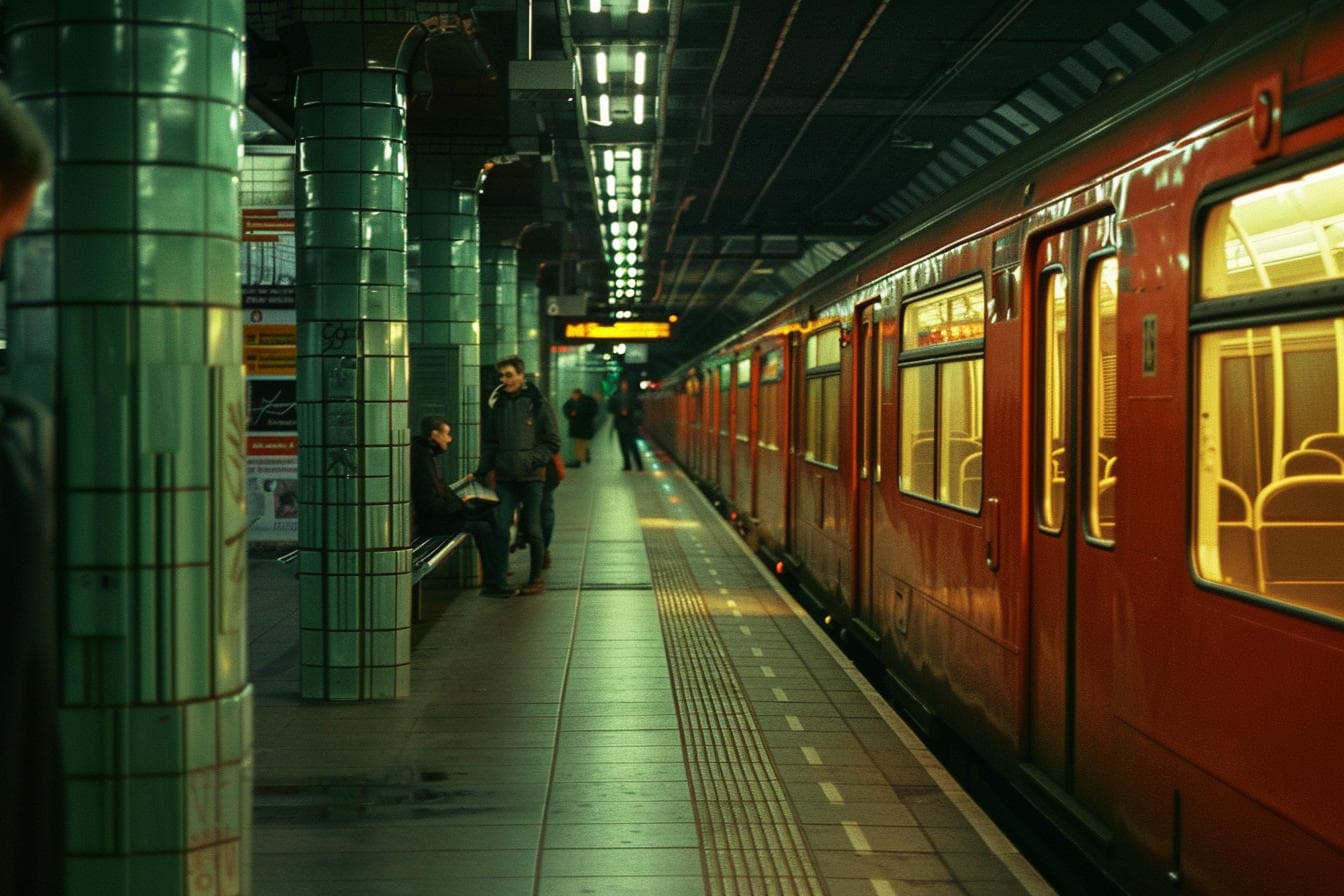
Planned maintenance and infrastructure upgrades will cause significant S-Bahn disruptions across Berlin.
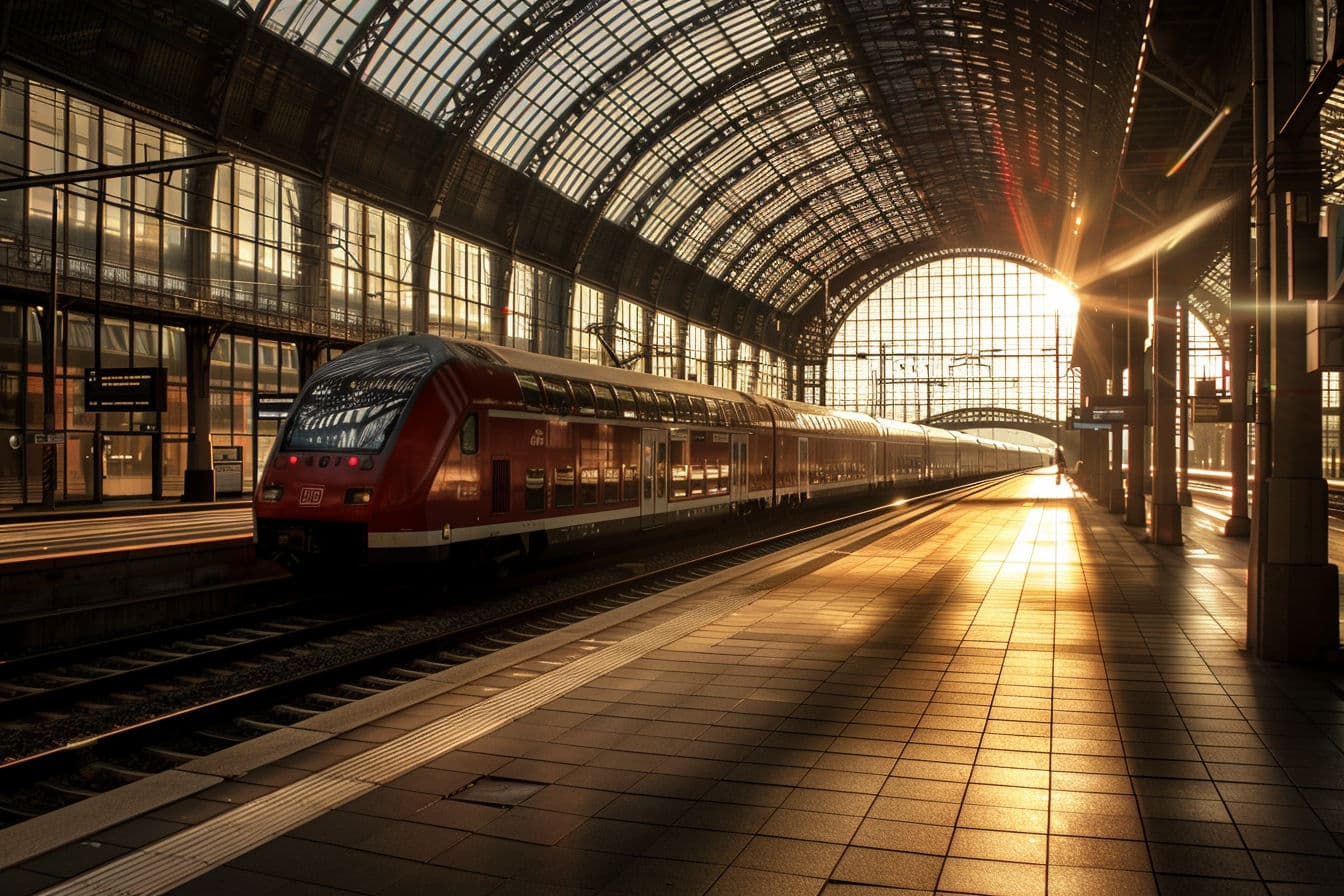
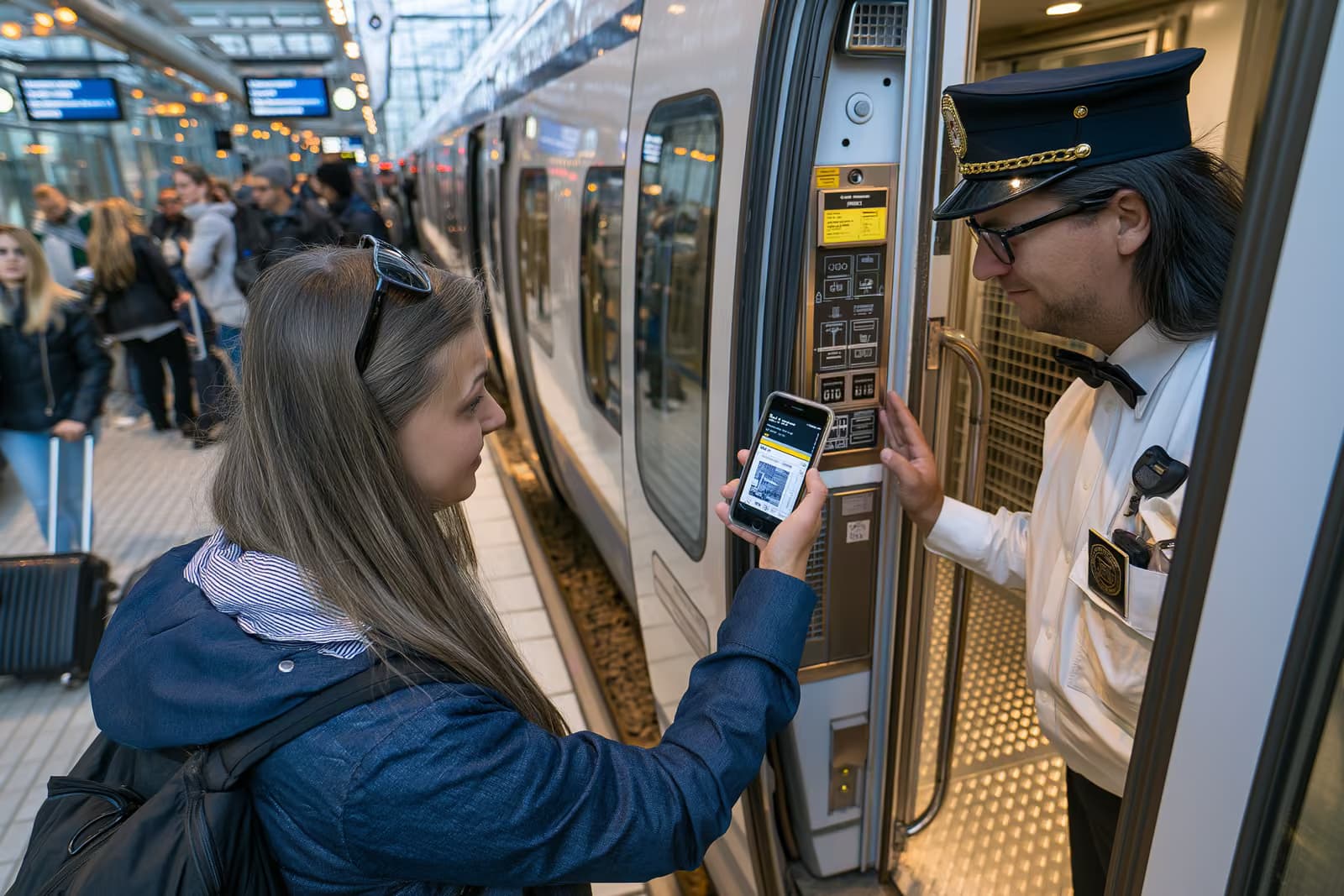
Arson attacks and accidents have severely disrupted train services across northern Germany, affecting long-distance and regional routes that many expats…
In a notable legal showdown, the Frankfurt Labor Court recently made a pivotal ruling that rejected an urgent application by Deutsche Bahn, Germany’s national railway operator. The application aimed to halt a strike organized by the GDL train drivers' union, marking a significant moment in the ongoing wage and working hours dispute. This legal move underscored the intensifying struggle between the rail operator and its employees, setting the tone for a series of disruptive actions that have reverberated through Germany's transport sector.
In a remarkable show of collective bargaining power, Germany finds itself at the epicenter of a transport turmoil that has ensnared both its rail and air travel sectors, sparking widespread disruptions and leaving millions scrambling for alternatives.
The Deutsche Bahn faces significant turmoil as strikes and labor disputes take center stage, revealing a deepening rift between the management and the locomotive engineers represented by the GDL union. This dispute underscores not only the immediate concerns over working conditions and pay but also broader issues plaguing the state-operated enterprise, touching upon themes of mismanagement, environmental promises, and the very future of rail travel in Germany.
Germany is set to experience another wave of widespread public transport strikes next week, a development that could significantly impact daily commutes and add to the growing wave of industrial actions across various sectors. The trade union Verdi has announced that workers in local public transport will engage in strikes in all federal states except Bavaria, with March 1 designated as the main day of action. This move comes amid stagnant collective bargaining negotiations, prompting Verdi to escalate measures to press for improved working conditions for its members.
Germany, in its continuous effort to promote sustainable and convenient public transportation, has introduced the Deutschlandticket, an innovative solution that simplifies and revolutionizes travel across the country. Priced at 49 euros, this ticket represents a significant stride towards making public transit more accessible and appealing to a broader audience.
In Germany, walking is not just a mode of transportation; it's a way of life. The country's cities and towns are designed to be pedestrian-friendly, offering a safe and enjoyable walking experience. However, with this ease of mobility comes a set of rules and rights that pedestrians must be aware of to ensure their safety and the smooth flow of urban life.
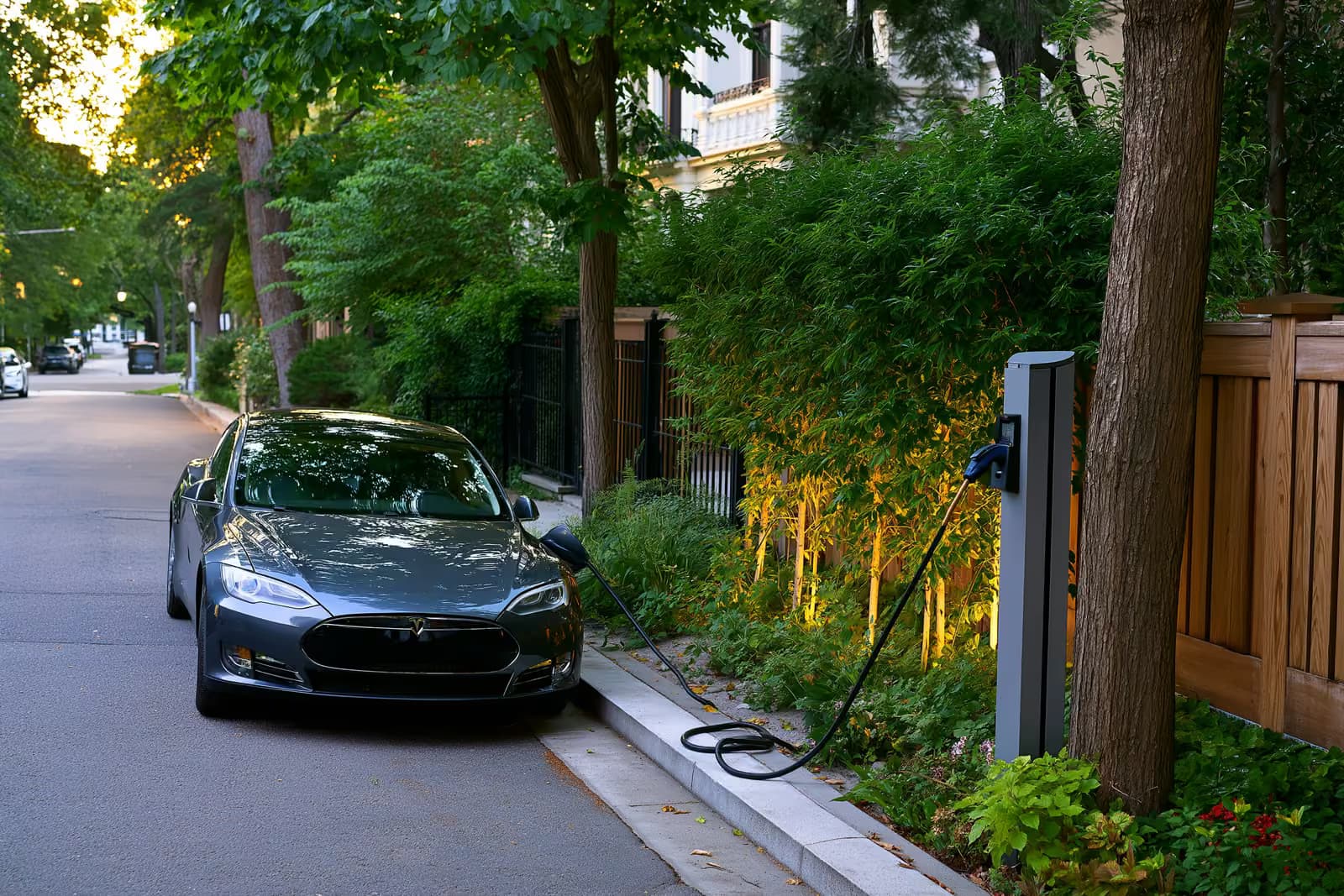
In Germany, the shift towards electric vehicles (Elektrofahrzeuge) marks a significant stride in the nation’s journey towards sustainability and technological innovation. This evolution in mobility is not just about embracing newer, cleaner technologies; it's a reflection of Germany's commitment to environmental responsibility and its pioneering role in the automotive industry.