WeLiveIn.de

Transport & Mobility

Master the art of getting around in Germany with our comprehensive Transport & Mobility guides. Learn about public transportation options, driving regulations, and eco-friendly travel alternatives to navigate the country with confidence and ease.

Page 4 / 5

Bicycle Culture and Routes

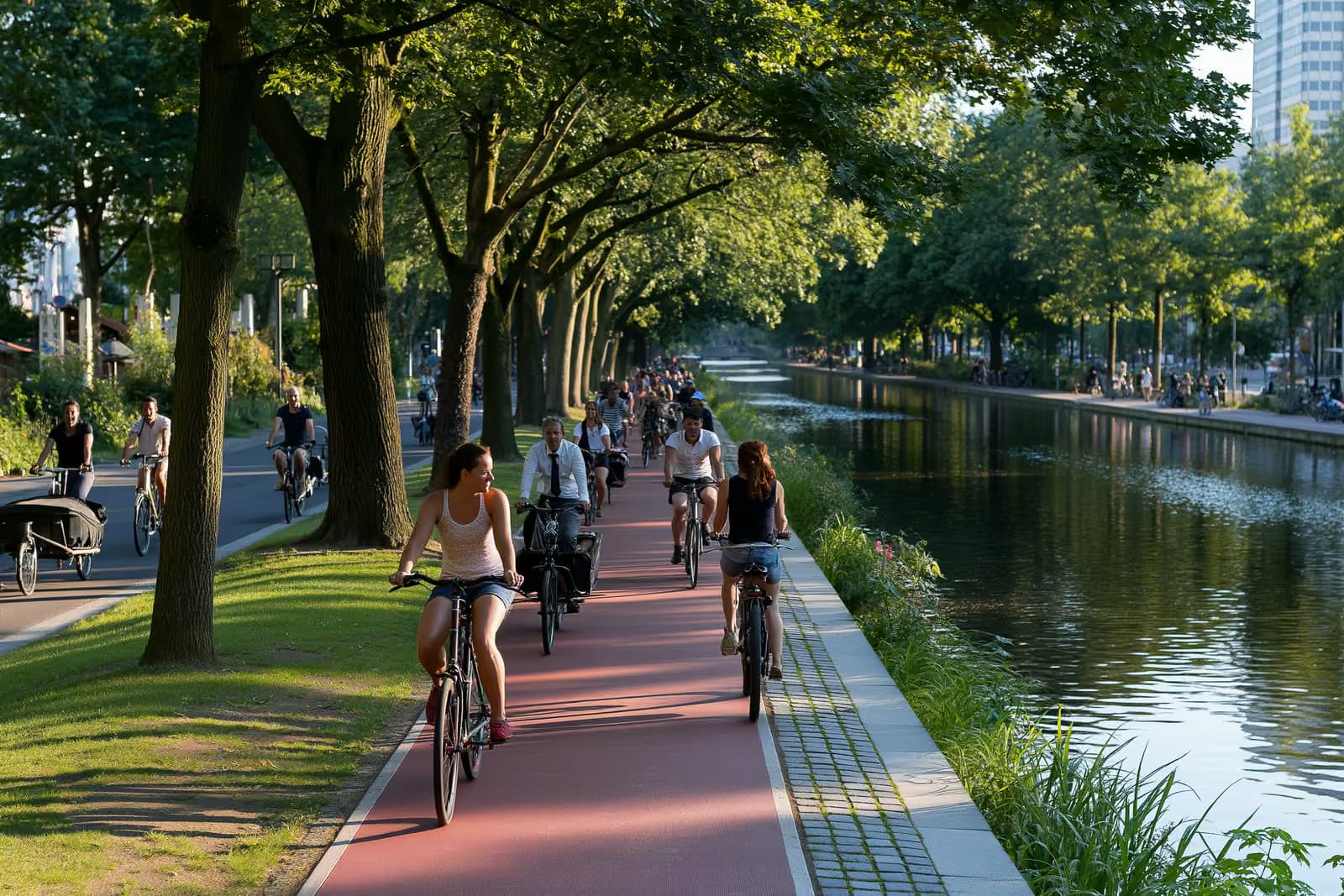
In Germany, the bicycle is not just a mode of transportation; it's a symbol of a lifestyle that values sustainability, health, and the joy of movement. The German bicycle culture (Fahrradkultur) is deeply ingrained in the nation's consciousness, reflecting a commitment to environmental friendliness and an active way of life.
Driving in Germany

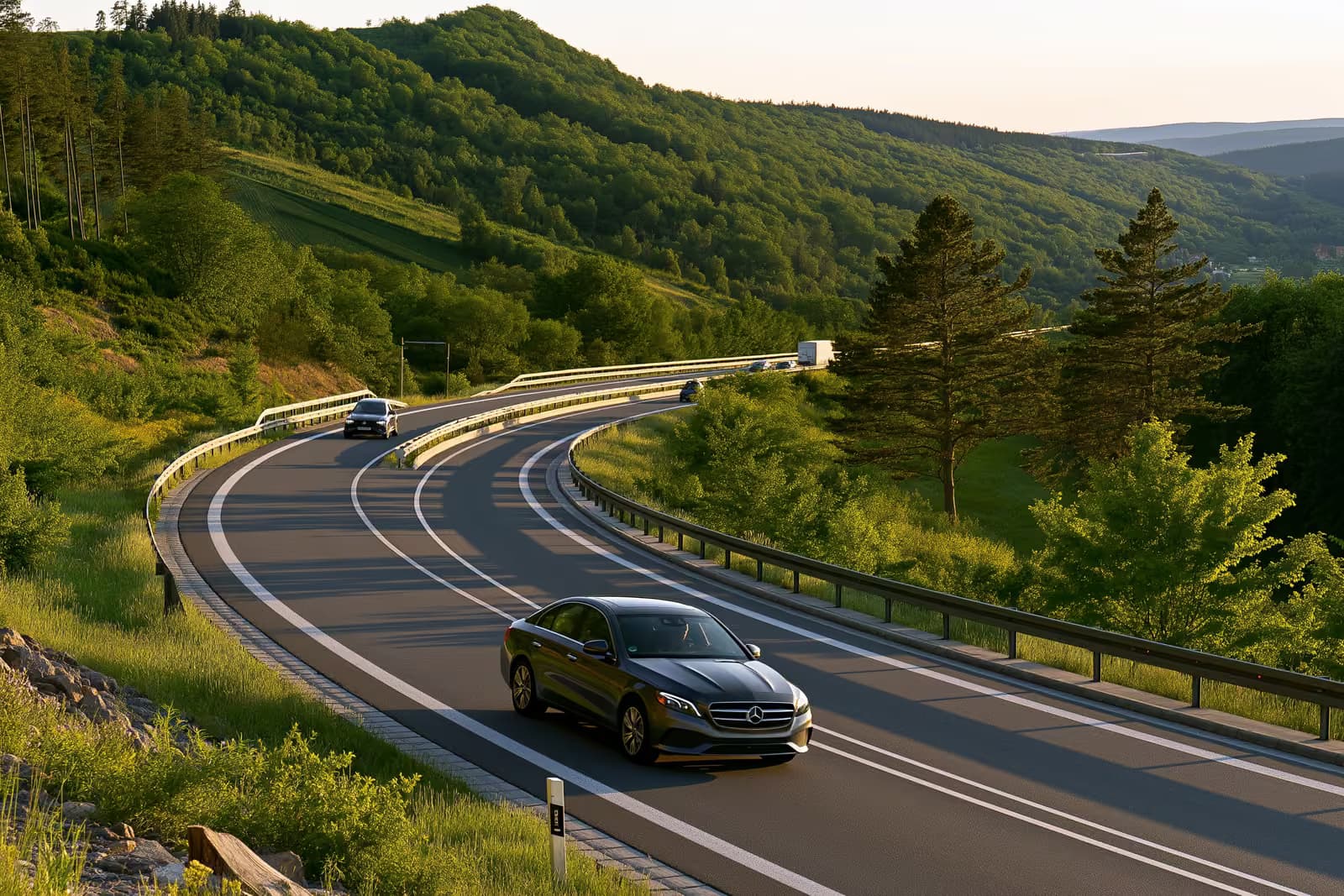
Driving in Germany is not just about getting from point A to point B; it's an experience that mirrors the country's values of precision, order, and efficiency. The German roads are a testament to the country’s love for automobiles and its rich automotive heritage. For expats and visitors, understanding the nuances of driving in Germany is key to enjoying this unique aspect of German culture.

Public Transportation System

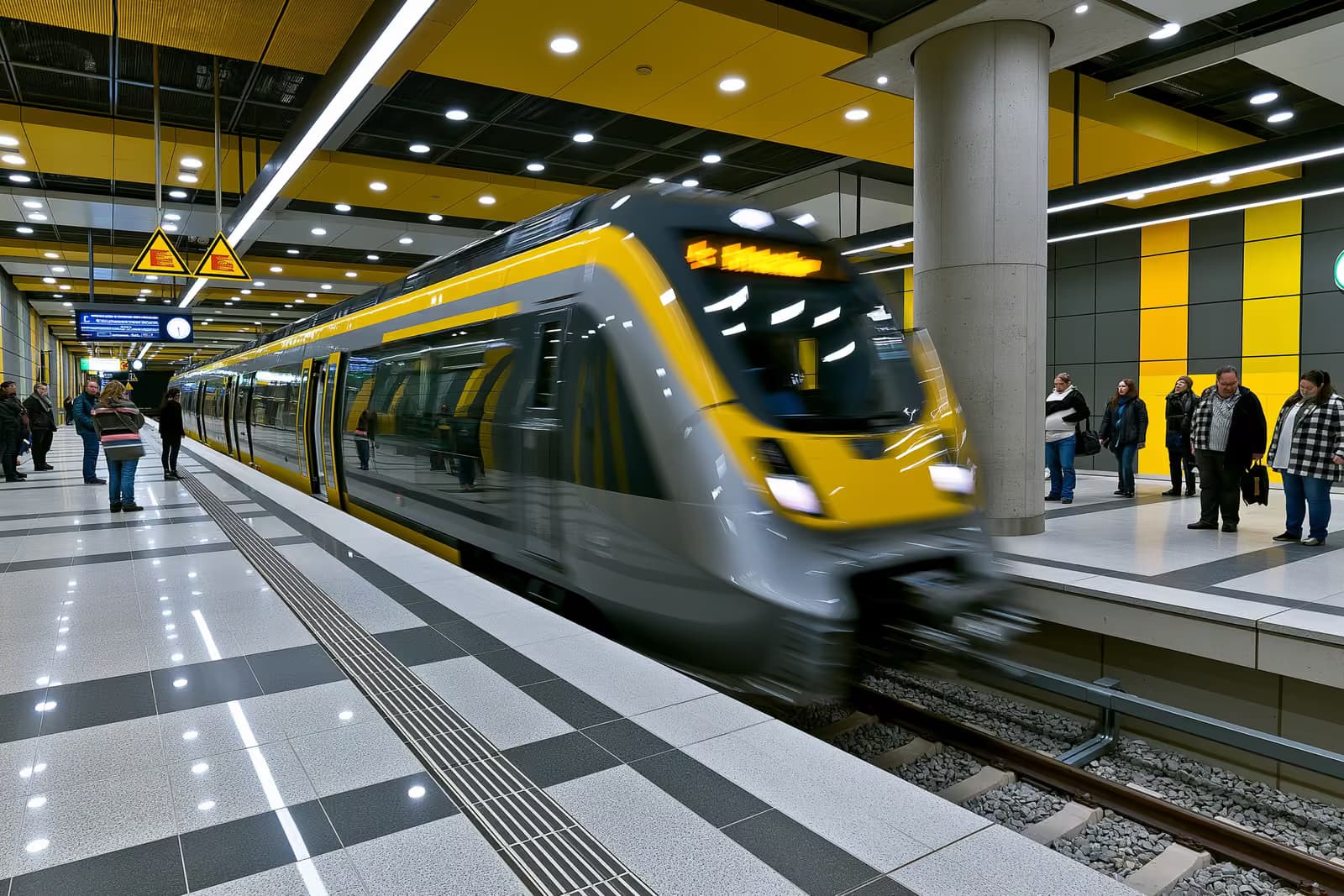
Germany's public transportation system stands as a paragon of efficiency, punctuality, and convenience, intricately woven into the fabric of everyday life. The system, known for its reliability and comprehensive network, offers a seamless travel experience, connecting the bustling cities to the serene countryside. This exploration delves into the various facets of Germany's public transit, highlighting its features, types, and the cultural nuances that make it a vital part of German living.

Germany Debates SUV Parking Fees After Paris Policy Shift

The city of Paris has decided to significantly increase parking fees for larger vehicles, specifically SUVs, starting September 1. This policy aims to tackle environmental concerns and reduce congestion in urban centers. The decision, resulting from a citywide vote where 54.5% supported the increase despite a low turnout of about 6%, has prompted discussions among German officials, environmental organizations, and the public regarding the feasibility and desirability of implementing similar measures in German cities.

Nationwide Public Transport Strike Disrupts Germany

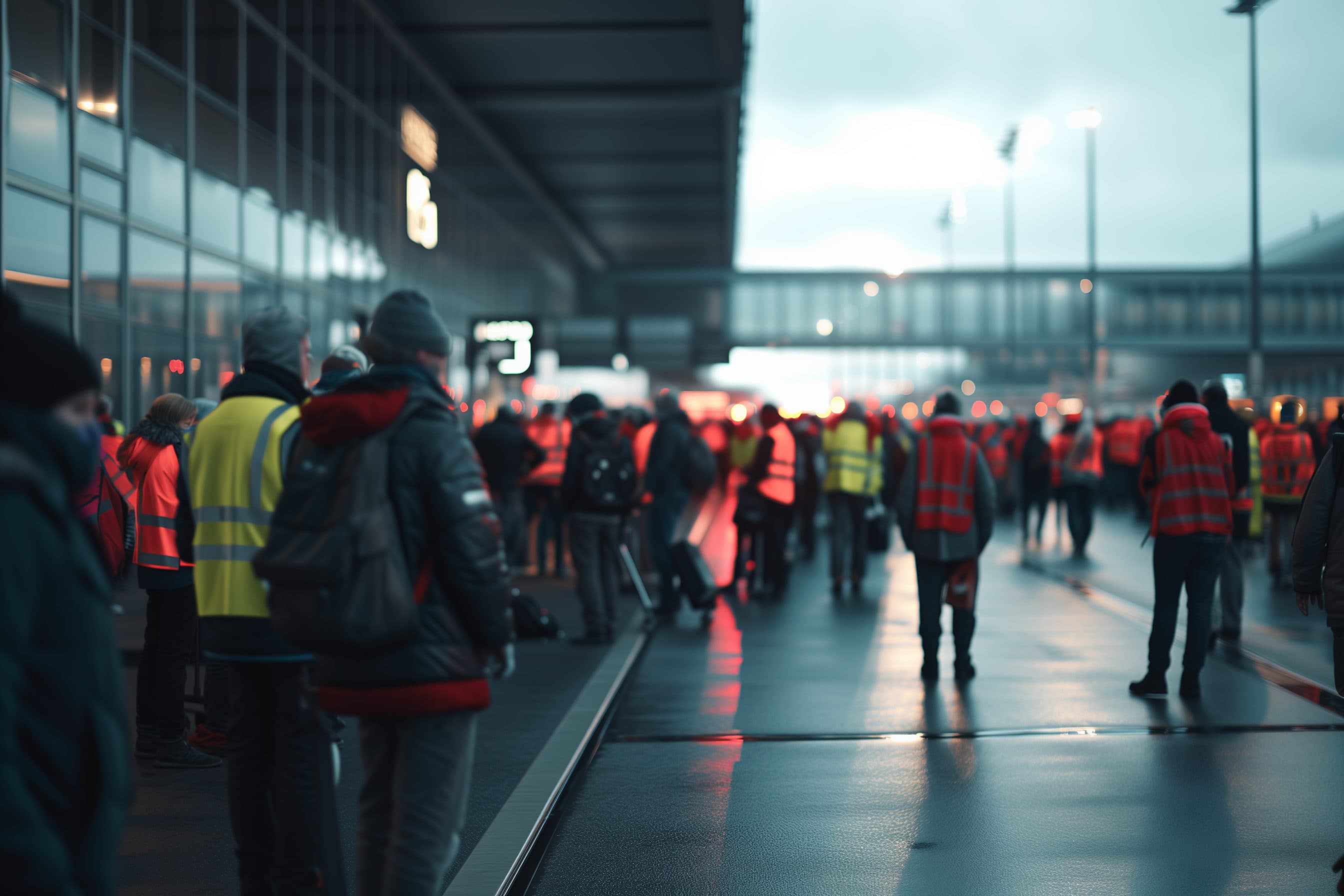
Early Friday, Germany faced a significant disruption as local public transport workers initiated a 24-hour strike across the country, sparing only Bavaria. This action, called by the Verdi labor union, which represents approximately 90,000 transport workers from around 130 municipal transit agencies, left commuters and travelers struggling as buses, trams, and in some areas, U-Bahns (subways), ceased operations.

German Public Transport Workers are Striking Again on Friday

As Germany braces for another major public transport strike, passengers across the country are set to face considerable disruptions. This move, orchestrated by the ver.di union, is a significant escalation in their ongoing dispute over working conditions and collective bargaining agreements. Scheduled for February 2, this strike is not just another date on the calendar but a critical juncture in the union's efforts to advocate for the rights and well-being of over 90,000 local transport employees across more than 130 companies.

Germany's Railway Strike: Public Perception and Economic Impact

Germany is currently witnessing its longest-ever railway strike, which has significantly disrupted the country's transportation network. The German Train Drivers' Union (GDL), representing a substantial portion of the railway workforce, is at the heart of this industrial action, which has halted most long-distance and commuter train services.

Deutschlandticket: Price will Remain Stable in 2024

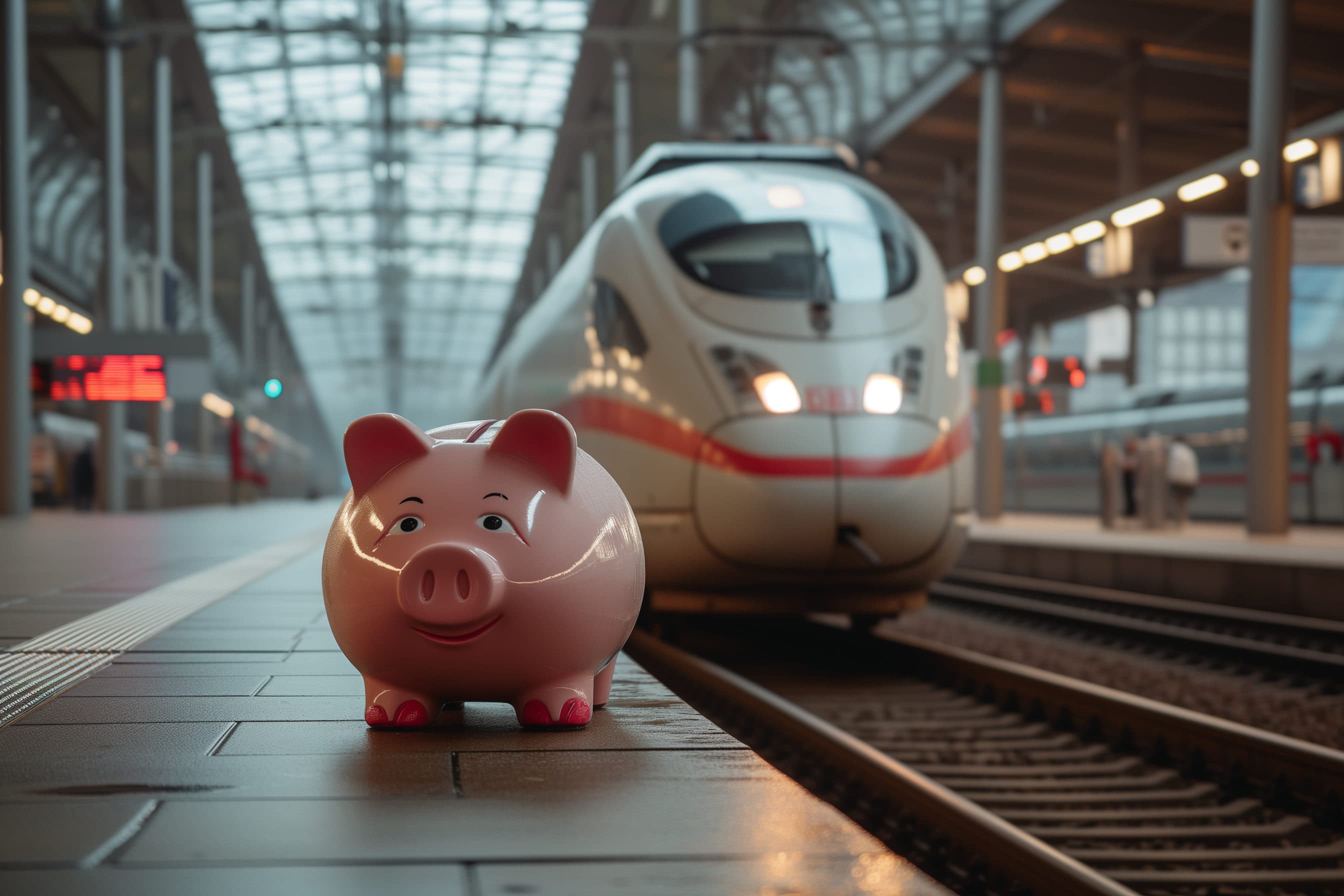
The price of the Deutschlandticket will remain stable at €49 per month throughout 2024. This decision, announced by Oliver Krischer, Minister for Transportation in North Rhine-Westphalia and chair of the conference of transport ministers, follows extensive discussions among Germany's federal states. This price stabilization is a significant relief for users who have been relying on the Deutschlandticket for affordable and sustainable travel across the country.

German Rail's Punctuality Struggled Even More in 2023

The myth of the punctuality of German trains was again challenged in 2023, as statistics from Deutsche Bahn (DB) reveal a decline in the on-time performance of their long-distance services. Only 64% of these trains arrived at their destinations on time, which is defined as less than six minutes late. This figure is a slight decrease from the 65.2% punctuality rate in 2022. However, regional trains maintained a higher punctuality rate, with 91% on-time arrivals.