2. Bundesliga Kicks Off Early on August 7
4 min read
German professional football returns earlier than usual this year, and the 2. Bundesliga leads the way. The second division opens the 2026/27 season on Friday 7 August 2026, three weeks before the top-flight Bundesliga plays its first game. For fans in the Ruhr region and across the country, the 2. Bundesliga kickoff is the real start of the football calendar, with an evening match in Bochum getting the new campaign underway.
Why the 2. Bundesliga Starts First
In a normal year the two top divisions begin within days of each other, but 2026 is not a normal year. The FIFA World Cup took place across North America during the summer, pushing back the top flight’s preparation so the Bundesliga does not begin until 28 August 2026. The second division faced no such delay and kicks off on 7 August, according to the schedule published by the Deutsche Fußball Liga (DFL), the body that organises both leagues.
That gap of three weeks is unusual and gives the 2. Bundesliga a rare spell of undivided attention. For a division that often lives in the shadow of the Bundesliga, opening the season alone means the first weekend of German league football belongs entirely to the second tier before the bigger names return at the end of the month.
The Opening Match in Bochum
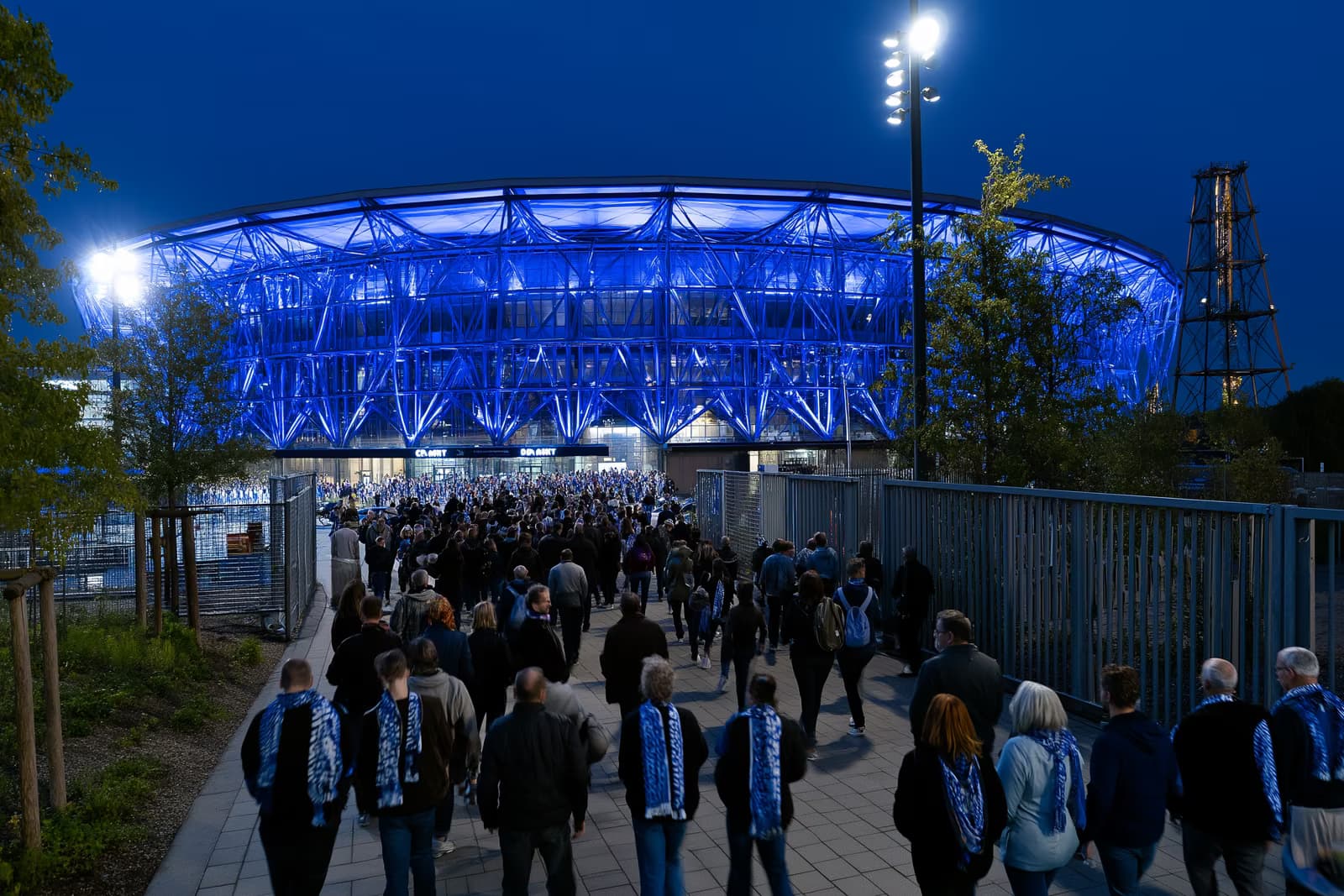
The season opens with VfL Bochum against Hertha BSC, kicking off at 20:30 on Friday 7 August at Bochum’s stadium. Both clubs are recent Bundesliga sides now rebuilding in the second division, which gives the fixture extra weight as an early measure of who is ready to push for promotion. The match is shown live on television in Germany, with Sky and the free-to-air channel SAT.1 carrying the opening game.
The rest of the first matchday follows over the weekend at the division’s usual times, with games on Saturday afternoon and evening and on Sunday. The Friday night opener is a long-standing tradition in German football, giving one fixture the spotlight to launch the season before the weekend programme fills out the schedule.
The spread of kickoff times is worth knowing if you plan to watch. A single 2. Bundesliga matchday is deliberately split across three days so games do not clash, which makes it easy to follow more than one match over a weekend. That rhythm, a marquee Friday game followed by Saturday and Sunday fixtures, repeats through most of the season.
A Strong 2. Bundesliga in the Ruhr
The 2. Bundesliga carries real weight this season, not least because of the clubs it contains. Schalke 04, one of the biggest names in German football and a fixture of the Ruhr region’s football culture, plays in the division, as does Bochum, keeping two well-supported Ruhr clubs in the second tier and their local derbies within reach for fans in the area.
The season stretches across the year, running into May 2027 with the customary winter break around the turn of the year, so there is a long campaign ahead rather than a quick sprint. That length is part of the appeal of following a club through a full league season, where promotion and relegation battles build over months rather than being settled in a handful of games.
The stakes are high because the 2. Bundesliga is the gateway to the top flight. The top clubs at the end of the season win promotion to the Bundesliga, while those at the bottom drop toward the third division, which keeps tension running through the table from the opening weekend to the last. For historic clubs such as Schalke, a strong season is a route back to the biggest stage, and that ambition gives even early fixtures a competitive edge.
What It Means for Expats Who Follow Football
If you have recently moved to Germany, the early 2. Bundesliga start is a good chance to get into the local game before the Bundesliga crowds arrive. Second-division tickets are generally easier to get and cheaper than top-flight ones, the atmosphere in grounds like those in the Ruhr is famously loud, and matches are spread across Friday, Saturday and Sunday, so there is usually a game to plan a weekend around.
Following a nearby club is also a simple way to meet people and settle into a new city, since matchdays are a shared local ritual. Our guide to popular sports in Germany explains how the football pyramid, tickets and fan culture work if you are new to the game here. With the 2. Bundesliga back three weeks ahead of the top flight, the easiest first step is to check when your closest club plays and go along to an early-season match.