Popular Sports in Germany
13 min read
Sport is one of the easiest doors into everyday life in Germany, and this chapter is the map to what lies behind it. It explains what Germans play, what they watch, and the club system that most of them use to do both, so that as a newcomer you can tell a passing curiosity from a genuine national passion and find your own place in it. Popular sports in Germany run from the Sunday-afternoon village match to the biggest football stadiums in Europe, and understanding that spread tells you a lot about how the country organises its free time. This is the anchor chapter for the Sports and Recreation section, so where a topic has its own guide, you will find a link to it here.
Fußball: the national obsession
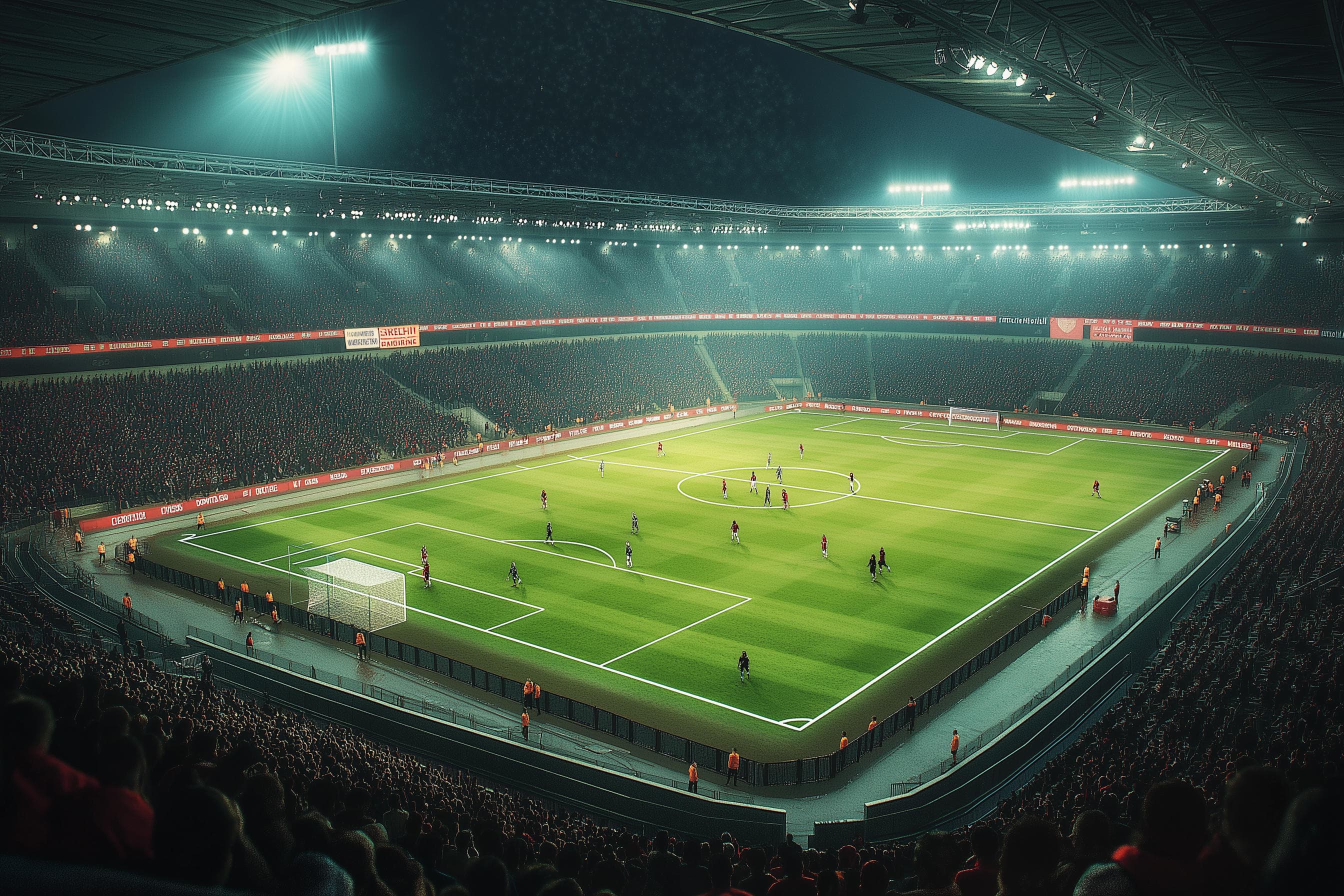
If Germany has a single sporting religion, it is Fußball, the German word for football or soccer. It is played in every village, watched in every Kneipe (pub), and argued about in every office on a Monday morning. The passion is not limited to a metropolitan elite or to a particular generation; a retired mechanic in a small Bavarian town and a student in Berlin will both have a club they support and an opinion about the national team. For a newcomer, showing even a basic interest in football is one of the fastest ways to start a conversation, because almost everyone has something to say about it.
At the top sits the Bundesliga, the country’s premier professional league. It is famous worldwide for two things: full stadiums and loud fans. FC Bayern München has dominated the league for most of the past decade and a half, winning title after title, which makes them the club that neutrals love to see beaten. Their nearest rival in the public imagination is Borussia Dortmund, whose home ground holds the Südtribüne, a vast single-tier standing terrace nicknamed the Yellow Wall (die Gelbe Wand), widely described as the largest standing terrace in European football. Regional derbies, such as the Revierderby between Dortmund and Schalke or the meetings of the two big Berlin clubs, carry a fierce local rivalry that has little to do with the league table and everything to do with civic pride.
German football is protected by a rule that shapes its whole character: the 50+1 rule. In simplified terms, the members of a club must keep a majority of the voting rights, so an outside investor cannot buy control of a club the way owners do in some other countries. The rule remains in force, and in 2025 the Bundeskartellamt (the Federal Cartel Office) confirmed it should stand without the old exceptions. Together with cheap standing tickets, the Stehplätze (standing places) that many stadiums still offer, this keeps German match tickets among the most affordable in top-level European football and keeps the atmosphere in the hands of ordinary supporters. The most committed of those supporters organise into Ultras, fan groups who lead the singing, banners and choreographed displays known as Choreos. Actually attending a professional match, and getting the tickets, is covered in the section’s guide to sports events and competitions.
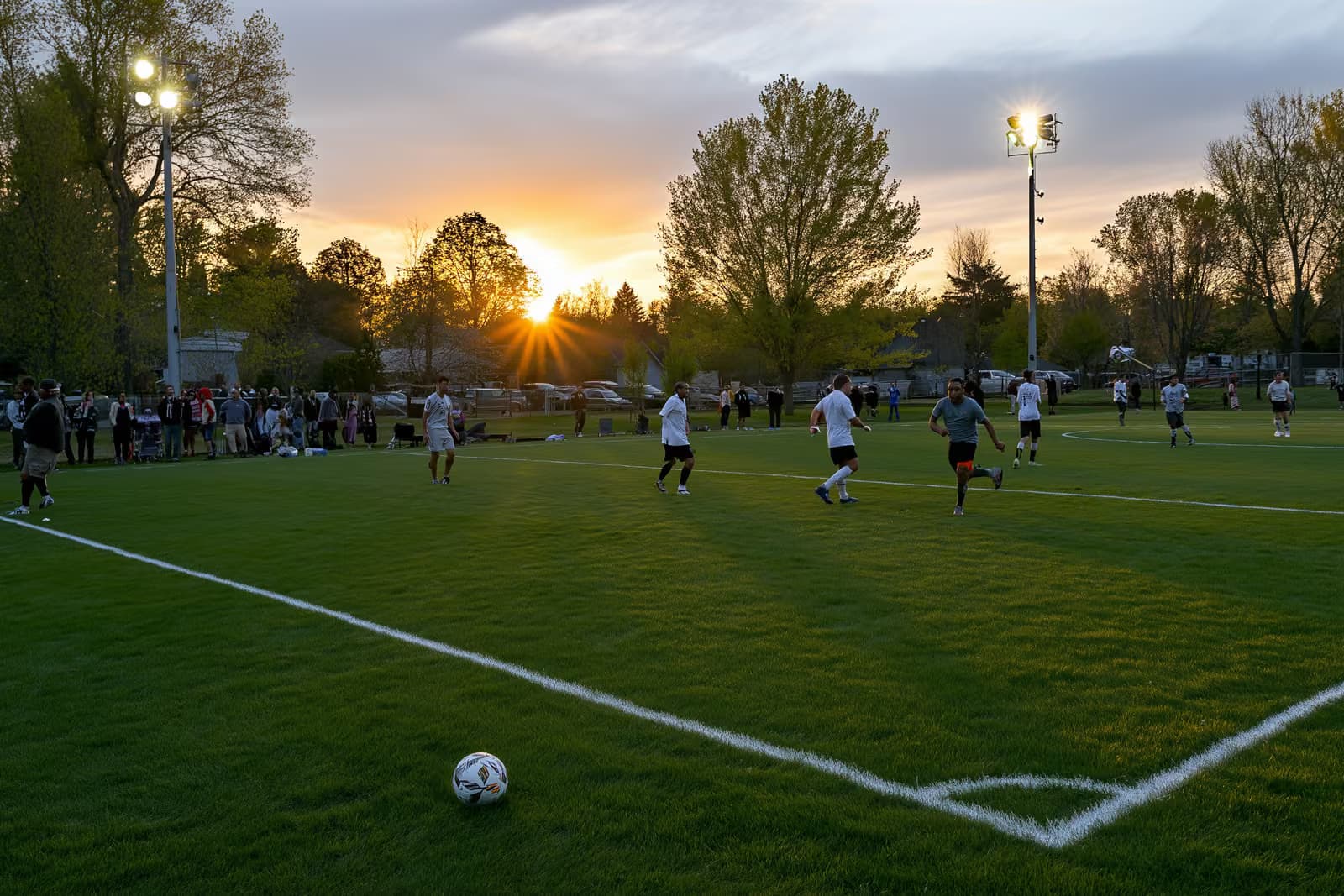
Below the professional game lies a pyramid that reaches down to the smallest community. Almost every town and neighbourhood has its own football Verein (club), with teams for adults and children, playing in regional leagues that descend league by league from the Bundesliga to the local Kreisliga. This is Fußball as most Germans actually experience it: not as a television spectacle but as a Saturday or Sunday fixture at a modest ground with a clubhouse and a sausage stand. If you want to play yourself, this amateur structure is where you start, and the practical steps are covered later in this chapter and in the guide to joining sports clubs.
The national team, known affectionately as die Mannschaft (literally “the team”) and run by the Deutscher Fußball-Bund (DFB, the German Football Association), is a source of deep national pride. The men’s side has won the World Cup four times, in 1954, 1974, 1990 and 2014, which is why you will see four stars above the eagle on the shirt. The women’s national team is one of the most successful in the world, with multiple European and world titles to its name, and the women’s Bundesliga has a growing following. When a major tournament comes around, the whole country tends to tune in at once, and the mood of an entire summer can rise and fall with the results.
The other big sports Germans watch and play
Football takes the largest share of attention, but it is far from the whole picture, and several other sports have a genuine mass following. Handball is the clearest example. Germany is one of the strongest handball nations in the world, with three world titles and two European titles to the men’s team’s name, and the Handball-Bundesliga (HBL) is widely regarded as the toughest club league on the planet, having collected more European trophies than any other. A winter evening in a packed handball arena, with a few thousand people roaring at close range in an indoor hall, is one of the more intense sporting experiences the country offers, and tickets are far easier to come by than for top-flight football. If you have never watched handball, going to a live game is one of the easier sporting nights out to organise in most German cities.
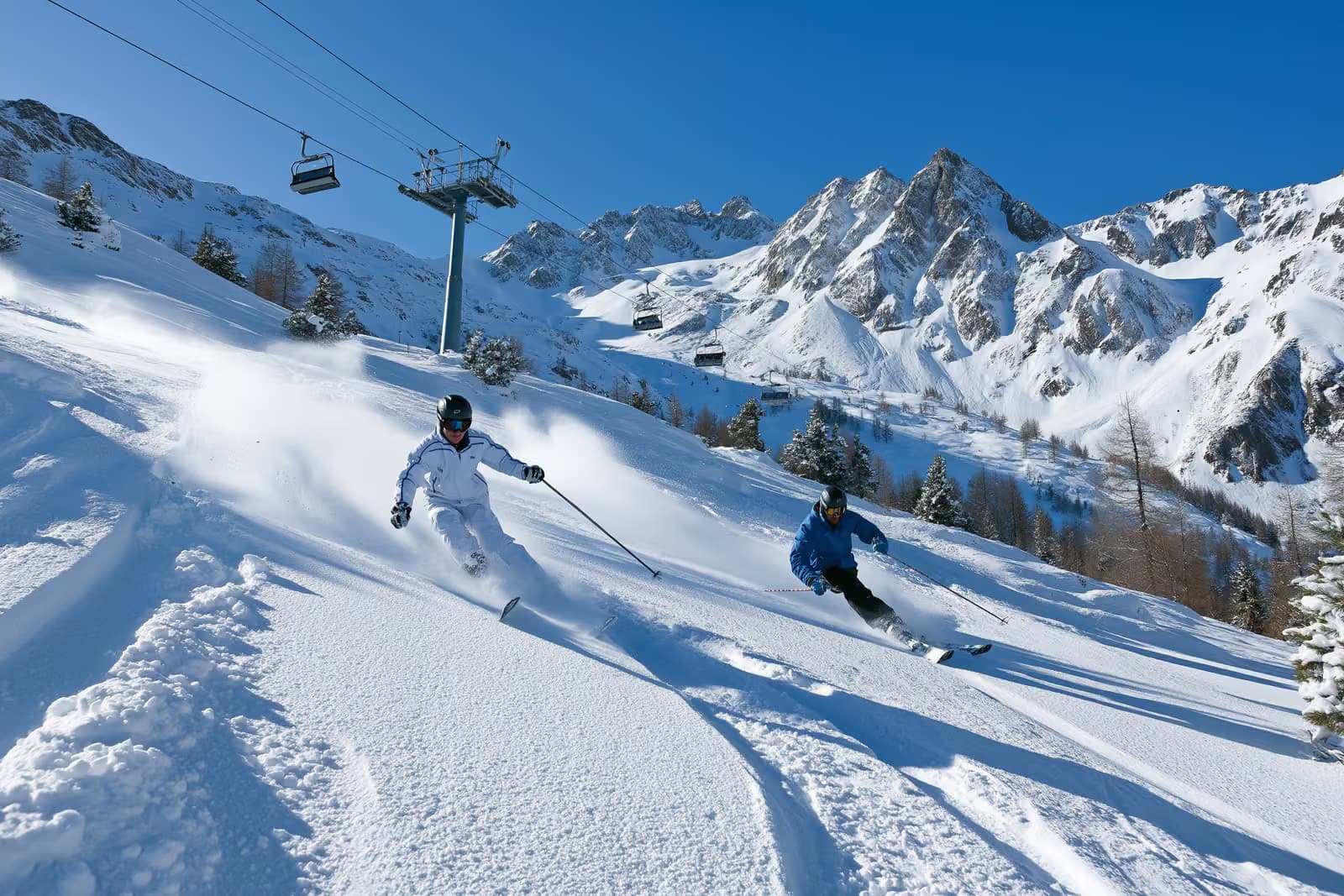
Winter sports are a television fixture from December to March even for people who never touch snow. Biathlon, which combines cross-country skiing with rifle shooting, draws huge weekend audiences, and ski jumping around the New Year, luge, bobsleigh and Nordic combined all have their devoted followers and their German champions. Most of this is watched rather than done; if you want to actually get onto the snow yourself, the section’s guide to winter sports opportunities is the place to look.
Tennis carries a strong heritage in Germany thanks to the golden era of Boris Becker and Steffi Graf in the 1980s and 1990s, when the whole country followed Grand Slam finals. That generation inspired a lasting network of tennis Vereine, and the sport still has a solid amateur base and a current professional presence led by players such as Alexander Zverev. Motorsport is another field where Germany’s identity as a nation of engineers shows through: the Schumacher and Vettel years made Formel 1 (Formula One) appointment viewing, and the legendary Nürburgring circuit in the Eifel hills remains a place of pilgrimage for racing fans.
Basketball has risen sharply, and it reached a peak in September 2023 when the German men’s national team won the FIBA World Cup for the first time, going through the tournament undefeated. That victory, built around NBA players, brought a new wave of attention to the domestic Basketball-Bundesliga (BBL). Ice hockey has its own loyal, regional fan base in the Deutsche Eishockey Liga (DEL), particularly strong in the south and in traditional hockey towns. Cycling is popular both as a spectator sport and, far more widely, as something people simply do, which is discussed further below.
One sport deserves special mention because it is the historical root of the entire German club system: Turnen, or gymnastics. In the early nineteenth century Friedrich Ludwig Jahn, remembered as Turnvater Jahn (“father of gymnastics”), founded open-air gymnastics grounds and a movement built on communal exercise. The Turnverein (gymnastics club) that grew out of it became the model for the German Verein as a whole, and gymnastics associations remain among the largest membership organisations in the country. When you join a modern Sportverein, you are stepping into a tradition that is more than two hundred years old.
The Verein system: how Germans actually do sport
The single most important thing to understand about popular sports in Germany is structural, not about any one sport. Most Germans who play sport do it through a Sportverein, a non-profit sports club, rather than through a commercial gym or a paid class. The scale is remarkable. According to the Deutscher Olympischer Sportbund (DOSB, the German Olympic Sports Confederation), the umbrella body for organised sport, around 86,000 sports clubs together hold roughly 28 million memberships, the highest number ever recorded. In a country of about 84 million people, that means club sport reaches into a very large share of households.
A Verein exists for almost every activity you can think of, from football, handball and gymnastics to table tennis, athletics, swimming, martial arts, chess, dancing and rifle shooting. Because they are run as non-profits, largely by volunteers, the membership fees (Beiträge) are strikingly low by international standards, often somewhere in the region of a modest monthly or yearly sum rather than the price of a private gym. That fee typically buys you coached training, use of the club’s facilities, a place in a team and, just as importantly, a ready-made social circle. This is why joining a Verein is so often recommended to newcomers: it is at once the cheapest way to play a sport and one of the most natural ways to meet Germans, practise the language and settle into a place.
This system also explains where German champions come from. There is no strong tradition of school or university sport as the route to the top, the way there is in some countries; German schools offer physical education but rarely field competitive teams, and there is little of the college-sport pipeline found elsewhere. Instead, both elite athletes (Leistungssport, performance sport) and casual participants (Breitensport, broad or grassroots sport) grow out of the same club network, coached in the early years by volunteers and part-time trainers known as Übungsleiter. A future Olympian and a middle-aged member playing purely for fun may belong to the very same Verein and train in the same hall on different evenings. For a newcomer this is reassuring: clubs are set up to take beginners of any age and standard, not only the gifted, and nobody expects you to arrive already good at the sport. Many actively welcome adult beginners into dedicated recreational groups.
This chapter names the club system; the practical mechanics of joining one, what to expect at a first training session, how the fees and membership work and how to find the right club, are covered in depth in the guide to joining sports clubs. The Verein as a broader social institution, well beyond sport, is the subject of Germany’s club culture and the guide to local clubs and societies. If you would rather train on your own schedule without joining anything, commercial fitness studios are common too, and those are covered in the guide to fitness centers and gyms. The two models sit side by side, and plenty of people use both.
Everyday and recreational sport
Alongside the organised game, a great deal of German sport is simply part of ordinary life. Running is a good example. Parks, riverside paths and forest trails fill with joggers in the evenings and at weekends, and the country has a strong Volkslauf tradition, community road races open to anyone from serious club runners to first-timers. At the top of that pyramid sits the Berlin Marathon, one of the fastest marathon courses in the world and the stage on which a long line of men’s marathon world records has been set. You do not need to be an elite athlete to take part, though; most participants are amateurs running for the experience and the crowd-lined streets.
Cycling is woven into daily life more deeply here than in most countries. Many people cycle to work or to the shops as a matter of course, and at the weekend the same bike becomes a way to explore the countryside on Germany’s extensive network of signposted routes. Because cycling is as much everyday transport as sport, it has its own dedicated guide to bicycle culture and routes. Swimming is similarly popular at the recreational level, whether through a Schwimmverein (swimming club) or, in the warm months, at the open-air public pools known as Freibäder, which double as social gathering spots on hot days. Informal football with friends, a kickabout in a park, is common too, and needs nothing more than a ball and a patch of grass.
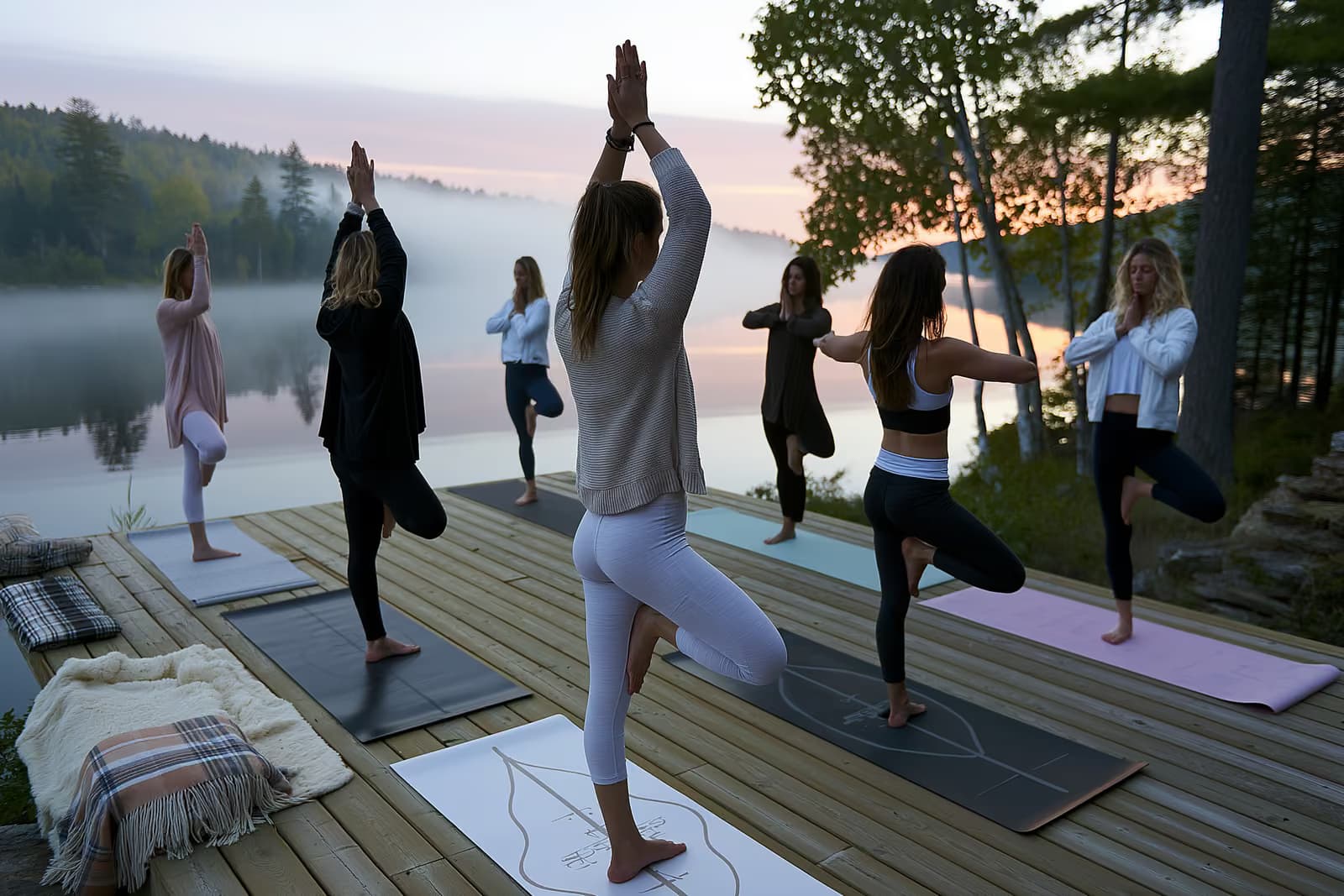
Germany’s outdoor culture is strong, and many recreational activities are covered by their own chapters in this section. For walking and mountain adventures, see the guide to outdoor adventures and hiking. For everything on the water, from lake swimming to sailing and paddling, see water sports and activities. For the snow season, the winter sports guide covers skiing, snowboarding and more. If your interest runs more towards yoga, pilates and quieter forms of movement, which have grown steadily in German cities, the guide to yoga and wellness retreats is the place to go. For everyday green space, parks and casual outdoor recreation, see outdoor activities and parks.
Watching sport and getting involved as a newcomer
You do not have to play to take part in Germany’s sporting life; watching is a social activity in its own right. On a big matchday, the local Kneipe fills up, and during major tournaments the country stages public viewing events, large outdoor screenings on squares and in parks known during football tournaments as Fanmeilen (fan miles), where thousands of strangers watch together. Sitting in a pub among home supporters for a Bundesliga game, or joining a public viewing for a national-team match, is one of the warmest and least intimidating ways to feel part of a German crowd, and no ticket or club membership is required. If you want to go a step further and see a professional match live in the stadium, the practical side, when tickets go on sale, how the standing terraces work and what to expect on the day, is handled in the guide to sports events and competitions.
Following the sport you loved back home is usually possible here too. Germany’s larger cities have expat and international sports groups for everything from cricket and American football to basketball and rugby, and many mainstream Vereine now field teams in sports that are not traditionally German. International bars often show cricket, the NFL, the NBA and rugby to homesick fans, and online communities make it easy to find others who share your team. Bringing your own sport with you can be an unexpectedly good bridge into local life, because it gives you something to offer as well as something to enjoy. A familiar sport also lowers the language barrier, since the vocabulary of a game you already know is quick to pick up in German, and watching a match together needs very little conversation to feel companionable. Beyond dedicated Vereine, university sports programmes (Hochschulsport, open to enrolled students at very low cost) and adult courses at the local Volkshochschule (community adult-education centre) are worth checking too.
For families, sport is one of the most reliable routes to integration for children. The Verein system runs deep youth programmes, and enrolling a child in the local football, gymnastics, swimming or handball club is normal, affordable and a good way for them to make friends and pick up the language quickly. Weekend training and matches also draw parents together on the sidelines, which is a natural way to meet other families. More on activities for children and families sits in the guides to family-friendly activities and to German family life and parenting more broadly.
What to do next
Germany’s sporting scene keeps changing, and the newer trends are worth knowing about because they are often the easiest to walk into. Indoor climbing and bouldering have boomed, and most cities now have large climbing halls (Kletter- und Boulderhallen) where you can turn up, rent shoes and start the same day. Urban sports such as padel, calisthenics in outdoor exercise parks, and running or cycling groups organised through apps have all grown quickly, and they tend to be welcoming to newcomers precisely because their own membership is young and internationally minded. None of this replaces the Verein system; it sits alongside it, and it gives you a low-commitment way to try something before you decide to join a club properly.
When you are ready to move from reading to doing, the path is straightforward. Decide first whether you want the structure and community of a Verein or the flexibility of paying as you go, then use the section’s specialist guides to take the next step. To play a team or club sport cheaply and meet people, start with joining sports clubs, and read the earlier chapters on club culture to understand how a Verein works before you sign up. To train on your own terms, look at fitness centers and gyms. For a specific activity, go straight to the guide that covers it, whether that is hiking, water sports, winter sports, cycling or yoga and wellness. If you have children, family-friendly activities will help you get them started.
You do not need to be fluent, fit or a lifelong fan to take part. Turn up to a training session, join a public viewing for a big match, sign your child up at the local club, or simply pull on your running shoes and head for the nearest park. Sport in Germany is built to include people, and doing it is one of the surest ways to stop feeling like a visitor and start feeling at home.
Sources
The information in this chapter draws on the official sources and publications listed below, last reviewed in July 2026. It is general guidance for orientation, not individual legal, tax, or medical advice.