Craft and Trade Fairs (Messen)
13 min read
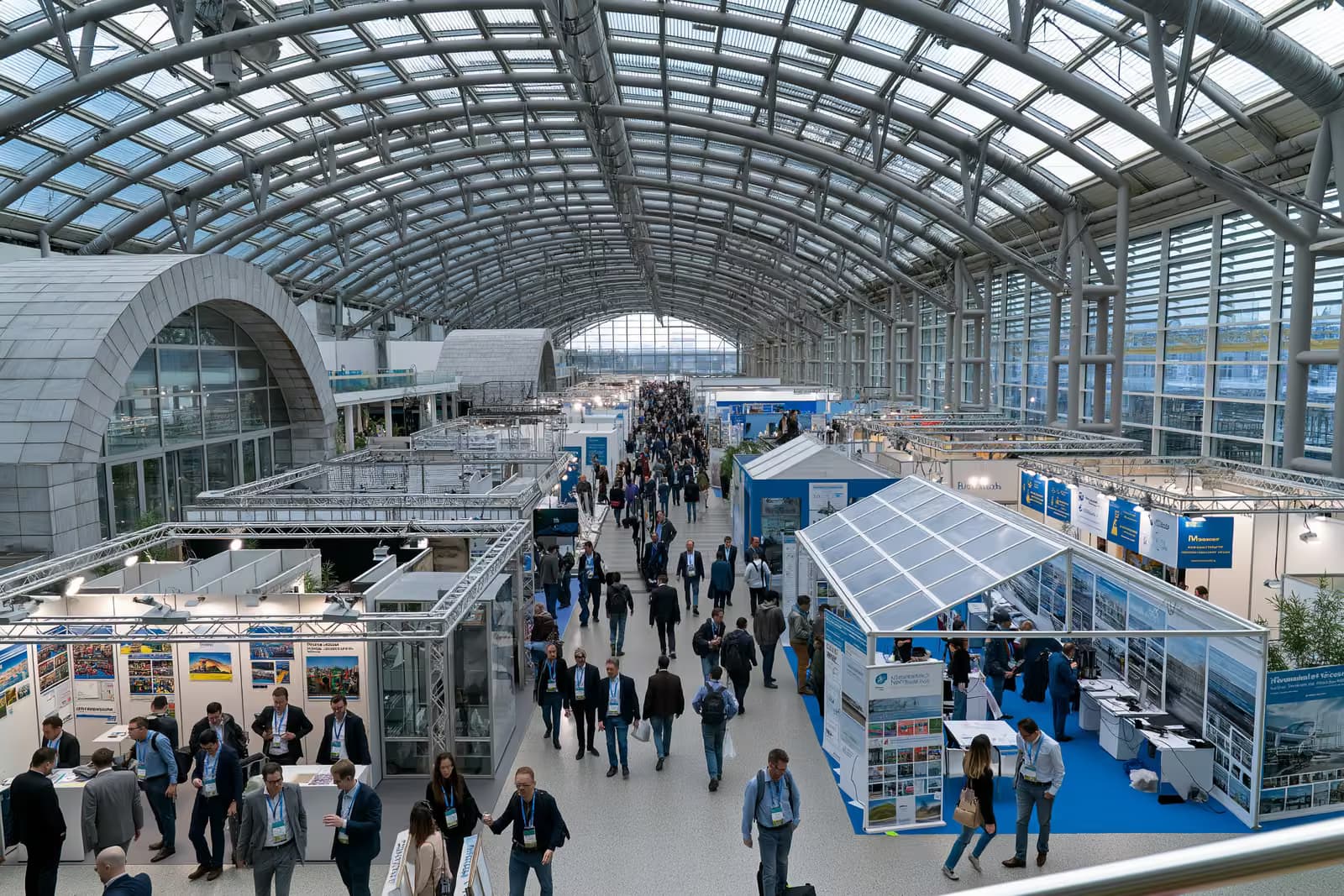
Sooner or later, living in Germany, you will hear about a Messe. A colleague disappears to Cologne for a week, hotel prices in Hannover suddenly triple, or a friend asks whether you want to queue for Gamescom. Messe simply means trade fair or exhibition, and Germany runs more of the world’s important ones than any other country. This chapter explains what German trade fairs are, which of the famous ones are genuinely worth knowing about in 2026, which fairs and craft markets you as a resident can actually walk into, and the practical business of getting a ticket, getting there, and surviving a day on the exhibition floor. It is written for someone who lives here rather than for an industry insider, so the focus is on attending: as a visitor, a job-seeker, a curious resident, or someone who has been sent by an employer.
Two words will make everything else clearer. A Messe is the event; the Messegelände is the physical exhibition ground it happens on, usually a cluster of vast numbered halls on the edge of a city. And there is one distinction that decides whether you can attend at all: many German trade fairs are Fachmessen, meaning trade-only, open to registered industry professionals (Fachbesucher), while others are Publikumsmessen or Verbrauchermessen, open to the general public. Some fairs run both, with trade days first and public days at the weekend. Keeping that difference in mind saves you from turning up at a fair you were never allowed to enter.
Germany, the world’s trade-fair capital
Germany is, by a wide margin, the leading country for international trade fairs. A large share of the world’s Leitmessen - the “leading fairs” that set the calendar and the standard for an entire industry - are held on German soil, which means that for many sectors the most important annual or biennial gathering on the planet happens somewhere between Hannover and Munich. When an industry wants to show the world its newest machines, materials, or ideas, it very often does so in Germany. This is not an accident of geography alone; it is the result of more than a century of building the halls, the logistics, and the reputation to host events of this scale.
The scale is genuinely hard to picture until you see it. German exhibition grounds are among the largest structures in the country. The Messegelände in Hannover is one of the largest exhibition grounds in the world, measured in hundreds of thousands of square metres of covered hall space, and the grounds in Frankfurt, Cologne (Koelnmesse), Düsseldorf, and Munich (Messe München) are each enormous in their own right. Berlin adds another major site beneath its old radio tower. A single big fair can fill a dozen or more halls, each one the size of an aircraft hangar, and still spill out into open-air display areas. Walking one properly is a full day of physical work.
These events matter to the German economy far beyond the ticket desk. A major Messe pulls tens or hundreds of thousands of visitors into a single city for a few days, and the money lands on hotels, restaurants, taxis, caterers, stand builders, and translators long before it lands on the exhibitors themselves. Whole districts are built around the exhibition grounds. For the industries involved, the fairs are where deals are signed, distribution contracts agreed, and product launches timed - which is why a company will spend a fortune on a few days of floor space. For you as a resident, the practical takeaway is simpler: when a big fair is in your city, the city changes for a week, and it pays to know in advance whether that helps you or just books out every hotel room within thirty kilometres.
The famous trade fairs worth knowing
Each of the big Messestädte (fair cities) has its signature events. Hannover hosts the Hannover Messe, the world’s largest industrial technology fair, where automation, robotics, energy, and now anything with the word “digital” attached to it are on display every spring. It is a serious trade event, not a day out, but it is the reference point for the whole sector. A word of warning if you read older guides: the Hannover IT fair CeBIT, which for decades was the giant of the computing world, held its final edition in 2018 and no longer exists. If a source still lists CeBIT as a live event, that source is out of date.
Munich has quietly become the home of the German car show. The IAA, the country’s big automobile exhibition, moved from Frankfurt to Munich in 2021 and now runs as IAA Mobility, spreading part of itself into the actual city centre with open, public display areas alongside the trade halls at Messe München. Do not look for the motor show in Frankfurt any more; it left. Munich also hosts Bauma, the world’s largest fair for construction and mining machinery, a triennial event so big that entire quarries of equipment are parked on the grounds, and Electronica, a leading electronics-components fair.
Cologne is the food-and-fun city of the fair calendar. Anuga is one of the world’s largest food and beverage trade fairs, ISM is the global fair for sweets and snacks, and above all there is Gamescom, the biggest computer and video games event on earth by attendance. Gamescom matters to residents because, unlike most fairs on this list, it is built for the public: hundreds of thousands of visitors pour into Koelnmesse each August to play unreleased games and see the industry’s announcements, and getting a ticket as an ordinary person is entirely normal.
Düsseldorf specialises in industrial heavyweight fairs. Medica is the world’s largest medical trade fair, drawing the healthcare and medical-technology industry every November. The K fair is the leading global event for plastics and rubber, drupa is the world’s biggest print and printing-technology fair, and interpack leads the packaging world. These are trade events through and through, useful to know by name so you understand why the city is fully booked when one of them is on.
One practical detail cuts across all of these: German trade fairs run on fixed cycles, and not every fair happens every year. Some, like the Hannover Messe, are annual. Many of the biggest are biennial, held only in odd or even years, and a few - Bauma and drupa among them - run on a three-year or longer cycle. This means a fair you have heard about may simply not be taking place this year, and it is why the industry plans travel far ahead. Always check the specific fair’s website for its next date rather than assuming it is an annual fixture.
Frankfurt, with its long-established Messe Frankfurt, hosts a broad mix. Ambiente is a giant consumer-goods and interiors fair; Automechanika is a leading automotive-aftermarket event; and the Frankfurter Buchmesse, the Frankfurt Book Fair, is the most important gathering in the international publishing world. The Buchmesse is a genuine hybrid: it is both a trade fair, where the world’s publishing rights are bought and sold, and a public literary festival with author readings and events on its public days. This chapter treats it as part of the trade-fair industry; for its side as a cultural and literary event, see our chapter on film and literary events. Berlin, finally, hosts the ITB, one of the world’s leading travel and tourism trade fairs, which in recent editions has run as a professional trade event rather than a public one.
The fairs anyone can attend
Most of the fairs above are trade-only, but a whole tier of German Messen exists precisely for the public, and these are the ones to put in your own calendar. The umbrella term is Verbrauchermesse or Publikumsmesse - a consumer fair - and it is the German equivalent of a big public exhibition where you go to look, compare, taste, test, and buy. You do not need a business, an invitation, or any professional credentials; you buy a ticket like you would for a concert.
The clearest example is the Internationale Grüne Woche in Berlin, a huge food and agriculture fair held every January. It is one of the most public-friendly big fairs in the country: whole halls are devoted to the regional and national cuisines of the world, you can eat and drink your way across dozens of countries, and there are live animals from German farms in the agricultural halls. Families go for the day. Gamescom in Cologne, mentioned above, is the other giant that is genuinely built for the public. IFA in Berlin, a leading consumer-electronics fair each September, admits the public and is the place to see new televisions, phones, and household technology before they reach the shops.
Beyond these headliners, most regions run their own consumer fairs on specific themes, and they are often the most useful of all because they are practical rather than glamorous. The CMT in Stuttgart is one of the world’s largest fairs for tourism, caravanning, and leisure, and it is where people plan holidays and buy motorhomes. boot in Düsseldorf is the leading boating and watersports fair. Then there is a steady stream of smaller Publikumsmessen: garden and home shows, wedding fairs (Hochzeitsmessen) where couples meet dozens of suppliers in an afternoon, travel fairs (Reisemessen), and countless regional consumer expos on building, health, or outdoor life. For any life project - a wedding, a renovation, a first camper van - there is very often a fair where the relevant businesses gather under one roof.
Finding out what is on near you is easier than it looks. Every German trade fair is listed in the central calendar kept by the AUMA, the association of the German trade-fair industry, which lets you search by theme, city, and date and tells you whether a fair is trade-only or open to the public. Beyond that, city tourism sites and the exhibition grounds’ own websites publish their yearly programmes, and once you know your local Messegelände - the Koelnmesse, Messe München, and so on - you can simply follow its calendar. It is worth doing once: most people discover there is a fair on a subject they care about within an hour’s travel.
Getting into a public fair is straightforward. Tickets are sold online in advance, usually cheaper than at the door, and increasingly a fair is online-ticket-only with no box office at all, so buy before you travel. Book early for the popular ones - Gamescom in particular sells out its public days. Check the fair’s website for opening hours and, importantly, for which days are public; a hybrid fair may run trade-only from Monday to Thursday and open to everyone only at the weekend. Many fairs offer discounted evening tickets and family tickets, and a public-transport ticket is often bundled into the fair ticket, which is worth checking before you buy a separate one.
Craft fairs and markets
The other half of this chapter’s title is craft, and here Germany offers two different things that share a word. One is the industrial Handwerk sector - the skilled trades - and the other is the artisan-market culture you can browse on a Saturday. Both are worth understanding, because Handwerk (skilled crafts and trades, from carpentry to baking to hairdressing) is a formally organised pillar of the German economy, governed by the Handwerkskammer, the regional chamber of skilled crafts that oversees training and qualifications. If you are thinking of running a craft or trade business yourself, that chamber is where the rules live; our chapter on networking for entrepreneurs covers that side in more detail.
The flagship event for the skilled trades is the Internationale Handwerksmesse (IHM) in Munich, held each spring, which showcases everything the Handwerk sector produces and increasingly draws a public audience interested in quality tools, home improvement, and handmade goods. It is part trade fair, part public exhibition, and a good place to see the craft economy that sits behind everyday German life.
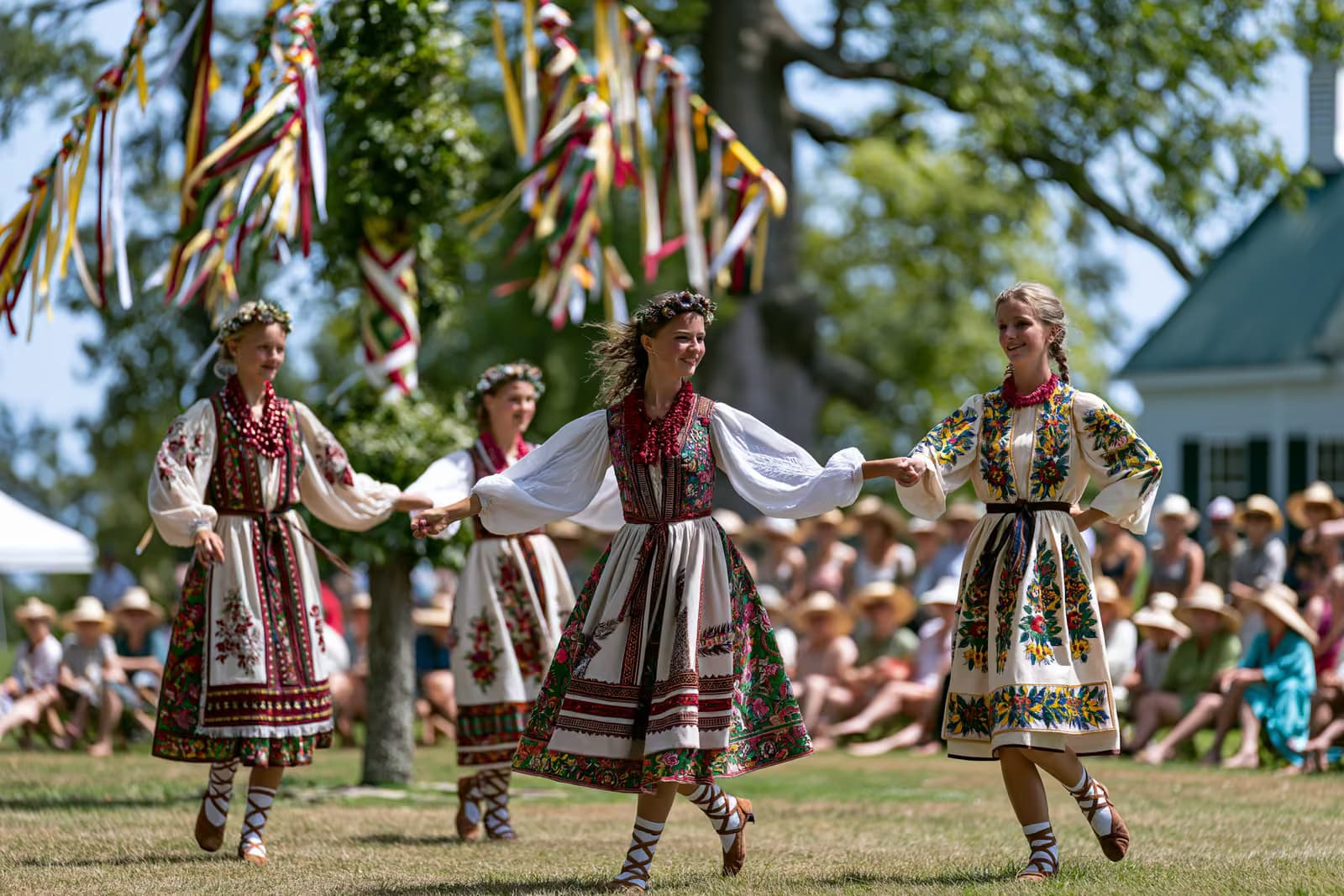
For most residents, though, “craft fair” means the markets, and these are a genuine pleasure. A Kunsthandwerkermarkt is an arts-and-crafts market where makers sell ceramics, jewellery, textiles, woodwork, and prints directly, and towns hold them throughout the year, often tied to a season or a local tradition. Pottery has its own dedicated events: a Töpfermarkt is a potters’ market, and some of them, held in market squares over a weekend, draw ceramicists from across the country and beyond. Design markets in the bigger cities bring together independent makers and small labels, and the maker and DIY scene - repair cafés, open workshops, and self-made-goods fairs - has grown steadily.
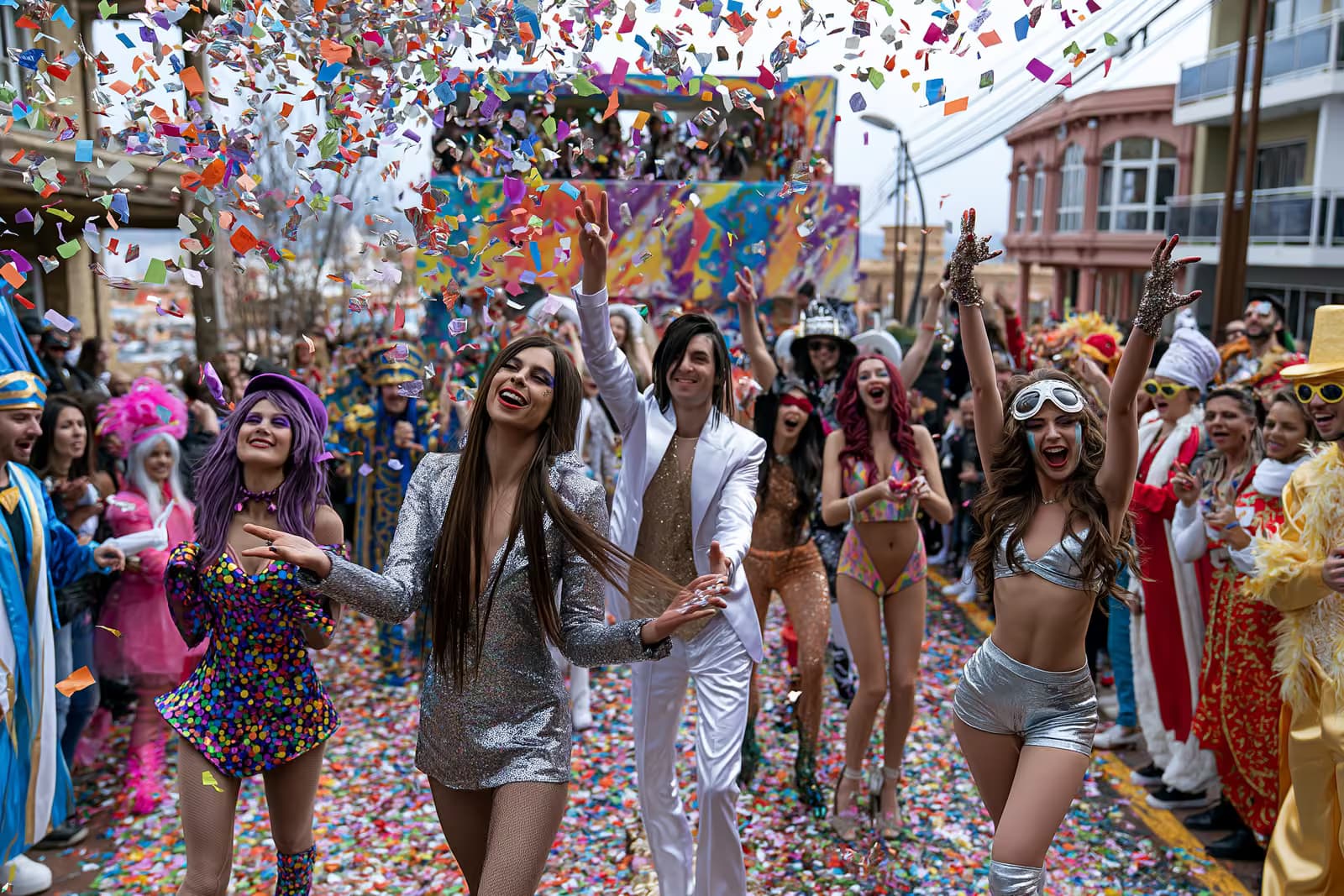
The best-known craft markets of all are seasonal. The German Christmas market, the Weihnachtsmarkt, is at heart a craft and food market: alongside the mulled wine you will find hand-carved wooden ornaments, blown glass, candles, and regional specialities, much of it genuinely handmade. Because they are such a distinct tradition in their own right, we cover them separately in our guide to German festivities and local traditions, and food-focused markets and fairs are covered in food festivals and events. Wherever you live, a local craft or seasonal market is one of the easiest ways to meet the artisan side of German culture without needing a ticket or a plan.
Attending a Messe: practical steps for a foreigner
Start with the one question that decides everything: is the fair trade-only or open to the public? A public fair, as covered above, needs nothing more than a ticket. A trade fair (Fachmesse) requires you to be a Fachbesucher, a trade visitor, which usually means registering with a business email, a company name, and sometimes proof of your role in the industry. If you work for a company in the sector, the simplest route is often through an exhibitor: companies with a stand receive free or discounted guest ticket codes to hand out to clients and contacts, so it is always worth asking a business partner whether they have a code before you pay full price. Otherwise you buy the trade ticket online in advance, which is standard and, again, usually cheaper than at the entrance.
Prepare for the physical scale. These are among the largest events you will ever attend, and a serious fair means kilometres of walking on hard hall floors. Wear comfortable shoes, carry water, and plan your route around the hall map rather than wandering; the big fairs publish floor plans and apps in advance. Cloakrooms exist but queue at peak times, so travel light. Food inside is plentiful but pricey, which is the fair-ground norm everywhere.
Then there is the Messe-Stadt reality, and it is a real one. When a major fair is in town, the city’s hotels fill up and prices surge, sometimes several times over, and rooms near the exhibition grounds sell out weeks ahead. If you need to stay overnight for a fair, book as early as you possibly can, or look at accommodation a train ride away in a neighbouring town. The flip side is transport: German exhibition grounds are built for crowds and almost always have their own dedicated station or tram stop, so reaching the Messe itself is usually easy - see our chapter on the public transportation system for how to buy the right ticket, and check whether your fair ticket already includes local transit.
Finally, think about why you are going. If it is for business, a trade fair is one of the densest networking environments in Germany, with a whole industry gathered in one place for a few days; our chapters on professional networking events and networking for entrepreneurs cover how to make those contacts count. If you are job-hunting, watch for the Karrieremesse, the career or job fair, where employers set up stands to recruit directly and you can hand over a CV and talk to hiring teams face to face - a particularly good route for newcomers and for English-speaking roles. And if you simply want the experience, pick one of the great public fairs - Gamescom, the Grüne Woche, or a good regional craft market - buy your ticket in advance, wear the right shoes, and go. For the wider calendar of things happening across the country, our guide to major German festivals is the place to start. Note that ticketing rules, dates, and which days are public change from year to year, so always confirm the details on the specific fair’s own website before you travel.
About this information
This chapter is general orientation based on widely-published information about everyday life in Germany, last reviewed in July 2026. It is general guidance, not individual legal, tax, or medical advice. See the related WeLiveIn.de chapters linked in the text above for topic-specific detail and official sources.