International Cuisine in Germany
13 min read
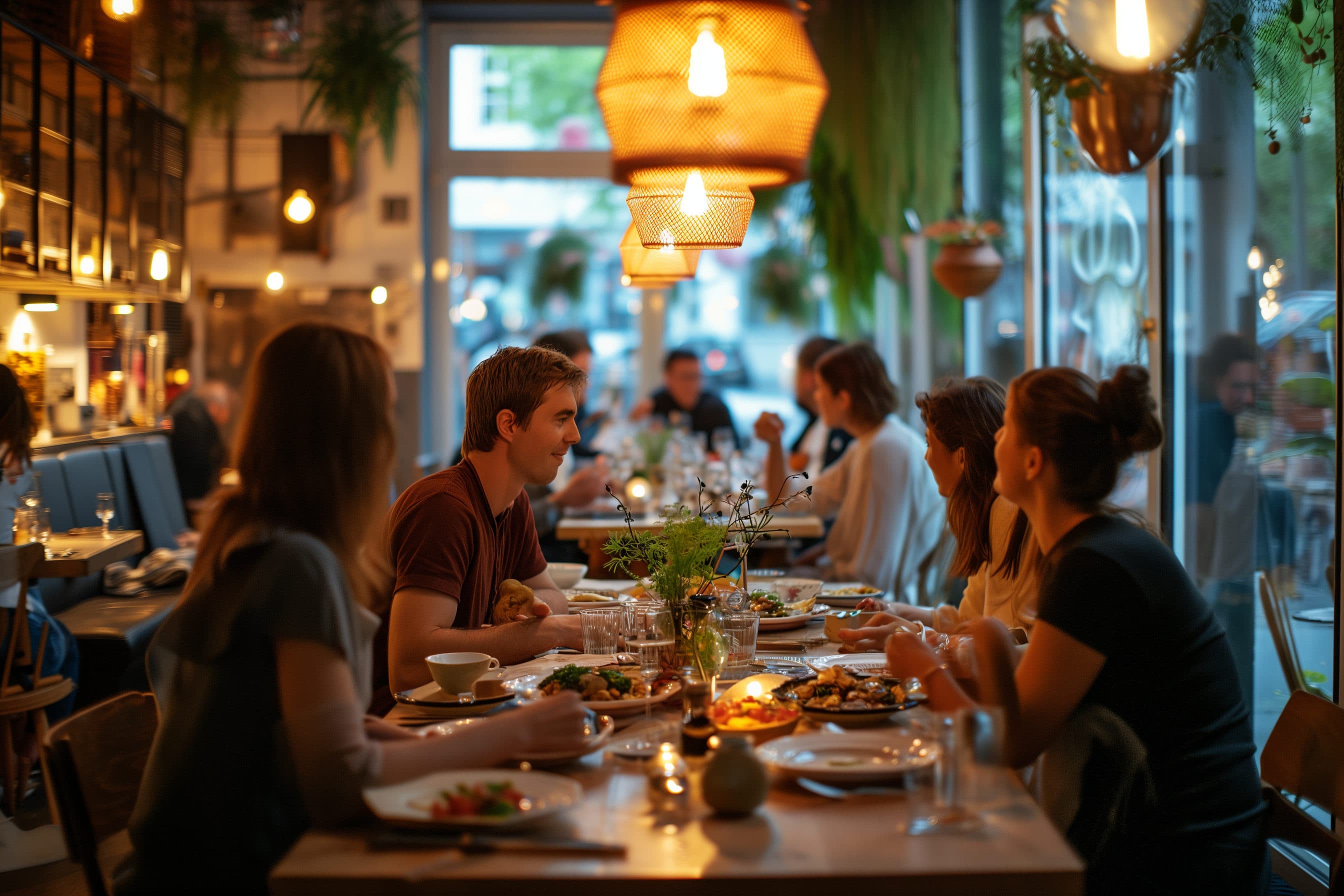
One of the quiet worries of moving to a new country is the fear that you will lose the food you grew up with. This chapter is here to reassure you: in Germany, and especially in its cities, you can eat the food of almost anywhere in the world, and you can cook your own at home. Decades of immigration have made international cuisine part of daily life here, not a novelty. Below you will find how to eat out by cuisine, how to track down the ingredients from home, and how to cook your own dishes with what German shops stock. This is about the sit-down restaurant scene and your own kitchen. For the quick, hand-held versions - the Döner, the falafel wrap, the Asia-Imbiss counter - see our separate guide to street food and snacks.
The immigrant cuisines that shaped how Germany eats
Germany’s international food scene did not appear overnight. It was built by the people who came to work here after the Second World War, and their cooking has become so ordinary that many Germans no longer think of it as foreign at all. Understanding this history helps you read a menu and know what to expect when you walk in.
Turkish food is the largest and most deeply rooted of these traditions. Roughly three million people of Turkish origin live in Germany, the country’s biggest immigrant-background community, a presence that grew out of the guest-worker agreement (Anwerbeabkommen) signed with Turkey in 1961. The Döner Kebap is the most famous export, but the sit-down scene goes far beyond it. A Lokanta - a Turkish home-style restaurant - serves stews, grilled meats, lentil soup (Mercimek) and fresh flatbread at modest prices. Many neighbourhoods have a proper Turkish breakfast, or Kahvaltı, an unhurried spread of cheeses, olives, eggs, honey, jam and endless tea that has become a weekend ritual for Germans and foreigners alike. Turkish bakeries and supermarkets, common in almost every city, sell Simit (sesame bread rings), Baklava and Meze by the tub. If you have never explored Turkish food past the kebab counter, Germany is one of the best places in the world to do it.
Italian food is the other pillar, and in many ways it is the defining international cuisine in Germany. Italians were among the first guest workers, arriving after a 1955 recruitment agreement, and their food integrated so completely that pizza and pasta now count as everyday German comfort food. The neighbourhood Italiener - the family-run Pizzeria or Ristorante where the owner knows the regulars - is a genuine German institution, found in villages as well as cities. So is the Eiscafé, the Italian ice-cream parlour, many of them run for generations by families from the Dolomite valleys; sitting over an Eisbecher on a summer afternoon is a German habit with entirely Italian roots. You are rarely far from good, affordable Italian food anywhere in the country.
The Greek restaurant is another fixture, so established that it has its own gentle cliché. The classic Grieche is a warm, slightly old-fashioned Gastwirtschaft (a tavern-style eatery) serving Gyros, Souvlaki, grilled feta and large mixed platters, and the trope - largely true - is that the meal ends with a small free Ouzo or a shot of something on the house, pressed on you by the owner whether you asked or not. These places have fed German families for decades and remain reliable, generous and inexpensive.
Vietnamese food deserves special mention because its story runs through German history. Vietnamese communities are especially strong in Berlin and the eastern states, and the reason lies in the former East Germany: the DDR (the German Democratic Republic) brought in Vietnamese contract workers (Vertragsarbeiter) during the 1980s, and many stayed after reunification. Berlin’s Dong Xuan Center, a sprawling wholesale market in the east of the city, grew out of that community and is a destination in itself. The result is that Germany, and Berlin in particular, has excellent Vietnamese restaurants serving Pho (beef noodle soup), fresh summer rolls and Bún noodle bowls - often at prices that make them a weekly habit rather than a treat.
Rounding out the older cuisines is the Balkan grill. Restaurants run by families from the former Yugoslavia - Croatian, Serbian, Bosnian - serve enormous plates of grilled meat, Ćevapčići (small skinless sausages), Ajvar (a red-pepper relish) and bean stews. Like the Greek and Italian places, they are unpretentious, filling and cheap, and they are part of the standard eating-out landscape in most German towns.
The wider international scene in the big cities
Beyond the long-established cuisines, the last two decades have brought an explosion of variety, concentrated in the larger cities. Berlin, Munich, Frankfurt, Hamburg and Cologne now offer something close to the full range of the world’s food. Berlin in particular is a genuine world food city, and Frankfurt’s international population gives it a density of good restaurants far beyond its size. If you live in or near one of these cities, the practical reality is that almost any cuisine you are homesick for exists somewhere within reach.
Pan-Asian food is everywhere and no longer limited to a single “Chinese-Thai” menu. Proper regional Chinese restaurants (Sichuan, Cantonese and hand-pulled-noodle specialists) have opened in the bigger cities, alongside a huge number of Thai kitchens, Japanese places ranging from cheap sushi to ramen bars and Izakaya, a growing Korean scene built around barbecue and bibimbap, and long-standing Indian restaurants serving the curries and tandoor dishes that are a staple of the German eating-out habit. Quality varies, as it does anywhere, but in a large city you can find the real thing if you look past the tourist streets.
Middle Eastern and Levantine food has become one of the most visible additions to the scene. The arrival of Syrian refugees from 2015 onwards brought a wave of new restaurants, bakeries and sweet shops, and it has been a genuinely positive contribution to how Germany eats. Syrian and Lebanese kitchens serving Hummus, Falafel, Fattoush, grilled meats and trays of honey-soaked pastries are now normal in many neighbourhoods, and some of the best new bakeries in Berlin and other cities are Syrian-run. This is a good example of food and migration enriching a place rather than threatening it.
The rest of the world is represented too, if more thinly. African restaurants - Ethiopian, Eritrean, West African - cluster in the larger cities, Ethiopian places in particular offering the shared Injera-and-stew meals that are perfect for groups. Latin American food is growing, from Mexican taquerías run by actual Mexicans (rather than the older Tex-Mex chains) to Peruvian, Brazilian and Argentine grills. And at the top end, Germany’s fine-dining scene is thoroughly international; many of its most celebrated kitchens draw on Japanese, French and pan-Asian techniques.
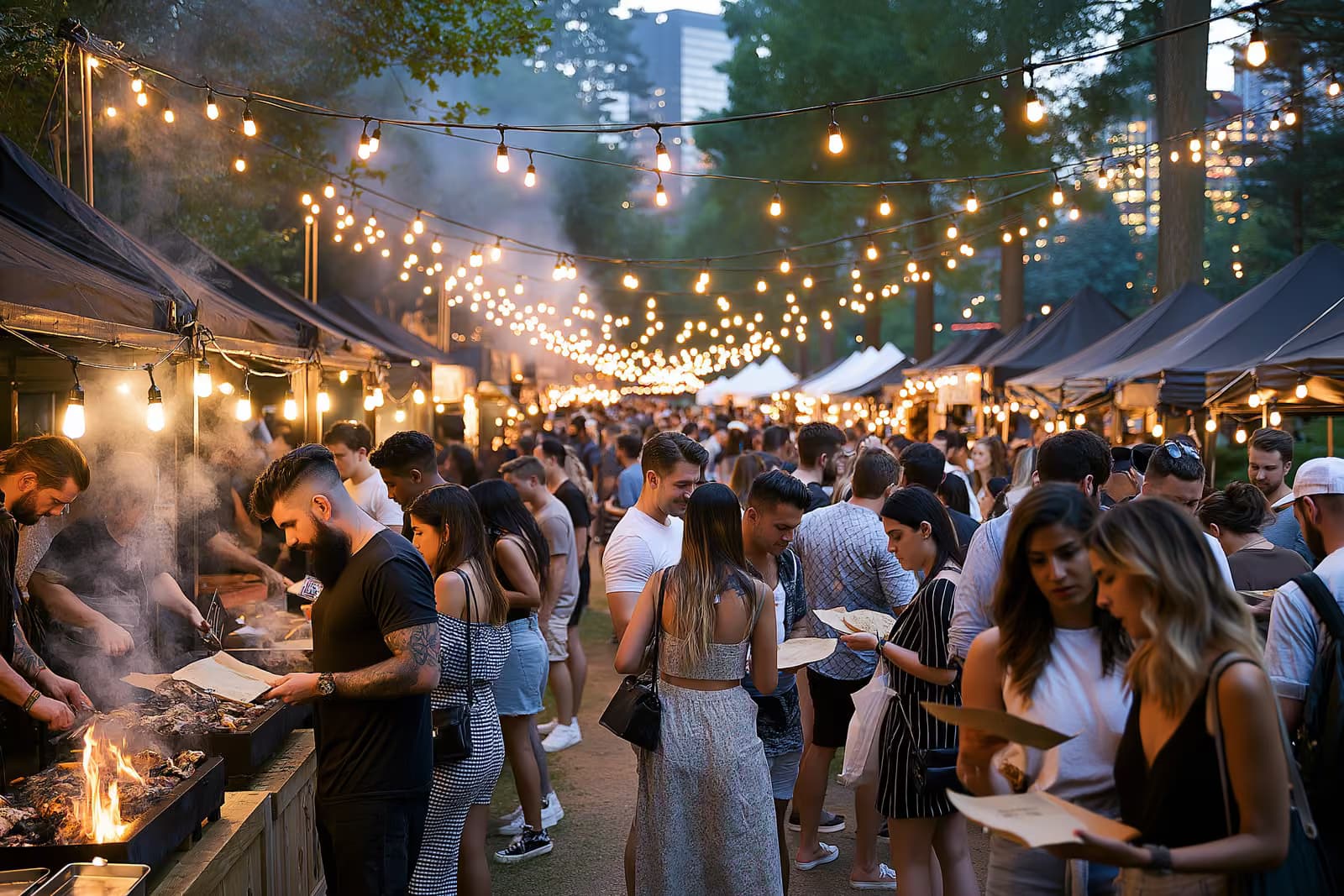
A good way to graze across all of this at once is a covered market hall (Markthalle) or a food-truck gathering, where a dozen small international kitchens sit side by side under one roof. Hamburg, Berlin, Stuttgart and other cities have thriving market halls, and food-truck events move through most regions in the warmer months. These overlap with the wider festival calendar; for the events themselves, and the street-food markets that travel with them, see our guides to food festivals and events and to street food and snacks.
Finding your home-country ingredients
Eating out is only half of feeling at home. The other half is being able to cook the food you know, and for that you need the right ingredients. The good news is that Germany has a dense network of ethnic supermarkets, and once you learn where they are, most homesick shopping lists become achievable.
The Turkish supermarket is the single most useful shop for a newcomer, and there is usually one nearby even in mid-sized towns. Beyond Turkish staples, these stores carry a broad Mediterranean and Middle Eastern range - spices, pulses, rice, bulgur, cheeses, olives, fresh herbs, flatbread and a fruit-and-vegetable section that is cheaper and often fresher than the discounters. The Asia-Markt is the equivalent treasure trove for anyone cooking East or South-East Asian food: soy and fish sauces, rice varieties, noodles, tofu, curry pastes, frozen dumplings and vegetables like pak choi and Thai basil that ordinary supermarkets do not stock. Larger cities also have Afro-Caribbean shops, Russian and Polish supermarkets (excellent for eastern European and Central Asian staples), Indian and South Asian grocers, and Latin American specialists. If you are not sure what exists near you, searching online for your cuisine plus “Markt” or “Lebensmittel” and your city is the fastest way to find them.
Do not overlook the mainstream chains either. Rewe and Edeka, especially their larger stores, carry a respectable international aisle - Mexican, Asian, Indian and Italian ranges - and the bigger branches keep expanding it. The discounters Aldi and Lidl also run regular themed weeks, when a rotating stock of Mexican, Greek, Italian or Asian products appears for a fortnight; these are worth watching if you want specific items cheaply. This chapter looks at these shops through the lens of finding your home flavours; for the wider routine of weekly grocery shopping, store types, opening hours and saving money, see our dedicated guide to grocery shopping tips, which covers the ethnic markets as a source of cheap produce in more depth.
When the local shops fall short, the internet fills most of the remaining gaps. A range of online specialty grocers ships regional and hard-to-find products across Germany - British, American, Japanese, Indian, African and more - so the one sauce, sweet or spice mix you cannot live without is usually orderable, if not always cheap. Prices and shipping vary, and stock changes, so it is worth comparing a couple of shops rather than settling for the first.
It would be dishonest to pretend everything is available. Some very fresh or perishable items from home simply are not sold here, certain national brands never made it to Germany, and the exact cut of meat or type of fish you want may be unfamiliar to a German butcher or fishmonger. But there is nearly always a workaround: a close substitute, an online order, or a Turkish or Asian shop that stocks something similar under a different name. The trick is to stop looking for the identical product and start looking for the equivalent one - and to ask. Shopkeepers in ethnic markets are often happy to point you to the right shelf or suggest a replacement.
Cooking your own cuisine here
Once you know where to shop, cooking your own food in Germany becomes a matter of small adaptations rather than sacrifice. German ingredients are high quality, but they are not always identical to what a recipe from home assumes, and learning a handful of substitutions goes a long way. German cream comes in several fat levels (Sahne, Schmand, Crème fraîche) that stand in for many international dairy products; Quark, a fresh curd cheese found in every supermarket, replaces some soft cheeses and yoghurts; and Speisestärke (cornflour or potato starch) does the thickening work many cuisines expect. Flour is graded by a Type number (405 for plain, 550 for a stronger bread flour, 1050 for darker loaves) rather than by name, which matters once you start baking. When a specific vegetable or chilli is missing, a Turkish or Asian market usually has the nearest relative.
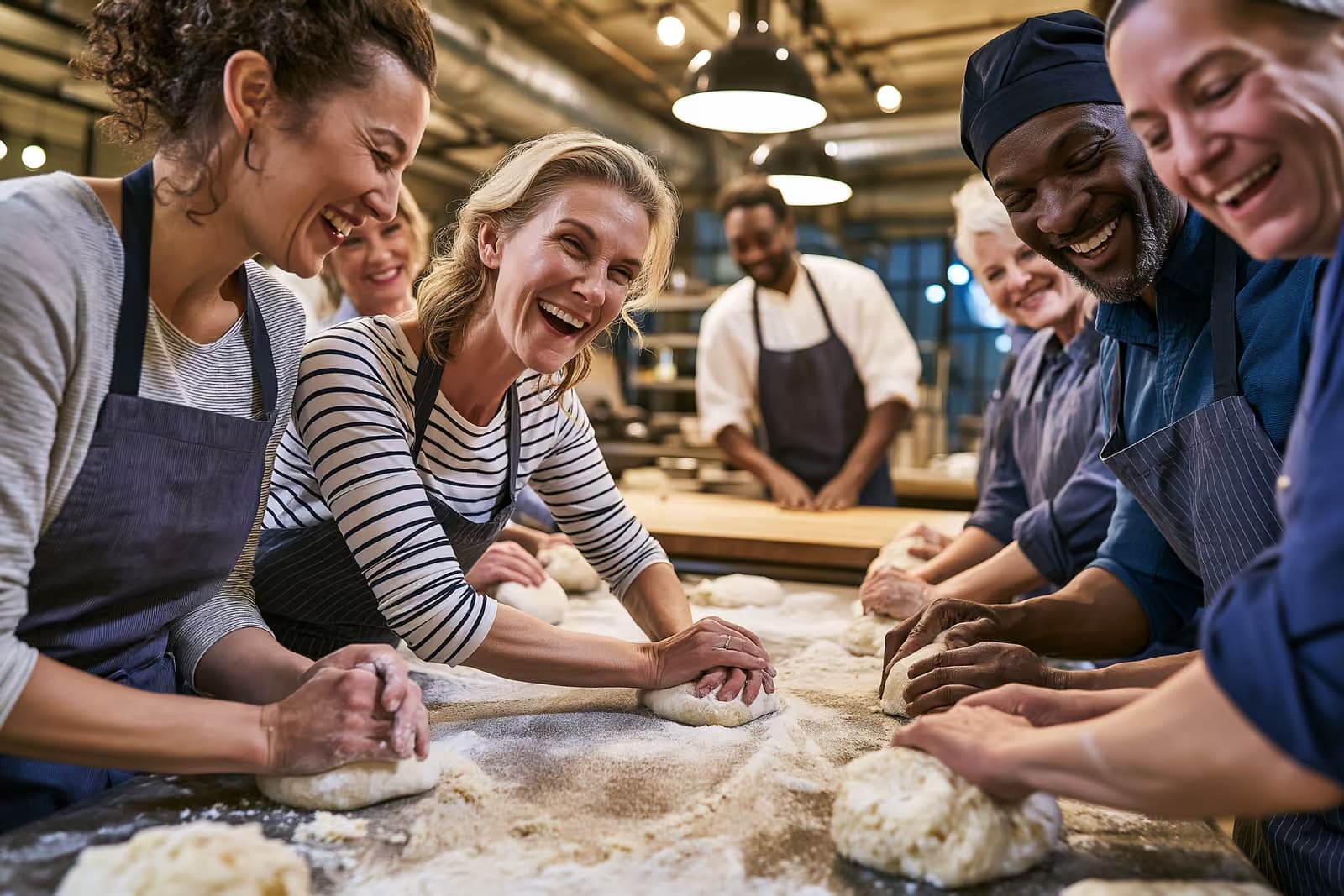
Spices and specialty items are the other common gap, and again the ethnic markets are the answer: whole spices, spice blends, dried chillies and specialist flours are far cheaper and fresher there than in the small jars sold at ordinary supermarkets. Buying spices whole and in larger quantities from a Turkish, Indian or Asian shop is one of the easiest ways to make home cooking taste right without spending much. For techniques, regional recipes and hands-on learning, our guide to cooking classes and recipes covers where to take a class and how to adapt what you cook.
Cooking your own food is also one of the warmest ways to build a life here. Germans take shared food seriously, and bringing a dish from your home country to a party, an office lunch or a club is an easy and genuinely appreciated way to connect. If you join a Verein - one of the local clubs and associations that are central to German social life - contributing food to its gatherings is a natural way in, and hosting a meal at home for new acquaintances is a gesture that lands well in a culture that values reciprocity. Sharing the food of where you come from turns a private comfort into a social bridge; for more on finding your feet socially, see our guide to building a social network in Germany.
Dietary needs, delivery and what it costs
A few practical points will make eating internationally easier day to day. The first is that Germany’s cities are genuinely multicultural in food, and you will not go hungry for the flavours of home. It is worth being honest that the picture thins out in small towns and rural areas, where the choice may come down to an Italian, a Greek, a Turkish place and perhaps an Asian restaurant. That is still more variety than many newcomers expect, and the ethnic supermarkets and online shops close most of the remaining gap for home cooking - but if a wide restaurant scene matters to you, it is a real advantage of living in or near a city.
Vegetarians and vegans are well served, and international kitchens are often the easiest option. Indian, Middle Eastern, Turkish, Ethiopian and East Asian cuisines all have deep meat-free traditions, and Germany’s own vegan scene is one of the most developed in Europe. For the etiquette of eating out - how to order, tipping, and flagging dietary needs - see our guide to dining etiquette and customs. Halal food is widely available thanks to the Turkish and Arab communities: Turkish butchers and supermarkets sell halal meat as standard, and many Turkish and Middle Eastern restaurants are halal, though it is normal to ask. The kosher scene is much smaller and concentrated in cities with established Jewish communities, notably Berlin, Frankfurt and Munich, where you will find kosher shops, restaurants and bakeries; elsewhere it usually means ordering specialist products online.
When you would rather stay in, food-delivery apps cover international restaurants well. Lieferando is the dominant service and reaches by far the most places, including smaller towns; Wolt has expanded into the larger cities with a more curated, often higher-end selection; and Uber Eats operates in many urban areas too. Coverage and the exact list of restaurants depend on where you live, so it is worth checking two of them for your address. As for price, international food in Germany spans the full range: a Turkish, Greek, Balkan or Vietnamese meal is often among the cheapest ways to eat out well, family-run Italian and Asian places sit in the affordable middle, and the international fine-dining rooms reach the top of the scale. Cooking from ethnic markets is cheaper still, which is part of why so many people here do both.
What to do next
Start close to home. Find the nearest Turkish supermarket and Asia-Markt and walk the aisles once without a shopping list, just to see what is stocked - this single trip will tell you most of what you can cook here. Try the neighbourhood Italiener, the local Grieche and a Turkish Lokanta to anchor your sense of the everyday scene, then branch out into whatever your city offers. Note which mainstream shop near you has the best international aisle, and bookmark one or two online specialty grocers for the handful of things you cannot find locally. If you are missing a specific ingredient, ask at an ethnic market before you assume it is unavailable; the answer is usually a substitute or a shelf you had not noticed.
Above all, treat this as one of the easier parts of settling in. Food is where Germany’s diversity is most visible and most welcoming, and cooking or sharing the dishes of where you come from is a fast route to feeling at home and to meeting people. You have not left your kitchen behind - you have just moved it somewhere with a lot of new shops to explore.
About this information
This chapter is general orientation based on widely-published information about everyday life in Germany, last reviewed in July 2026. It is general guidance, not individual legal, tax, or medical advice. See the related WeLiveIn.de chapters linked in the text above for topic-specific detail and official sources.