Cologne carnival 11.11: glass ban and closures
7 min read
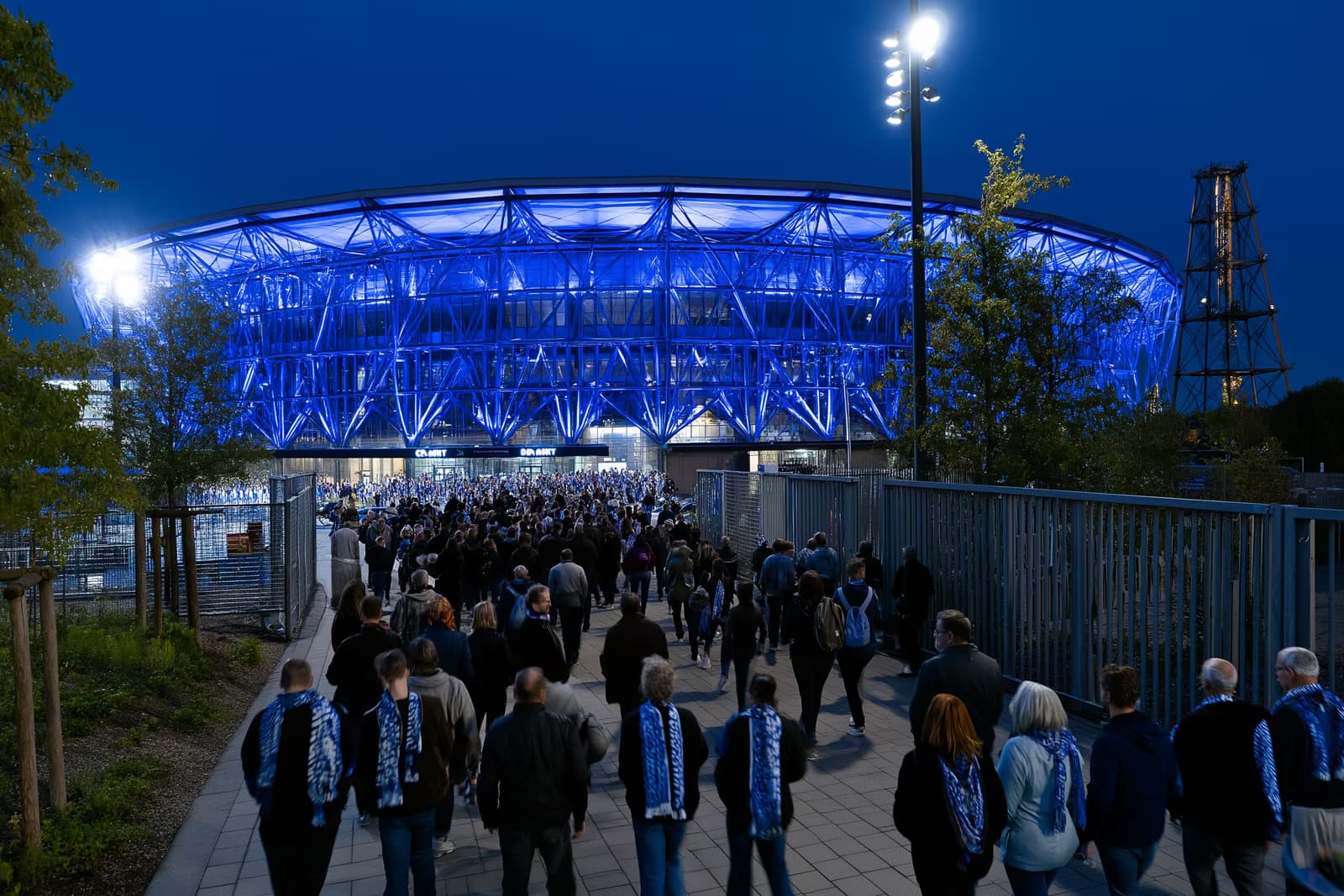
The Cologne carnival season starts at 11:11 am on Wednesday, 11 November, and the city expects several tens of thousands of revellers from near and far. To keep the day under control, the city, the police and the public transport operator KVB have put a large closure and security plan in place: glass bans in the main party zones, controlled access gates in the student quarter, a ban on knives and replica weapons, road closures and changed tram routes. Here is what visitors and residents need to know.
The city published its plan on 2 November, and the police added their own details on 9 and 10 November. A coordination team made up of the city administration, state and federal police, KVB, the waste company AWB and the organiser of the main stage show will run the day from the Stadthaus in Deutz.
Cologne carnival opening: where the crowds go
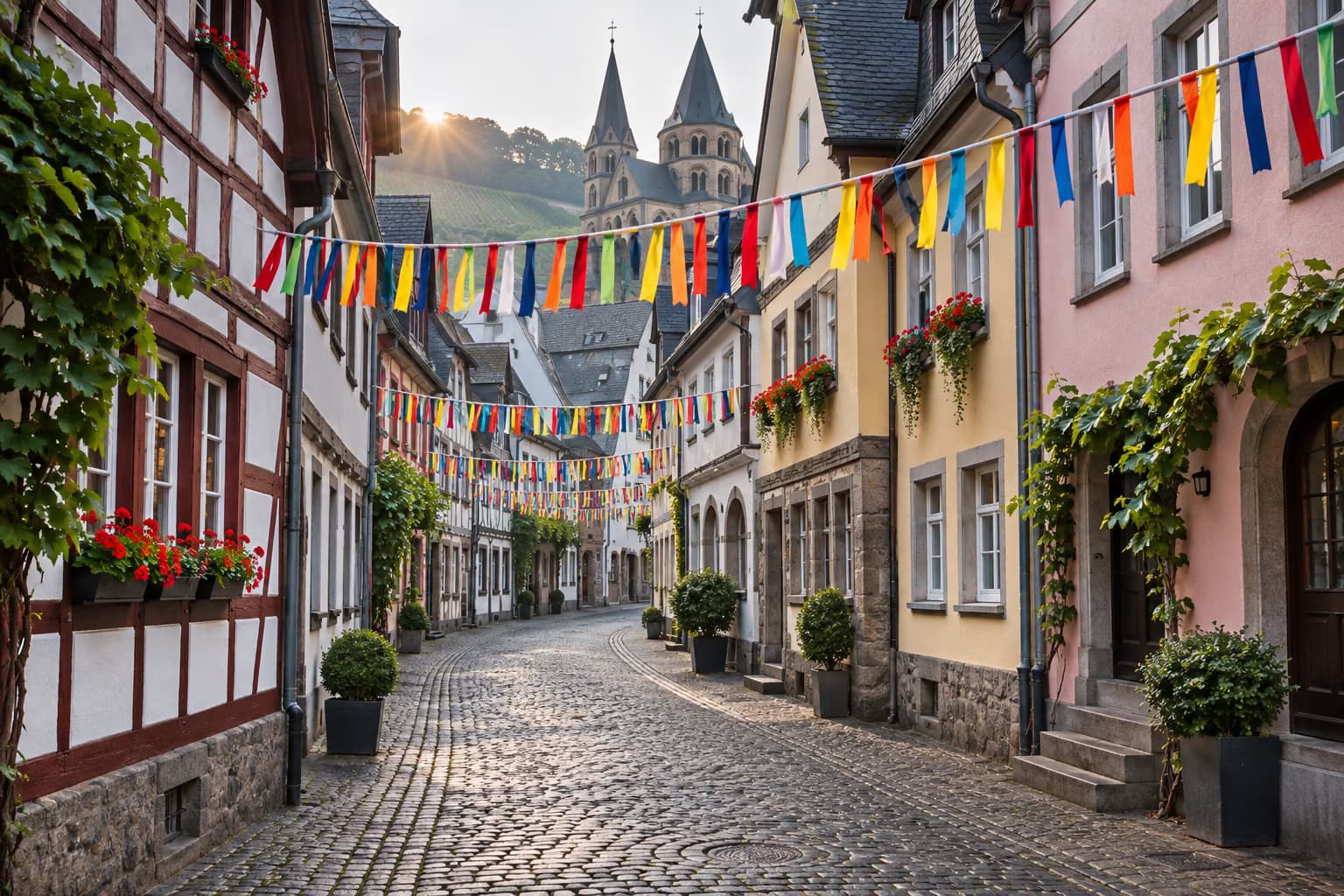
Three areas draw most of the crowds. The official opening with a stage programme takes place on Heumarkt and Alter Markt in the Altstadt (old town). The second hotspot is the Kwartier Latäng, the student quarter around Zülpicher Straße, which has become known for its street parties. The third is the Südstadt between Chlodwigplatz, the Severinstorburg gate and Ubierring, which has grown into a party zone in recent years and receives special attention this time.
The staffing is on a scale Cologne knows from carnival. About 450 employees of the Ordnungsamt (the municipal public order office) will be on duty, supported by around 1,200 staff from a private security company who check bags for glass at the gates and guard the barriers. The security staff wear vests with numbers so that they can be identified. According to t-online, more than 1,000 police officers will be deployed in Cologne and Leverkusen, from the early morning onwards. The city is also setting up around 750 mobile toilets and urinals, about 450 of them in the Kwartier Latäng, and asks people to use them and the bins.
Glass ban and access gates in the Kwartier Latäng
The strictest rules apply around Zülpicher Straße. Glass bottles and other glass containers are banned there from 8 am on 11 November until 8 am the following morning. The same glass ban (Glasverbot) applies in the Altstadt for the same period. Drinks can be poured into plastic containers at the checkpoints. A shorter ban from 8 am to 10 pm covers the Uni-Wiese meadow and the Hiroshima-Nagasaki-Park in the Inner Green Belt between Luxemburger Straße and Aachener Straße. In the Südstadt there is no formal ban, but the city asks people to do without glass voluntarily from 8 am to 10 pm. Inside the Kwartier Latäng, loudspeaker boxes and bulky items such as handcarts and folding chairs are also not allowed.
Access to the student quarter is limited so that it never becomes too full for rescue services. The main entrance is at the corner of Zülpicher Straße and Zülpicher Wall, near the university canteen, with two further gates at Roonstraße/Beethovenstraße and Kyffhäuser Straße/Barbarossaplatz. According to t-online, the party area itself runs mainly along Zülpicher Straße between Zülpicher Platz and Moselstraße. If the quarter is full, the gates close and people are directed to an overflow area on the Uni-Wiese. That area is a safety measure only: there will be no drinks and no music there.
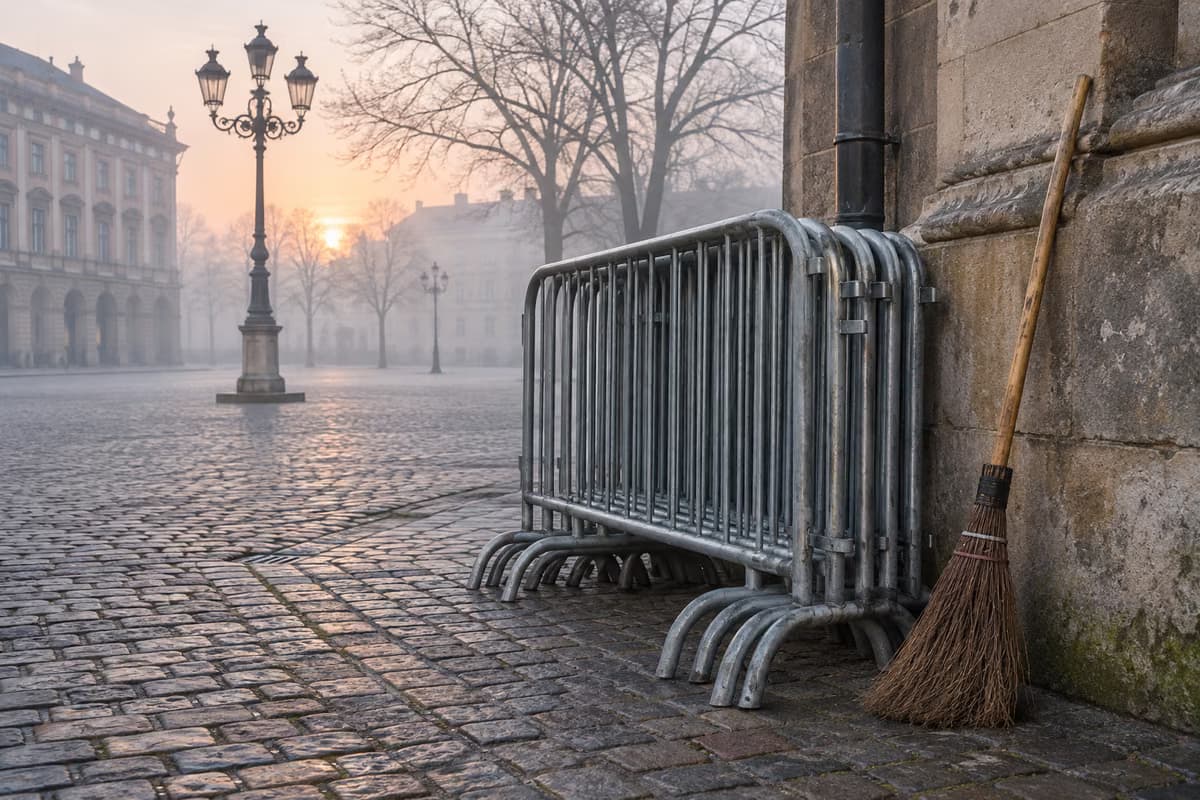
People who live in the closed area can pass all barriers with an ID document showing their current registered address. Businesses and their staff receive wristbands from the city in advance, and guests of private parties in pubs get in with a ticket that the host has registered with the city. Everyone else has to queue at the public gates and may be turned away to the overflow area once the quarter is full.
Road closures and KVB diversions on 11 November
Drivers are advised to avoid the entire city centre and use park-and-ride sites. In the Altstadt, the Deutzer Brücke (inbound), Augustinerstraße and Markmannsgasse close to cars from about 6 am until roughly 10 pm, according to koeln.de, and pedestrians heading to the old town should use the Hohenzollernbrücke. Roonstraße between Lindenstraße and Barbarossaplatz has been closed since about 2 pm on Tuesday, 10 November. From around 7 am on 11 November, Zülpicher Straße, parts of Luxemburger Straße and Hohenstaufenring and a long list of side streets in the Kwartier Latäng are closed until between 2 am and 4 am on Thursday. Parking bans have applied in parts of the quarter since 30 October, and the city warns that cars and even bikes or scooters left in the way will be towed. Lorries over 7.5 tonnes may not drive through the inner city.
KVB trams and buses run on a normal Wednesday timetable, but several lines change. Line 5 does not stop at Rathaus from about 7 am, and the Heumarkt stop can be closed on police orders if the square is overcrowded, in which case lines 1, 7 and 9 pass through without stopping. Because Zülpicher Straße is closed, line 9 runs only between Königsforst and Neumarkt from about 7 am, and replacement buses (line 109) connect Sülz Hermeskeiler Platz and Universitätsstraße. Lines 12 and 15 skip Zülpicher Platz from about 9 am, so passengers should use Rudolfplatz or Barbarossaplatz instead. From about 10 am, line 16 coming from Niehl turns back at Ubierring and trains from Bonn turn back at Severinstraße. Buses 106, 132 and 133 use a temporary Heumarkt stop in front of the Handwerkskammer, and bus 142 skips Eifelwall/Stadtarchiv and Bahnhof Süd.
According to t-online, trams will run every 15 minutes until 1 am, and Deutsche Bahn is adding trips on the RE1 and RE5 regional lines, with the last RE5 towards Düsseldorf leaving Cologne Hauptbahnhof at 11:18 pm. Radio Erft reports that KVB rental bikes cannot be picked up or returned in the party zones, and anyone who leaves one there pays a special fee of 20 euros.
Knife ban and police checks at the Cologne carnival
The police have announced targeted checks of people and bags at the entrances to the party zones and around the hotspots. A knife ban applies at public events, and the police warn against realistic-looking replica weapons as part of a costume: they are prohibited, they frighten other people and they can trigger a serious police response. At Cologne Hauptbahnhof and Köln Süd station, the Bundespolizei (federal police) has issued a general order banning dangerous objects on 11 and 12 November. Toy pistols count as replica weapons under that order. Breaking it can lead to being sent away from the station, being refused transport or a fine, and violations of the weapons law can bring further penalties.

Police director Gregor Eisenmann, who leads the operation, said the aim is for everyone to experience the day "as carefree and safely as possible". The police say they have no indications of registered demonstrations or concrete threats, but that experiences from Halloween night have been factored into their planning. The synagogue on Roonstraße, close to the Kwartier Latäng, will again be specially protected. Youth protection is another focus: according to the city, young people working with the police and Ordnungsamt will make test purchases at kiosks, and shops that sell alcohol or tobacco to minors face fines of 200 to 350 euros for a first offence.
Help points and tips for expats at the Cologne carnival
First aid posts (Unfallhilfsstellen) are set up in the Kwartier Latäng at Rathenauplatz, Roonstraße, Dasselstraße and Hans-Meyer-Weg, and in the Altstadt at Fischmarkt and at Leystapel below the Deutzer Brücke. New this year are two posts in the Südstadt, at Chlodwigplatz and Severinskirchplatz. The fire brigade again runs a temporary emergency care centre at the Berufskolleg Humboldtstraße for people who need short-term medical care, to keep hospital emergency rooms free. The youth office has around 40 staff in the student quarter and a help point for minors open from 9 am to 11 pm. For emergencies, the numbers are 112 (ambulance and fire) and 110 (police).
Women, girls and queer people affected by harassment or sexual violence can call the city's EDELGARD service on 0221 221 27777 from 10 am to 1 am, or visit its orange pavilion at Barbarossaplatz, at the level of Salierring 44. The national helpline for violence against women, 116 016, is free, open around the clock and offers advice with interpreters in 18 languages. The police also warn about pickpockets and knockout drops: carry only what you need, never leave a drink unattended, do not accept open drinks from strangers and plan your way home in advance, ideally with friends.
For newcomers, the practical rule is to travel by tram or train, bring drinks in plastic or cans, leave anything that looks like a weapon at home and keep your ID with you if you live in a closed zone. If you want to understand the tradition before joining the Cologne carnival crowds, our guide to street parades and carnivals in Germany explains the basics, and an overview of traditional folk festivals shows where else the season is celebrated.