Speed-Check Week Hits Roads Aug 3-9
3 min read
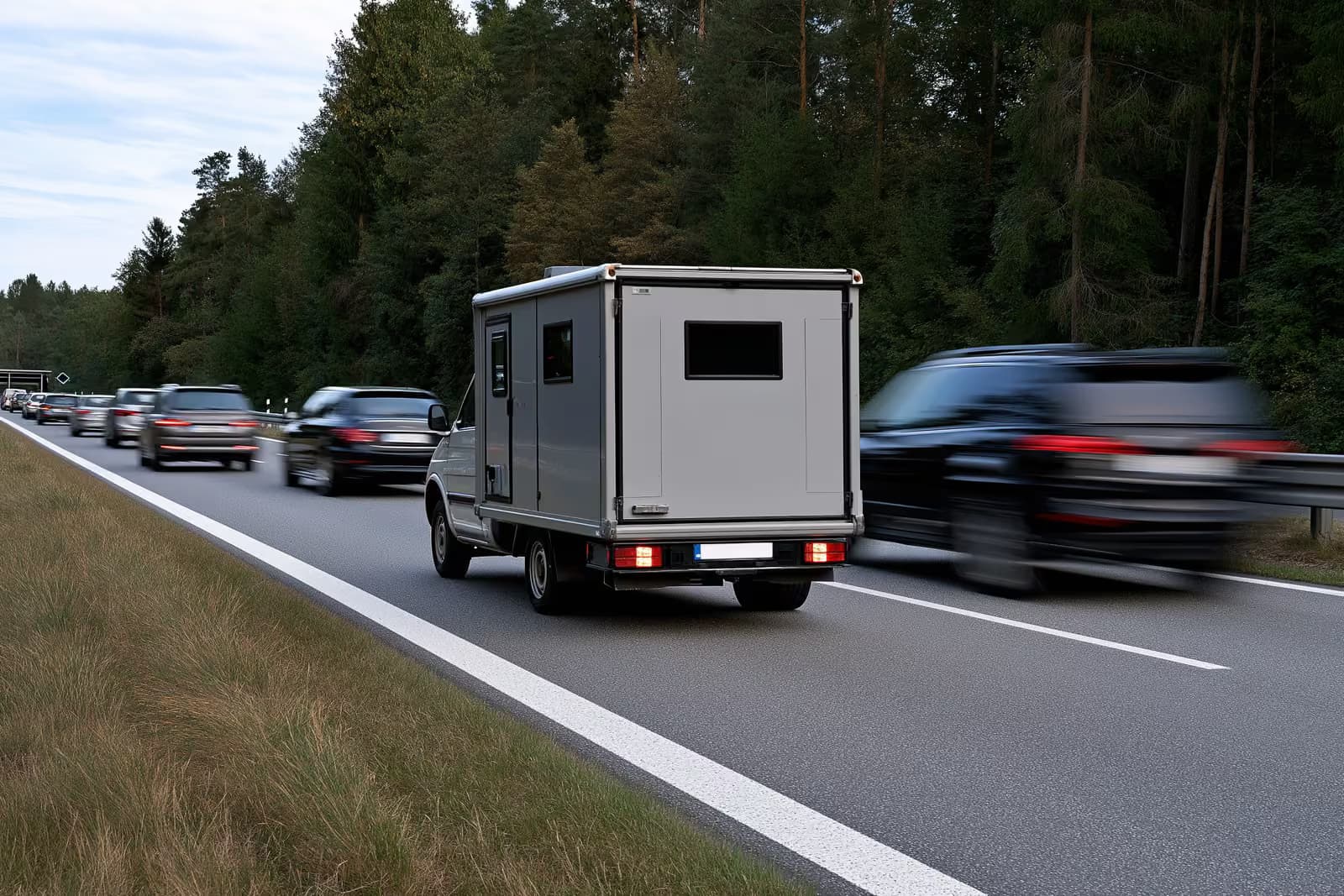
Drivers in Germany face a nationwide speed-check week from August 3 to 9, 2026, as police step up enforcement across most of the country. The campaign, known in German as the Speedweek or Blitzermarathon, is the second such action of the year and is timed to the busy summer holiday season. Unlike the spring edition, this speed-check week has no single central control day.
When the speed-check week runs
The intensified controls run for a full seven days, from Monday August 3 to Sunday August 9. According to the ADAC, Germany’s largest automobile club, the key difference from the April campaign is the lack of a designated main day. Instead, checks are spread with relatively even intensity across the whole week.
That change matters for drivers. In earlier Blitzermarathon events, attention focused on one heavily publicised day. This time there is no single day to watch, so anyone on the road during the speed-check week should expect controls at any point. The states have agreed not to publish exact measurement locations in advance.
Which states join the speed-check week
Thirteen of Germany’s sixteen federal states are taking part in the August action. Baden-Württemberg, Berlin, Brandenburg, Bremen, Hamburg, Hesse, Mecklenburg-Vorpommern, Lower Saxony, North Rhine-Westphalia, Rhineland-Palatinate, Saxony-Anhalt, Schleswig-Holstein and Thuringia are all involved.
Three states sit out the August window: Bavaria, Saarland and Saxony. Saxony is not skipping enforcement altogether, however, as it plans its own separate control period from August 17 to September 6, according to bussgeldkatalog.org. Wherever you drive, it is safest to assume checks could be running rather than to rely on a state boundary.
The Speedweek is coordinated loosely rather than run as a single federal operation, which is why the exact format differs from state to state. Some publish general reminders, others say little in advance. For a driver crossing several states on a summer road trip, the practical effect is the same: the whole week should be treated as a period of heightened enforcement across most of the country.
Where officers will be watching
Both mobile patrols and fixed cameras are in use during the speed-check week, and the choice of sites is deliberate. Police concentrate on accident hotspots, the Unfallschwerpunkte where crashes cluster, along with school zones, construction sites, areas near hospitals and stretches of motorway. The summer timing reflects heavier holiday traffic on these roads.
The stated aim is road safety rather than revenue. Speed remains one of the leading causes of serious crashes in Germany, and campaigns like this are meant to remind drivers to ease off, particularly in the 30 kilometre per hour zones common around schools and residential streets. If you are still learning the local rules, our guide to driving in Germany is a useful reference.
What speeding can cost you
Penalties in Germany rise in steps with the amount you exceed the limit, and they are steeper inside towns than on open roads. In built-up areas, going 21 kilometres per hour over the limit brings your first point in the Flensburg register, the central record of traffic offences, while 31 over adds a second point and a one-month driving ban. Larger excesses of 61 over can mean a three-month ban and fines of several hundred euros.
Outside towns the thresholds are a little higher but the logic is the same, with driving bans starting at 41 kilometres per hour over the limit and the heaviest cases topping 600 euros. The simplest way through the speed-check week is to watch your speedometer, respect the posted limits and pay extra attention near schools and roadworks. The rules apply all year, but the coming week is a good moment to build the habit.
Foreign drivers should note that fines issued in Germany can follow you home, since penalties are increasingly enforced across European Union borders. There is also no tolerance built into the posted limits beyond a small measurement allowance, so treating a 50 sign as a firm ceiling rather than a suggestion is wise. If you drive a rental car, the hire company will normally pass any penalty on to you along with an administrative fee.
None of this needs to spoil a summer road trip. The point of the speed-check week is to slow traffic on the roads where crashes are most common, and staying within the limits keeps you clear of both fines and danger. Plan a little extra time for your journey, keep an eye out on motorways and in town, and the week should pass without incident.