VW Job Cuts: Up to 100,000 at Risk
3 min read
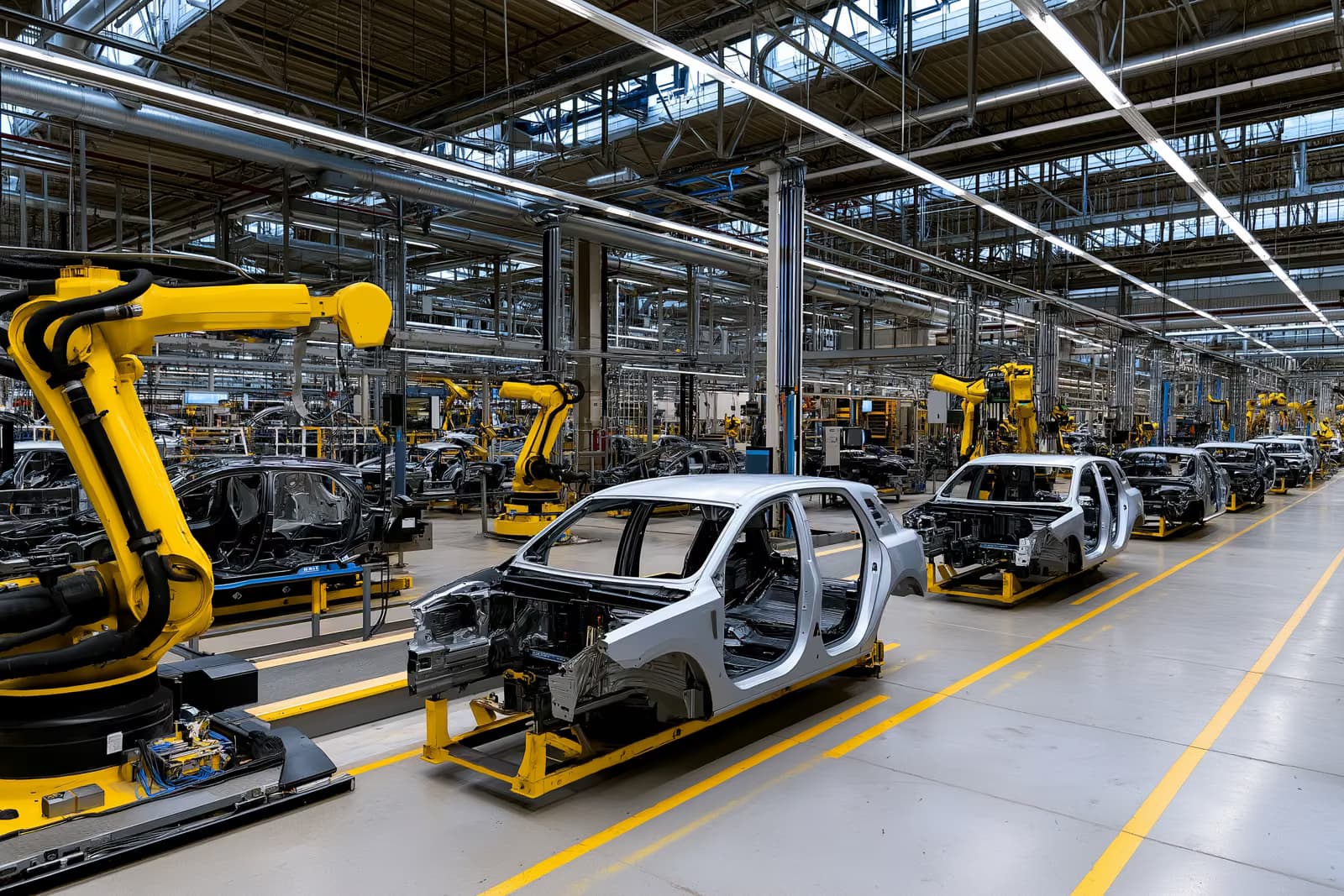
Volkswagen has put some of its German factories and tens of thousands of jobs on the table. At a supervisory board meeting on 9 July 2026, Europe’s largest carmaker weighed plans that could mean VW job cuts of up to 100,000 positions worldwide and the possible closure of four plants inside Germany. No final decision was taken on the day, but the meeting opened what is expected to be months of hard bargaining between management, unions and regional politicians.
The Scale of the VW Job Cuts
The numbers under discussion are large by any measure. According to Euronews, the plans would remove up to 100,000 jobs, or roughly 16 percent of a global workforce of around 630,000 people. That figure would come on top of an earlier programme to shed about 50,000 posts by 2030, meaning up to 50,000 further reductions beyond what was already agreed.
The talks reflect a company under heavy pressure from weak demand, high costs and a difficult shift to electric vehicles. Reporting by ZDFheute and WirtschaftsWoche describes a management push to cut deeper and faster than before. For a firm that is one of Germany’s biggest private employers, the proposed VW job cuts would ripple far beyond the factory gates into suppliers, service firms and whole towns built around the plants.
Where the VW Job Cuts Could Land
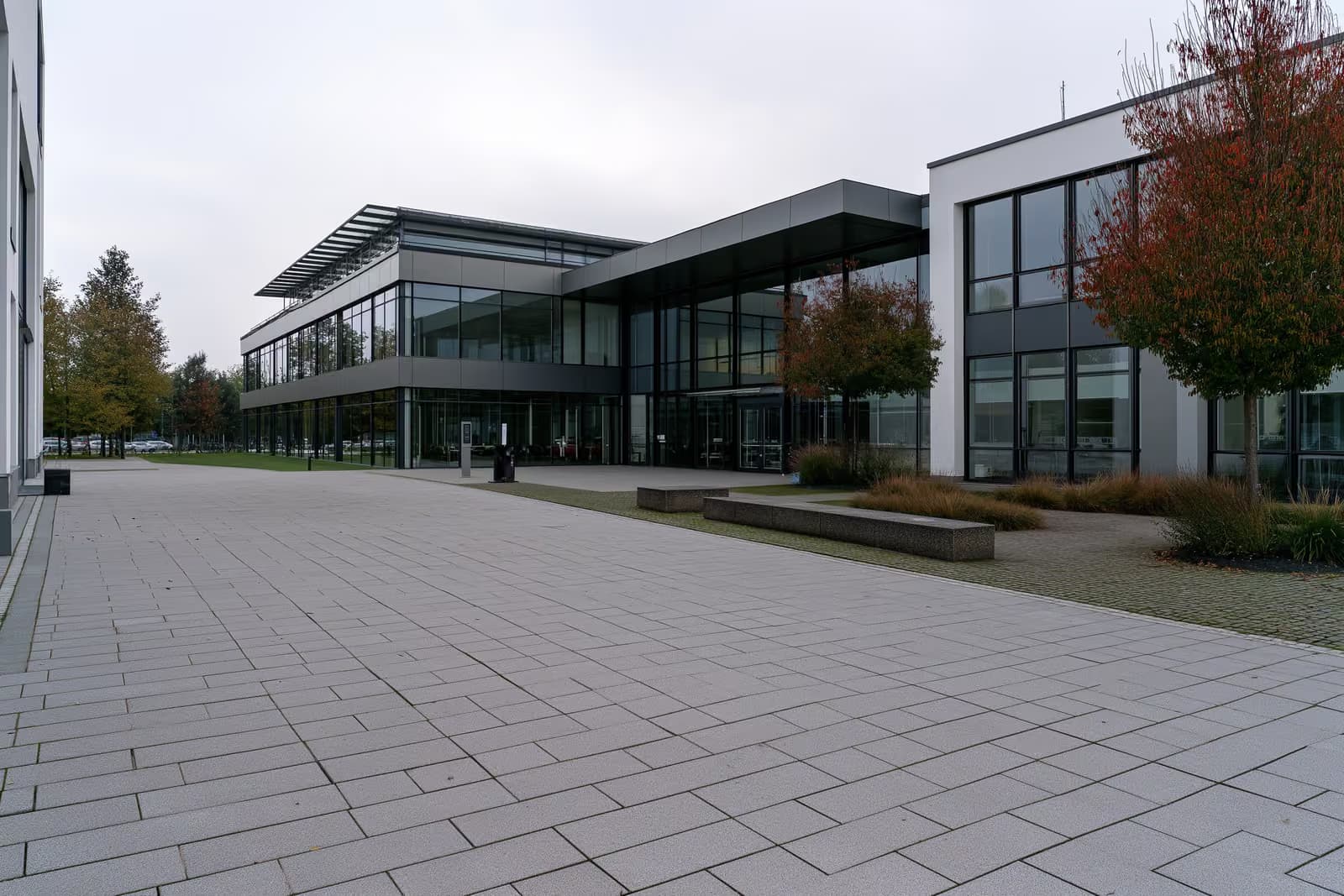
Four German sites have been named in media reports as candidates for closure: Zwickau and Emden, the Volkswagen plant in Hannover, and the Audi site in Neckarsulm. Each of these locations anchors thousands of jobs and decades of local industry, which is why even the discussion of shutting them has caused alarm.
No closure has been decided. The most sensitive items were held back on 9 July, and Euronews reports that the meeting was always more likely to mark the start of negotiations than to deliver an immediate verdict. That leaves the future of the four plants open, and turns the coming months into a period of intense lobbying by everyone with a stake in the outcome.
Unions and the State Push Back
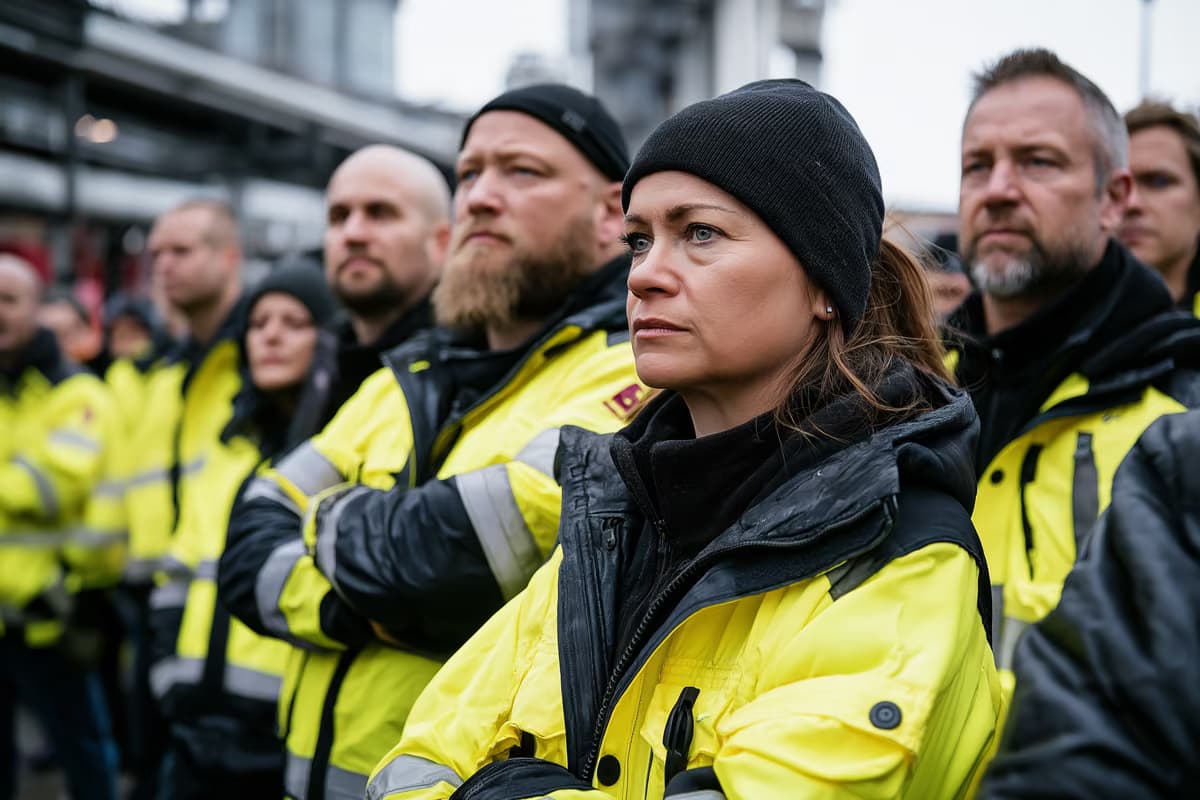
Resistance is already organised. The head of the IG Metall union, Christiane Benner, and the chair of VW’s works council, Daniela Cavallo, warned that if the plans went ahead they would stop them with all their might, according to Euronews. IG Metall staged worker protests at plants across Germany on the day of the meeting.
Politics adds another brake. The state of Lower Saxony holds a 20 percent voting stake in Volkswagen and traditionally opposes plant closures, and labour representatives hold a majority on the supervisory board. That combination gives workers real leverage, and it is a central reason why any decision on the VW job cuts will be slow and heavily contested rather than quick and clean.
Why This Matters Beyond Wolfsburg
Volkswagen sits at the centre of the German economy, so trouble there is read as a signal for the wider industrial base. A retreat on this scale would feed an ongoing debate about whether Germany is still a competitive place to build cars, and about how the country manages the move to electric mobility without hollowing out its manufacturing heartland.
The uncertainty also weighs on confidence. Even before any layoffs, the prospect of closures affects spending, hiring and investment decisions in the affected regions. That is why the 9 July meeting drew national attention despite producing no formal decision, and why the negotiations that follow will be watched closely across the whole economy.
What This Means for Expats
If you work at Volkswagen, one of its brands, or a supplier, the immediate message is that nothing has been decided and strong union protection is in play, so there is time before any concrete step. Keep in close contact with your Betriebsrat (works council), which represents staff in exactly these talks, and make sure you understand your contract and any notice terms. Foreign employees have the same labour rights as German colleagues, including protection against unfair dismissal.
For expats considering a move into the German car industry, the news is a reminder to weigh job security carefully and to keep skills broad. Our overview of living and working in Germany at welivein.de/how-to-germany can help you understand employment protections and where to turn for advice. The scale of the possible VW job cuts is unsettling, but the process is only just beginning.