





 Turkish
 Italian
 Spanish
 Portuguese
 Romanian
 Albanian
 Lithuanian
 Latvian
 Bulgarian
 Greek
Greek Hungarian
 French
 Croatian
 Czech
Czech
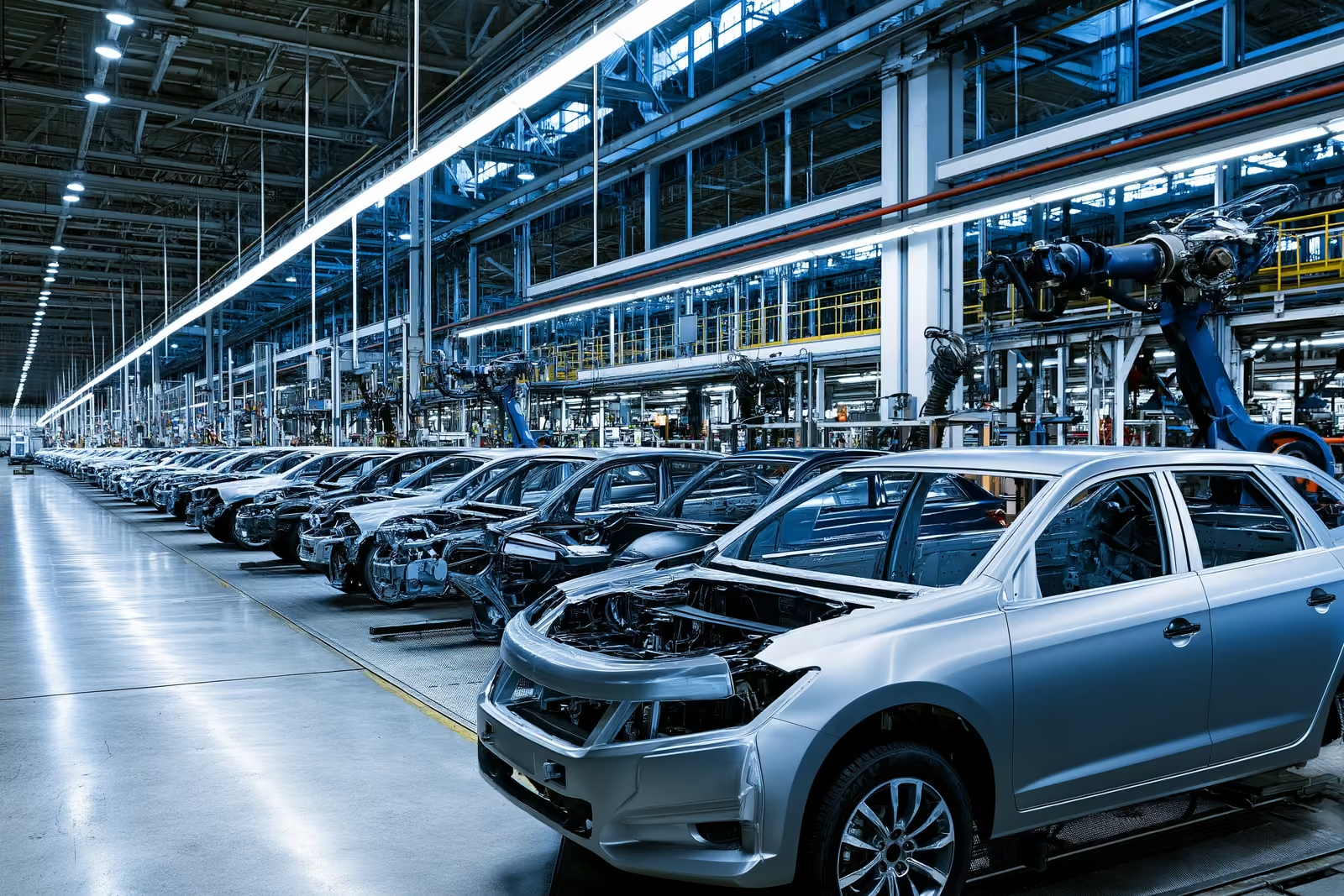
Volkswagen reported a sharp fall in earnings on Friday, with VW Q2 profit dropping to 1.54 billion euros after tax, down 32.9 percent from a year earlier. Europe’s largest carmaker blamed weak demand in China, the cost of United States tariffs and heavy restructuring charges, and it cut its revenue guidance for 2026. The figures land at a difficult moment for a company that is also Germany’s biggest industrial employer.
The result missed market expectations and pushed Volkswagen preferred shares down around 3 percent in early trading. For a group that anchors thousands of supplier jobs across the country, the weak VW Q2 profit is more than a single bad quarter. It feeds directly into a wider debate about the health of German industry and the future of manufacturing work.
What the VW Q2 profit numbers show
Net profit after tax of 1.54 billion euros compares with about 2.29 billion euros in the same period a year earlier. The operating result came in at roughly 3.47 billion euros, down close to 10 percent year on year, and below what analysts had expected. The operating margin slipped, a sign that Volkswagen is selling a less profitable mix of vehicles while its costs stay high.
Two one-off items weighed on the quarter. According to reporting on the results, Volkswagen took a charge of around 500 million euros tied to ending US production of its electric ID.4 model, and it flagged negative mix effects, meaning it sold more lower-margin cars. Together with softer volumes, those factors dragged the bottom line well below last year’s level.
Why the VW Q2 profit outlook was cut
The bigger signal for the year ahead is the revised outlook. Volkswagen now expects 2026 revenue to range between a 3 percent decline and roughly flat, a clear downgrade from its earlier forecast of zero to 3 percent growth. In plain terms, the company has moved from expecting modest growth to bracing for a possible fall in sales.
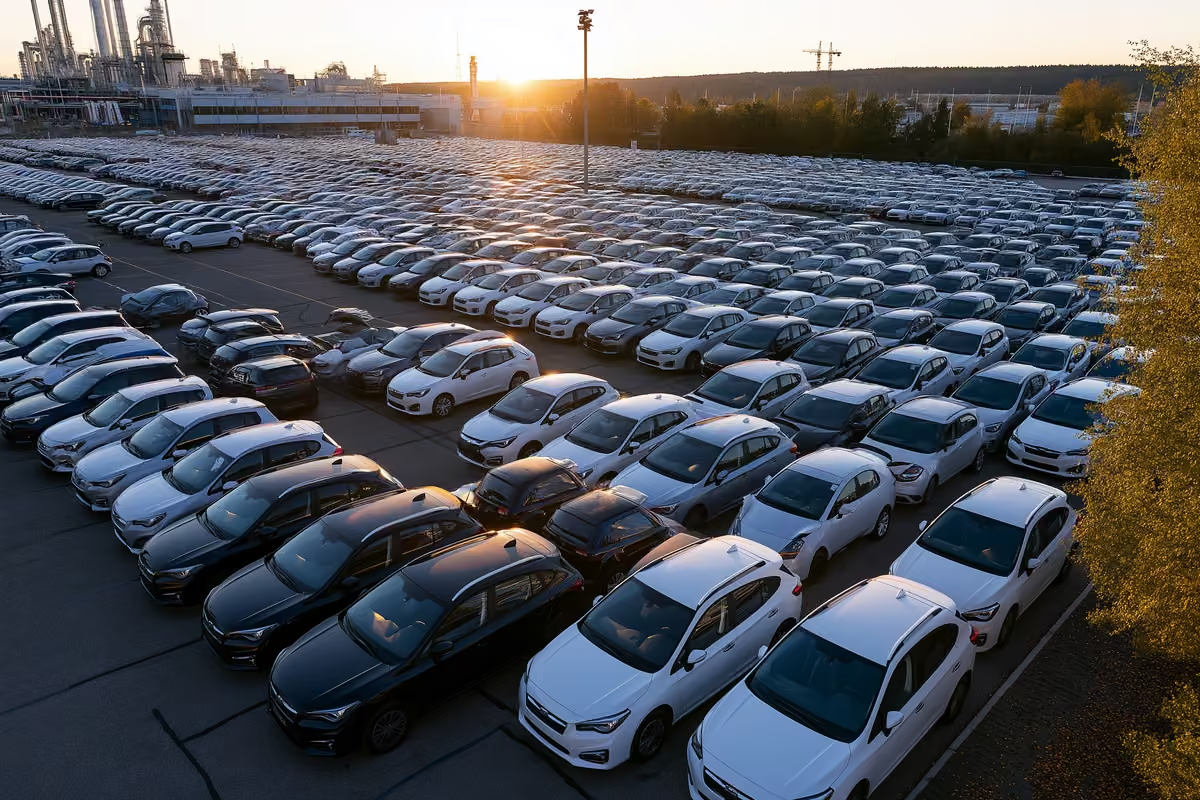
The main drag is China, long one of Volkswagen’s most important markets. First-half deliveries there fell by roughly a third as local electric-vehicle makers took market share and the wider Chinese car market contracted. On top of that, US import tariffs have raised costs and forced the group to rethink where it builds cars. The guidance cut tells investors and workers alike that management does not expect a quick recovery.
The reaction on the markets was swift. Volkswagen preferred shares, the class most widely traded, slipped around 3 percent in early Friday trading and are down sharply for the year so far. Chief financial officer Arno Antlitz described the group’s thin margin as a wake-up call that points to a further round of restructuring, an admission that the cost cuts already under way have not gone far enough.
A separate fight over plants and jobs
The earnings news sits alongside a longer-running dispute over Volkswagen’s German factories and workforce, which is a distinct story. The company has confirmed plans to cut up to 100,000 jobs over time, roughly double an earlier figure, and the future of several German sites has been under discussion. That restructuring battle, covered in our report on the Volkswagen plant closures fight, is about long-term capacity and labour costs rather than a single quarter’s results.
Keeping the two threads separate matters. The VW Q2 profit drop is an earnings and guidance story: what the company earned in three months and what it now expects for the year. The plant and jobs question is a structural one that will play out over years of negotiation with unions and works councils. Both point in the same worrying direction, but they are not the same event.
What it means for the German economy
Volkswagen employs hundreds of thousands of people in Germany and supports a vast network of suppliers, from steelmakers to software firms. When its profit falls by a third and its outlook turns negative, the effects ripple far beyond Wolfsburg. Weaker results reduce the room for pay rises, investment and hiring, and they raise pressure on the cost cuts that unions have resisted.
For foreign workers in the automotive sector or its supply chain, the message is one of caution rather than panic. Volkswagen is not in crisis on these numbers, but it is signalling a leaner period with tighter budgets and continued restructuring. Anyone employed in or around the industry may want to understand their rights on job security and severance, set out in our guide to German employment contracts and workers’ rights. The quarter is a reminder that even the country’s flagship manufacturer is not immune to weak demand abroad and rising costs at home.

