Cabinet Backs EEG and Power Grid Overhaul
3 min read
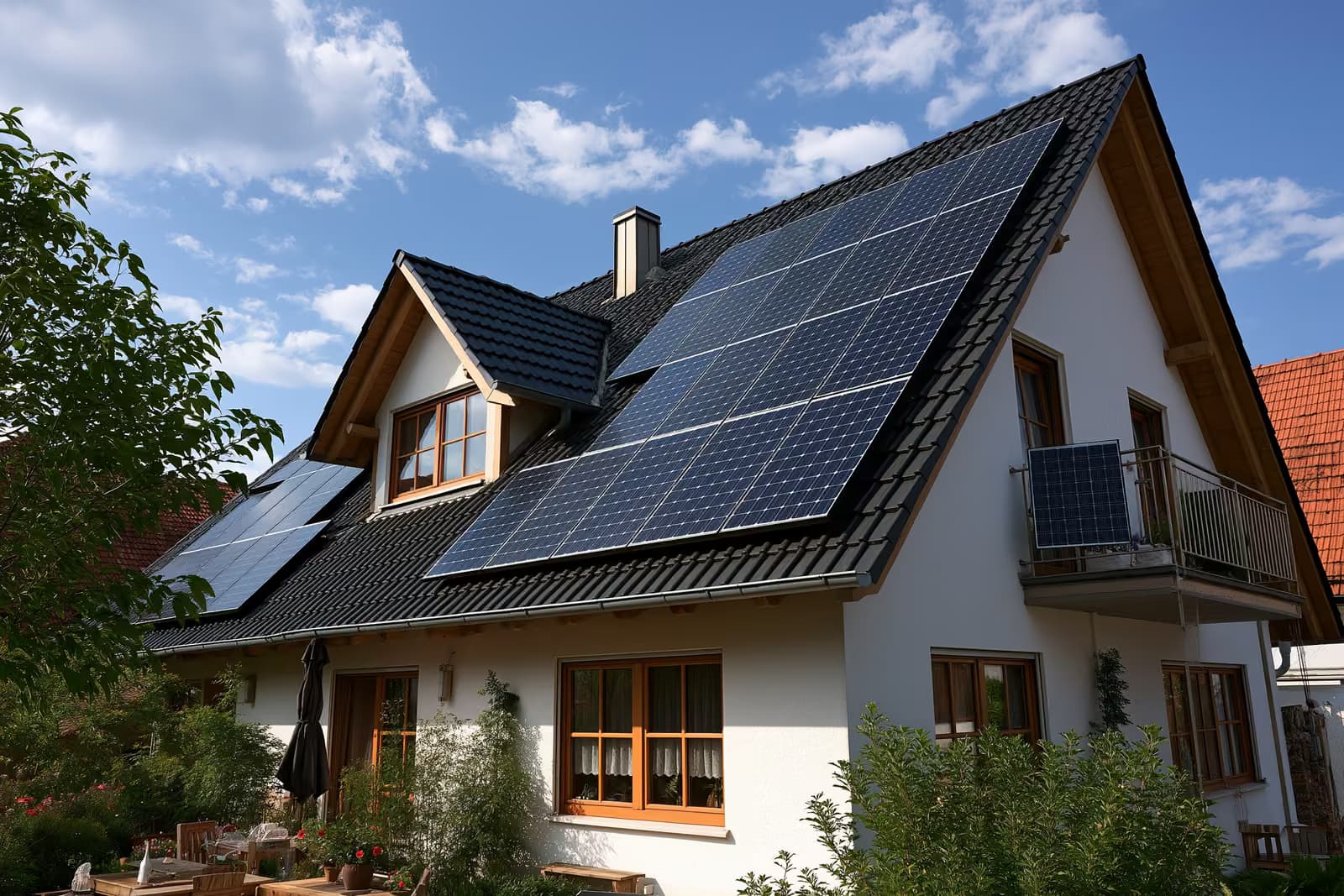
The German cabinet approved a wide-ranging power grid overhaul and reform of renewable energy support on 29 July 2026. The package, brought forward by Economy Minister Katherina Reiche, ties the future buildout of wind and solar power more closely to the electricity grid and begins phasing out state subsidies for small new solar systems. The government presents the power grid overhaul as a way to keep household energy and network costs under control, and Reiche has called it a paradigm shift in how Germany runs its energy transition.
What the Power Grid Overhaul Contains
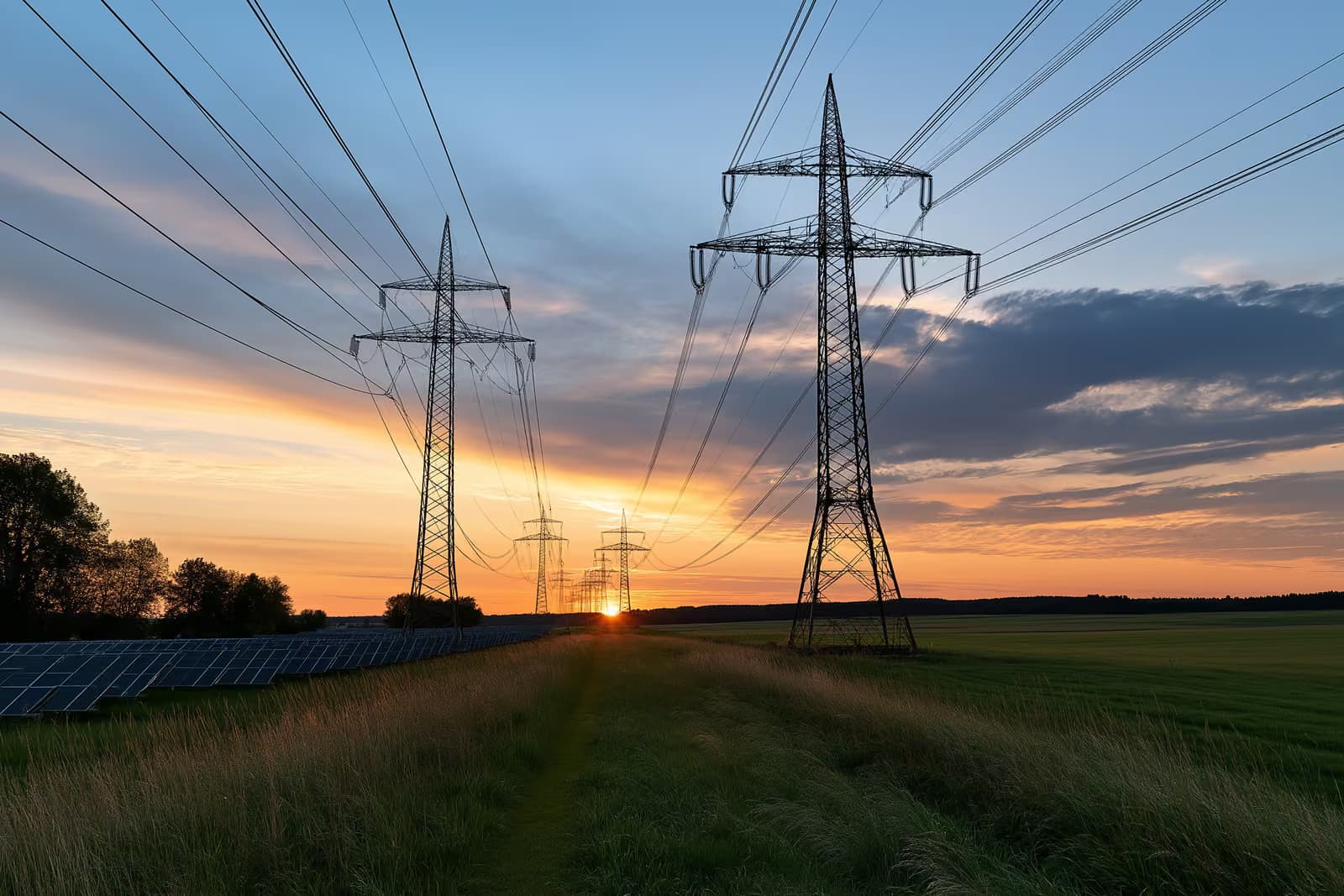
At the core of the package are two linked pieces: a reform of the Renewable Energy Sources Act (Erneuerbare-Energien-Gesetz, or EEG) and a separate grid package. Together they aim to synchronise the expansion of renewables with the expansion of the power grid, so that new wind and solar capacity is built where the network can actually absorb it rather than adding to congestion in places the grid cannot yet handle.
Reiche describes this as the first time the question of where new installations make sense for the grid would be built systematically into the planning of the energy transition, according to reporting by ZDFheute. The government’s argument is that better coordination holds down the grid fees that make up a large part of every electricity bill, and so helps limit what households and businesses ultimately pay for power.
The End of Fixed Solar Support
The most consequential change for homeowners is the planned phase-out of the guaranteed feed-in tariff for small new solar systems. Under the reform, operators of new installations would move to direct marketing, selling their power on the electricity market instead of receiving a fixed rate, with the change cushioned by a temporary transition payment before it fully takes hold. The stated goal is to reduce the subsidy burden that ultimately lands on electricity customers.
The plan does not touch existing systems. Installations already connected to the grid keep their fixed 20-year payments unchanged, so the shift applies only to systems built after the new rules take effect. The reform is designed to work alongside the routine cut to the solar feed-in tariff that took effect at the start of August, which you can read about in our report on the latest solar feed-in tariff cut.
Support and Criticism
The government casts the package as an overdue correction that makes the energy transition cheaper and more orderly. Supporters in industry welcomed the move to better align generation with the grid, and the ingenieur.de trade coverage framed the reform as a decisive break with the era of guaranteed feed-in payments for every new system.
Critics are not convinced the costs and benefits fall fairly. Environmental group Deutsche Umwelthilfe warned that ending subsidies for small solar systems and making direct marketing mandatory could slow the rollout of rooftop solar among ordinary households, and parts of the solar industry have questioned whether the promised savings for consumers will materialise. That tension between controlling costs and keeping the buildout of home solar going runs through the whole debate.
There is also unease about who carries the risk. Moving new systems onto the electricity market shifts price uncertainty from the state to the individual operator, since a household with solar would no longer be guaranteed a fixed rate for its exported power. Trade groups have argued that this could make small projects harder to finance, while the government counters that a subsidy paid by all electricity customers cannot keep growing without pushing bills higher for everyone.
What the Power Grid Overhaul Means Next
The cabinet decision is a starting point, not a finished law. The bills now go to parliament, where the Bundestag and Bundesrat are expected to take them up in the autumn, and elements that affect subsidies will also need to satisfy EU state-aid rules. That means the details, including exactly how the transition away from fixed payments is structured, could still change before anything takes effect.
For expats running a household in Germany, the practical stakes are your electricity bill and the economics of any solar plans. If the reform delivers on controlling grid costs, it could ease pressure on power prices over time, but it also makes exporting solar power less rewarding and pushes the value of a home system toward self-consumption. Our guide to energy providers and options in Germany explains how tariffs and grid fees fit together, which is the best way to judge how this power grid overhaul might affect what you pay.