New Road Rules Hit German Drivers
4 min read
Drivers in Germany are facing a set of new road rules that took effect at the start of July 2026. A reform of the Strassenverkehrsgesetz, the country’s road-traffic law often shortened to StVG, brings tougher penalties for a common way of dodging licence points, gives towns a legal basis for camera cars, and lengthens the time authorities have to issue fines. A separate change on 7 July also makes extra safety technology mandatory in new cars.
What the New Road Rules Change
The reform, known in German as the StVG-Novelle, came into force on 1 July 2026 and touches several parts of everyday driving. It targets the illegal trade in penalty points, creates a legal footing for automated parking enforcement, and extends the deadline within which offences can be prosecuted. Taken together, these new road rules give the authorities sharper tools and heavier penalties than before.
None of the changes affect how you drive on the road in the immediate sense, since speed limits and traffic signs stay the same. Instead they reshape the enforcement system that sits behind the wheel. Motoring organisations including the ADAC have summarised the package as a modernisation of how traffic offences are recorded, pursued and punished.
A Crackdown on Point Trading
The headline measure is a ban on Punktehandel, or point trading. This is the practice where a driver who has committed an offence pays someone else to falsely claim they were behind the wheel, so the penalty points land on the other person’s record rather than their own. Points in Germany are logged in the central register in Flensburg, and drivers who collect too many can lose their licence, which is why some tried to buy their way out.
Under the new road rules this is now clearly illegal, and the fines are severe. According to Handelsblatt, offering, arranging or profiting from such deception can trigger penalties of up to 30,000 euros. Auto motor und sport reports the same ceiling, aimed squarely at those who provide or broker the service rather than at ordinary mistakes. The intent is to make the whole business model too risky to be worthwhile.
Scan-Cars and the Digital Driving Licence
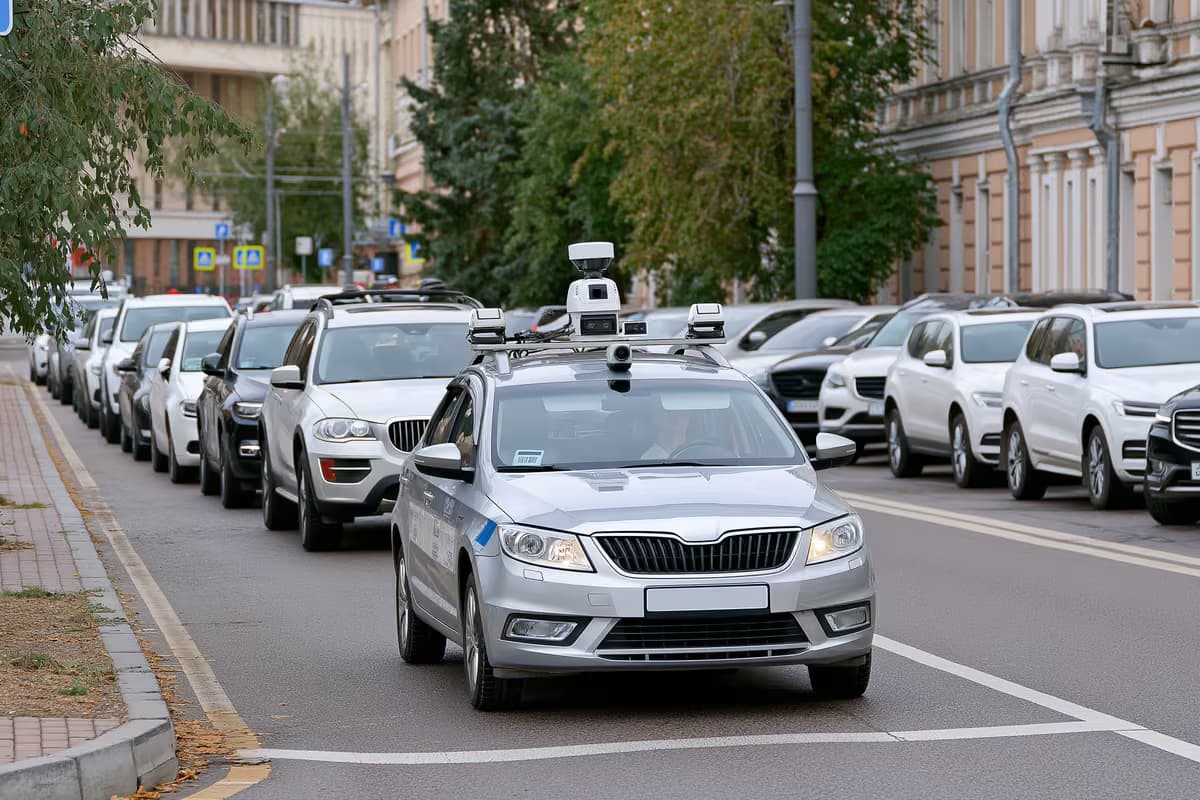
The reform also creates the legal basis for so-called Scan-Cars, camera-equipped vehicles that drive slowly through streets and automatically read the number plates of parked cars. The system checks each plate against digital parking permits and flags vehicles that have not paid or are parked illegally. Handelsblatt notes that the aim is to make parking enforcement far more efficient at a time when many towns struggle to staff traditional patrols.
Alongside the parking technology, Germany is moving towards a digitaler Fuehrerschein, a digital driving licence that would let motorists carry proof of their entitlement to drive on a smartphone. Auto motor und sport reports that this digital licence is expected to become available by the end of 2026. The physical card licence will remain valid, so drivers are not forced to switch, but the option reflects the wider digitisation running through these new road rules.
Longer Deadlines to Chase Traffic Offences
Another change that could catch drivers out is the extension of the Verfolgungsverjaehrung, the deadline after which a traffic offence can no longer be prosecuted. For minor traffic violations such as speeding or running a red light, that window has doubled from three months to six months, as reported by both Handelsblatt and auto motor und sport.
In practice this means the authorities have twice as long to process camera evidence and send out a fine notice. Drivers who previously hoped a delayed letter meant they had escaped a penalty will find that assumption no longer holds. The change is designed to stop offenders slipping through on technical time limits, especially in cases that take longer to investigate.
New Road Rules Add Mandatory Car Safety Tech
Separately, from 7 July 2026 newly registered passenger cars and light commercial vehicles must come fitted with an additional set of driver-assistance systems under European Union rules. The ADAC lists these as including enhanced automatic emergency braking, better protection for pedestrians and cyclists, and systems that warn a distracted or drowsy driver. The measures apply to the vehicle categories M1 and N1.
Crucially, this requirement only applies to cars newly registered from that date. If you already own and drive an older car, you do not need to retrofit anything, and your vehicle stays road legal. The rule mainly matters for anyone buying a brand-new car this summer, who will find these safety features built in as standard rather than sold as optional extras.
What the New Road Rules Mean for Foreign Drivers
For expats driving in Germany, the practical message from the new road rules is to keep your own record clean rather than looking for shortcuts, because point trading now carries steep fines and clear legal risk. If you are still learning how the German points and licence system works, our guide at how-to-germany explains how penalties and the register in Flensburg affect your right to drive.
The other changes are mostly about enforcement catching up with technology. Expect parking checks in cities to become faster and harder to avoid, and do not assume a late fine notice means you are in the clear, since the authorities now have six months to act. If you are about to buy a car, the new safety systems are a welcome bonus, and our overview of driving and vehicle ownership at how-to-germany can help you get the paperwork right.