Court: Austria border checks unlawful
4 min read
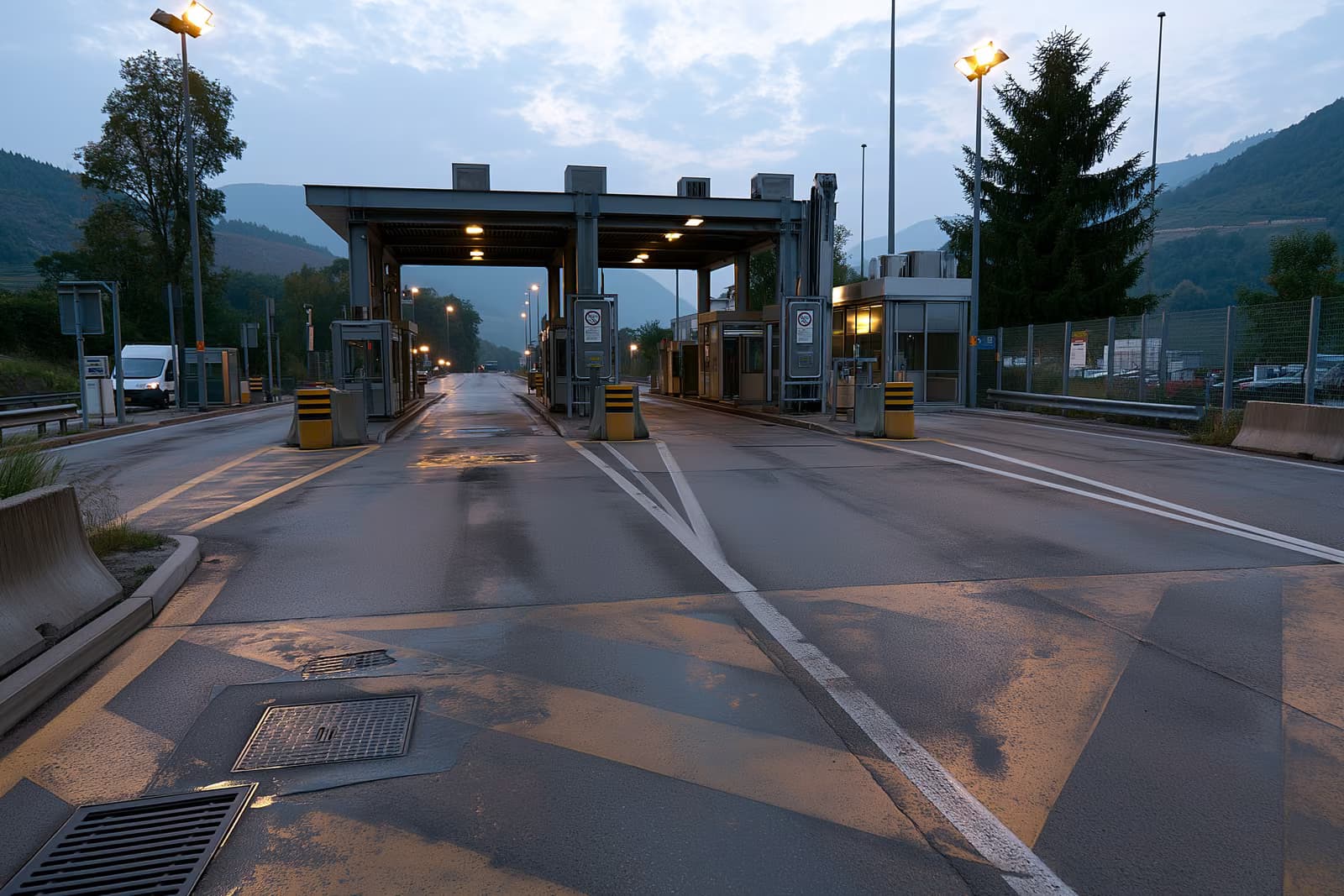
A German court has found that the routine border checks between Germany and Austria break European law, a decision that speaks to thousands of foreigners who cross that frontier for work, family or travel. The Verwaltungsgericht Muenchen, the administrative court that reviews state actions, ruled in early July 2026 that three separate identity checks near the Austrian border were unlawful because the controls behind them have run far too long to be justified.
The judgment is a rare legal setback for a policy that has become a fixed part of daily life in southern Bavaria. Yet it changes very little on the ground for now, because the court bound its findings to the three individual cases in front of it and refused to order the government to stop the checks. Commuters and travellers must keep tolerating the border checks and can only contest each one after the fact.
What the court decided on the border checks
According to Legal Tribune Online, the Verwaltungsgericht Muenchen concluded that the long-running controls are not compatible with the Schengener Grenzkodex, the Schengen Borders Code that governs travel inside Europe’s passport-free zone. That code allows a member state to reintroduce internal controls only for limited periods and only when a serious threat to public order or national security genuinely requires them.
The court’s central objection was duration. Germany has kept controls in place at this border almost continuously for years, and the judges found no fresh, specific danger that could carry the weight of such a long and effectively permanent regime. Because the checks failed that legal test, the three stops the plaintiffs challenged were declared unlawful. The ruling does not erase the controls themselves; it measures them against the code and finds them wanting.
Who brought the cases
The three claimants show how broadly the border checks reach. One is Werner Schroeder, a professor of European and international law who teaches at Innsbruck and views the controls as contrary to EU law. Another is a Nigerian national identified as Abdulhamid A., who says he was singled out for a document check in a way that suggests racial profiling. The third is Hubert Niedermayr, an Austrian lawyer who has been stopped repeatedly in the Rosenheim area and calls the practice arbitrary.
Their cases were supported by the Gesellschaft fuer Freiheitsrechte, a civil-liberties group known by the initials GFF that funds strategic lawsuits over fundamental rights. As MiGAZIN reported, GFF lawyer Christoph Tometten argued that the outcome leaves the federal government with no choice but to wind the controls down. He said the interior minister must end the checks at the internal borders without delay.
Why commuters must still tolerate checks
Despite winning on the law, the plaintiffs did not win an immediate halt to the controls. The Abendzeitung Muenchen reported that the court declined to grant emergency legal protection, explaining that citizens must in principle tolerate state measures first and can only establish their unlawfulness afterward. Fast-track relief is reserved for exceptional situations that threaten severe and irreversible harm, and a routine document check does not clear that bar.
The practical result is a split screen. The judgment says the controls, as run today, do not meet European standards, while the checkpoints keep operating as before. For a cross-border worker near Rosenheim or Freilassing, nothing about the morning drive changes: an officer can still wave the car over, ask for a passport, and let it pass. The path the court has left open is to be checked, then challenge that specific stop in writing.
The government’s response
The controls trace back to a decision by Interior Minister Alexander Dobrindt’s ministry, which since September 2024 has ordered checks at Germany’s land borders to curb unauthorised entries and has extended them several times, currently into the middle of September 2026. After the ruling, the ministry signalled that it regards the controls as lawful and intends to keep them running while it appeals.
The next stage would move the dispute up to the Bayerischer Verwaltungsgerichtshof, the higher Bavarian administrative court, whose decision would carry far wider weight than three individual cases. Politically, the Greens and the claimants’ lawyers have seized on the judgment to demand an end to the controls, while the government frames them as a necessary tool against irregular migration. The gap between the courtroom and the border post is now the heart of the debate.
What this means for foreigners in Germany
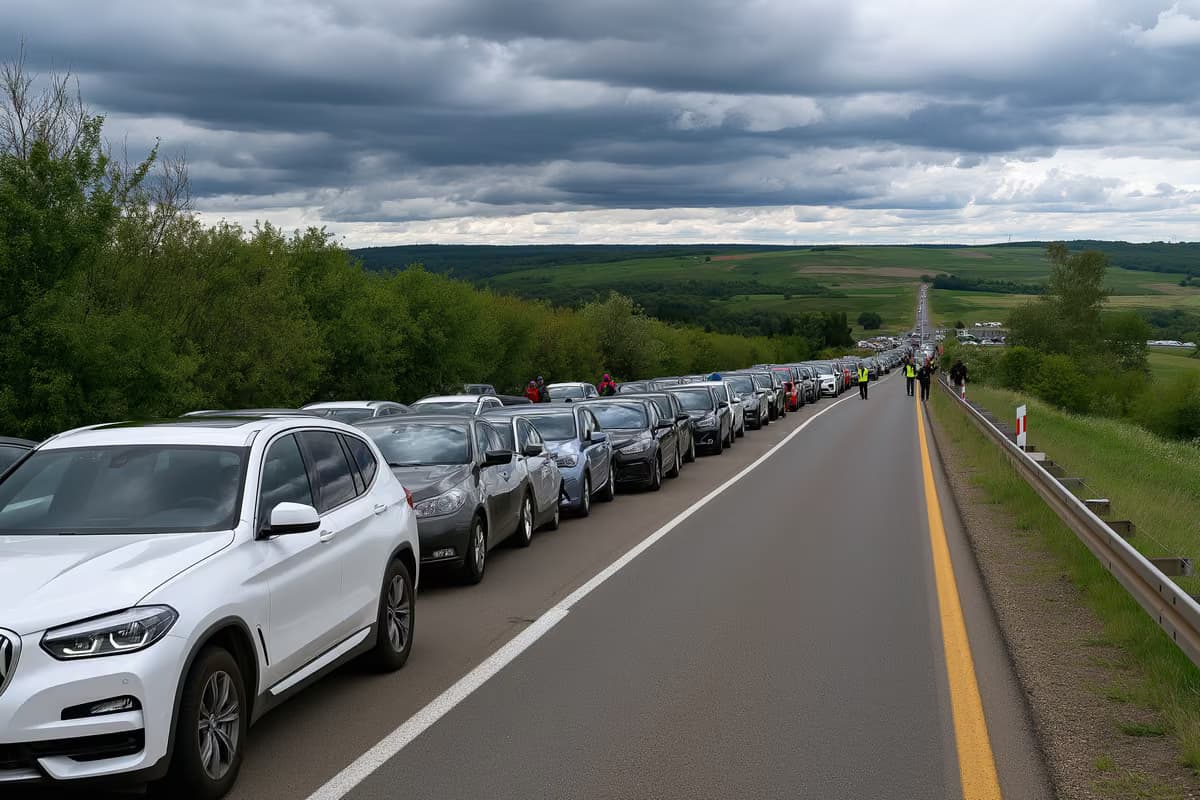
For now, the border checks stay in place, so anyone crossing between Bavaria and Austria should keep carrying a valid passport or national identity document and expect possible stops, especially on the busy Rosenheim and Salzburg routes. The ruling does not grant a right to refuse a check or to skip the queue, and treating it as one could turn a short delay into a serious problem. Our guides on settling in are collected at the How to Germany hub for readers who cross borders often.
The longer-term value of the decision is that it puts the legal basis for permanent internal controls in doubt and hands affected residents a documented way to push back. If you believe a stop was carried out unfairly, for example because of how you look, it is worth noting the time, place and officers involved and seeking legal advice, since groups like the GFF are actively testing these controls in court. The direction of travel may eventually favour free movement again, but the timing now rests with the appeal courts rather than the roadside.