Dresden Opens First Migration Center
3 min read
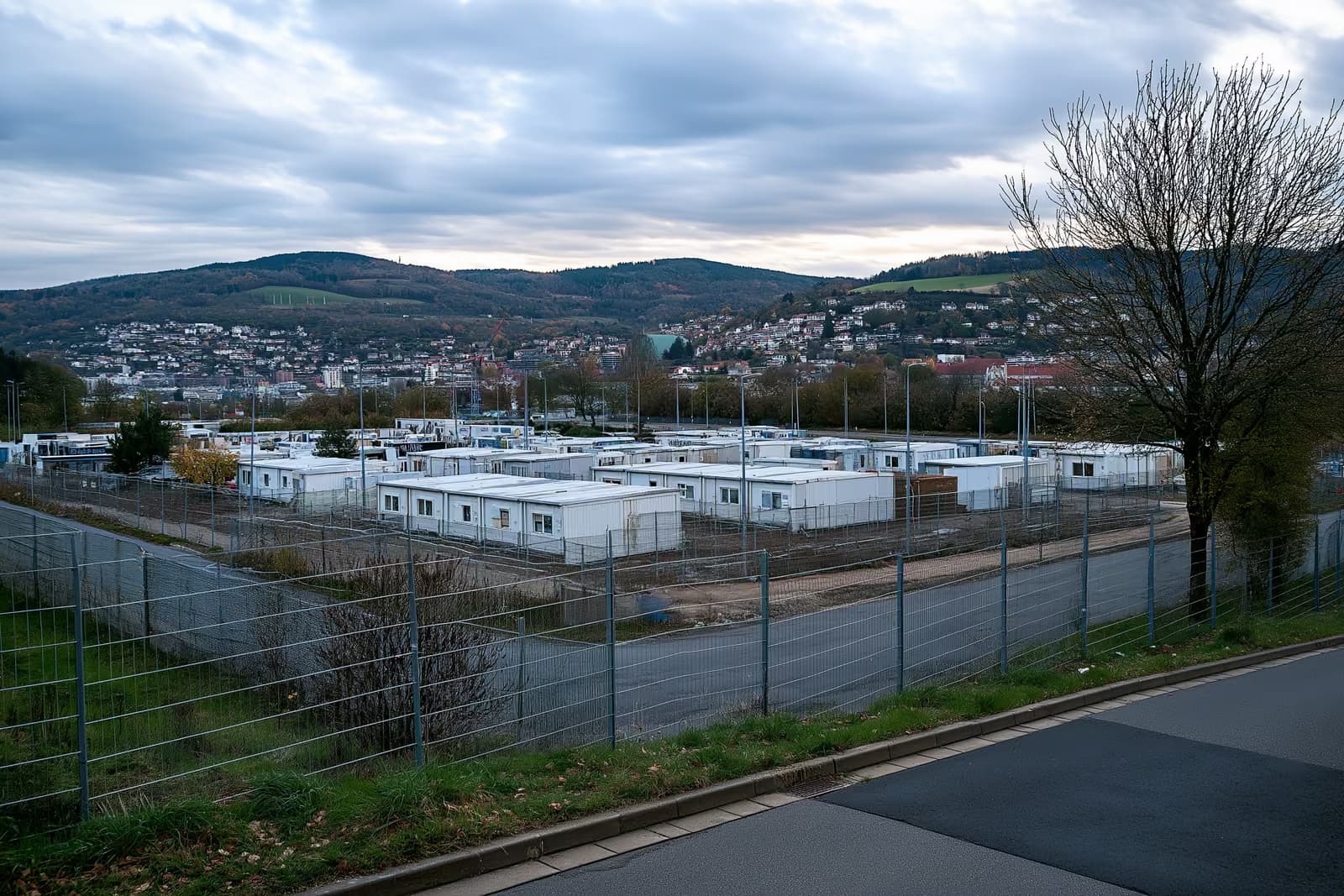
Saxony has opened Germany’s first migration center of a controversial new kind, and rights groups are already calling it a deportation prison. Since 1 July 2026 the state has run a so-called Sekundaermigrationszentrum, or secondary migration center, at a former state departure facility in Dresden. It has room for up to 400 people and is aimed at asylum seekers whose claims are the responsibility of another European Union country.
What the Dresden migration center is
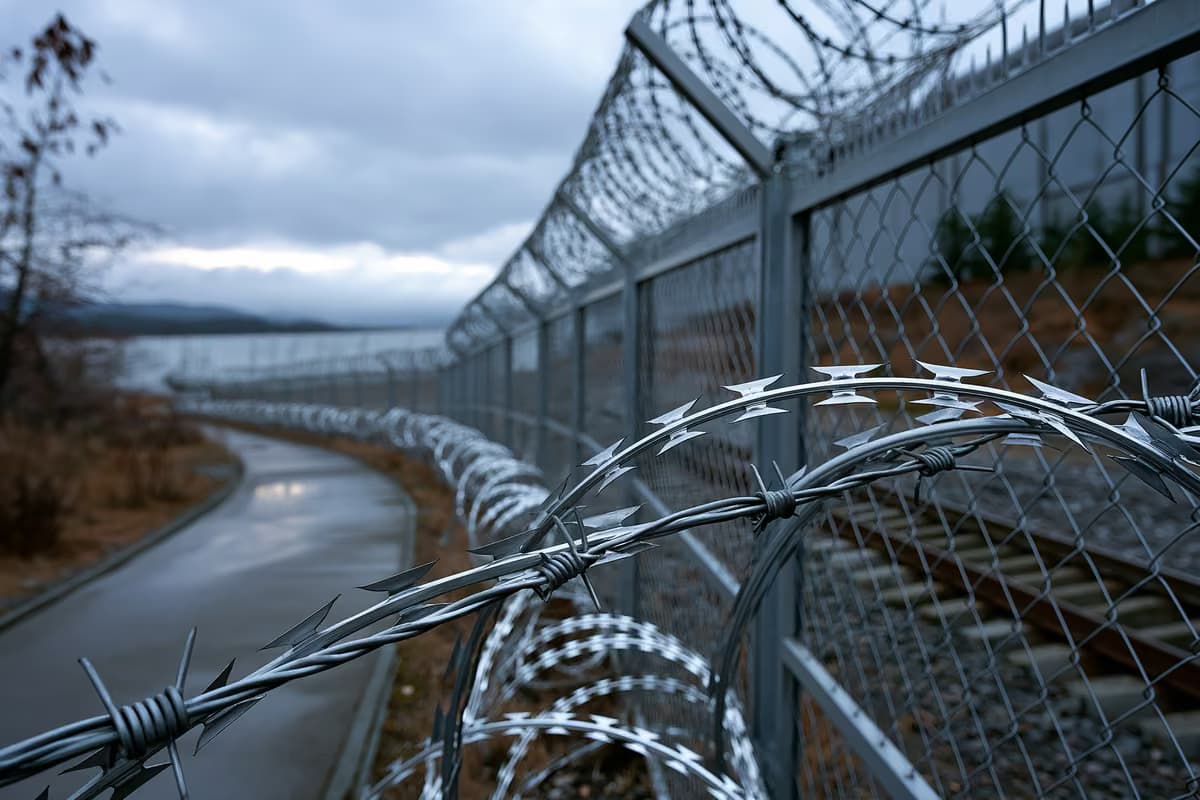
The centre is built for what the authorities call Dublin cases, named after the Dublin regulation that decides which EU country must handle an asylum claim. People sent there are those who first entered or applied for protection in another member state, and whom Germany intends to transfer back. According to Freie Presse, the compound behind the State Directorate building in Dresden is a heavily secured container village with steel fences, barbed wire and surveillance cameras.
Life inside the migration center comes with strict limits on movement. Residents must register and stay at the facility, and MiGAZIN reported that they have to submit an application even to leave the fenced grounds, for something as ordinary as a doctor’s visit or a short walk. The stay can last up to 24 months for single adults and up to 12 months for families with underage children.
How the state defends it
Saxony’s interior minister, Armin Schuster, has rejected the idea that the facility is a form of detention. MiGAZIN quoted him saying that what people see there is not detention, and he suggested residents could even visit an evening pub on the basis of mutual trust, while warning that repeated attempts to abscond could lead to night-time lockdowns. He also said the container accommodation was not meant to be hotel standard.
The state presents the centre as a key instrument of a new European migration policy that focuses on quick returns. The stated aim is to make staying in Germany unattractive for people who are supposed to be transferred elsewhere, in the hope that they leave voluntarily rather than disappear into the country. Saxony has positioned itself as the first state to put this model into practice, and other states are watching how it works.
Why critics call it a prison
Refugee organisations and human-rights groups have condemned the project in strong terms. The Saechsischer Fluechtlingsrat, the Saxon refugee council, described the centres as detention-like and as a policy of deterrence and isolation rather than protection. The sea-rescue group Mission Lifeline and other critics have gone further, labelling the facility a deportation prison because of the fences and the tight restrictions on daily life.
The German Institute for Human Rights has also warned that applying such rules strictly could get in the way of medical care or legal advice, and it has advised against setting up centres of this type. Doubts remain about how well the model will even work in practice. MiGAZIN noted that in 2025 Germany filed around 35,900 requests to transfer people to other European states but actually moved only 5,377, a gap that suggests the core problem lies well beyond accommodation.
What this means for expats
Most foreigners living and working in Germany will never come into contact with a facility like the Dresden migration center, because it targets a specific group of asylum seekers under the Dublin rules rather than residents on work, study or family visas. Even so, the opening marks a clear hardening of German migration policy that is worth understanding, as it signals the direction the government is taking on asylum and returns.
For anyone navigating the asylum or residence system, or supporting someone who is, the case shows how much depends on which country is deemed responsible under the Dublin regulation and how quickly rules can change. People affected by asylum decisions should seek qualified legal advice, and the refugee councils named in this story remain a first point of contact. Our How to Germany section explains the residence and immigration basics that shape daily life for newcomers.